
 By admin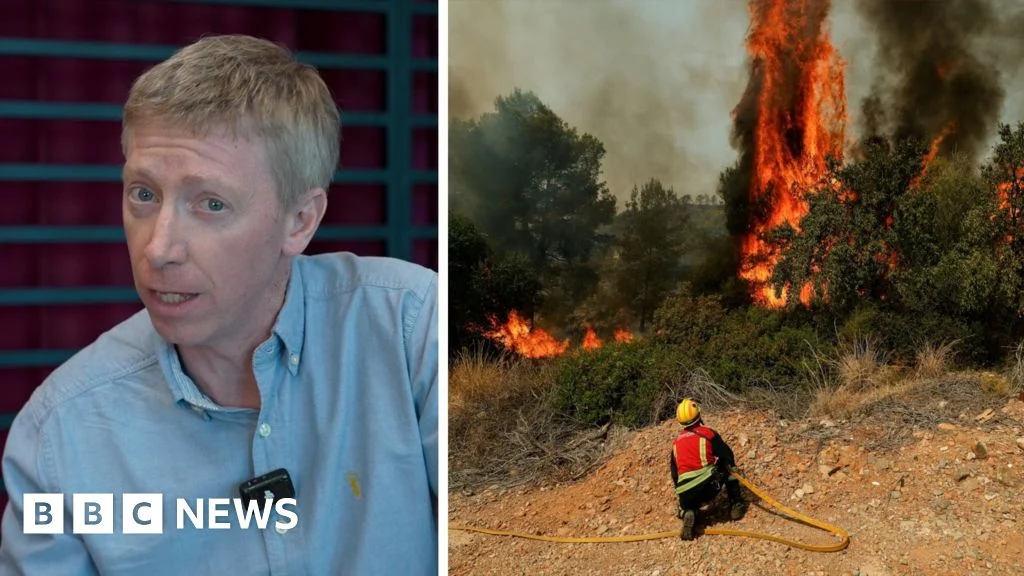
The idyllic summer dreams of thousands have been shattered as devastating wildfires, fueled by relentless heatwaves and dry conditions, have forced mass evacuations across swathes of France and Spain. Hundreds of thousands of residents and tourists have been compelled to flee their homes and holiday destinations, creating a humanitarian crisis and a significant disruption to the peak summer travel season. The scale of the infernos, characterized by their rapid spread and intense heat, has overwhelmed emergency services and painted alarming scenes of smoke-filled skies and scorched landscapes across popular tourist regions.
In France, the Gironde region, a beloved tourist hotspot known for its pine forests and Atlantic coastline, has borne the brunt of the disaster. Multiple fires, some merging into colossal blazes, have consumed vast tracts of woodland, threatening coastal towns and necessitating the evacuation of over 30,000 people from their homes and campsites. The iconic Dune du Pilat, Europe’s tallest sand dune and a major tourist attraction, has been under direct threat, with firefighters battling heroically to protect the surrounding areas. The sheer intensity of the fires has rendered some areas inaccessible, with residents reporting harrowing escapes as flames licked at their properties. The smell of smoke has become a constant, suffocating presence, and the skies have been transformed into a hazy, orange-brown spectacle.
Spain has faced a similar catastrophic scenario, with wildfires raging across multiple regions, particularly in the north and center of the country. Catalonia, Aragon, and Castile and León have all reported significant fire outbreaks, with thousands being evacuated from villages and rural communities. The mountainous terrain in some of these affected areas has presented formidable challenges for firefighters, making it difficult to contain the blazes. Villages have been reduced to smoldering ruins, and the economic impact on agricultural communities, with livestock lost and crops destroyed, is expected to be profound. The visual evidence is stark: aerial footage reveals vast swathes of land blackened and barren, a stark testament to the destructive power of these wildfires.
The underlying causes of these devastating fires are multifaceted and deeply concerning, pointing towards a confluence of extreme weather patterns and human activity. Scientists and climate experts have unequivocally linked the increased frequency and intensity of wildfires to climate change. Prolonged periods of unusually high temperatures, coupled with extended droughts, have created tinderbox conditions across the Iberian Peninsula and southern France. This summer has seen record-breaking temperatures in both countries, with mercury levels soaring well into the 40s Celsius (over 104 Fahrenheit) in many areas. The lack of rainfall has further exacerbated the dryness of vegetation, turning forests and scrubland into highly flammable fuel.
Professor Maria Sanchez, a climatologist at the University of Barcelona, emphasizes the gravity of the situation. "What we are witnessing is not an anomaly, but a chilling preview of the future if we do not act decisively on climate change," she stated in a recent interview. "These heatwaves are becoming more intense, more frequent, and longer-lasting. This, combined with the lack of precipitation, creates the perfect storm for catastrophic wildfires. The Mediterranean basin is particularly vulnerable to these changes, and we are already seeing the devastating consequences."
Beyond the climatic factors, human negligence and deliberate acts of arson also play a role. While many fires are accidental, sparked by discarded cigarettes, unattended campfires, or malfunctioning electrical equipment, a disturbing number are suspected to be the result of arson. Investigations are ongoing in both countries to identify the perpetrators and bring them to justice. The emotional toll on those affected is immense, with many losing not only their homes and possessions but also their livelihoods and a sense of security. Support centers have been established to provide shelter, food, and psychological assistance to the displaced, but the long-term recovery process will be arduous.
The economic ramifications of these wildfires extend far beyond the immediate destruction. The tourism industry, a vital pillar of the French and Spanish economies, has been severely impacted. Cancellations are mounting as potential visitors are deterred by safety concerns and the widespread disruption. Hotels, restaurants, and local businesses that rely on the summer tourist influx are facing significant financial losses. The agricultural sector is also reeling, with harvests destroyed and livestock lost, threatening the food supply and the livelihoods of farming communities. The cost of firefighting efforts, including the deployment of specialized aircraft and the mobilization of thousands of emergency personnel, is also a substantial financial burden on national budgets.
For UK travellers planning trips to affected regions, the advice from the Foreign, Commonwealth and Development Office (FCDO) is clear: monitor the latest travel advice on the FCDO website. This is not a mere bureaucratic suggestion; it is a critical step in ensuring personal safety and making informed decisions. The FCDO provides up-to-date information on the security situation, potential travel disruptions, and advice on what to do in case of emergencies. This includes details on local emergency numbers, the location of support services, and any advisories regarding specific areas that have been declared unsafe.
Kevin Peachey, the BBC’s cost of living correspondent, offers practical guidance for those whose travel plans have been affected by these infernos. He stresses the importance of staying informed and being prepared to alter plans. This means regularly checking FCDO updates, as well as consulting with airlines and tour operators regarding flight status and accommodation. Peachey advises travellers to have a contingency plan in place, including alternative accommodation options or routes, should their original itinerary become untenable. He also highlights the importance of travel insurance and thoroughly understanding its coverage for events such as natural disasters and travel disruption. Many policies offer provisions for cancellations, rebookings, or even emergency evacuation.
Furthermore, Peachey underscores the need for situational awareness and adherence to local authorities’ instructions. If travelling to an area adjacent to or potentially impacted by wildfires, travellers should be vigilant about air quality, visible smoke, and any official warnings or evacuation orders. He recommends carrying essential items in a readily accessible bag, including identification, travel documents, medications, and a small amount of cash, in case of a sudden need to evacuate. He also advises travellers to inform someone back home of their itinerary and to maintain regular contact.
The BBC correspondent’s advice extends to understanding the risks associated with the environment. Even if not directly in the path of the flames, the lingering smoke can cause respiratory problems, and visibility can be severely reduced, impacting road travel. He encourages travellers to avoid unnecessary travel into affected areas and to respect the work of emergency services.
The long-term implications of these recurring wildfire events are profound. They serve as a stark reminder of the interconnectedness of our planet and the urgent need for global action on climate change. Governments, industries, and individuals alike must recognize the severity of the threat and implement sustainable practices to mitigate its impact. Investment in early warning systems, improved forest management techniques, and rapid response capabilities are crucial for building resilience. The current crisis in France and Spain is not an isolated incident; it is a symptom of a larger, systemic problem that demands immediate and sustained attention. The images of families fleeing their homes, the desperate efforts of firefighters, and the scarred landscapes are a call to action for a more sustainable and resilient future. The cost of inaction, as demonstrated by these devastating wildfires, is simply too high to bear.
