
 By Lina Irawan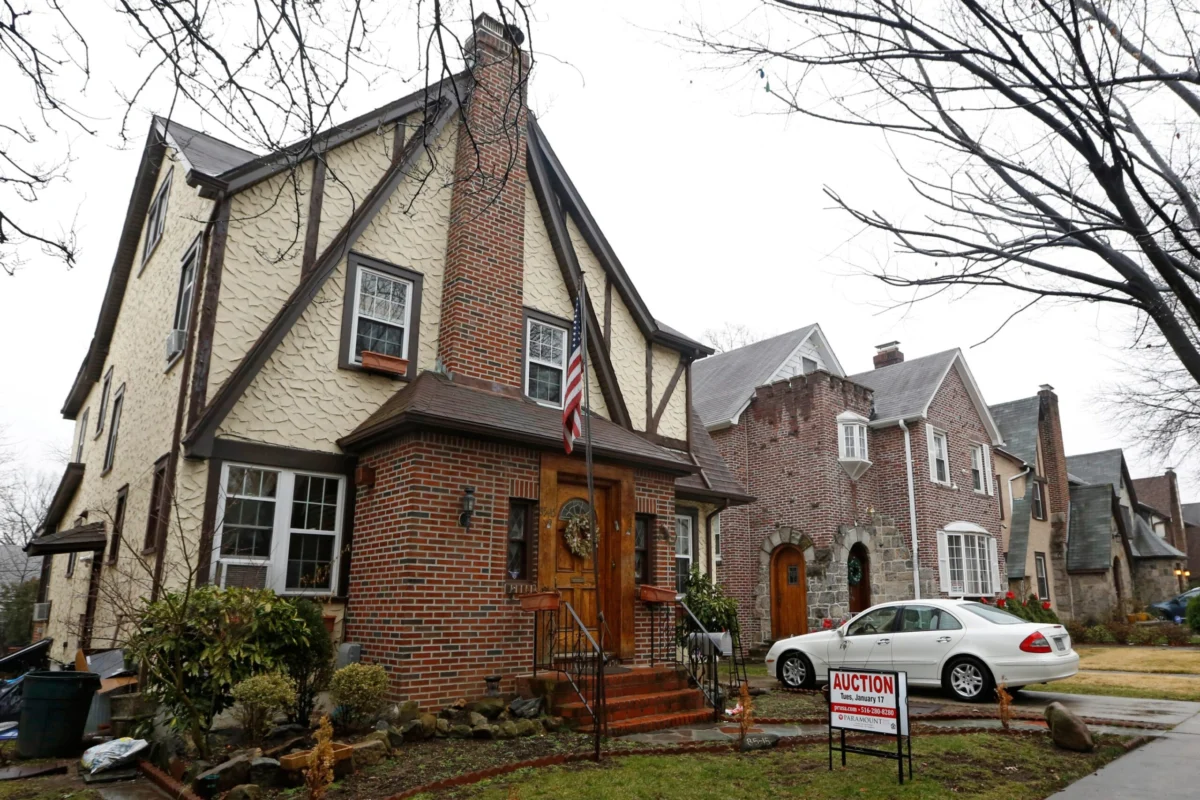
The sale price of $1.93 million appeared on major real estate websites on Friday, following the formalization of a contract in July. This figure represents a significant increase from its previous sale price just a year prior, highlighting the dramatic turnaround orchestrated by the recent seller, Tommy Lin. Lin, a developer with a keen eye for potential, had acquired the five-bedroom, three-bathroom estate for a mere $835,000. At the time of his purchase, the house was a shadow of its former glory, having sat vacant and neglected for several years, plagued by extensive disrepair.
Lin’s ambitious undertaking involved an investment of another $500,000 and an intensive eight-month interior overhaul. The transformation was comprehensive, addressing years of neglect and damage. The property, once described unflatteringly as a "mold-ridden cat den" due to a burst pipe that caused severe water damage and attracted a colony of feral cats, was stripped down and rebuilt with luxury and modern living in mind. According to a report by the New York Post, the renovations introduced a suite of high-end amenities designed to appeal to discerning buyers. These included a state-of-the-art chef’s kitchen, boasting professional-grade appliances and custom cabinetry, elegant herringbone wood floors that added warmth and sophistication throughout the main living areas, and spa-like bathrooms featuring contemporary fixtures, premium tiling, and rainfall showers. The aim was not just to restore but to elevate the residence to a standard befitting its prestigious location and a new era of luxury.
Donald Trump himself resided in this Queens estate only during his earliest formative years, from his birth in 1946 until the age of four, before his family moved to a larger, equally grand home just a few blocks away. The house itself holds architectural significance, having been built in 1940 by his father, Fred Trump, a prominent and highly successful real estate developer whose extensive work shaped much of Queens and Brooklyn. Fred Trump’s influence on the borough’s landscape was profound, and his construction style often blended robust practicality with a certain suburban grandeur, a characteristic evident in the Tudor-style architecture of this Jamaica Estates home. The family has not owned the property for decades, making its current status purely that of a historical artifact and a real estate asset.
The home’s recent history is as eventful as its transformation. It has changed hands multiple times, particularly since Donald Trump’s ascent to national political prominence. Months after Trump’s unexpected victory in the 2016 presidential election, the property garnered significant attention. In 2017, it sold for $2.14 million, a price that many attributed to a "Trump premium" – the added value derived from its connection to the then-sitting president. According to Zillow, the buyer at that time was an entity named Trump Birth Home LLC, a move that suggested a deliberate acquisition to capitalize on the home’s unique status.
Following this 2017 sale, the property briefly transitioned into a rather unusual short-term rental on Airbnb. This venture leaned heavily into its Trump connection, offering guests a unique experience complete with a life-sized cardboard cutout of Trump, copies of his seminal business book "The Art of the Deal," and even a framed People magazine cover featuring the man himself. This period underscores the speculative nature of its ownership and the attempts by some investors to monetize its newfound fame. However, the Airbnb venture proved to be a short-lived experiment.
In 2019, the house was once again put on the market, this time with an ambitious asking price of $2.9 million. Despite the lingering "Trump premium" and its prior high-profile sales, it failed to attract a buyer at that lofty sum. This failure to sell at its peak asking price marked the beginning of its decline. The property languished on the market, gradually falling into disrepair. It was during this period that the aforementioned water damage, mold infestation from a burst pipe, and the unwelcome residency of a feral cat colony took hold, illustrating the rapid deterioration a vacant, neglected property can suffer. It was in this distressed state that Tommy Lin recognized an opportunity, acquiring it at a significantly reduced price and embarking on the extensive renovation that ultimately led to its recent, more successful sale.
The trajectory of this property’s value – from $2.14 million in 2017 to $835,000 for Lin’s purchase, and now $1.93 million – offers a fascinating case study in real estate valuation, celebrity influence, and the impact of maintenance. Real estate experts often note that properties linked to famous figures can command a premium, but this "celebrity bump" is not always consistent and can fluctuate based on the individual’s current public perception, market conditions, and the property’s physical state. The 2019 asking price of $2.9 million likely overestimated the enduring "Trump premium" in a market that might have become saturated with such novelty or simply sought better value. Lin’s successful sale at $1.93 million, after a substantial investment in renovation, suggests a more realistic balance between historical value, luxury amenities, and current market demand in Jamaica Estates. The fact that the buyer remains anonymous could indicate a desire for privacy, an investment strategy, or simply a discerning individual who appreciates the home’s quality and location beyond its presidential connection.
Jamaica Estates itself is a distinguished neighborhood, known for its tree-lined streets, large single-family homes, and a quiet, suburban feel within the bustling borough of Queens. Developed in the early 20th century, it features a mix of architectural styles, including Tudor, Colonial, and Mediterranean Revival, often on generous plots of land. It has historically attracted affluent families and professionals seeking spacious homes and excellent schools. The average home price in Jamaica Estates for a comparable five-bedroom, three-bathroom property can vary widely depending on condition and specific location, but a well-maintained, renovated home often commands prices well into the seven figures. Lin’s $1.93 million sale, therefore, positions the Trump childhood home squarely within the upper tier of the local market, demonstrating that its intrinsic value as a luxury residence, now restored to impeccable condition, significantly contributes to its price, rather than solely relying on its presidential past.
The story of this house also serves as a subtle counterpoint to Donald Trump’s own meteoric rise in the real estate world. Born into privilege, he parlayed his father’s foundational business into a sprawling empire, erecting iconic structures like Trump Tower in Manhattan and residing there for decades. His career was defined by bold, often ostentatious, architectural statements and an unwavering commitment to his brand. This early childhood home, while substantial, represents a different era and scale compared to the gilded opulence that would later become his signature. Yet, even as president, Trump continued to demonstrate his developer’s instinct for residential overhaul, albeit on a grander, more public scale. During his time in the White House, he oversaw significant renovations, including the addition of a massive ballroom and the adornment of the Oval Office with gold-plated fixtures – a hallmark aesthetic consistently seen across his numerous properties and a clear reflection of his personal taste.
Ultimately, the sale of Donald Trump’s childhood home is more than just a real estate transaction. It is a narrative woven with threads of history, celebrity, urban decay, and meticulous restoration. It highlights the enduring fascination with the origins of public figures, the fluctuating market for historical properties, and the transformative power of strategic investment. From a neglected relic to a gleaming modern abode, this Queens residence has completed a remarkable journey, now awaiting its next chapter under new, albeit undisclosed, ownership.
