
 By admin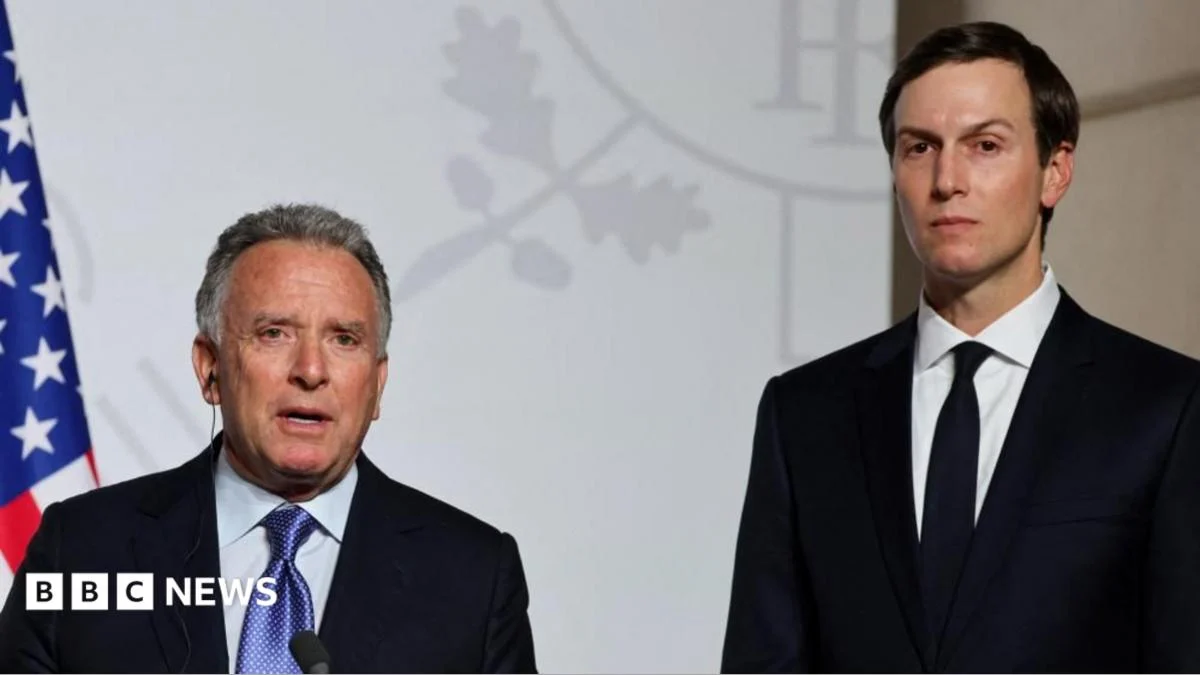
In a significant development underscoring the persistent diplomatic efforts to navigate the protracted conflict in Ukraine, two high-level United States envoys embarked on a crucial visit to Kyiv on Sunday, marking their inaugural trip to the Ukrainian capital since the full-scale invasion by Russia commenced in February 2022. This visit, which follows multiple previous journeys to Moscow by the envoys since the Trump administration’s tenure, signals a renewed focus on direct engagement with Ukraine’s leadership amidst a backdrop of escalating military actions and fragile diplomatic overtures. The Ukrainian delegation, meanwhile, has actively participated in discussions held in the United States over the past eighteen months, a testament to the ongoing dialogue between the two nations.
The timing of this delegation’s arrival in Kyiv is particularly poignant, occurring just hours after Ukrainian President Volodymyr Zelensky reported what he described as "demonstrative" Russian strikes targeting airports in Kyiv and Boryspil overnight. Zelensky articulated a clear connection between these aerial assaults and the anticipated high-level diplomatic exchanges, stating, "Clearly, these Russian strikes on the airports are a reaction to the discussions and preparations for the possibility of the US side using an aircraft to travel to Ukraine and land at Kyiv Airport or Boryspil Airport." This assertion suggests a deliberate attempt by Russia to disrupt or intimidate ahead of the crucial meetings, highlighting the volatile nature of the current geopolitical climate. The closure of Ukrainian airspace since the inception of the full-scale invasion in February 2022 has necessitated extraordinary measures for any international travel to the country, making the US envoys’ ability to land a significant logistical and symbolic achievement.
Underscoring the delicate balance of reciprocal security measures, President Zelensky had, on Friday, pledged to guarantee the safety of Russian airspace during the envoys’ potential visit, implicitly calling upon Moscow to extend similar assurances for Ukrainian airspace. This reciprocal gesture, though met with apparent defiance by Russia’s overnight strikes, reflects a desire on the Ukrainian side to foster an environment conducive to dialogue, even in the face of ongoing hostilities. The grim reality of the conflict, however, was further underscored by Zelensky’s report of an overnight Russian strike on a civilian building in the Dnipro region, which tragically resulted in the deaths of four individuals and left five others injured. This incident serves as a stark reminder of the human cost of the war and the indiscriminate nature of some of the attacks.
The visit of the US envoys, identified as Witkoff and Kushner, to Moscow, which preceded their Kyiv engagement, occurred just over a week after a similarly noteworthy, albeit rare, visit to the Russian capital by the Director of the Central Intelligence Agency (CIA), John Ratcliffe. While official comments from Washington and the Kremlin regarding the substance of these discussions remained conspicuously absent, former President Trump last week characterized the meetings as "semi-routine." This description, however, may downplay the inherent gravity of such high-level engagements during a period of intense international conflict and geopolitical friction. The involvement of figures associated with the Trump administration in these diplomatic overtures suggests a potential parallel track of communication or a distinct approach to conflict resolution.
The broader context of these diplomatic maneuvers reveals a persistent, albeit often faltering, effort to broker an end to the war. Last year, the United States, Ukraine, and Russia had separately indicated that a deal to end the protracted conflict appeared to be inching closer, spurred by a series of talks facilitated by American mediators. These efforts extended to European allies, who convened discussions in Paris. However, these high-stakes negotiations ultimately concluded without any tangible breakthrough. The enduring "key disagreements" between the warring factions, particularly concerning territorial integrity and the provision of security guarantees for Ukraine, remain formidable obstacles to lasting peace. The territorial disputes are deeply rooted in historical claims and current military realities, while security guarantees are essential for Ukraine’s long-term sovereignty and stability, a point repeatedly emphasized by Kyiv and its Western allies.
In recent months, the intensity of aerial attacks by both Russia and Ukraine has notably escalated, reflecting a strategic shift and an intensification of the fighting across various fronts. Ukraine has publicly acknowledged its struggles in repelling these attacks, citing a critical shortage of interceptor missiles as a significant impediment. This deficiency has placed a considerable strain on Ukraine’s air defense capabilities, leaving its cities and infrastructure vulnerable. In response, Kyiv has strategically focused its strikes on Russian economic infrastructure targets, aiming to exert pressure on Moscow’s war-sustaining capacity and its ability to fund the ongoing military operations. This asymmetrical approach to aerial warfare highlights the strategic challenges faced by Ukraine and its reliance on external support for its defense.
The current geopolitical landscape is characterized by a complex interplay of military action and diplomatic engagement, with both sides employing a range of tactics to achieve their objectives. The US envoys’ visit to Kyiv, occurring amidst this volatile environment, represents a critical juncture. It offers an opportunity for direct dialogue with President Zelensky and his administration, allowing for a firsthand assessment of the situation on the ground and a discussion of potential pathways forward. The success of such diplomatic efforts hinges not only on the willingness of the parties to engage but also on their ability to overcome deep-seated mistrust and address the core issues that have fueled the conflict. The international community watches with bated breath, hoping that these diplomatic overtures can eventually lead to a de-escalation of hostilities and a lasting resolution to the ongoing crisis. The underlying complexities of the war, including its historical roots, the strategic interests of the involved parties, and the immense human suffering it has engendered, mean that any potential peace settlement will require immense political will, compromise, and sustained international commitment. The journey from Moscow to Kyiv by these US envoys, therefore, is not merely a logistical feat but a potent symbol of the enduring, albeit challenging, pursuit of peace in a deeply fractured world. The nature of the Russian strikes, seemingly timed to coincide with this diplomatic initiative, underscores the inherent dangers and the high stakes involved in any attempt to de-escalate the conflict. It also serves as a stark reminder of the need for robust security assurances and a commitment to de-escalation from all parties involved, a commitment that has been demonstrably lacking from the Russian side in this instance. The effectiveness of the US envoys’ mission will ultimately be measured by its ability to bridge the divides and foster a genuine dialogue that can pave the way for a more stable and peaceful future for Ukraine and the broader region.
