
 By admin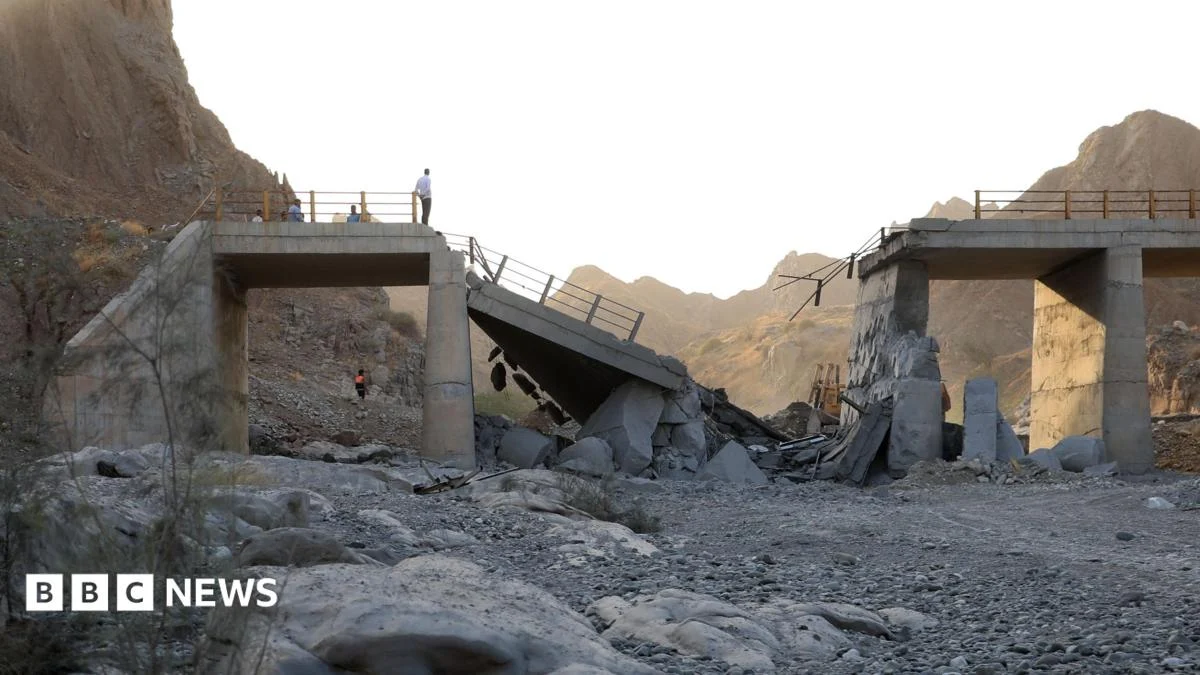
In a significant escalation of hostilities, the United States launched a new series of air strikes against Iran on Saturday night, precisely targeting coastal surveillance and air defense facilities, according to US military officials. The operation, confirmed by US Central Command (Centcom), aimed to degrade Iran’s capacity to threaten maritime traffic and retaliate for a deadly drone attack that claimed the lives of two American service members in Jordan just a day prior. The pre-dawn strikes, which focused on installations believed to be crucial for Iran’s regional military operations, underscore the rapidly deteriorating security situation in the Middle East and the growing direct confrontation between Washington and Tehran.
Centcom’s statement detailed the successful neutralization of key Iranian military capabilities, while Iranian state media corroborated the attacks, reporting that the island of Qeshm, strategically located within the vital Strait of Hormuz, had been struck. This assertion from Iranian sources provides an on-the-ground perspective, suggesting the reach and impact of the US military action. The strikes were explicitly linked by Centcom to Iran’s Revolutionary Guards (IRGC), the powerful paramilitary force accused of orchestrating the Friday attack in Jordan. This deliberate attribution of responsibility signals a clear message from the US: accountability for attacks on American personnel will be met with direct military reprisal.
The IRGC-affiliated Tasnim news agency reported that in response to the US strikes, Iran’s army conducted its own drone attacks on two US bases in Kuwait. This retaliatory move, if confirmed and detailed, indicates a dangerous cycle of tit-for-tat attacks, further raising the stakes in the ongoing conflict. The agency claimed that Iran carried out "large-scale attacks with kamikaze drones" against an American military "depot at Camp Udairi" and another at "Ali Al Salem Air Base in Kuwait." These reported Iranian strikes, occurring on Saturday, demonstrate Tehran’s willingness to project force and retaliate against US assets in the region, transforming Kuwait into a potential new theater of conflict.
The interconnectedness of these events is stark. The US strikes on Saturday night were described by Centcom as being conducted on the "eighth successive night of attacks," suggesting a sustained period of escalating military engagement. These operations were "designed to further degrade Iran’s ability to threaten commercial shipping in the Strait of Hormuz," a critical chokepoint for global oil trade, highlighting the broader implications of the conflict for international commerce and energy security. The dual purpose of the US strikes was also emphasized: "to swiftly punish Islamic Revolutionary Guard Corps forces who launched attacks against American service members in Jordan last night." This direct linkage between the defensive posture in the Strait of Hormuz and the offensive retaliation for the Jordan attack paints a picture of a US strategy that is both preemptive and punitive.
The renewed hostilities have seen both the United States and Iran accuse each other of striking critical infrastructure, a claim that underscores the high stakes and potential for widespread destruction. The situation has devolved rapidly, with Washington reportedly reimposing its blockade of Iranian ports, a move that could cripple Iran’s economy and further inflame regional tensions. Simultaneously, Tehran’s declaration that the Strait of Hormuz is closed, while potentially an overstatement of its capabilities, signals a willingness to disrupt vital shipping lanes. This intense period of conflict has occurred less than a month after the collapse of a preliminary ceasefire agreement, which had offered a brief respite from the escalating tensions. The unraveling of this fragile accord points to the deep-seated animosities and the difficulty in de-escalating the current crisis.
The loss of American lives in Jordan has cast a somber shadow over the escalating conflict. Centcom’s statement earlier on Saturday detailed the tragic loss: "Two US service members in Jordan were killed in action as US Central Command (Centcom) and partner forces defended against Iranian ballistic missile and drone attacks. Additionally, one service member is currently missing." The agonizing uncertainty surrounding the missing service member underscores the human cost of this conflict. Centcom’s commitment to respecting the families’ privacy by withholding further information until next of kin notifications are complete is a standard but solemn protocol in such circumstances.
The gravity of these losses was palpable in the response from US Defense Secretary Pete Hegseth, who posted on X, "Godspeed, heroes. Their sacrifice only stiffens our resolve." This statement reflects a hardening of US determination to respond forcefully to attacks on its personnel and interests, suggesting that any hopes for a swift de-escalation may be fading. The death toll for American service members in the broader conflict has now tragically risen to 16, with the declaration of a missing US Navy pilot as dead marking the second increase in the toll this week alone. This grim statistic underscores the sustained and lethal nature of the ongoing engagement.
The historical context of US-Iran relations is crucial to understanding the current crisis. Washington and Tehran had, in fact, struck a preliminary deal to end the war in June, a development that had offered a glimmer of hope for a peaceful resolution. However, this agreement proved to be short-lived, unraveling within weeks. President Donald Trump’s declaration on July 8th that the agreement was "over" signaled a definitive end to this diplomatic effort and a return to a more confrontational path. The reasons for the collapse of this preliminary ceasefire are multifaceted, likely stemming from a lack of trust, differing interpretations of the agreement’s terms, and the continued actions of proxy groups and state-sponsored entities operating in the region.
The strategic significance of the Strait of Hormuz cannot be overstated. Approximately 30% of the world’s seaborne oil trade passes through this narrow waterway, making it a critical global artery. Any disruption to shipping in this region has immediate and far-reaching consequences for global energy markets, impacting prices and supply chains worldwide. Iran’s ability to threaten commercial shipping, whether through direct action or by leveraging its influence over regional militias, represents a potent tool of asymmetric warfare, allowing it to exert pressure on adversaries without engaging in full-scale conventional conflict. The US efforts to counter these threats, through air strikes and naval presence, are aimed at ensuring the unimpeded flow of commerce and projecting American power in a vital strategic location.
The role of the IRGC in this escalating conflict is central. This elite military force is not only responsible for Iran’s ideological and revolutionary goals but also wields significant economic and political influence within the country. Its extraterritorial operations, often conducted through proxies, have been a persistent source of tension with the United States and its regional allies. The IRGC’s involvement in attacks on US forces in Jordan and its alleged role in threatening shipping in the Strait of Hormuz demonstrate its active participation in the ongoing proxy and direct confrontations. US intelligence and military assessments likely focus on identifying and disrupting the IRGC’s command and control structures, its weapons procurement, and its logistical networks to degrade its operational capabilities.
The involvement of Kuwait as a base for US operations and a target for Iranian retaliation further highlights the regionalization of the conflict. Kuwait hosts significant US military assets and personnel, serving as a crucial staging ground for operations in the Middle East. Iranian drone attacks on these bases, if confirmed, would represent a direct challenge to Kuwait’s sovereignty and a significant escalation of the conflict into a new theater. The strategic implications of such attacks are profound, potentially drawing Kuwait further into the direct confrontation and complicating regional diplomatic efforts.
Expert analysis on the current situation points to a delicate and dangerous balancing act. While the US seeks to deter further Iranian aggression and protect its forces and allies, it also aims to avoid a full-blown regional war. The measured, targeted nature of the US air strikes suggests an attempt to calibrate the response, inflicting damage without triggering an uncontrollable escalation. However, the retaliatory actions by Iran demonstrate that such calibration is difficult to achieve in practice. The risk of miscalculation, accidental escalation, or an uncontrolled response from either side remains a significant concern for international observers and policymakers.
The international community’s reaction to these developments is also a critical factor. The United Nations and key global powers are likely to be calling for restraint and a return to diplomatic channels. However, the deep-seated animosities and the complex web of regional rivalries make such calls challenging to translate into tangible de-escalation. The security of global energy markets, the humanitarian impact of any prolonged conflict, and the potential for further displacement of populations are all pressing concerns that will require concerted international attention.
In conclusion, the recent US air strikes against Iran, coupled with retaliatory actions and the tragic loss of American lives, mark a dangerous intensification of the ongoing conflict. The targeting of critical military infrastructure, the direct attribution of responsibility, and the expanding geographic scope of the attacks underscore the gravity of the situation. As the cycle of violence continues, the world watches with concern, hoping for a de-escalation that seems increasingly elusive, while the potential for wider regional instability looms large. The collapse of the preliminary ceasefire and the hardening of resolve on both sides suggest that the path to peace remains fraught with peril.
