
 By Titik Puspa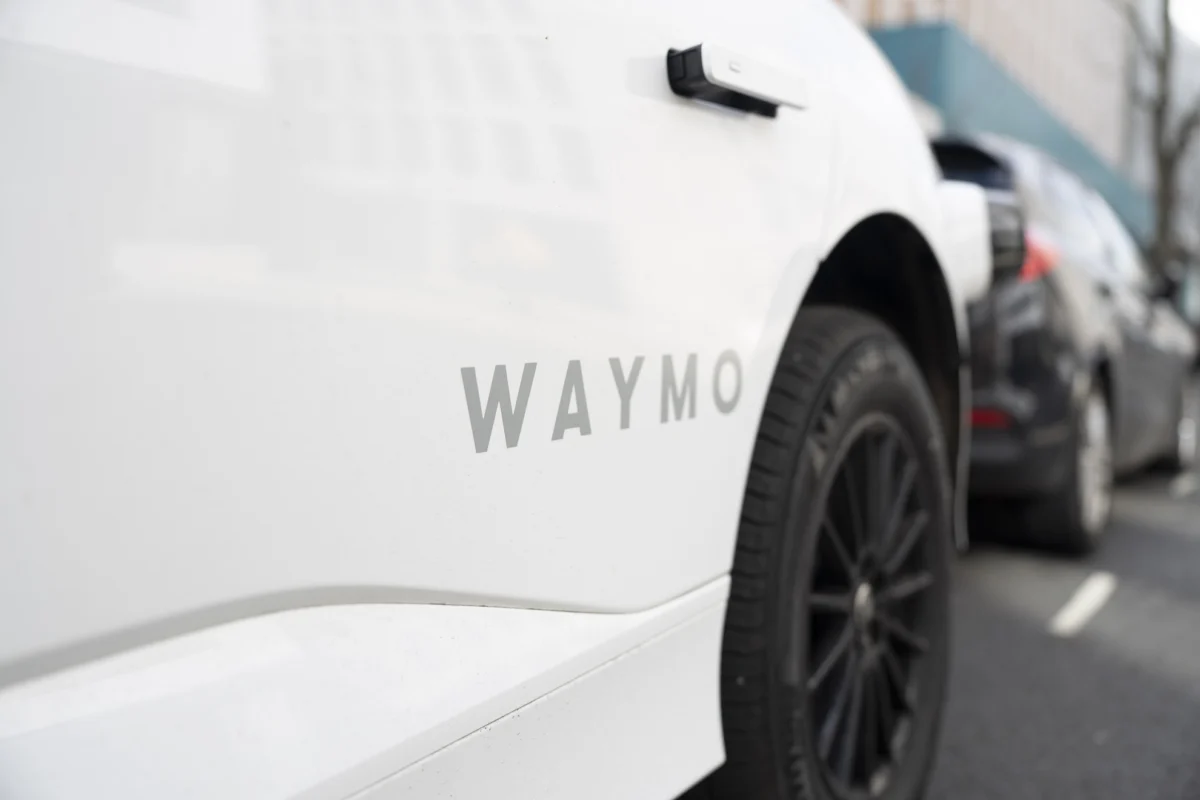
Waymo, the pioneering autonomous vehicle technology company owned by Alphabet Inc., has officially commenced testing its self-driving vehicles on the bustling public roads of London, marking a significant milestone in its strategic expansion and a clear indication of its intent to launch a commercial robotaxi service in the iconic city by the end of this year. This ambitious undertaking represents the culmination of months of meticulous planning and preparation, solidifying London as a key international market for the burgeoning autonomous mobility sector. The company had previously announced its intentions in October, signaling a deliberate and phased approach to entering one of the world’s most complex urban environments.
The initial stages of Waymo’s London operations involved its employees manually navigating the all-electric Jaguar I-Pace vehicles across the city. This crucial phase served the dual purpose of meticulously mapping London’s intricate road network and gathering invaluable real-world data to train and refine the sophisticated AI that powers Waymo’s self-driving system. Currently, these advanced vehicles, equipped with Waymo’s state-of-the-art autonomous technology, are still accompanied by human safety operators. These highly trained specialists remain behind the wheel, ready to intervene if necessary, while meticulously observing and validating the system’s performance in real-time. This cautious approach underscores Waymo’s unwavering commitment to safety and its rigorous methodology for ensuring the reliability of its technology in diverse and challenging driving conditions.
Dmitri Dolgov, Waymo’s co-CEO, articulated the significance of this development in a recent LinkedIn post, highlighting the impressive capabilities of the company’s "core driving AI." He stated, "Autonomous testing now underway with specialists behind the wheel as we master local nuances and validate performance on UK roads – a key step toward rider-only deployment." Dolgov’s remarks underscore the current phase as one of intense learning and adaptation, focusing on understanding and integrating the unique driving characteristics, pedestrian behaviors, and traffic regulations specific to London. The successful generalization of the AI’s capabilities across different environments is a testament to Waymo’s extensive research and development efforts, including its significant investments in simulation and real-world testing across numerous other cities.
Waymo’s commitment to the UK market extends beyond just vehicle testing. In another LinkedIn announcement, the company detailed its substantial investment in the country, which includes the creation of local jobs and the establishment of multiple autonomous vehicle (AV) service centers strategically located throughout London. This localized approach is designed to foster a strong operational presence, ensuring efficient maintenance, support, and deployment of its growing fleet. Furthermore, Waymo revealed that it is actively collaborating with emergency services. This proactive engagement is vital for building trust and ensuring seamless integration with existing public safety infrastructure, a critical step as the company lays the groundwork for expanding its business not only in London but across Europe. This collaborative spirit is indicative of Waymo’s understanding that successful autonomous mobility deployment requires a holistic approach that involves all stakeholders.
Following Waymo’s established operational playbook, the next logical step will involve transitioning to fully driverless testing. This phase will likely see Waymo employees gain access to the robotaxis for internal testing, providing further opportunities to gather feedback and fine-tune the service before it is made available to the general public. The company’s projected launch of its commercial robotaxi service in London in 2026 is contingent upon the U.K. government’s finalization of its regulatory approval process for autonomous vehicle operations. The UK has been actively developing its legal framework for AVs, aiming to foster innovation while ensuring public safety, and Waymo’s progress will be closely watched as this framework solidifies.
Waymo’s connection to the UK automotive and technology landscape is not a new development. The company’s strategic presence in the country was significantly bolstered in 2019 with the acquisition of Latent Logic, a promising UK-based startup that originated from Oxford University’s esteemed computer science department. Latent Logic specialized in a sophisticated form of machine learning known as imitation learning, which is instrumental in creating more realistic and effective simulations for self-driving car development. This acquisition not only brought valuable talent and technology into Waymo’s fold but also led to the establishment of a dedicated Waymo engineering hub in Oxford, further cementing the company’s commitment to leveraging UK expertise.
The scale of Waymo’s ambition is further underscored by the size of its existing fleet. The company has previously disclosed to TechCrunch that it possesses more than 3,000 robotaxis. This figure is supported by documentation filed with the National Highway Traffic and Safety Administration (NHTSA) in January, although it is plausible that this number has already expanded. The addition of new, minivan-like vehicles manufactured by Zeekr, an electric vehicle brand owned by Geely, suggests a continuous growth and diversification of Waymo’s fleet. These vehicles are likely being integrated into its operational plans, potentially for enhanced passenger capacity and comfort.
Currently, Waymo’s commercial robotaxi services are operational in eleven major cities across the United States, including Atlanta, Austin, Los Angeles, Phoenix, and various locations within the San Francisco Bay Area. These existing operations provide a robust foundation and a wealth of operational data that informs Waymo’s expansion strategies. The company is not only focused on London but is also actively testing and preparing for launches in several other promising markets, indicating a global vision for autonomous mobility.
London holds the potential to become Waymo’s inaugural international commercial market. While Waymo is also conducting testing in Tokyo, indicating a broader global outlook, London presents a unique set of challenges and opportunities. The competitive landscape in London is already shaping up to be dynamic. The UK-based autonomous vehicle technology startup, Wayve, in collaboration with Uber, has also announced plans to launch a fully driverless robotaxi service in London. This announcement follows a significant acceleration in the UK’s regulatory approach to autonomous vehicles. Furthermore, Wayve, Uber, and Nissan have entered into a strategic agreement to launch a pilot program in Tokyo by late 2026, highlighting the increasing international cooperation and competition within the autonomous mobility space. This multi-faceted competition underscores the significant potential perceived in these major global cities for the future of transportation.
The development of autonomous vehicle technology and its subsequent deployment on public roads is a complex, multi-faceted endeavor that involves not only technological innovation but also significant regulatory, societal, and economic considerations. Waymo’s entry into London represents a critical juncture, not just for the company, but for the broader adoption of autonomous mobility worldwide. The success of its operations in such a densely populated and historically rich urban environment will serve as a crucial benchmark, influencing public perception, regulatory frameworks, and investment in the sector for years to come. The company’s long-standing expertise, significant fleet size, and methodical approach, coupled with its strategic investments in key international markets like London, position it as a frontrunner in the race to redefine urban transportation. The coming months and years will undoubtedly be pivotal as Waymo navigates the complexities of London’s roads and strives to deliver on its promise of a safer, more efficient, and accessible future of mobility. The collaboration with local authorities, emergency services, and potentially other industry players will be key to navigating the unique challenges and opportunities presented by this landmark expansion.
