
 By admin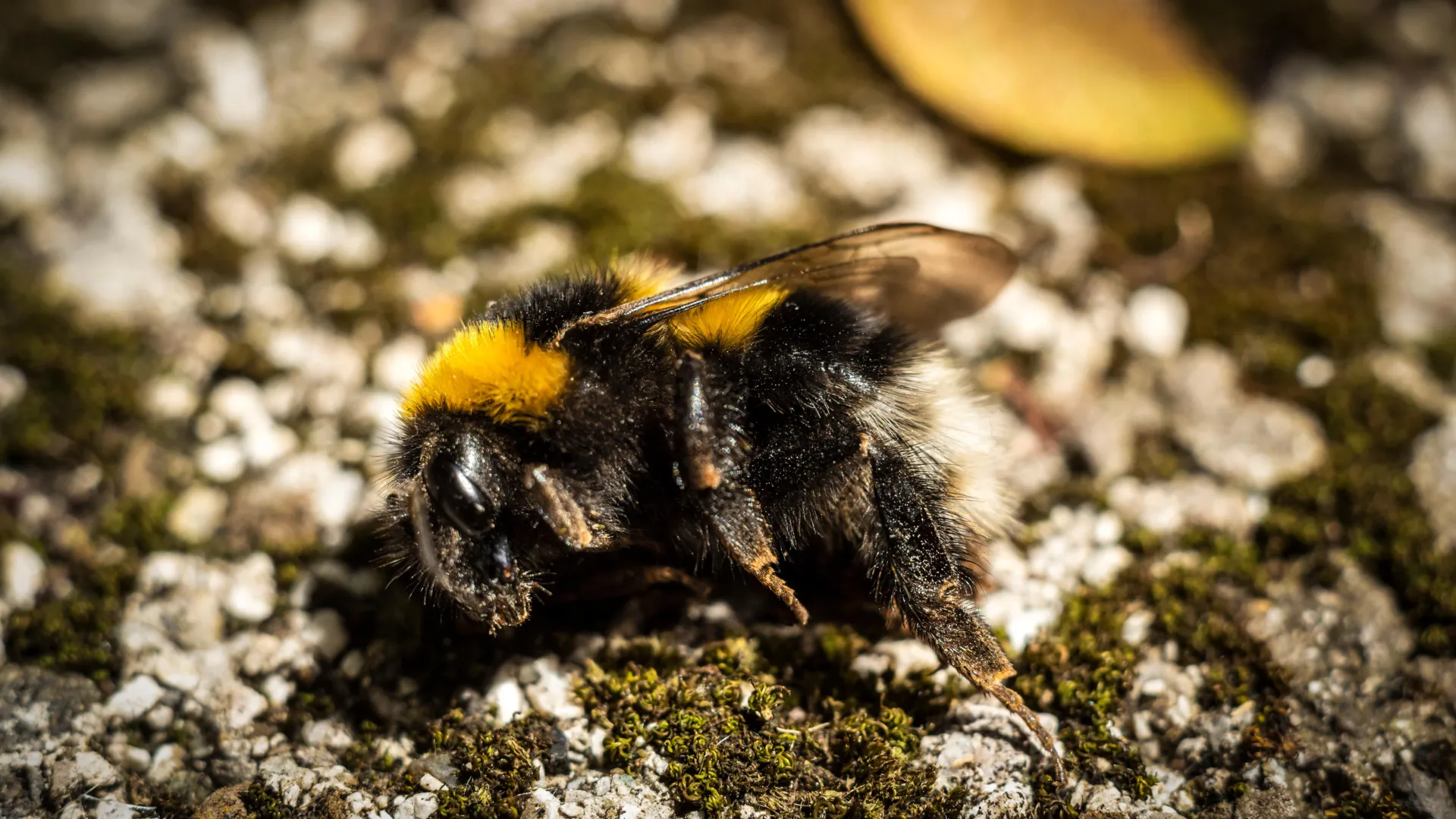
One primary reason for seeing deceased bumblebees is simply the natural conclusion of their life cycle. Bumblebees are social insects, forming colonies that are sustained by highly active worker bees. These diligent workers, predominantly female, undertake strenuous foraging duties, collecting nectar and pollen to provision the hive. Their intense work ethic, however, comes with a relatively short lifespan, typically ranging from a mere four to six weeks. This means that throughout the summer, as new generations of workers emerge, older bees naturally reach the end of their lives. To maintain hygiene and prevent the spread of diseases within the tightly packed colony, healthy young workers will often carry their deceased sisters out of the nest, depositing them a significant distance away. This natural ‘housekeeping’ ritual is an essential survival mechanism for the colony, ensuring its long-term health, but it also explains why you might find individual dead bees rather than an entire collapsed nest.
Beyond the natural cycle, environmental conditions, particularly extreme weather, play an increasingly significant role. The summer months are often characterized by fluctuating temperatures, and recent years have seen an alarming increase in heatwaves. For instance, record-breaking temperatures, such as those experienced in England during June 2026 (the warmest June on record, and the second hottest for the entire UK), are becoming more frequent. These prolonged periods of extreme heat inflict severe thermal stress on bees.
Thermal stress has profound and detrimental effects on bee physiology and behavior. Sustained exposure to high temperatures can alter their developmental pathways, compromise their immune systems, and disrupt critical metabolic processes. This stress threatens the long-term stability of bee populations by directly impacting individual health and reproductive success. Heatwaves severely disrupt reproductive capabilities; queens may lay fewer eggs, and the viability of sperm in drones can be significantly reduced. Furthermore, high temperatures impair flight capacity and their ability to forage efficiently. Bees, like many social insects, employ cooling behaviors to regulate the temperature of their hives, such as fanning their wings at the entrance. However, these mechanisms have limitations, and their effectiveness diminishes rapidly in extreme heat, leading to overheating and exhaustion.
Paradoxically, as temperatures climb, some bee species may initially increase their foraging activity or extend their foraging distances in an attempt to find dwindling resources. While bees possess a remarkable ability to thermoregulate themselves during flight by moving heat around their bodies, continuous exertion in extreme heat can push them beyond their physiological limits, leading to dehydration, exhaustion, and ultimately, death. The cumulative stress from relentless foraging in scorching conditions can lead to their demise far from the hive, often on exposed pavements.
However, not all bee deaths are due to natural causes or climate change. Human activities contribute significantly to the mortality rate of these crucial pollinators.
The Perilous Impact of Pesticides and Herbicides
One of the most insidious threats comes from the widespread use of pesticides and herbicides. These chemical agents directly compromise the fitness of bees, leading to their premature death. Pesticides, designed to eliminate insect pests from crops, ironically harm the very insects responsible for pollinating those crops. The effects are multifaceted:
- Direct Toxicity: Insecticides such as organophosphates, synthetic pyrethroids, and phenylpyrazoles are neurotoxins that can cause paralysis, disorientation, and death. Bees exposed to these chemicals may lose their ability to navigate, becoming unable to return to their colony, or suffer immediate mortality.
- Sublethal Effects: Even at doses that don’t immediately kill, pesticides can have devastating sublethal effects. These include impaired learning and memory, reduced foraging efficiency, decreased immune response, and shortened lifespans, all of which weaken the colony over time.
- Systemic Nature: Neonicotinoids, a class of systemic pesticides, are particularly problematic. These chemicals are absorbed by the plant and present in its pollen and nectar, meaning bees are exposed while foraging. While the EU and the UK have banned the most harmful neonicotinoids, other pesticides are still routinely used, causing significant knock-on effects for pollinators.
- Herbicide-Induced Starvation: Herbicides, while not directly toxic to bees, cause immense harm by eradicating crucial floral resources that bees rely on for food. Dandelions, for example, are often viewed as garden weeds but are, in fact, a massively important early nectar source for bees when other flowers are scarce. Controlling such plants with herbicides effectively starves bee populations, especially in agricultural landscapes and manicured urban areas. This highlights the importance of re-evaluating our relationship with "weeds" and embracing a more nature-friendly approach to gardening and land management.
Pesticide use has historically been identified as a key driver for the catastrophic loss of bee populations, a stark paradox where the very tools meant to boost agricultural output inadvertently undermine its biological foundation.
Habitat Loss and Fragmentation
Another critical issue for bees is the relentless loss and fragmentation of their natural habitats. Rapid land-use change driven by housing developments, intensive agricultural practices, and the expansion of human infrastructure like roads and industrial zones, leaves bees with fewer places to live and feed.
- Loss of Nesting Sites: Many bee species, including ground-nesting bumblebees and solitary bees, require specific undisturbed habitats for nesting. Urbanization and intensive farming destroy these vital nesting grounds.
- Reduced Floral Diversity: Monoculture farming, where vast tracts of land are dedicated to a single crop, drastically reduces the diversity and availability of food sources for bees. Hedgerow removal and the elimination of wild margins further exacerbate this problem.
- Increased Foraging Distances: As habitats become fragmented, bees must travel greater distances to find sufficient food, expending more energy, increasing their exposure to predators and pesticides, and reducing their overall efficiency. Without these diverse and connected habitats, bee populations suffer significantly.
Climate Change: Beyond Just Heat
Climate change manifests in various ways that harm bees beyond just direct thermal stress.
- Phenological Mismatch: One of the most insidious effects is "phenological mismatch." This occurs when two interdependent organisms appear at the wrong time relative to each other. A changing climate alters the cues that plants and insects use to time their life cycles (e.g., temperature for plants, day length for bees). Consequently, plants may flower before bees emerge from hibernation, or conversely, bees may emerge when their primary food sources have already bloomed and faded. This lack of synchronized timing means bees can starve due to a lack of nectar and pollen, and plants suffer from reduced pollination, creating a disaster for both.
- Altered Rainfall Patterns: Changes in precipitation, leading to prolonged droughts or excessive rainfall, can directly impact nectar and pollen production in plants, reducing food availability for bees.
- Increased Extreme Weather Events: More frequent and intense storms can destroy bee nests, wash away foraging bees, or damage flowering plants.
- Spread of Diseases and Parasites: A warming climate can facilitate the spread of bee diseases and parasites to new regions, or increase their virulence in existing areas, further stressing already vulnerable populations.
Bees Under Threat: An Alarming Decline
Insects are the most diverse and abundant group of animals on the planet, yet despite this numerical dominance, they are among the most threatened. We are losing our bees at an alarming rate. In Europe, the number of wild bee species considered at risk of extinction has more than doubled from 77 in 2014 to at least 172 today, representing around 10% of all assessed species. This decline is not just an ecological tragedy; it poses a direct threat to human well-being.
Bees are one of the most diverse insect groups, with over 20,000 known species globally, and likely many more yet to be discovered. They provide indispensable "ecosystem services" – the benefits that nature provides to people. While they contribute to decomposition, pest control, and serve as food for other animals, their most critical service for humanity is the pollination of our crops. Bees support an estimated 75% of global crop pollination and nearly 90% of all flowering plants. The remaining portion is pollinated by other animals, wind, or water. If we continue to lose the food security afforded by our pollinators, the world could face a catastrophic global food crisis, impacting everything from fruits, vegetables, and nuts to coffee and chocolate.
Anything That Can Be Done? Collective Action for Bee Survival
The multifaceted nature of the threats facing bees demands a comprehensive and collective response, involving individuals, communities, and policymakers.
Individual Actions:
-
Be a Thoughtful and Informed Consumer:
- Support Sustainable Agriculture: Prioritize local, sustainably produced food. Seek out farmers who explicitly use nature-friendly practices, which may include organic methods but also broader agroecological approaches that minimize chemical use and promote biodiversity. Understanding how your food is produced and its environmental footprint is key.
- Reduce Chemical Use at Home: As a homeowner, explore non-chemical alternatives for pest and weed control in your garden. If chemical treatments are deemed absolutely necessary, apply them sparingly, precisely, and responsibly, strictly following instructions to minimize harm to beneficial insects and other wildlife. Consider integrated pest management (IPM) strategies that prioritize prevention and non-toxic solutions.
-
Create Bee-Friendly Habitats:
- Plant Native Species: One of the simplest yet most effective ways to address habitat loss is to make room for native flowering species. Native plants are often co-evolved with native bees, providing the most suitable nectar and pollen resources. Aim for a diverse range of species that bloom at different times, ensuring a continuous food supply from early spring to late autumn.
- Embrace "Weeds": Reconsider your definition of a weed. Allow important nectar sources like dandelions, clover, and thistles to flourish in parts of your lawn or garden. Participate in initiatives like "No Mow May" or designate a section of your lawn as a wild patch, letting it grow longer to provide shelter and food.
- Provide Water Sources: Bees need water, especially in hot weather. A shallow dish filled with pebbles or marbles (to provide landing spots and prevent drowning) can be a lifeline.
- Create Nesting Sites: For solitary bees, consider installing bee hotels or leaving undisturbed patches of bare soil or dead wood. For bumblebees, undisturbed grassy areas or old rodent burrows can serve as nesting sites.
-
Help a Struggling Bee:
- Sugary Water Solution: If you spot a bee struggling on a pavement on a hot summer’s day, it might be exhausted or dehydrated. A quick energy boost can revive it. Mix two parts white granulated sugar with one part water (e.g., two teaspoons of sugar in one teaspoon of water). Place a small drop of this solution near the bee’s head. The sugar provides immediate energy, allowing the bee to recover and hopefully fly back to its colony.
- Relocate Safely: If safe to do so, gently move the bee to a nearby flower or a shaded spot away from direct sun and foot traffic. However, exercise caution and do not attempt this if you have allergies or are concerned about being stung.
Broader Societal Actions:
- Advocate for Stronger Policies: Support and advocate for policies that promote stricter pesticide regulations, incentivize agroecological farming practices, and prioritize biodiversity in land-use planning.
- Support Conservation Organizations: Contribute to or volunteer with organizations dedicated to bee conservation and habitat restoration.
- Citizen Science: Participate in citizen science projects that monitor bee populations, helping researchers gather vital data on their distribution and health.
The presence of dead bumblebees on our pavements serves as a poignant reminder of the multifaceted pressures facing these indispensable insects. While some deaths are natural, a significant and growing number are linked to human actions and a rapidly changing climate. By understanding these challenges and implementing a combination of individual and collective efforts, we can work towards creating a healthier environment for bees, ensuring their survival, and safeguarding our planet’s food security and biodiversity for future generations. The fate of the bumblebee, it turns out, is inextricably linked to our own.
