
 By Rifan Muazin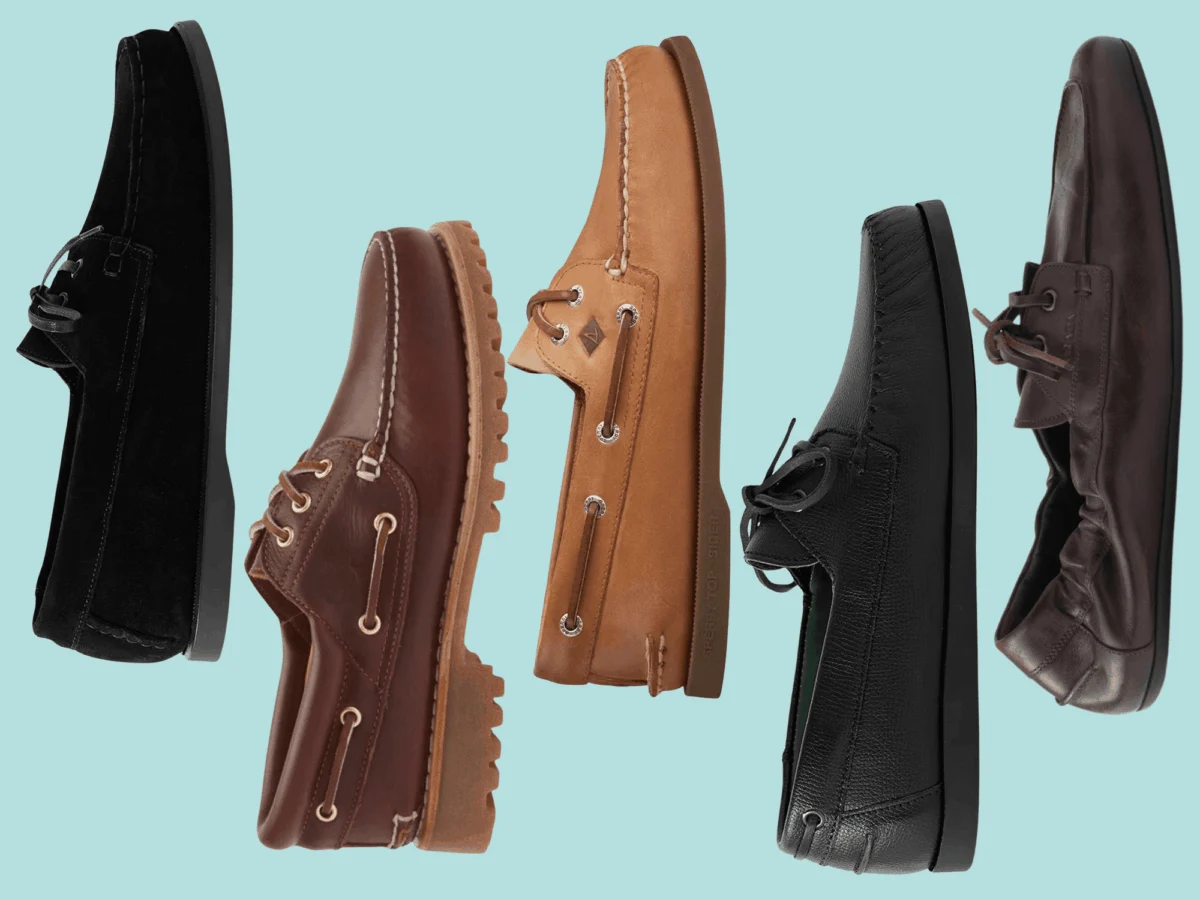
In 2024 and looking toward 2026, the boat shoe has found a level of street credit that eluded it during the "frat-bro" era of the early 2000s. This resurgence is driven by two parallel forces: the avant-garde experimentation of "cool" labels like Saman Amel and Auralee, and the steadfast refinement of heritage brands like Sebago and the original inventor, Sperry. These designers are riffing on the bread-and-butter styles of the past, adding chunky soles, premium Italian suedes, and deconstructed silhouettes that make the shoe feel at home on the streets of Tokyo or Stockholm just as much as on a mahogany deck in Martha’s Vineyard. For the modern consumer, this means a marina’s worth of options exists, ranging from the classic Kennedy-era aesthetic to "upper-deck" alternatives suitable for a swank beachside wedding or a rugged backyard barbecue.

To understand the boat shoe’s current dominance, one must look back to its functional genesis. Any authoritative list of the best boat shoes must pay homage to Paul F. Sperry. In 1935, Sperry, an avid sailor, found himself struggling with the treacherous, slippery decks of his boat. The legend goes that he watched his dog, Prince, run across a frozen pond with startling stability. Upon examining the dog’s paws, he noticed a pattern of microscopic grooves and cracks that provided natural traction. Sperry mimicked this by using a sharp blade to cut thin, herringbone-patterned slits into the rubber soles of his shoes—a process technically known as "siping." This innovation created the first non-slip deck shoe, the Authentic Original, which would eventually become standard-issue gear for the U.S. Navy and a foundational element of American sportswear.
Today, the Sperry Authentic Original 2-Eye Boat Shoe remains the gold standard for value and history. While the modern version stays true to the 1935 blueprint—featuring hand-stitched leather uppers and that essential siped sole—it has been updated for comfort. It is the quintessential "entry-level" boat shoe that carries the weight of a century of heritage. However, for those looking to "upgrade" their maritime footwear, Sebago offers a compelling alternative. Based in Maine, Sebago has long been the choice of the discerning traditionalist. Their Portland model is often cited as having a slight edge over Sperry in terms of construction quality. Using full-grain, unlined leather designed to withstand the corrosive effects of salt spray, Sebago focuses on a refined, hand-stitched finish. It is the shoe you are more likely to see on a stylish grandfather on the Upper East Side—a man who values the patina of aged leather over the flash of a new trend.

For the man who finds the slim, traditional profile of a deck shoe too dainty, the industry has responded with "beefed-up" iterations. Timberland, a brand synonymous with New York grit and rugged construction, has applied its boot-making DNA to the boat shoe silhouette. The Timberland Authentic Boat Shoe features a hefty, lugged sole reminiscent of their famous work boots. Constructed with thick Horween leather—sourced from the legendary Chicago tannery—and finished with rawhide lacing, this shoe is built for durability rather than deck-side agility. It is a "stomp-around" shoe that pairs as well with heavy denim as it does with summer shorts, offering a masculine, ready-for-anything stance that appeals to the "workwear" enthusiast.
The pinnacle of the boat shoe’s evolution, however, is found in the artisanal and designer space. Brands like Yuketen represent a fascinating marriage of L.L. Bean Americana and Louis Vuitton-level craftsmanship. Designed by Yuki Matsuda, Yuketen shoes are made using traditional moccasin construction on lasts from the 1950s. In this method, the leather uppers wrap entirely around the bottom of the foot, creating a soft, sock-like feel that molds to the wearer over time. By placing these traditional uppers on a Cortina lugged sole—originally developed in Italy for scaling the Alps—Yuketen creates a "Franken-shoe" that is both beautiful and aggressively functional.

On the more minimalist end of the spectrum is the Saman Amel City Moc. This shoe has become a cult favorite in the "quiet luxury" movement, frequently selling out as soon as it is restocked. Handmade in Italy, the City Moc strips away the traditional contrast side lacing, resulting in a sleek, monochromatic silhouette that can easily be worn with a tailored suit. At a price point of roughly $670, it is an investment in versatility. Similarly, heritage makers like Quoddy continue to offer made-to-order canoe shoes, allowing customers to choose their own leathers and soles, ensuring a level of personalization that mass-produced brands cannot match.
Styling the boat shoe in the modern era requires a nuanced understanding of context. Traditionally, the boat shoe is the "sneaker of the seas"—a casual, daytime piece of footwear best enjoyed without socks. They are the natural companions to shorts, bathing suits, and linen trousers. When the temperature rises, the boat shoe offers a breathability and ease that leather boots or heavy sneakers lack. However, the modern fashion landscape has expanded the boundaries of where these shoes can go. A suede boat shoe in a dark hue, such as black or deep chocolate, can successfully anchor a summer suit in cotton or seersucker. This is particularly effective for outdoor weddings or "seaside casual" events.

The cardinal rule of boat shoes remains their inherent informality. While they have gained "street cred," they are not intended for black-tie events or high-stakes business environments—unless, of course, your office is located on a yacht. To avoid the "tourist uncle" look, stylists recommend pairing them with modern silhouettes: wide-leg chinos, cropped trousers, or crisp white denim. The goal is to lean into the shoe’s relaxed nature while maintaining a sharp, intentional frame.
When shopping for a great boat shoe, construction and material quality are the most critical factors. Quality leather, such as that provided by the Horween Leather Company, is essential. While thicker leather requires a break-in period and may initially cause some chafing, it will eventually fit the foot like a second skin and last for a decade. Suede options offer immediate comfort but require more maintenance to protect against water damage. Fit is also paramount; because leather stretches, especially when worn without socks in humid conditions, many experts suggest sizing down slightly or ensuring a very snug fit upon initial purchase.

The resurgence of the boat shoe is more than just a nostalgic callback; it is a reflection of a broader shift toward functional, heritage-driven fashion. As consumers move away from "fast fashion" and toward pieces with a story and a soul, the boat shoe stands out as a triumph of American design. Whether it is the $110 Sperry that started it all or the $1,320 Prada "Shuffle" that reimagines the shoe as a wafer-thin fashion statement, the boat shoe has proven its sea-worthiness. It is a shoe that invites the wearer to slow down, step onto the deck (literal or metaphorical), and enjoy the sun. In a world of increasingly complex footwear technology, the simple, hand-stitched moccasin with a grooved rubber sole remains a masterpiece of form meeting function. This season, the boat shoe doesn’t just look good; it looks essential.
