
 By Rifan Muazin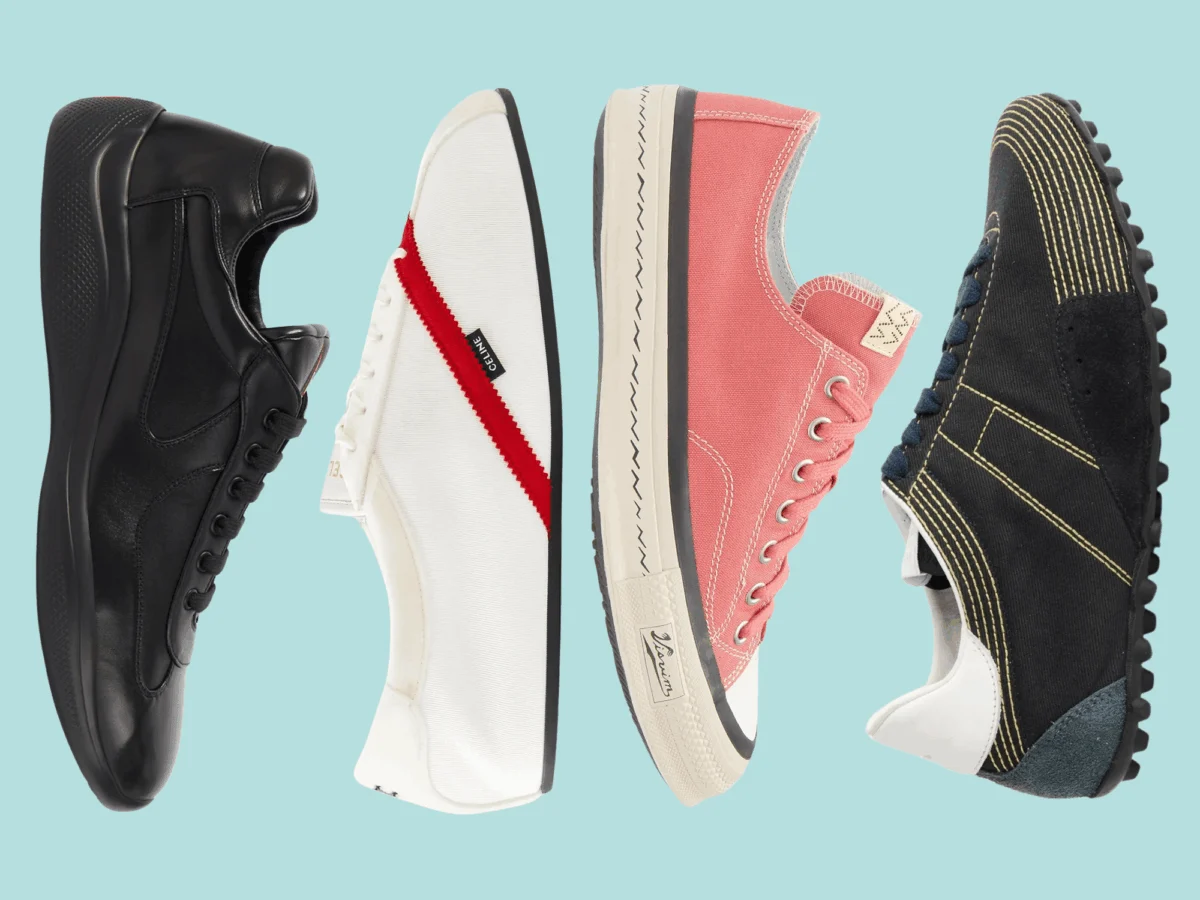
However, this cultural exhaustion is precisely what distinguishes the elite tier of luxury sneaker brands from the transient players. While many labels continue to chase the dragon of befuddling collaborations and neon-soaked maximalism, a select group of designers remains anchored in the foundational principles of premium footwear. These brands focus on what made a luxury sneaker a worthy investment in the first place: the marriage of thoughtful, understated design with elevated materials. These are shoes that carry a level of sophistication far above everyday athletic styles, built with a construction quality intended to last for years rather than a single season.
The strategic simplicity of these elevated sneakers offers a versatile utility that "loud" shoes lack. In a modern professional environment, a clean, high-end sneaker provides an energetic counterpoint to business-casual attire, bridging the gap between traditional oxfords and casual trainers. On the weekend, they integrate seamlessly with premium denim, rugged cargo pants, or tailored shorts. Some even possess the sleekness required to pair with a suit, provided the tailoring is modern and the occasion allows for a contemporary edge. While the price point reflects the caliber of materials like full-grain Italian leather, hand-finished suede, and bespoke rubber outsoles, the cost-per-wear often justifies the initial outlay.
Prada: The Architectural Vanguard
Prada holds a unique position in the sneaker pantheon. While many blue-chip heritage houses are relatively new entrants to the sneaker market, Prada has been a dominant force since the late 1990s. The brand’s seminal contribution, the America’s Cup sneaker, was originally designed for the Luna Rossa sailing team in 1997. It became an accidental icon, blending technical mesh with high-shine patent leather in a way that defined the "tech-luxe" aesthetic for a generation.
Today, Prada’s offering is masterfully bifurcated. On one hand, you have the clean, crisp, and minimally styled shapes that satisfy the "quiet luxury" requirement. On the other, the house continues to push progressive, trend-leading variations like the Montecarlo, Collapse, and Speedrock styles. These models have been instrumental in the industry-wide shift toward slimmer, more aerodynamic silhouettes. Prada’s influence is so pervasive that their designs often spawn a sea of imitators at every price point, but the original remains the gold standard for those who value the intersection of fashion history and futuristic engineering.
Maison Margiela: The Deconstructed Classic
If one were to identify a single shoe that set the benchmark for the modern designer sneaker, it would be the Maison Margiela Replica. Based on the "German Army Trainer" (GAT) of the 1970s, Margiela’s version is a masterclass in the brand’s philosophy of "reproduction." By taking a utilitarian military design and executing it in buttery calfskin and plush suede, Margiela transformed a piece of government-issue equipment into a global symbol of discerning taste.
The Replica is distinctive without being flashy, a rare feat in a logo-driven world. For those looking to expand their rotation, the brand’s newer Sprinter model offers a similar intellectual appeal. It draws inspiration from retro 1980s running shoes, remade in a sophisticated mix of nylon, leather, and suede. These shoes often look like a rare vintage find from a high-end Japanese archive—possessing a pre-aged, lived-in charm that bypasses the sterile look of mass-produced sportswear.
Rick Owens: The Brutalist Minimalist
Rick Owens is often associated with the avant-garde and the "darkwear" subculture, but his footwear is surprisingly grounded in a specific type of grown-up simplicity. His sneaker line is essentially a series of architectural meditations on classic American sports silhouettes. The most famous, the Ramones, is a subversive take on the high-top canvas basketball shoe, reimagined with an exaggerated sole and premium leather construction.
Owens’ sneakers are defined by their monochrome palette and brutalist proportions. They are designed to be "heavy" in presence but streamlined in detail. While they are a natural fit for the designer’s signature drop-crotch shorts and draped layers, they have found a second life among minimalist dressers who pair them with oversized tailored trousers or heavy-duty cargo pants. They offer a way to wear a "statement" shoe that remains anchored in a sophisticated, muted aesthetic.
Dries Van Noten: The Master of Texture and Tone
The departure of Dries Van Noten from his namesake label marked the end of an era, yet the collections continue to resonate with the same playful, intellectual edge that defined his career. Dries sneakers are often the choice of the "man’s man" in fashion—someone who appreciates color and texture over branding.
Currently, the brand’s slimline, low-profile suede lace-ups are defining the menswear zeitgeist. They evoke a nostalgic blend of 1970s indoor soccer shoes and 1990s minimalism. These shoes are particularly effective because they lack the "bulk" that has dominated the market for so long. They are designed to be worn with everything from corduroy trousers to double-breasted suits, offering a soft, tactile alternative to the hard-edged leather of traditional luxury trainers.
Visvim: The "Future Vintage" Philosophy
For two decades, Visvim has been a whispered secret among menswear aficionados. Founded by Hiroki Nakamura, the Japanese brand is obsessed with the concept of "future vintage"—creating products today that will look even better twenty years from now. This artisanal approach is most evident in their footwear, such as the Skagway and Nolan models.
Visvim sneakers are essentially the platonic ideal of classic canvas shoes. However, the difference lies in the details: hand-stitched outsoles, natural vegetable-dyed leathers, and cork insoles that mold to the wearer’s foot over time. There are no gimmicks here, only a fanatical devotion to craft. For the man who wants his sneakers to have the same soul and pedigree as a pair of bespoke Goodyear-welted boots, Visvim is the undisputed choice.
Bottega Veneta: Craft Without Logos
Under the creative direction of Matthieu Blazy, Bottega Veneta has doubled down on its reputation as a house of "extreme craft." The brand has famously eschewed logos in favor of its Intrecciato weave—a technique of interlacing strips of leather that serves as a silent signature.
This dedication to technique is perfectly encapsulated in their footwear. Their slip-on skate shoes, for instance, are not printed with a pattern; they are constructed from interwoven leather strips, creating a texture that is both visually striking and incredibly durable. This summer, the brand’s "Orbit" ballet sneaker has become a breakout success. It represents a move toward ultra-low-profile footwear, offering a sleek, almost athletic silhouette that feels fresh in a market that has been "chunky" for far too long.
Celine: The New Era of Prep
Celine, currently under the direction of Michael Rider, has become the epicenter of the "New Prep" movement. Rider has masterfully transitioned the house from the rock-and-roll aesthetic of his predecessor into something more classically Parisian and academic.
The brand’s grosgrain and leather-trimmed balletic sneakers have become the "it" shoe of the mid-2020s. Seen on style icons ranging from Harry Styles to Role Model, these sneakers represent the ultimate refinement of the low-profile trend. They are shoes that prioritize grace and line over cushioning and tech, signaling a return to a more formal, decorative era of men’s casualwear.
On: The Intersection of Performance and Prestige
The rise of the Swiss brand On is one of the most remarkable business stories in modern footwear. What began as a pure performance running brand has evolved into a symbol of a specific type of modern professional status. Thanks to the involvement of Roger Federer, On has bridged the gap between the tennis court and the boardroom.
While the Cloud 6 remains a staple for the "Davos Man," the brand’s foray into luxury lifestyle shoes—like the Cloudvista and The Roger—shows a keen understanding of futuristic utility. The Cloudvista, with its bold colorways and proprietary "CloudTec" sole, offers a futuristic vibe that pairs perfectly with technical utility wear. Meanwhile, the "Centre Court" models provide a vegan-leather alternative for the man who wants the comfort of a running shoe with the clean lines of a traditional tennis sneaker.
In conclusion, the best "fancy" sneakers of 2026 are defined by their rejection of the temporary. Whether it is the artisanal heritage of Visvim, the architectural subversion of Rick Owens, or the technical elegance of Prada, these brands offer a way to navigate the casualization of the modern wardrobe without sacrificing a sense of occasion. They are an investment in the idea that even the most casual items in a man’s closet should be executed with the same rigor, history, and quality as a Savile Row suit. As the market continues to correct itself away from overhyped designs, these eight labels remain the steady North Star for the well-dressed man.
