
 By Rifan Muazin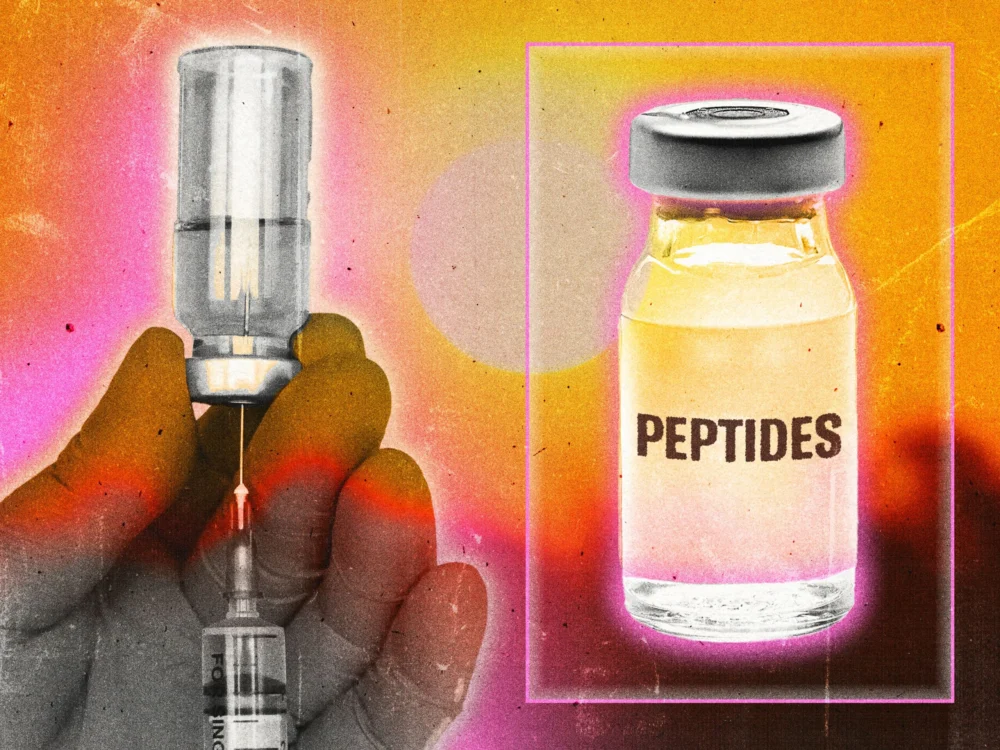
In a move that has sent shockwaves through both the medical establishment and the burgeoning "biohacking" community, Health and Human Services (HHS) Secretary Robert F. Kennedy Jr. recently signaled a radical departure from established federal drug policy. During a high-profile appearance on the Joe Rogan Experience podcast in late February, Kennedy revealed that he is directing the Food and Drug Administration (FDA) to dismantle significant regulatory barriers surrounding a controversial class of compounds known as peptides. Specifically, Kennedy indicated that the agency is preparing to reverse a restrictive 2023 decision that effectively banned compounding pharmacies from producing over a dozen popular peptides, a move that is expected to be formalized in the coming weeks. This policy shift marks a definitive turning point, setting the stage for what enthusiasts are already calling a "hot peptide summer."
To understand the weight of this announcement, one must first understand the regulatory landscape that governed these substances over the last several years. In late 2023, the FDA placed 19 specific peptides onto "Category 2" of the Bulk Drug Substances list. Under Section 503A of the Federal Food, Drug, and Cosmetic Act, substances in Category 2 are those the agency has identified as having "significant safety risks" or lacking sufficient evidence of effectiveness. Once a substance is relegated to Category 2, compounding pharmacies—which create customized medications for individual patients—are prohibited from formulating them. This effectively stripped doctors of their ability to legally prescribe these compounds and forced thousands of patients to either abandon their treatments or turn to a burgeoning, unregulated black market.
Kennedy’s directive seeks to move approximately 14 of these peptides back to Category 1, a designation that allows for compounding while the FDA continues its long-term review. According to the HHS Secretary, the initial ban was a classic example of bureaucratic overreach by the Biden administration. Kennedy argued that many of these compounds have been used safely for years in clinical settings and that the federal government’s intervention served only to limit patient autonomy and drive consumers toward "research chemical" websites where quality control is non-existent. However, the move is not without its detractors, as the fundamental scientific tension remains: while these peptides show immense anecdotal promise, they largely lack the gold-standard, large-scale human clinical trials required for traditional FDA approval.
Peptides are short chains of amino acids, essentially the smaller "cousins" of proteins. In the human body, they act as signaling molecules, telling cells how to behave, when to heal, and how to regulate metabolism. The most famous peptide in history is insulin, a discovery that transformed diabetes from a death sentence into a manageable condition. More recently, the world has been captivated by GLP-1 agonists like semaglutide (Ozempic/Wegovy) and tirzepatide (Mounjaro/Zepbound). These are also peptides, and their success in treating obesity and metabolic dysfunction has created a halo effect for the entire category. If a peptide can melt away body fat, the logic goes, what else can this class of molecules do?
The peptides currently in the regulatory crosshairs are diverse in their functions. Among the most popular is BPC-157, often referred to as the "Wolverine" peptide due to its purported ability to accelerate the healing of tendons, ligaments, and the gastrointestinal tract. Others include TB-500 (Thymosin Beta-4), used for tissue repair and anti-inflammation, and DSIP (Delta Sleep-Inducing Peptide), which users claim can revolutionize circadian rhythm management. While the anecdotal evidence for these compounds is staggering, the scientific community remains cautious. For instance, a recent paper published in the journal Current Reviews in Musculoskeletal Medicine by researchers at the University of Utah highlighted a potential "dark side" to BPC-157. Because the peptide promotes angiogenesis—the growth of new blood vessels—it could theoretically accelerate the growth of undiagnosed tumor cells, effectively "feeding" cancer while it heals a bicep tear.
This "fuck around and find out" reality is precisely what worries medical traditionalists. Without rigorous, multi-phase human trials, the long-term side effects of chronic peptide use remain a black box. "The debate isn’t about whether peptides work," says Sanjiv Lal, chief innovation officer at Beverly Hills Rejuvenation Center. "It’s about which ones have enough evidence and regulatory oversight around them." Lal suggests that the current Wild West environment is a byproduct of a regulatory system that hasn’t kept pace with the speed of biotechnological innovation.
However, many experts argue that the FDA’s previous "Category 2" ban actually stifled the very research needed to prove safety. Dr. Jessica Duncan, a board-certified obesity medicine physician and Chief Medical Officer at Ivim Health, points out that the ban created a catch-22. "By putting these peptides on the category 2 list, it drastically restricted the type of research that could be done," she explains. When a substance is effectively banned from legal compounding, the financial incentive for clinics to track patient outcomes vanishes, and the pool of available data shrinks. By moving them back to Category 1, the FDA would allow these substances to be processed in FDA-inspected facilities, ensuring purity and potency while allowing physicians to collect real-world evidence.
The human cost of the initial ban is also a major factor in the current policy reversal. While peptides are often associated with 45-year-old biohackers trying to reclaim their youth, they are also used by patients with debilitating autoimmune issues, chronic inflammatory conditions, and severe gut dysbiosis. When the FDA restricted access in 2023, these patients were left stranded. "People were already using them and feeling the clinical benefits," says Dr. Duncan. "So when they were no longer able to be manufactured by compounding pharmacies, people found alternative ways of getting those drugs." This led to a massive surge in "gray market" sales, where individuals buy vials labeled "not for human consumption" from overseas laboratories. These products are often contaminated with heavy metals or contain inaccurate dosages, posing a far greater risk to public health than regulated compounding ever did.
Dr. Greg Jones, a board-certified naturopathic physician and medical director at Enovative Wellness Center, sees the potential recategorization as a restoration of the physician’s "toolbox." He notes that peptides like BPC-157 and others are essential for addressing the root causes of inflammation and cognitive decline. "It’s not going to just wipe out this black and gray market," Dr. Jones admits, "but a lot of people are going to shift into getting peptides from the pharmacies and the physicians again, and that’s the best we can hope for."
The cultural shift surrounding peptides is already well underway, fueled by a desire for "optimization" rather than mere "treatment." This trend is reflected in the data. SuppCo, a platform designed for tracking supplement regimens, recently conducted a survey of its users and found that a staggering 88 percent were interested in adding peptides to their daily "stacks." Jordan Glenn, PhD, SuppCo’s head of science, notes that prohibition simply failed to dampen interest. "Regardless of regulatory pathways, people are going to find ways to use these compounds," Glenn says. "The most important thing is that they have avenues to take them safely and responsibly."
As the FDA prepares to roll back these restrictions, the focus will likely shift to education and professional guidance. A return to Category 1 does not mean peptides will be available over-the-counter like vitamins; they remain powerful pharmaceutical agents that require a prescription. The risk of self-administration without medical supervision—particularly with injectable compounds—cannot be overstated. "Peptides require cycling and very specific dosing," Dr. Duncan warns. "It is really important to have that done under physician guidance."
Furthermore, the transition will not happen overnight. Even after the official announcement, compounding pharmacies will need time to source high-quality raw materials and pass rigorous testing protocols. Experts warn consumers to be wary of any provider claiming to have "legal" stock the moment the news breaks. The process of building a safe, transparent, and regulated peptide market will take months, if not years.
Ultimately, the "Great Peptide Pivot" led by RFK Jr. represents a gamble on the future of personalized medicine. It is a move away from the "nanny state" approach to drug regulation and toward a model of informed consent and medical freedom. If the risks are managed and the research is allowed to flourish, peptides could eventually become as commonplace as creatine or magnesium, offering a new frontier for human health and longevity. However, for now, the burden of safety remains on the shoulders of the doctors who prescribe them and the patients who choose to explore this brave new world of molecular signaling. The "Hot Peptide Summer" is coming, but it requires a cool, calculated approach to avoid the pitfalls of unregulated enthusiasm.
