
 By Rifan Muazin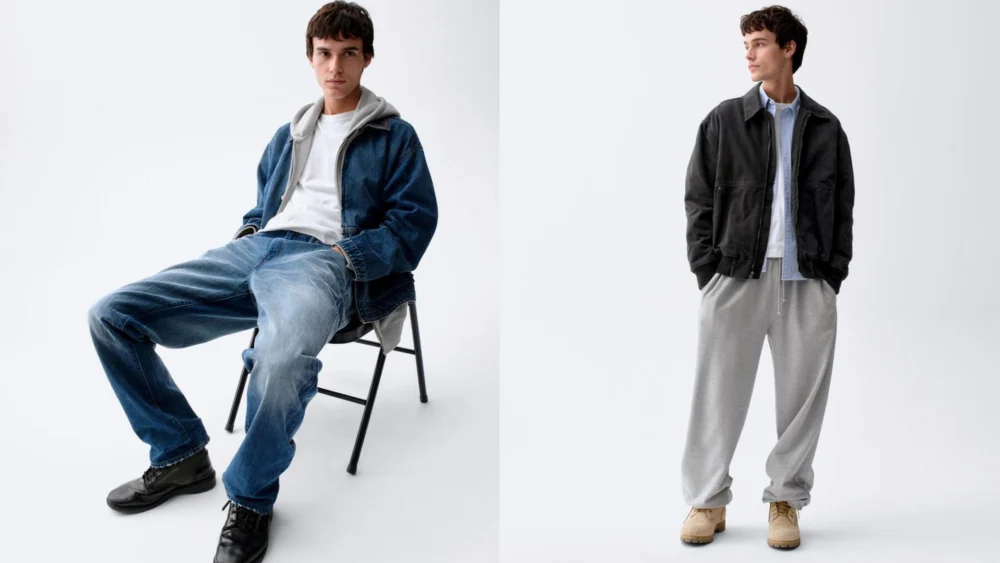
The journey began in my childhood, when my mother dressed me in Gap’s durable basics. It transitioned into my college years, where the brand provided the foundational pieces of my young adult wardrobe. Today, the cycle continues as I send my own son off to school in a pair of their baggy, ’90s-inspired jeans. This multi-generational appeal is a rare feat in the volatile world of retail. While Gap experienced a well-documented, somewhat wobbly stretch during the late aughts and the 2010s—struggling to find its voice amidst the rise of fast-fashion giants and changing consumer habits—it has undeniably found its footing once again. This resurgence is fueled by a broader cultural fascination with nostalgia and the irresistible gravitational pull of that iconic three-letter logo.
The Foundation: Bridging the Generational Gap Since 1969
To understand Gap’s current revival, one must look back to its inception. Founded in San Francisco in 1969 by Donald and Doris Fisher, the brand was built on a deceptively simple premise: selling jeans and records. The name itself was a direct nod to the "generation gap," a defining social phenomenon of the era. The Fishers sought to create a retail experience that appealed to both the rebellious youth of the late sixties and their more traditional parents.
By the 1980s and 90s, Gap had evolved into a global powerhouse, defining the aesthetic of American minimalism. It was the era of the pocket tee, the khaki pant, and the button-down Oxford. These weren’t just clothes; they were the building blocks of a democratic fashion sense. "The peak moments of the brand were defined by clarity," explains Jane Pattinson, Head of Design for Gap. "Gap wasn’t trying to be everything to everyone at all times—it stood firmly for iconic American essentials and let the quality and silhouette of the product speak for itself."
This clarity of vision allowed Gap to dominate the "mall era." Whether it was the famous "Khaki Swing" commercials or Sharon Stone famously wearing a Gap turtleneck to the 1996 Oscars, the brand occupied a unique space where affordability met high-fashion aspirationalism. However, as the 21st century progressed, that clarity blurred. The brand faced stiff competition from "ultra-fast" fashion retailers like Zara and H&M, and later, the explosion of e-commerce. For a decade, Gap seemed caught in a middle-ground identity crisis—too basic for the trend-seekers and too expensive for the budget-conscious.
The Modern Resurgence: Nostalgia Meets Relevance
The turnaround began when Gap started to lean back into its heritage while simultaneously embracing modern cultural movements. The current fashion landscape is heavily influenced by "normcore" and the "quiet luxury" movement, both of which prize the very essentials that Gap perfected decades ago. The brand’s resurgence is perhaps most visible in the return of the iconic logo hoodie. Once a staple of suburban high schools, the three-letter arch logo has become a viral sensation on TikTok and Instagram, embraced by everyone from "cul-de-sac moms" to downtown creative directors.
Noelle Rogers, SVP and General Manager of Merchandising for Gap, notes that the hoodie’s staying power is rooted in its versatility. "When a piece can feel equally at home in a high school hallway, a fashion capital like Paris, or an airport lounge, it moves beyond being a mere product and becomes part of the cultural fabric," Rogers says. The current iterations, such as the Adult VintageSoft Arch Logo Hoodie, maintain the classic aesthetic but utilize updated fabric technology to provide a softer, more premium feel that meets today’s consumer expectations for comfort.
A New Era of Design: The Zac Posen Influence and GapStudio
A pivotal moment in Gap’s recent history was the appointment of acclaimed designer Zac Posen as Creative Director in early 2024. Posen, known for his red-carpet glamour and deep understanding of tailoring, might have seemed like an unconventional choice for a mass-market basics brand. However, his influence has been transformative. Under his direction, Gap introduced "GapStudio," an elevated lens on the brand’s core offerings.
GapStudio focuses on the nuances of proportion, outfitting, and textile quality. It brings a designer’s eye to the everyday. While the main assortment remains affordable and accessible, the influence of GapStudio is evident in the refined silhouettes of new staples. "It sets an aspirational tone that still feels wearable and attainable," Rogers explains. This strategy allows Gap to compete not just on price, but on design integrity.
The "Essential" Inventory: A Deep Dive into the Current Collection
The brand’s current success is built on a "back-to-basics" philosophy that prioritizes high-quality denim, fleece, and tees. Several key pieces stand out as benchmarks for this renewed commitment to excellence:
- The ’90s Loose Fit: As the fashion world moves away from the skinny-jean era, Gap’s ’90s Loose Jeans and Loose Khakis have become best-sellers. These pieces offer a relaxed, effortless silhouette that feels nostalgic yet perfectly aligned with current "baggy" trends. The Heavyweight Twill ’90s Loose Khakis, in particular, provide a substantial heft that mimics vintage workwear.
- The Heavyweight Revolution: Gap has doubled down on its "Heavyweight" line, featuring hoodies and t-shirts with a dense, premium hand-feel. The Adult Heavyweight Oversized Hoodie is a personal standout, offering a boxy fit and a structural integrity that many high-end streetwear brands charge triple for.
- The Type II Denim Jacket: Drawing from historical workwear archives, the Type II Denim Jacket is a masterclass in restraint. It eschews unnecessary branding in favor of classic pleated detailing and a sturdy construction that promises to age beautifully.
- Organic Cotton Basics: The Adult Organic Cotton Pocket T-Shirt remains the gold standard for basic layering. By transitioning to organic cotton, Gap is addressing growing consumer demand for more sustainable manufacturing processes without sacrificing the soft feel that made the shirt a staple in the first place.
- Refined Tailoring: The Relaxed Crop Straight-Hem Oxford Shirt demonstrates the brand’s ability to evolve. By shortening the hem and relaxing the shoulders, Gap has updated a corporate staple into something that feels contemporary and "street-ready."
Cultural Storytelling and Global Reach
Beyond the product, Gap has revitalized its marketing through strategic cultural storytelling. The brand has moved away from traditional television spots in favor of viral digital moments and high-profile collaborations. Recently, Gap made waves by partnering with the Grammy-nominated global girl group Katseye, tapping into the K-pop phenomenon and a younger, more diverse audience.
Furthermore, collaborations with niche fashion darlings like Dôen and Sandy Liang have allowed Gap to borrow "cool-girl" equity while providing those designers with a massive platform. These limited-edition drops often sell out in minutes, proving that the Gap brand still possesses significant heat in the high-fashion world.
"It’s not about recreating a moment from the past," says Jane Pattinson. "It’s about evolving with confidence." This confidence is visible in how the brand allows consumers to interpret the products. Whether it’s a Gen Z creator styling an oversized hoodie with vintage designer pieces or a father buying his son’s first pair of jeans, Gap provides the canvas for individual expression.
The Economic Edge: Affordability in a Premium World
In an era of significant inflation and rising costs in the apparel industry, Gap’s commitment to affordability remains a cornerstone of its identity. By maintaining accessible price points—often ranging from $25 for a premium tee to under $100 for heavy-duty denim—Gap occupies a "sweet spot" in the market. It offers a level of quality that far surpasses budget retailers while remaining significantly more attainable than "premium" lifestyle brands.
This value proposition is critical for a brand that aims to bridge the generational gap. For the parent, it’s a sensible purchase; for the teenager, it’s a stylish choice. This dual-approval is the "secret sauce" that has fueled Gap’s longevity.
Looking Ahead: The Future of an American Icon
As Gap moves further into the 2020s, the challenge will be to maintain this momentum without becoming overly reliant on the nostalgia cycle. The fashion industry is notoriously fickle, and today’s "viral hoodie" can easily become tomorrow’s "clearance rack" item. However, the current leadership seems acutely aware of this trap.
By focusing on "evolving with confidence," Gap is positioning itself as a permanent fixture in the modern wardrobe. It is a brand that understands its history but isn’t a prisoner to it. Whether through the elevated tailoring of Zac Posen, the sustainable shift to organic materials, or the continued dominance of the loose-fit silhouette, Gap is proving that it is more than just a mall brand—it is a foundational element of American style.
I continue to circle back to Gap because, ultimately, the brand offers a sense of reliability that is increasingly rare. In a world of fleeting trends and disposable fashion, there is something deeply comforting about a perfectly weighted hoodie or a pair of jeans that fits just right. Gap has successfully mended the generational gap it set out to bridge in 1969, and in doing so, it has reclaimed its throne as the purveyor of the ultimate American essentials.
