
 By Rifan Muazin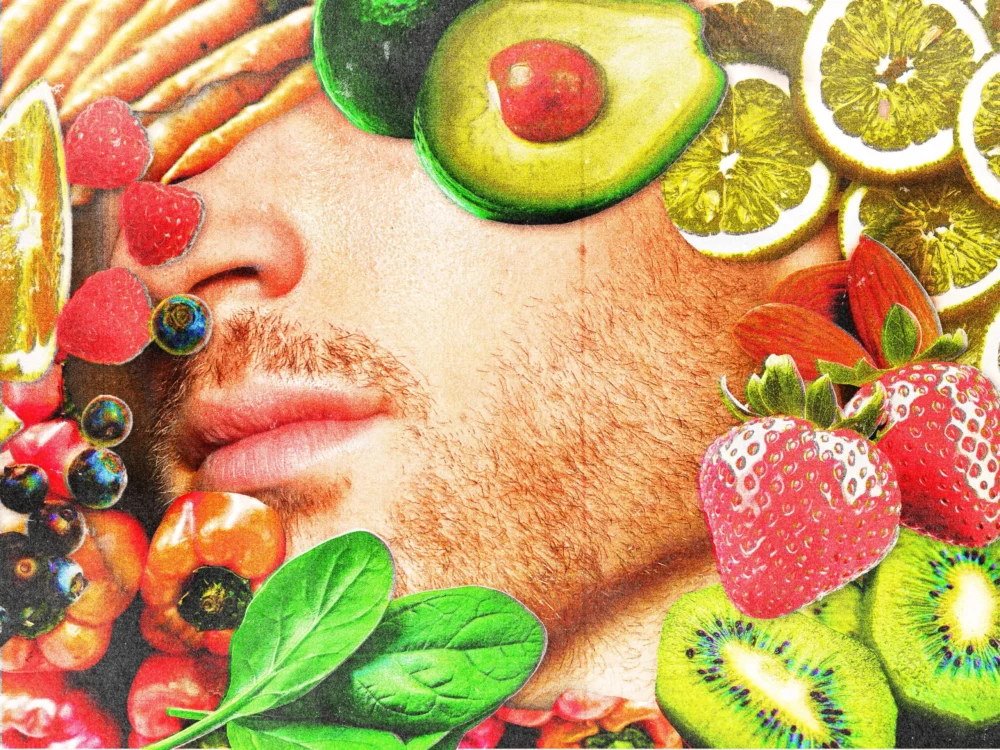
When the quest for a flawless complexion begins, most men and women instinctively reach for the "big guns" of the cosmetic industry: high-potency anti-aging creams, expensive exosome treatments, avant-garde procedures like the salmon sperm facial, and an array of high-tech LED gadgets. However, while topical interventions and clinical procedures have their place in a modern grooming routine, dermatologists and nutritionists are increasingly pointing toward a more fundamental tool for aesthetic transformation: the refrigerator. The emerging field of nutritional dermatology suggests that what we ingest is just as critical as what we apply. Just as chronic sun exposure and harsh environmental pollutants can degrade the skin barrier, our daily dietary choices exert an outsized influence on the skin’s structural integrity, inflammatory response, and overall radiance.
While some individuals appear genetically blessed—able to consume greasy fast food while maintaining an impeccable, poreless glow—most people find that their skin is a sensitive barometer for their internal health. If you have been struggling with persistent dullness, adult acne, or premature fine lines, the solution may not be a new serum, but a strategic overhaul of your grocery list. By understanding the bio-chemical relationship between nutrients and skin cells, you can curate a diet designed to repair, protect, and rejuvenate your complexion from the inside out.
The Foundation of Radiance: Hydration and Collagen Synthesis
To achieve that sought-after "lit-from-within" glow, one must focus on foods that prioritize cellular hydration and the production of structural proteins. VJ Hamilton, a renowned registered nutritionist specializing in autoimmunity and skin health, emphasizes a nutrient-dense approach. "To promote glowing skin, focus on nutrient-rich foods that hydrate, nourish, and protect," Hamilton explains. At the heart of this strategy is Vitamin C. Found in abundance in citrus fruits, red bell peppers, and kiwis, Vitamin C is not merely an antioxidant; it is a critical cofactor for the synthesis of collagen.
Collagen acts as the biological scaffolding of the skin, providing the structural support and elasticity necessary to maintain firmness. Hamilton notes that as the primary protein in the skin’s extracellular matrix, collagen is responsible for repairing tissue damage and minimizing the visibility of fine lines. Without adequate Vitamin C, the body cannot effectively "cross-link" collagen fibers, leading to sagging and a sallow appearance. To maximize intake, Hamilton suggests adding raw red peppers to salads or stir-frys, as heat can sometimes diminish Vitamin C potency.
Beyond Vitamin C, the "glow" factor is heavily influenced by carotenoids. Carrots, sweet potatoes, and pumpkins are rich in beta-carotene, a provitamin that the body converts into Vitamin A (retinol). Beta-carotene acts as a natural internal sun filter, supporting rapid cell turnover and providing a subtle, healthy tint to the skin that mimics a natural tan without the UV damage.
The Power of Healthy Fats and the Avocado Factor
Hydration is not just about drinking water; it is about the skin’s ability to retain that water. This is where healthy fats become indispensable. Shenaz Shariff, a registered nutritionist and founder of The Face and Body Clinic, highlights the avocado as a "heavyweight" ingredient in the dermatological diet. "Avocados contain healthy monounsaturated fats—a dietary fat that is beneficial for both heart and skin health," Shariff says. These fats reinforce the skin’s lipid barrier, preventing transepidermal water loss (TEWL) and keeping the surface supple.
Hamilton agrees, noting that extra virgin olive oil, nuts, and avocados provide the essential fatty acids required to keep the skin "plump." Furthermore, these foods are rich in Vitamin E, a fat-soluble antioxidant that protects cell membranes from oxidative stress. For those looking to integrate these benefits, nutritionists recommend swapping processed spreads for mashed avocado on whole-grain toast or drizzling high-quality olive oil over leafy greens.
Leafy greens like spinach, kale, and Swiss chard serve as a multivitamin for the face. Loaded with Vitamins A and E, these vegetables enhance the skin’s natural renewal cycle. Hamilton suggests blending these greens into morning smoothies or sautéing them with garlic to ensure a consistent intake of the phytonutrients necessary for a vibrant complexion.
Combatting Acne Through Anti-Inflammatory Nutrition
For those dealing with acne-prone skin, the dietary focus shifts toward controlling inflammation and regulating sebum (oil) production. Acne is often an inflammatory response triggered by hormonal fluctuations or gut dysbiosis. Hamilton points out that specific foods can make a "significant difference" in clearing the skin. Antioxidant-rich berries—such as blueberries, strawberries, and cranberries—are essential here. Their high concentrations of Vitamins C and A help the skin heal from existing breakouts while reducing the persistent redness associated with post-inflammatory hyperpigmentation.
Omega-3 fatty acids are perhaps the most potent dietary tool against acne. Found in oily fish like salmon, mackerel, and sardines, Omega-3s work to calm systemic inflammation and regulate the oil-producing sebaceous glands. For those who do not consume fish, chia seeds and flaxseeds offer a plant-based alternative. Hamilton recommends grilling or baking fish to preserve these delicate fats, rather than deep-frying, which can introduce inflammatory trans-fats.
Mineral support is equally vital. Zinc, found in seafood, lean beef, and legumes, plays a starring role in skin repair and hormonal balance. It helps the skin heal more efficiently and can reduce the severity of acne by modulating the body’s inflammatory response. Furthermore, the "gut-skin axis" cannot be ignored. Fermented foods like kimchi, kefir, and probiotic-rich yogurt help balance the microbiome. A healthy gut reduces systemic inflammation, which is often the root cause of "angry," cystic acne.
Repairing Damage and Scarring
When the skin has suffered from a breakout, a sunburn, or environmental exhaustion, it requires specific building blocks for reconstruction. Shenaz Shariff advocates for high-dose Vitamin C from fresh strawberries and bell peppers to facilitate collagen synthesis during the repair phase. "To get the most out of these fruits, I recommend eating them fresh," she notes, as raw consumption ensures the enzymes remain intact.
Protein intake is also a non-negotiable for skin repair. Eggs, lean meats, and legumes provide the amino acids—specifically glycine, proline, and hydroxyproline—that are the literal components of skin tissue. VJ Hamilton also points to the importance of prebiotics. Foods like garlic, onions, and asparagus nourish the beneficial bacteria in the gut, which in turn supports the immune system’s ability to repair the skin barrier and reduce scarring.
Managing Oily and Dry Skin Types
Dietary intervention can even help balance specific skin types. To manage oily skin, Shariff recommends focusing on low-glycemic index (GI) foods. Refined carbohydrates cause insulin spikes, which stimulate the production of androgens and subsequent excess oil. By switching to whole grains like quinoa and brown rice, individuals can stabilize their blood sugar and reduce the "grease" factor. Zinc-heavy foods like pumpkin seeds and chickpeas further assist by controlling sebum production at the source.
Conversely, dry skin requires a focus on moisture retention. "Almonds and flaxseeds are some of my favorite sources of fatty acids that help maintain skin hydration," says Shariff. Vitamin E-rich seeds and nuts protect the skin from the oxidative damage that often leads to a "cracked" or flaky texture. Additionally, increasing water intake by two liters a day is a baseline requirement; adding slices of cucumber or lemon can infuse that water with trace minerals that aid in cellular absorption.
Longevity and the Anti-Aging Diet
As the skin ages, it loses its ability to bounce back, leading to fine lines and a loss of density. To combat "inflammaging"—the age-related increase in systemic inflammation—experts recommend high-flavonoid foods. Dark chocolate with at least 70% cacao is a surprising ally. "It contains flavonoids that improve circulation and skin hydration," Shariff explains. Improved blood flow ensures that oxygen and nutrients reach the dermis more effectively, promoting a youthful volume.
Hamilton also suggests green tea for its polyphenols, which protect against the degradation of collagen. Combined with the beta-carotene from sweet potatoes and the Omega-3s from fish, these foods create a "biological shield" against the external factors that accelerate the aging process.
The "Skin Saboteurs": Foods and Habits to Avoid
While adding "superfoods" is helpful, removing "skin saboteurs" is often more impactful. Amanda Azzopardi, an aesthetic nurse, warns that while everyone’s skin reacts differently, certain universal triggers exist. High-sugar foods, such as pastries and sweets, lead to "glycation"—a process where sugar molecules attach to collagen fibers, making them brittle and prone to breakage.
Dairy is another common trigger, with some studies suggesting that the hormones in milk can exacerbate acne in sensitive individuals. Hamilton also advises against processed foods containing trans-fats and excessive salt. High salt intake leads to water retention and puffiness, while simultaneously dehydrating the skin cells, making the complexion appear dull and tired. Alcohol is perhaps the most immediate "de-glow" agent, causing systemic dehydration and inflammatory redness.
Finally, the way we eat is as important as what we eat. Azzopardi notes that skipping meals can cause blood sugar fluctuations that stress the skin. Hamilton adds that eating late at night disrupts the body’s natural circadian rhythm. The skin performs the bulk of its repair work while we sleep; if the body is busy digesting a heavy, late-night meal, those repair processes are compromised, leading to premature aging and a lack of radiance. Overeating can also spike cortisol levels, the "stress hormone" known to trigger breakouts.
By treating the kitchen as an extension of the bathroom vanity, you can create a sustainable, internal skincare routine. While a cream might sit on the surface, a nutrient-dense diet works at the cellular level, ensuring that the skin you have tomorrow is stronger, brighter, and healthier than the skin you have today.
