
 By Rifan Muazin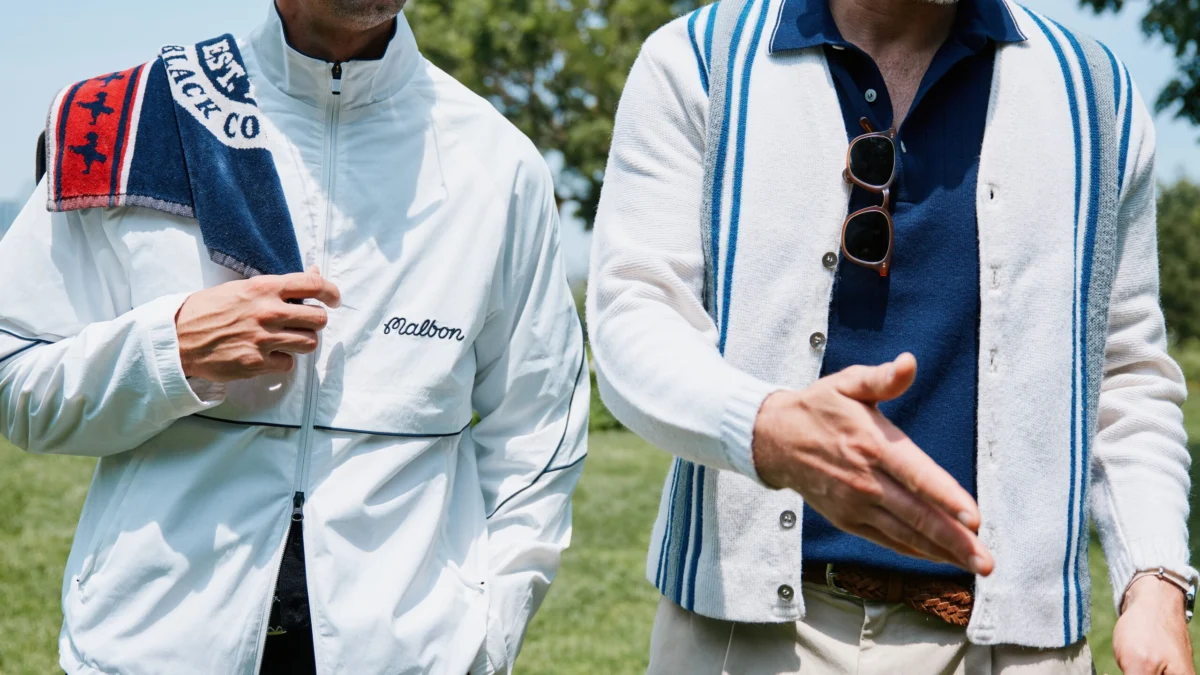
The transformation of golf apparel is rooted in a broader "athleisure" movement, but it has developed its own unique sub-narratives. On one hand, you have the performance giants like Nike and Adidas continuing to push the boundaries of fabric science. On the other, boutique labels like Malbon Golf and Metalwood Studio are treating the golf course like a concrete jungle, infusing streetwear silhouettes into traditional silhouettes. This intersection of high-performance utility and street-ready style has created a "Golden Age" of golf clothing, where a single outfit can seamlessly transition from a 7:00 AM tee time to a 2:00 PM business lunch without missing a beat.
Among the leaders of this movement is Lululemon, a brand that arguably perfected the concept of technical "everyday" wear long before it officially set its sights on the fairway. While the brand does not always market its pieces exclusively for golf, its ABC (Always Be Comfortable) pant technology has become a cult favorite among players. By utilizing Warpstreme fabric, which offers four-way stretch and shape retention, Lululemon solved the age-old problem of restrictive trousers during a swing. Their move into the golf space reflects a larger trend: the "golf-ification" of gym wear. Modern players are opting for the same moisture-wicking, anti-odor, and high-mobility fabrics they wear to the weight room, recognizing that golf is, at its core, an athletic endeavor requiring a full range of motion.
Similarly, Rhone has carved out a significant niche by focusing on the "Commuter" lifestyle. Their Links collection is engineered for the man who values a tailored fit but requires the breathability of a workout shirt. The enrichment of data in this sector shows that the modern male consumer is looking for "versatility-per-dollar." They want a $100 polo that works for a round of 18, a tennis match, and a flight across the country. Rhone’s use of GoldFusion technology—an eco-friendly treatment that uses real gold particles to neutralize odors—is a prime example of the high-tech features now standard in top-tier golf apparel.
The streetwear influence on golf cannot be discussed without highlighting Malbon Golf. Founded by Stephen and Erica Malbon in 2017, the brand acted as a Trojan horse, sneaking "cool" into a sport that had long been synonymous with the "uncool." By collaborating with giants like Nike, New Balance, and even Beats by Dre, Malbon proved that golf could have a lifestyle brand that felt as relevant as Supreme or Stüssy. Their Condor Coolcore pants and bucket hats have become symbols of the "New Guard"—a generation that respects the game but rejects the elitism often associated with it. The Malbon effect has emboldened other brands to experiment with wider cuts, bold graphics, and non-traditional colors like forest green, cream, and safety orange.

In terms of cultural impact, Eastside Golf stands as a beacon of change. Founded by Olajuwon Ajanaku and Earl Cooper, the brand was born out of a desire to make golf more accessible to the Black community and to bridge the gap between "urban" culture and the country club. Their logo—a Black man in jeans and a sweatshirt mid-swing—is a powerful statement in an industry that has historically lacked diversity. Eastside’s signature cardigans and performance polos are staples at major retailers like Nordstrom, signaling a mainstream acceptance of their "Authenticity First" mission. The brand’s success is backed by significant data showing that the number of minority golfers has seen a steady increase since 2020, and their apparel serves as a uniform for this growing community.
For those who lean into the nostalgia of the sport’s golden eras, Bogey Boys, founded by Grammy-winning artist Macklemore, offers a masterclass in 1970s-inspired flair. Macklemore’s personal obsession with the game led to a collection that celebrates the flamboyant styles of Arnold Palmer and Gary Player. Think V-neck baseball jerseys, loud patterns, and a "thrift-shop" aesthetic that prioritizes fun over formality. This retro-renaissance is a direct response to the "sterile" look of the 2010s, where every pro looked like they were wearing the same corporate-sponsored polyester uniform.
Traditionalists have also found a home in the modern era through brands like Peter Millar. Based in North Carolina, Peter Millar has successfully blended the classic "preppy" look with cutting-edge performance fabrics. Their Crown Sport line is a favorite among club pros for its ability to look like high-end luxury cotton while performing like a technical synthetic. Peter Millar also owns G/Fore, a brand that arguably sparked the modern footwear revolution in golf. G/Fore’s colorful gloves and disruptor-style shoes brought a sense of irreverence to the game, proving that you could be a serious player while wearing a neon-pink glove.
On the international front, J.Lindeberg continues to dominate the "Euro-chic" aesthetic. The Swedish brand has long been a pioneer in slim-fit, fashion-forward golf wear. Their racing-inspired aesthetics and bold branding are a far cry from the muted tones of American traditionalism. In 2026, J.Lindeberg is pushing the envelope with compression tops and rain jackets that look like they belong on a Parisian runway. Meanwhile, South Korea’s Khalhon is making waves with "IYKYK" (If You Know You Know) sensibilities, utilizing avant-garde silhouettes and premium fabrics that cater to the hyper-stylish Asian market, which currently leads the world in per-capita golf spending.
Sustainability has also become a non-negotiable pillar for the next generation of brands. Radmor Golf, for instance, is leading the charge against "fast fashion" on the fairways. Recognizing that the majority of golf apparel is made from virgin polyester (a plastic derivative), Radmor focuses on cellulose-based fibers like Pima cotton and Tencel. Their "deadweight" collection emphasizes longevity and environmental stewardship, appealing to the eco-conscious golfer who understands that the sport is fundamentally a celebration of the natural landscape.

As we analyze the technical performance sector, Wilson and Nike remain the heavyweights. Nike’s departure from equipment manufacturing to focus solely on apparel and footwear was a strategic masterstroke, allowing them to lean into the "Tiger Woods" legacy while innovating for the future. The launch of "Sun Day Red," Tiger’s independent brand in partnership with TaylorMade, is perhaps the biggest story in golf style this year. It captures the essence of the GOAT’s competitive spirit, offering high-end, luxury-leaning performance gear that pays homage to his iconic final-round color.
For the modern golfer, the question of "what to wear" is now less about following a rulebook and more about expressing an identity. Whether it is the workwear-inspired cargo pants from Students Golf, the minimalist "quiet luxury" of Quiet Golf, or the technical windbreakers from Macade, the options are limitless. The current trend suggests that the most successful brands are those that offer a "modular" wardrobe—pieces that can be mixed and matched to suit the specific dress code of a private club or the relaxed atmosphere of a public municipal course.
In conclusion, the makeover of golf fashion is a reflection of the sport’s broader democratization. The best golf clothing brands in 2026 are those that respect the integrity of the game while acknowledging that the world outside the clubhouse has changed. We are no longer in an era of "itchy polyester." We are in an era of moisture-wicking cashmere, recycled-plastic windbreakers, and sneakers that provide enough traction for a 300-yard drive but look subtle enough for a dinner date. The game is changing, one polo at a time, and for the first time in history, the most exciting part of golf might just be getting dressed for it.
