
 By Rifan Muazin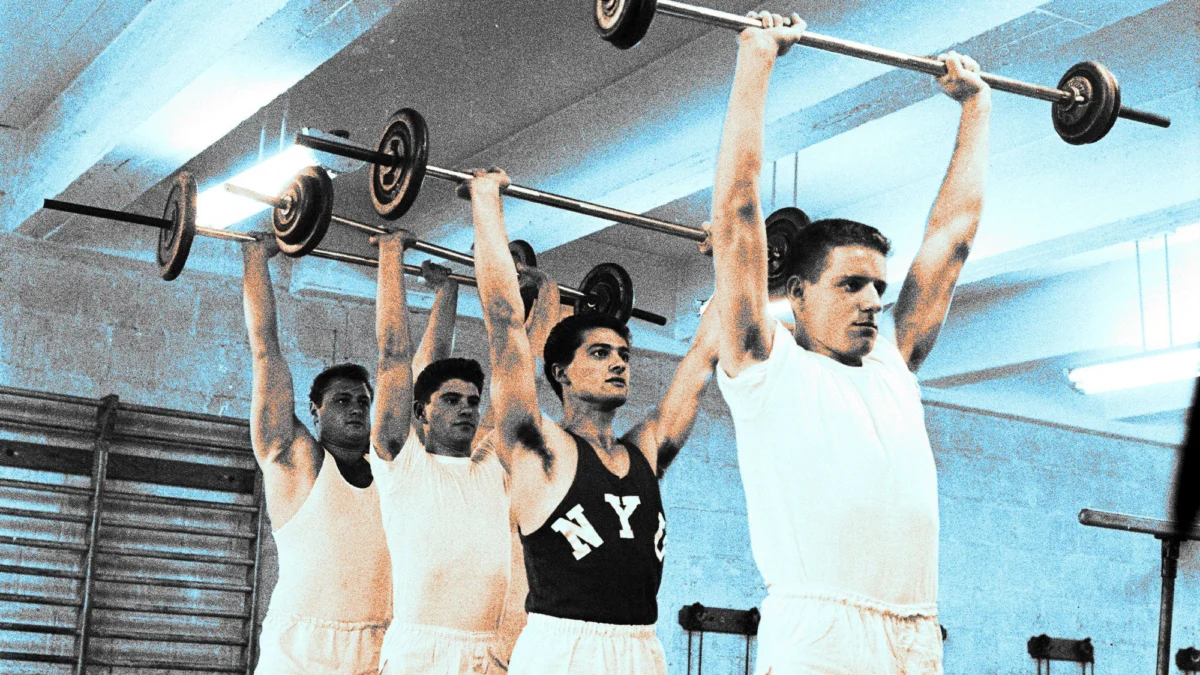
For decades, the public health narrative surrounding exercise was dominated by a single, rhythmic pulse: cardio. The image of the jogger, the cyclist, or the brisk walker became the universal symbol of heart health and vitality. At this point, the benefits of cardiovascular exercise are well-documented and undisputed; a consistent aerobic routine is a proven safeguard for the joints, a primary defense against cardiovascular disease, and a potent tool for managing mental health through the regulation of cortisol and the release of endorphins. However, a significant shift is occurring in the world of sports medicine and longevity science. While cardio remains a vital component of the fitness equation, strength training is increasingly being recognized not just as a supplement to aerobic work, but as a fundamental pillar of human health that is "right up there" in importance.
The evidence supporting resistance training is no longer confined to the niche worlds of bodybuilding or powerlifting; it is now a central focus of major medical journals. The perks of "pressing" and other forms of resistance work are continuing to stack up with remarkable consistency. According to a landmark study published in the British Journal of Sports Medicine, individuals who incorporate some form of strength training into their weekly routine live longer, better lives. The research indicates that just 30 to 60 minutes of muscle-strengthening activity per week is associated with a 10% to 20% lower risk of mortality from all causes, including cardiovascular disease, diabetes, and cancer.
Furthermore, recent clinical trials are debunking the myth that cardio is the only way to protect the heart. In January 2024, the results of a supervised exercise trial involving overweight and obese participants were published in the European Heart Journal. The findings were revelatory: a regimen that paired cardio with strength training was found to be just as effective in staving off cardiovascular disease as cardio-only routines. This suggests a synergistic effect where the metabolic benefits of muscle tissue complement the aerobic efficiency of the heart and lungs. Unfortunately, despite this growing mountain of evidence, a vast majority of the population is failing to reap these life-extending benefits.
The data from the National Center for Health Statistics (NCHS) paints a sobering picture of the current state of American fitness. Their research found that "only 24.2% of adults aged 18 and over met the 2018 Physical Activity Guidelines for Americans for both aerobic and muscle-strengthening activities." These federal guidelines are not particularly radical; they recommend a minimum of 150 to 300 minutes of "moderate-intensity" aerobic exercise or 75 to 150 minutes of "vigorous-intensity" aerobic exercise per week. Critically, they also mandate "muscle-strengthening activities of moderate or greater intensity" that target all major muscle groups—legs, hips, back, abdomen, chest, shoulders, and arms—at least twice a week. In short, nearly three-quarters of the adult population is falling short of the bare minimum required to maintain optimal musculoskeletal and metabolic health.
The barrier to entry is often psychological. For many, the phrase "strength training" still conjures intimidating images of heavy bench presses, bulging pectorals, and the aggressive environment of a traditional "iron paradise" gym. However, the medical community is working hard to rebrand resistance training as a standard component of preventative healthcare. It is no longer just a hobby for the "gym rat" or the coworker who keeps their protein shaker cup visible on every Zoom call; it is a clinical intervention. While a complex, "split" lifting regimen—where different muscle groups are targeted on different days—can feel overwhelming for a beginner, there are numerous accessible pathways to getting the work done. For those who do want to jump straight into the weight room, programs like Starting Strength offer a streamlined approach, focusing on just a few compound barbell movements performed three times a week. But for the average person, the journey doesn’t have to start with a barbell.
To better understand how the average person can bridge this gap, wellness experts like GQ columnist Joe Holder are advocating for a broader definition of what it means to be "strong." One of the most common misconceptions Holder encounters is the conflation of building strength with building muscle mass, also known as hypertrophy. "And that’s really not the same thing," Holder explains. While they are related, strength is primarily a neurological and functional adaptation—it is "the ability for the muscle to produce force." You can increase the force your muscles produce without necessarily increasing the size of your sleeves. This distinction is vital because many people avoid resistance training out of a fear of "bulking up," failing to realize that the primary goal is to prevent the natural decrease in force production that occurs as we age.
Starting a strength journey does not require a "hack" or a shortcut. Instead, it requires efficiency and consistency. For those beginning at home, Holder recommends a focus on bodyweight exercises performed under specific "tempos"—varying the speed of movements like squats and push-ups to increase the time under tension. The foundation of any good program should be the "key movement patterns" that mirror the demands of everyday life: pushing, pulling, squatting, walking, carrying, hinging, and rotating. These movements are the building blocks of human mobility. Exercises such as planks, lunges, and "rucking" (walking with a weighted backpack) can be performed without any specialized equipment. Even the lack of dumbbells is a poor excuse; a sturdy reusable shopping bag filled with canned goods can serve as a perfectly functional adjustable weight for rows or squats.
A balanced program is also essential for long-term health. Holder suggests a simple rule of thumb: try to "pull" twice as much as you "push." In a modern world where we spend hours hunched over keyboards, steering wheels, and smartphones, our anterior (front) muscles often become tight and overactive, while our posterior (back) muscles become weak and overstretched. Focusing on pulling movements—like rows or face pulls—serves as a vital countermeasure to this "desk-jockey" posture. Furthermore, Holder emphasizes "prehab" exercises, which target overlooked but critical areas like the ankles and shoulders to prevent injuries before they occur. This is often paired with mobility work to ensure that strength remains "functional." The goal is to avoid the "muscle-bound" archetype of the bodybuilder who has massive strength but cannot move through a full range of motion.
Progress in strength training is also frequently misunderstood. While the "one-rep-max" (1RM)—the heaviest weight you can lift a single time—is a popular metric on social media, Holder notes that it "isn’t really applicable to everyday life." Instead of chasing a single heavy lift, beginners should focus on the "three-to-five-rep-max" or, better yet, building muscular endurance with higher repetitions while maintaining perfect form. You can progress by slowing down the eccentric (lowering) phase of a push-up or by adding "explosive" power to the upward phase of a squat. These variations in tempo keep the muscles guessing and the mind engaged without the inherent injury risk of constantly adding more plates to a bar.
For those with busy schedules, Holder is a major proponent of the "Exercise Snack." This philosophy challenges the idea that a workout must be a 60-minute ordeal to be effective. A 15-minute window in an apartment is enough to perform a "snack" of five exercises for three sets each. "The exercise snack mindset is ‘I don’t want to lose it,’" Holder says. By performing bodyweight exercises to failure or using light weights for high reps in short bursts, individuals can maintain their strength levels and keep their metabolic rate elevated throughout the day. This approach focuses on three pillars: doing a few sets near failure, moving slowly through full ranges of motion, and practicing the key movement patterns whenever a spare moment arises.
Ultimately, the push for increased strength training in the general population is not about vanity; it is about the biological reality of aging. Modern science increasingly views muscle not just as a tool for movement, but as a "longevity organ." Muscle tissue functions as an endocrine organ, releasing signaling molecules called myokines that communicate with the brain, the liver, and the immune system to regulate inflammation and metabolic health. As we age, we face the looming threat of sarcopenia—the involuntary loss of skeletal muscle mass and strength. This condition is a primary driver of frailty, falls, and a loss of independence in the elderly. By investing in strength training now, individuals are essentially building a "biological retirement fund." The muscle you build in your 30s, 40s, and 50s is the insurance policy that will keep you mobile, capable, and resilient in your 80s and 90s. Strength training, therefore, is less about how you look in the mirror today and more about how you move through the world decades from now.
