
 By admin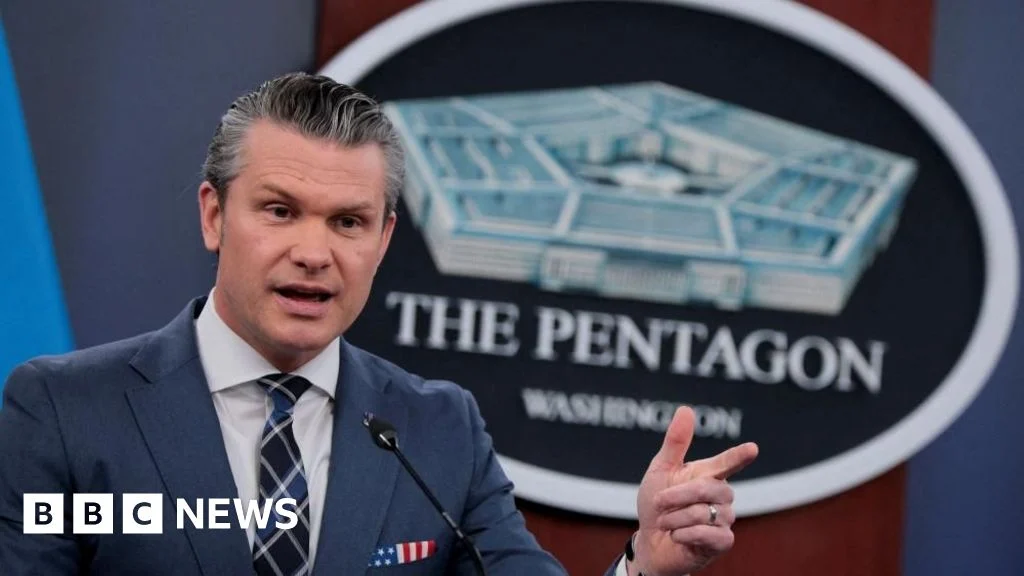
In a significant victory for press freedom, a federal judge has effectively dismantled key provisions of the Department of Defense’s controversial policy governing journalist access to the Pentagon. U.S. District Judge Paul L. Friedman ruled that the policy, enacted in October, fundamentally infringes upon the First and Fifth Amendments of the U.S. Constitution, which protect freedom of speech and due process, respectively. The New York Times, a leading voice in investigative journalism, spearheaded the legal challenge against the department after it imposed stringent controls that severely limited the ability of reporters to gather and disseminate information from within the nation’s military headquarters.
The ruling, while not a complete overhaul, strikes down several of the most egregious restrictions. It halts the requirement for journalists to sign a document agreeing that any gathered information, even if unclassified, must receive prior approval before publication. This stipulation, critics argued, amounted to pre-publication censorship and would have a chilling effect on reporting. The policy also barred reporters who refused to sign from daily access to the Pentagon, effectively creating an echo chamber within the press corps. Consequently, after most major media outlets, including CBS News, ABC News, NBC News, CNN, Fox News, and BBC News, declined to adhere to the new terms, the Pentagon press room became dominated by a smaller contingent of outlets, primarily conservative media organizations like the One America News Network, which had agreed to the policy’s demands.
Judge Friedman’s decision specifically targeted a provision that allowed the Pentagon to bar journalists who "solicit" sensitive information, citing potential security risks. The judge’s scathing critique of this clause underscored the fundamental nature of journalistic work. "To state the obvious, obtaining and attempting to obtain information is what journalists do," Friedman wrote in his ruling. He elaborated, stating that "Under the Policy’s terms, then, essential journalistic practices that the plaintiffs and others engage in every day—such as asking questions of Department employees—could trigger a determination by the Department that a journalist poses a security or safety risk." This aspect of the policy, he found, was so vaguely worded that it failed to provide a reasonable person with adequate notice of what conduct might be deemed a violation, thus undermining due process rights.
Furthermore, Judge Friedman unequivocally rejected the Pentagon’s assertion that access to its building is a "privilege" rather than a "right." He ruled that the department cannot arbitrarily deny access "unreasonably or on the basis of viewpoint," reinforcing the principle that government institutions should not be able to control access based on the perceived leanings or content of reporting. This aspect of the ruling is particularly crucial in safeguarding against potential government overreach in controlling the flow of information to the public.
However, the ruling did not eliminate all restrictions. Judge Friedman did uphold a provision requiring journalists to be escorted when accessing certain areas of the Pentagon, a measure the Department of Defense maintains is necessary for security and operational reasons.
In the immediate aftermath of the ruling, Pentagon spokesman Sean Parnell expressed strong disagreement, stating on X, the social media platform formerly known as Twitter, "We disagree with the decision and are pursuing an immediate appeal." This indicates a continued commitment by the Department of Defense to defend its policy, or at least aspects of it, in higher courts.
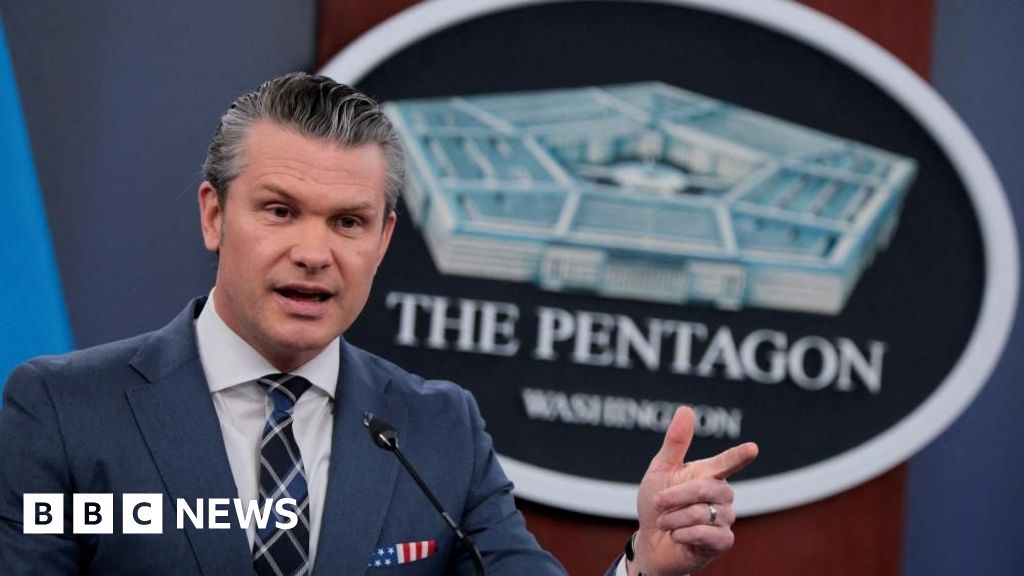
When the policy was initially implemented, the Pentagon defended its actions by claiming it was a necessary measure to protect national security and prevent unauthorized leaks of classified information by Department of Defense employees. The department had also asserted that the policy did not mandate journalists to submit their stories for pre-publication approval. This explanation, however, was met with widespread skepticism from media organizations and press freedom advocates, who viewed the policy as a direct attempt to control and limit independent reporting on sensitive military matters.
The Pentagon Press Association (PPA), a professional body representing the interests of defense reporters, played a pivotal role in challenging the policy. The PPA argued that the restrictions would effectively prevent journalists from speaking with their sources without explicit government permission, thereby undermining the investigative capacity of the press. The BBC’s U.S. partner, CBS News, reported extensively on these concerns. Following Friday’s ruling, the PPA issued a statement to CBS News, expressing profound satisfaction: "We celebrate the decision by a federal judge today that the Pentagon’s press credentialling policy violated the U.S. Constitution." The organization also issued a call for the "immediate reinstatement of the credentials of all PPA members," underscoring the disruption and hardship the policy had imposed on its members.
The implications of this ruling extend far beyond the immediate access to the Pentagon. It represents a critical affirmation of the media’s role as a vital check on government power, particularly within the defense establishment. The ability of journalists to freely gather information, question officials, and report on matters of public interest without undue government interference is a cornerstone of a democratic society. The Pentagon’s policy, as interpreted by Judge Friedman, threatened to erode this essential function by creating an environment where reporting could be stifled by vague regulations and the implicit threat of revoked access.
The context of this legal battle is also important. In an era where access to information and the role of the press are subjects of ongoing debate, this ruling provides a strong legal precedent. The First Amendment, a cornerstone of American liberty, has long been interpreted to protect a broad range of expression and the press’s ability to scrutinize government actions. The Fifth Amendment’s due process clause ensures that individuals are not deprived of life, liberty, or property without fair legal procedures, and Judge Friedman’s finding of vagueness directly addresses this concern in relation to journalistic practices.
The Pentagon’s argument for national security, while a legitimate concern in some contexts, often serves as a rationale for restricting public access to information. The challenge for any government is to balance legitimate security needs with the public’s right to know and the press’s constitutional mandate to inform. In this instance, Judge Friedman found that the Pentagon’s policy overstepped the bounds of that balance, creating an undue burden on journalistic freedoms.
The appeal process will undoubtedly be closely watched. The Department of Defense may seek to modify its policy to address the judge’s concerns while still achieving its stated objectives of preventing leaks and protecting classified information. However, the core findings of Judge Friedman’s ruling—that the policy violated fundamental constitutional rights and was overly vague—will present significant hurdles for any continued attempt to impose such stringent controls on the press.
The outcome of this legal challenge highlights the ongoing tension between governmental authority and the public’s right to access information, especially concerning matters of national defense. It reinforces the judiciary’s role as a safeguard of constitutional liberties and underscores the vital importance of a free and independent press in holding power accountable. The Pentagon Press Association’s celebration of the ruling is a testament to the relief felt by journalists who believe their ability to inform the public was directly threatened by the department’s policy. The demand for immediate reinstatement of credentials further emphasizes the practical impact of the policy on the day-to-day work of defense reporters. This case serves as a stark reminder that the fight for press freedom is a continuous one, requiring vigilance and legal recourse to protect the foundational principles of a democratic society. The Pentagon’s commitment to an appeal signals that this legal saga is far from over, but for now, a significant victory has been secured for the public’s right to be informed.
