
 By Rifan Muazin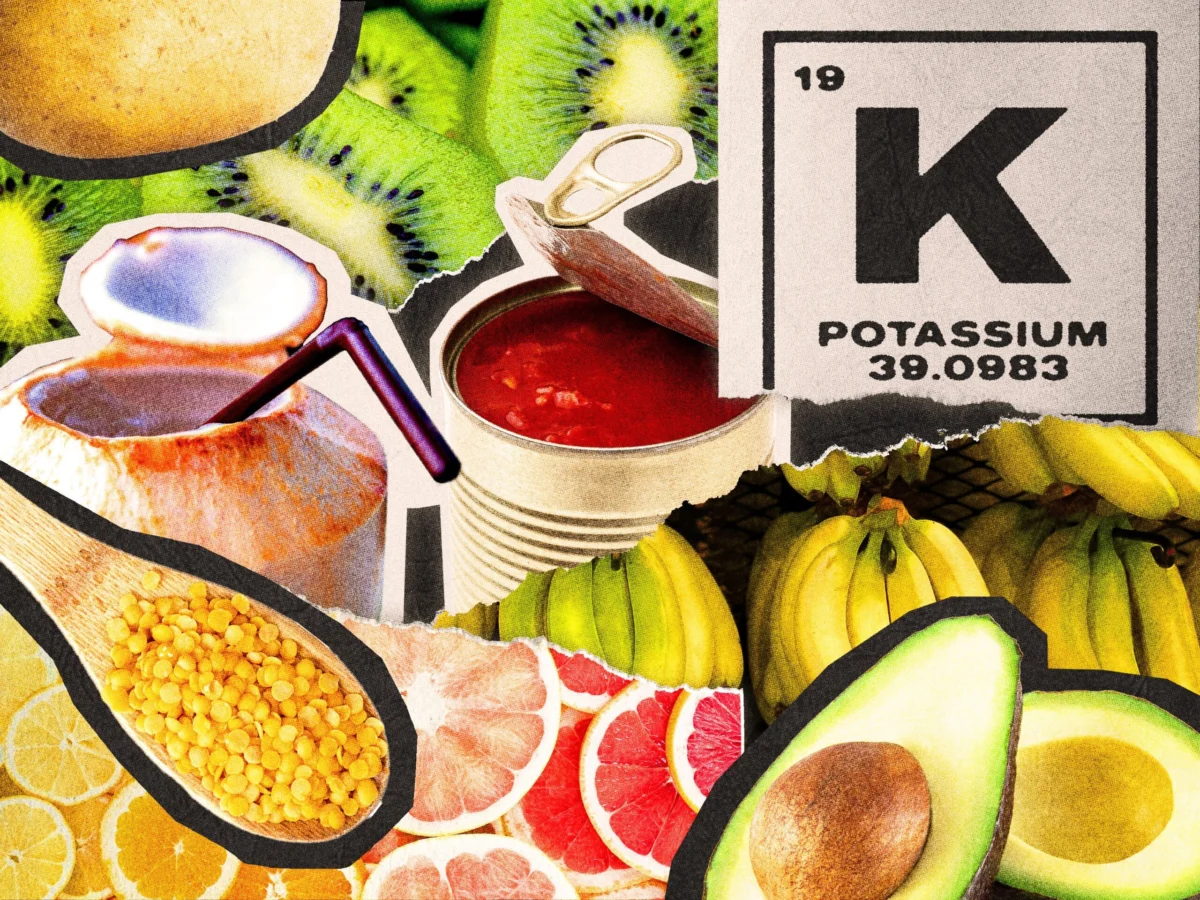
The common nutritional wisdom suggests that as long as you toss a banana into your gym bag once or twice a week, you have successfully checked the box for your daily potassium requirements. However, modern nutritional science and clinical data suggest a much more alarming reality: the vast majority of the population is operating under a significant mineral deficit. Despite the ubiquity of "potassium-rich" marketing, the average person is failing to meet even the baseline physiological needs for this essential electrolyte. According to Jonathan Valdez, RDN, a registered dietitian and owner of Genki Nutrition, the statistics are startling. "Only about 2% of people in the U.S. consume enough potassium," Valdez notes, highlighting a public health gap that has profound implications for cardiovascular health and physical longevity.
Potassium is far more than just a mineral; it is a vital electrolyte that carries a small electrical charge, facilitating the complex communication between cells. Because it is lost through perspiration, it is a critical concern for anyone with an active lifestyle. When you sweat, you aren’t just losing water; you are depleting the chemical stores that allow your muscles to contract and your heart to maintain a steady rhythm. Beyond the gym, potassium acts as a primary regulator for heart health, specifically in the management of systemic blood pressure. While much of the public discourse around hypertension focuses on the dangers of excessive salt intake, the other side of the equation—insufficient potassium—is equally, if not more, dangerous. "Potassium has a strong relationship with sodium to help keep fluid balance in the body," Valdez explains. Without enough potassium to counterbalance sodium, the body struggles to flush out excess fluids, leading to increased pressure on arterial walls.
The stakes for managing this balance are incredibly high. Data from the Centers for Disease Control and Prevention (CDC) indicates that half of all men in the United States currently suffer from high blood pressure. This "silent killer" often operates without overt symptoms for years, leading to the National Institutes of Health (NIH) reporting that one in three people with hypertension are completely unaware of their condition. This lack of awareness makes dietary intervention the first and most effective line of defense. By shifting food choices toward potassium-dense options, individuals can proactively manage their vascular health before clinical intervention becomes a necessity.
To understand why we need this mineral, we must look at the body’s internal mechanics. Chris Gunning, RDN, a clinical nutritionist at Rutgers University, describes potassium as an essential component of the electrolyte team, working alongside sodium, calcium, and magnesium to maintain homeostasis. Gunning points out that potassium is the primary driver of muscle contraction and nerve signaling. It is the chemical trigger that tells your heart to beat and your legs to move. To illustrate its importance, Gunning uses a musical metaphor: "If your body was a rock band, potassium would be the bass player. It may not be front-and-center, but when it’s off, it screws everything up." This "behind-the-scenes" role means that while you might not notice potassium when it’s present, its absence creates a cascade of systemic failures.
For athletes and fitness enthusiasts, the impact of a potassium deficiency is immediate. Dana Angelo White, RDN, a registered dietitian and certified athletic trainer, notes that potassium is the second most plentiful electrolyte lost through sweat, trailing only sodium. "Since so much potassium can be lost through sweat, it’s very important to replenish it," White says. Failure to do so does not just result in a "bad workout"; it leads to tangible physiological setbacks, including acute muscle cramping, persistent weakness, chronic fatigue, and a measurable decline in athletic performance.
Long-term deficiency, however, moves from the realm of performance into the realm of pathology. A landmark 2015 scientific article published in the Transactions of the American Clinical and Climatological Association detailed how a lack of potassium forces the kidneys to retain higher levels of sodium. This retention increases the total volume of fluid in the bloodstream, which in turn spikes blood pressure. This biological mechanism explains why potassium deficiency is a primary marker for cardiovascular risk. Supporting this, a 2025 study in the American Journal of Preventive Cardiology linked chronic potassium insufficiency to a significantly higher risk of developing cardiovascular disease over time.
The National Institutes of Health recommends that adult men aim for 3,400 milligrams of potassium daily. Achieving this number does not require eating a dozen bananas a day; rather, it requires a strategic diversification of the diet. Many people tracking their "macros"—protein, fats, and carbohydrates—often overlook micronutrients like potassium until symptoms of deficiency appear. These red flags include frequent muscle spasms, unexplained lightheadedness, a fluttering or irregular heartbeat, and a sense of lethargy that sleep cannot fix. If these symptoms occur, Gunning suggests increasing the intake of specific whole foods, though he cautions that persistent symptoms require a consultation with a healthcare provider to rule out underlying kidney issues or hormonal imbalances.
To bridge the gap between current intake and the 3,400 mg goal, consumers should focus on these ten powerhouses of potassium:
-
Tomato Paste: Often relegated to a background ingredient, tomato paste is actually a nutritional titan. "If you want to get more potassium, tomato paste is going to be your best friend," says Valdez. A single 6-ounce can contains a staggering 1,724 milligrams of potassium, covering more than half of the daily requirement for men. Because it is a concentrated form of the fruit, it provides a massive dose of nutrients in a small volume, making it easy to incorporate into pasta sauces, stews, or Spanish rice.
-
Lentils: A staple of plant-based diets, lentils are highly recommended by nutritionists for their density. A mere half-cup of cooked lentils provides 949 milligrams of potassium. Beyond the mineral content, lentils offer a "package deal" of health benefits, including high-quality plant protein, digestive fiber, and magnesium. To maximize heart benefits, experts suggest choosing dry lentils or low-sodium canned versions to ensure the potassium-to-sodium ratio remains favorable.
-
Avocado: While famous for its healthy monounsaturated fats, the avocado is also a respectable source of potassium. Roughly half an avocado provides about 420 milligrams. While this is a smaller portion of the daily goal compared to tomato paste, the healthy fats in avocados help the body absorb other fat-soluble vitamins, making it a synergistic addition to any meal.
-
Dried Apricots: This is perhaps the most underrated potassium source on the list. A single cup of dried apricots contains 1,511 milligrams of potassium. Because the water has been removed, the minerals are highly concentrated. They also serve as an excellent source of non-heme iron and fiber, though consumers should be mindful of the natural sugar content.
-
Bananas and Plantains: The banana remains the gold standard for many, providing 375 milligrams of potassium along with quick-digesting carbohydrates that make it a perfect post-workout snack. However, its cousin, the plantain, is often even more potent. Gunning notes that a single serving of plantains offers approximately 396 milligrams, providing a starchy, nutrient-dense alternative for those looking to vary their intake.
-
Citrus Fruits: Oranges and nectarines are often praised for Vitamin C, but they are also essential potassium contributors. A medium orange contains about 232 milligrams. While not as concentrated as legumes or dried fruits, the high water content in citrus helps with the overall hydration necessary for electrolyte balance.
-
Melons: Cantaloupe, honeydew, and watermelon are excellent for summer hydration and potassium replenishment. A serving of cantaloupe provides 157 milligrams of potassium. These fruits are particularly beneficial after outdoor exercise because they replenish both fluid and electrolytes simultaneously.
-
Kiwi: This small fruit punches well above its weight class. A single serving of kiwi delivers 302 milligrams of potassium, alongside a massive dose of Vitamin C and actinidin, an enzyme that aids in protein digestion.
-
Potatoes: Contrary to the "low-carb" trends that demonize them, potatoes are one of the most effective ways to hit potassium targets. A medium white potato contains 450 milligrams, while a sweet potato offers 486 milligrams. Both outrank the banana in total potassium content and provide essential Vitamin B6 and fiber.
-
Coconut Water: For those who prefer to drink their nutrients, coconut water is an unparalleled choice. Often called "nature’s Gatorade," one cup contains 600 milligrams of potassium. It is an ideal recovery drink for those who have engaged in intense, sweat-heavy cardiovascular work.
While supplements and electrolyte drinks are widely available, the consensus among dietitians is clear: food should always come first. Potassium is naturally packaged in plant-based foods with fiber, antioxidants, and other minerals that work together to optimize absorption and heart health. Gunning notes that because potassium is so prevalent in whole grains, dairy, fish, and lean meats, the need for concentrated supplements is rare and usually reserved for specific medical conditions. Over-supplementation can lead to hyperkalemia, which is just as dangerous for the heart as a deficiency.
Ultimately, the path to better heart health and improved physical performance is paved with plants. By moving beyond the occasional banana and integrating these ten nutrient-dense foods into a daily routine, individuals can escape the "2% club" and provide their bodies with the essential "bass player" it needs to keep the rhythm of health moving forward.
