
 By admin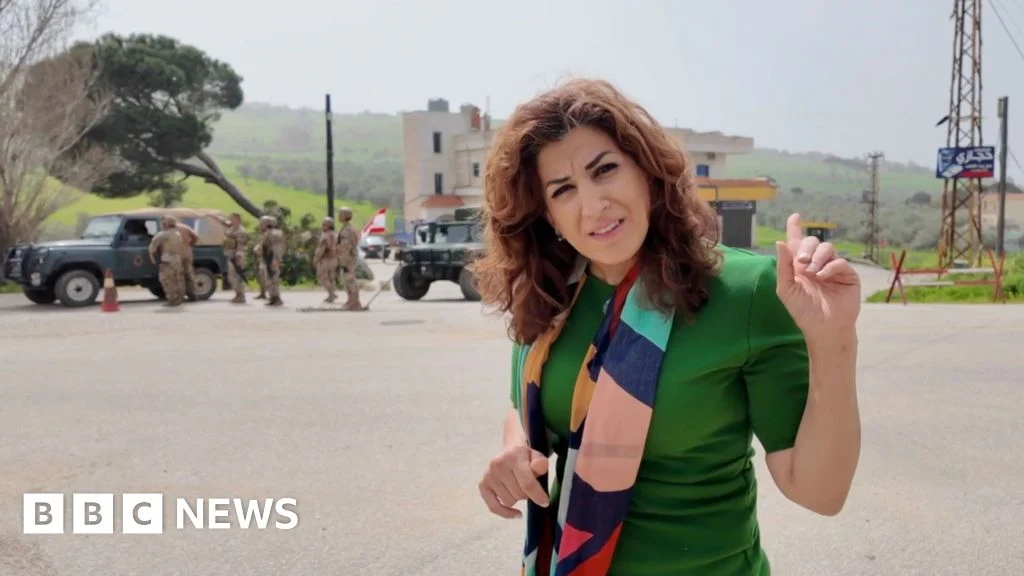
The air in the border town of Khiam, usually a symphony of everyday life, is now punctuated by the unsettling echoes of a recently concluded, yet still palpable, conflict. As the ceasefire between Israel and Hezbollah enters its second day, a tense quiet has descended upon southern Lebanon, a fragile calm that belies the deep-seated anxieties and the complex geopolitical forces at play. Carine Torbey, reporting for BBC Arabic from this strategic frontier, paints a vivid picture of a community grappling with the immediate aftermath of hostilities and the tentative hope for a more enduring peace.
The scene in Khiam is one of stark contrasts. On one hand, the official pronouncements from Lebanese President Joseph Aoun suggest a pivotal moment, a potential turning point where a "temporary ceasefire" might blossom into a "permanent peace settlement." This optimistic outlook, articulated on Friday, signifies a significant shift in official Lebanese discourse, a departure from the cyclical nature of conflict that has defined the region for decades. The President’s declaration, if realized, could mark a watershed moment for a nation that has endured immense suffering and instability.
However, on the ground, the reality is far more complex and, for many residents, fraught with uncertainty. The Lebanese army has erected a barrier, a visible symbol of both control and caution, preventing civilians from returning to their homes in Khiam. This measure, while ostensibly for safety, underscores the lingering dangers and the unresolved issues that continue to simmer beneath the surface of this enforced tranquility. The reason for this restriction is chillingly clear: loud explosions continue to be heard in towns situated in areas that remain, at least partially, under Israeli occupation. These residual sounds of conflict serve as a stark reminder that the ceasefire, while holding, is not yet a complete cessation of hostilities. The "partly under Israeli occupation" phrasing is critical, hinting at the territorial disputes and ongoing military presence that are central to the enduring tensions in the region.
The context of this ceasefire is crucial to understanding the current atmosphere. For years, the border region between Lebanon and Israel has been a tinderbox, characterized by intermittent clashes, rocket attacks, and Israeli military incursions. Hezbollah, a powerful Shiite political party and militant group in Lebanon, has historically been a formidable adversary to Israel, viewing its military actions as a necessary response to Israeli occupation of Lebanese territories and a defense of the Lebanese nation. Israel, in turn, cites security concerns and the threat posed by Hezbollah’s arsenal as justification for its own military operations. The current ceasefire, therefore, is not an isolated event but rather a pause in a protracted and deeply entrenched conflict, influenced by a confluence of regional and international dynamics.
The specific triggers for the recent escalation, which led to this current ceasefire, are likely multifaceted. While the article doesn’t explicitly detail them, historical patterns suggest a complex interplay of factors, including cross-border incidents, alleged Israeli strikes within Lebanon, and retaliatory actions by Hezbollah. The strategic importance of southern Lebanon, with its proximity to Israel and its role as a potential staging ground for operations, further amplifies the stakes. Understanding the specific grievances and military objectives of both sides during the recent conflict would provide deeper insight into the fragility of the current truce.
The presence of the Lebanese army at the Khiam barrier speaks to the delicate balance of power and the need for order in the immediate post-conflict period. The Lebanese state, while attempting to assert its authority and manage the return of its citizens, is also navigating a complex relationship with Hezbollah, which maintains significant influence in the south. The army’s role is likely to be one of de-escalation, monitoring the border, and ensuring that the ceasefire holds, while also potentially acting as a buffer between Israeli forces and the Lebanese population.
The explosions heard in occupied territories are a significant detail. They suggest that either the ceasefire is not universally adhered to by all actors involved, or that residual military activity, such as the clearing of ordnance or targeted strikes by one side against remaining threats, is still occurring. This raises questions about the enforcement mechanisms of the ceasefire and the extent of the understanding reached between Israel and Hezbollah. Are these isolated incidents, or do they indicate a breakdown in communication or a deliberate violation of the truce? The implications for the long-term prospects of peace are substantial.
President Aoun’s declaration of a "new phase" is a bold statement. It implies a strategic shift in Lebanon’s approach to the conflict, moving beyond a reactive stance to one that actively seeks a lasting resolution. This could be driven by a number of factors, including the devastating economic impact of prolonged conflict on Lebanon, the desire for international support and reconstruction, and perhaps a recognition that the current cycle of violence is unsustainable. However, the path from a temporary ceasefire to permanent peace is notoriously arduous, especially in a region with such deep historical grievances and unresolved territorial disputes.
Expert analysis from regional security analysts and political scientists would be invaluable in contextualizing President Aoun’s statement. What are the internal and external pressures that might be driving this push for peace? Are there any diplomatic initiatives underway, perhaps brokered by international actors, that are providing a framework for such a transition? The involvement of countries like the United States, European nations, or regional powers such as Qatar and Egypt could be significant in facilitating dialogue and de-escalation.
Furthermore, the term "permanent peace settlement" raises questions about the specific terms envisioned. Would this involve a formal peace treaty, a long-term armistice agreement, or a more comprehensive resolution of the underlying issues, such as the disputed Shebaa Farms and the status of Palestinian refugees in Lebanon? Without a clear understanding of these potential frameworks, the optimism surrounding the ceasefire remains largely aspirational.
The economic and social toll of the conflict on southern Lebanon cannot be overstated. Years of instability have crippled local economies, displaced communities, and left a legacy of trauma. The prospect of return for residents of Khiam, if it can be safely facilitated, would be a welcome development, but the challenges of rebuilding shattered infrastructure and livelihoods would be immense. International aid and investment would be crucial for any genuine recovery and for fostering an environment conducive to lasting peace.
The role of Hezbollah in this equation is central. The group’s military capabilities and political influence are significant factors that Israel and the international community must contend with. Any lasting peace settlement would inevitably require some form of understanding or agreement with Hezbollah, or at least a significant reduction in its capacity to engage in conflict. The internal dynamics within Lebanon, including the complex sectarian landscape and the varying political agendas of different factions, also play a crucial role in shaping the country’s approach to regional security.
The international community’s involvement, or lack thereof, will also be a critical determinant of the ceasefire’s longevity and the potential for a lasting peace. UN peacekeeping forces, such as UNIFIL (United Nations Interim Force in Lebanon), have played a role in monitoring the border and de-escalating tensions. However, their effectiveness is often constrained by their mandate and the political will of the parties involved. A more robust international diplomatic effort, focused on addressing the root causes of the conflict and providing incentives for peace, might be necessary to move beyond temporary lulls in violence.
The continued explosions in occupied territories, as reported by Torbey, are a stark reminder that the "peace" is still very much a work in progress. They highlight the potential for spoilers, either state or non-state actors, who may seek to derail any efforts towards de-escalation. Understanding the source and nature of these explosions is paramount for assessing the true stability of the current situation. Are they deliberate provocations, or are they remnants of the recent conflict?
In conclusion, the second day of the ceasefire in southern Lebanon finds Khiam and its surrounding communities in a state of cautious anticipation. While the Lebanese President’s words offer a glimmer of hope for a more permanent peace, the reality on the ground, marked by continued military activity in occupied zones and restrictions on civilian return, paints a more nuanced picture. The journey from this fragile truce to a lasting settlement will undoubtedly be fraught with challenges, requiring sustained diplomatic engagement, a commitment to addressing the underlying causes of the conflict, and a concerted effort from all parties involved to build a future free from the specter of war. The eyes of the region, and indeed the world, will be watching closely to see if this momentary quiet can indeed pave the way for a more profound and enduring peace.
