
 By admin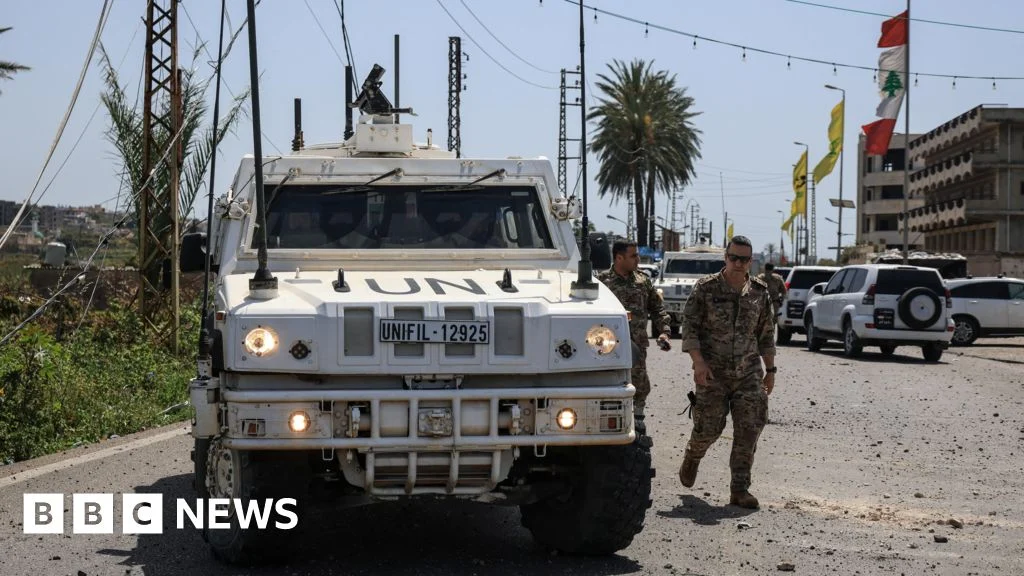
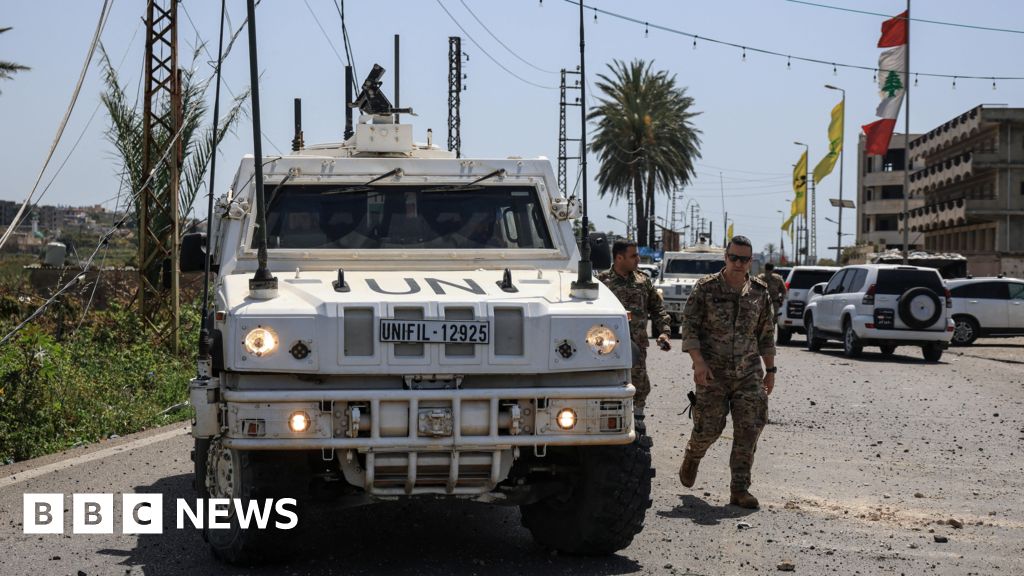
A devastating act of violence has shattered the fragile peace in southern Lebanon, claiming the life of a French peacekeeper and leaving three others injured, two critically, after their United Nations Interim Force in Lebanon (UNIFIL) patrol came under direct small-arms fire. The incident, unequivocally described by officials as a deliberate attack, has ignited a firestorm of international condemnation and amplified concerns over the escalating risks faced by peacekeepers operating in a region rife with heightened tensions.
The deceased soldier, whose identity has not yet been officially released but is understood to be a member of the French contingent within UNIFIL, was serving with the multinational peacekeeping force tasked with maintaining stability in southern Lebanon. The UN confirmed the tragic loss and the injuries sustained by his comrades, emphasizing the severity of the wounds that required immediate and specialized medical attention. Two of the injured peacekeepers were airlifted to Beirut for advanced treatment, while the third received care for moderate injuries within southern Lebanon.
French President Emmanuel Macron was quick to voice his outrage, directly attributing responsibility for the attack to the powerful Iran-backed militant group Hezbollah. In a stern statement, Macron declared, "Everything suggests that responsibility for this attack lies with Hezbollah. France demands that the Lebanese authorities immediately arrest the perpetrators and take their responsibilities alongside Unifil." This direct accusation underscores the gravity of the situation and the deep-seated suspicions surrounding Hezbollah’s role in regional instability.
However, Hezbollah vehemently denied any involvement in the incident. A statement released by the group dismissed the accusations as "rushed" and "baseless," urging caution in assigning blame until a thorough investigation by the Lebanese army could be completed. The group called for "caution in making judgements and assigning blame regarding the incident, pending the Lebanese army’s investigation to determine the full circumstances," and emphasized the need for continued coordination between UNIFIL and the Lebanese army amidst these "delicate circumstances."
The attack occurred against a backdrop of intensifying conflict between Hezbollah and Israel, which has seen a significant escalation since March 2nd. The presence of UNIFIL peacekeepers, intended to foster a stable environment, has become increasingly perilous as the cross-border hostilities have intensified, leading to a surge in risks for personnel on the ground. The patrol was reportedly engaged in clearing explosive ordnance along a road in the village of Ghanduriyah, an essential task aimed at reopening access to isolated UNIFIL positions that had been cut off by the recent fighting.
France’s Minister of Armed Forces, Catherine Vautrin, provided further details, explaining that the fallen peacekeeper was part of a mission to re-establish access to a UNIFIL post. He was ambushed at "very close range" by an armed group and was "hit immediately by a direct shot from a small arms weapon." Despite the valiant efforts of his fellow soldiers to pull him to safety and attempt resuscitation, he succumbed to his injuries.
A spokesperson for UN Secretary-General António Guterres strongly condemned the attack, echoing the sentiment that it appeared to be a deliberate act by "non-state actors," which UNIFIL’s initial assessment suggested was Hezbollah. The spokesperson reiterated the UN’s urgent call for all parties to adhere to the cessation of hostilities and to uphold the ceasefire.
The Lebanese Armed Forces acknowledged the incident, stating that it followed exchanges of fire with armed individuals. The military confirmed it was working closely with UNIFIL to navigate this "sensitive phase" in southern Lebanon and pledged to bring those responsible to justice. Lebanon’s President Joseph Aoun conveyed his condolences to President Macron during a phone call and assured him of accountability for the perpetrators. Prime Minister Nawaf Salam has also initiated an official investigation into the matter.
This tragic event follows a series of earlier incidents that have underscored the precariousness of the UNIFIL mission. In late March, three Indonesian peacekeepers lost their lives in separate incidents, one involving an explosion that destroyed a UNIFIL vehicle and another a projectile strike. These events highlight a disturbing pattern of violence targeting UN personnel.
UNIFIL has issued a stern reminder of international law, emphasizing that all actors are obligated to ensure the "safety and security" of UN personnel. The peacekeeping force underscored that "deliberate attacks" on peacekeepers constitute "grave violations" of international humanitarian law and could be classified as war crimes.
The United Nations Interim Force in Lebanon (UNIFIL) was initially established by the UN Security Council in 1978 following Israel’s invasion of southern Lebanon. Its primary mandate was to oversee the withdrawal of Israeli forces, restore peace, and support the Lebanese government in reasserting its authority in the region. Following the 2006 war between Israel and Hezbollah, the force’s mandate was significantly expanded under Security Council Resolution 1701. This resolution enhanced UNIFIL’s responsibilities to include the monitoring of the ceasefire along the Blue Line, the de facto border between Lebanon and Israel, in close collaboration with the Lebanese army.
Since its inception, UNIFIL has seen over 330 peacekeepers lose their lives in the line of duty, a testament to the enduring challenges and dangers inherent in its mission. The current escalation in hostilities, coupled with this direct attack on peacekeepers, casts a dark shadow over the prospects for lasting peace and stability in southern Lebanon, placing immense pressure on regional actors and the international community to de-escalate tensions and ensure the safety of those working to prevent further conflict. The incident also serves as a stark reminder of the complex geopolitical landscape in the Middle East and the ongoing efforts required to safeguard international peacekeeping operations in volatile environments. The outcome of the investigations and the response from all parties involved will be crucial in determining the future trajectory of peace efforts in the region.
