
 By admin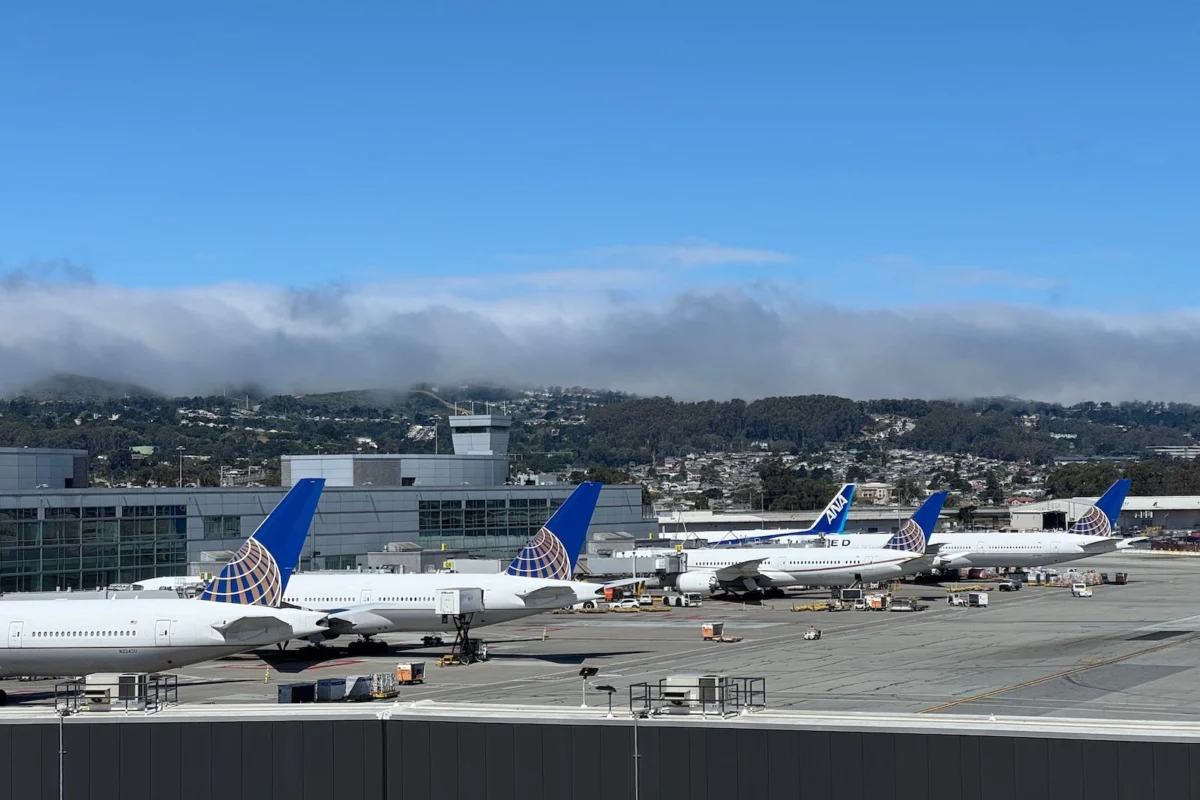
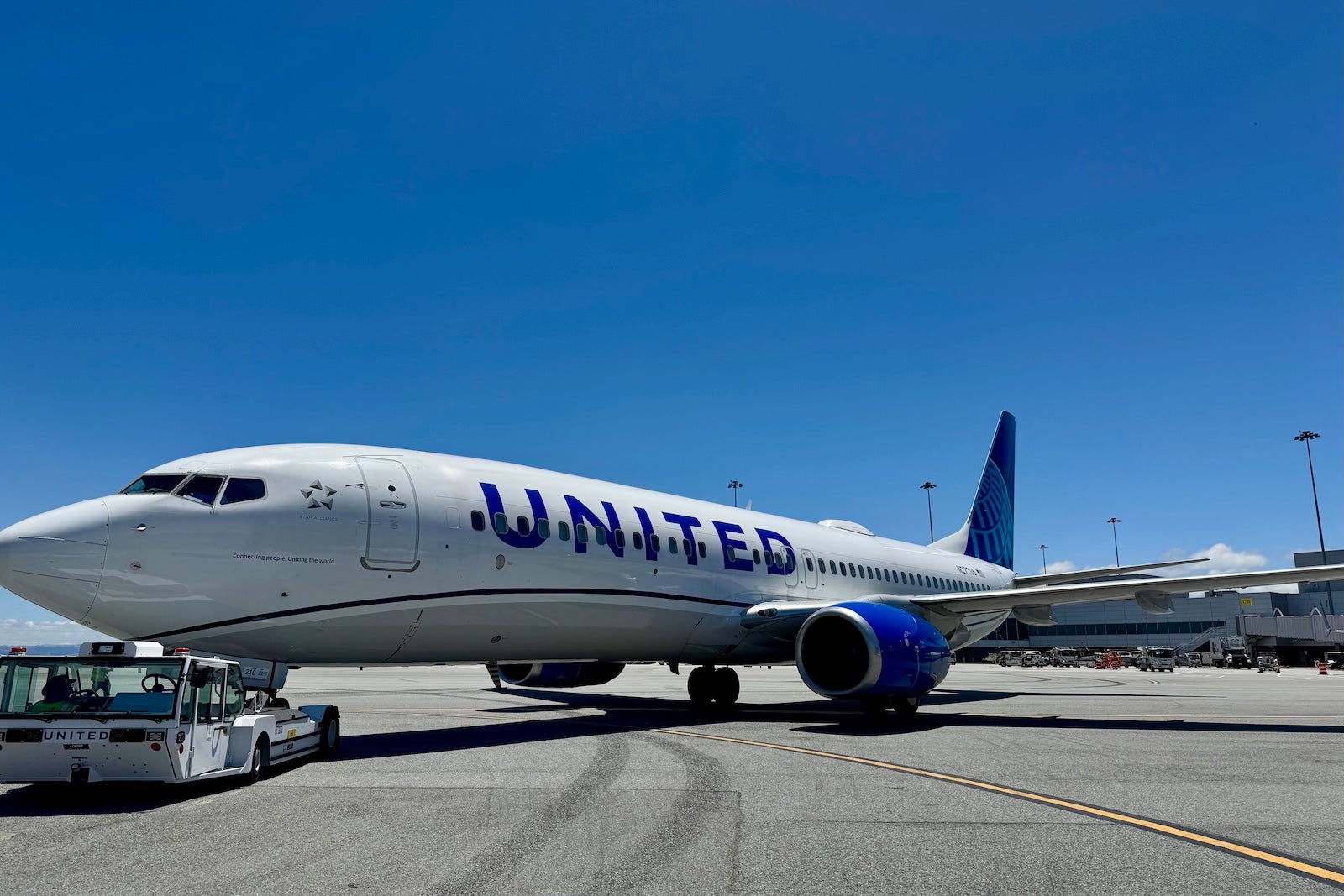
The operational landscape at San Francisco International Airport (SFO), which has been characterized by a grueling summer of congestion and scheduling volatility, is finally poised for a significant turnaround. United Airlines, the airport’s primary tenant and a dominant force in the transpacific market, announced on Thursday that a collaborative effort with the Federal Aviation Administration (FAA) is expected to yield tangible improvements in flight arrival rates within the next two to three weeks. This development comes as a welcome reprieve for thousands of travelers who have navigated a season defined by missed connections, hours-long ground holds, and a reliability rating that has plummeted compared to previous years.
Since the beginning of the second quarter, SFO has transitioned from a high-efficiency West Coast hub into a primary bottleneck for the U.S. national airspace system. The root of the dysfunction is a combination of essential infrastructure upgrades and a fundamental shift in how the FAA manages safety for the airport’s unique runway configuration. SFO is famous among aviation enthusiasts and pilots for its parallel runway arrivals, where two aircraft appear to land side-by-side on runways 28L and 28R. While visually stunning, these runways are separated by only 750 feet, a distance that necessitates extremely high visibility and strict adherence to specific safety protocols.
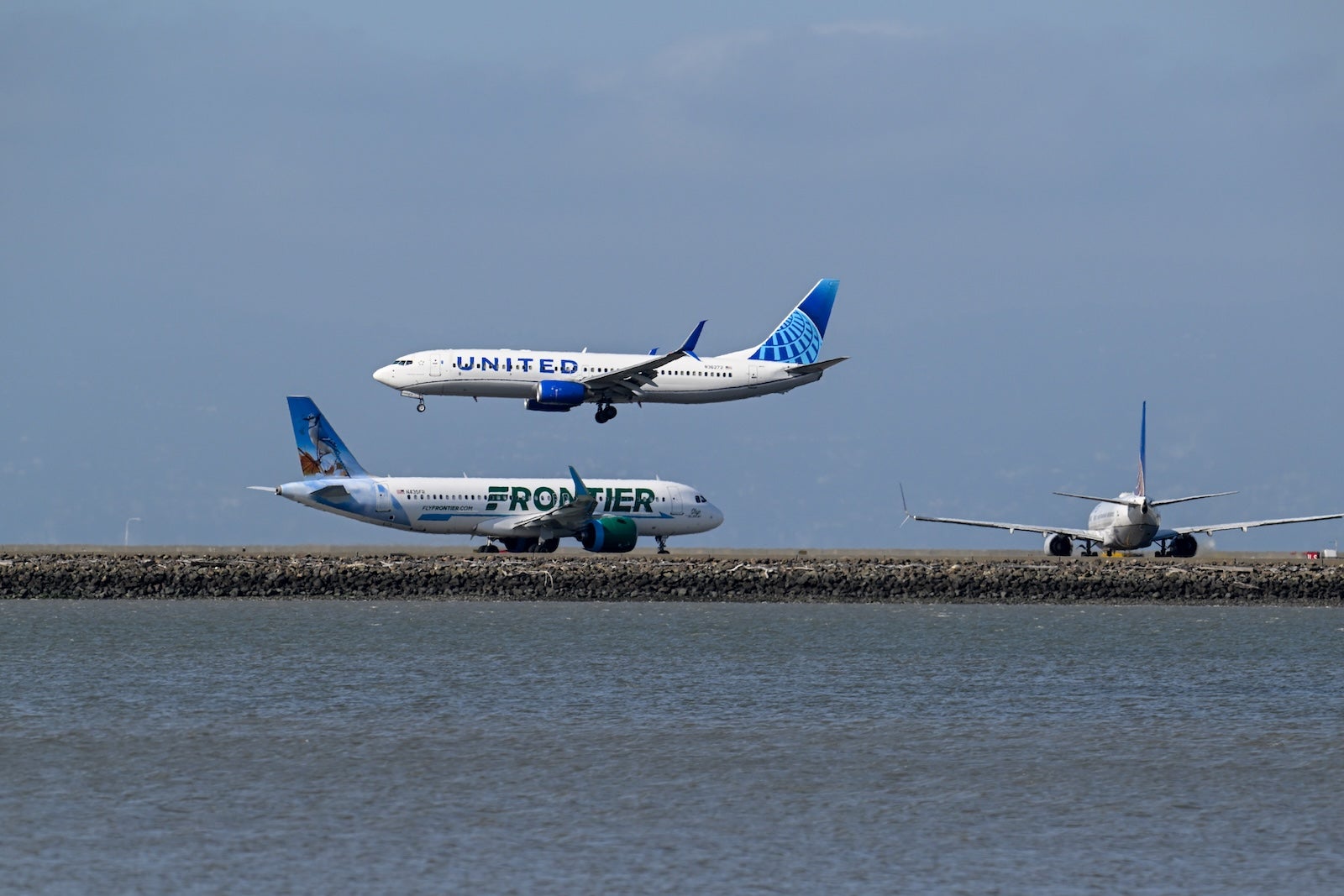
The crisis intensified in late March when the FAA implemented a series of new safety measures aimed at reducing the risk of mid-air proximity incidents. These measures effectively restricted the use of simultaneous arrivals during certain weather conditions or operational windows, drastically reducing the "throughput"—the number of aircraft the airport can accept per hour. When an airport’s capacity falls below the number of scheduled flights, the FAA initiates a Ground Delay Program (GDP), holding aircraft at their departure cities to prevent a dangerous backlog in the skies over Northern California. For SFO, this has meant that even on clear, sunny days, the arrival rate has been throttled to levels typically reserved for heavy fog or winter storms.
The data underscores the severity of the situation. According to aviation analytics firm Cirium, the performance metrics for June were particularly staggering: one out of every three flights arriving at SFO reached the gate at least 15 minutes behind schedule. This represents a 60% increase in significant delays compared to the first three months of the year. For a hub of SFO’s magnitude, a 33% delay rate creates a massive "domino effect." When a morning flight from Denver or Chicago is delayed into San Francisco, the aircraft’s subsequent departure to Tokyo, Seoul, or London is pushed back, resulting in crew timing issues and international scheduling conflicts that can take days to resolve.
United Airlines, which operates approximately 45% to 50% of the total flight volume at SFO, has borne the brunt of these operational hurdles. During a call with analysts and industry stakeholders, United’s Chief Operating Officer Toby Enqvist revealed that the carrier has been working "hand-in-hand" with the FAA to develop a "new approach" to manage the landing rates. While Enqvist stopped short of promising a total return to 100% capacity immediately, he expressed cautious optimism that the landing rates would see marked improvement by late July or early August.
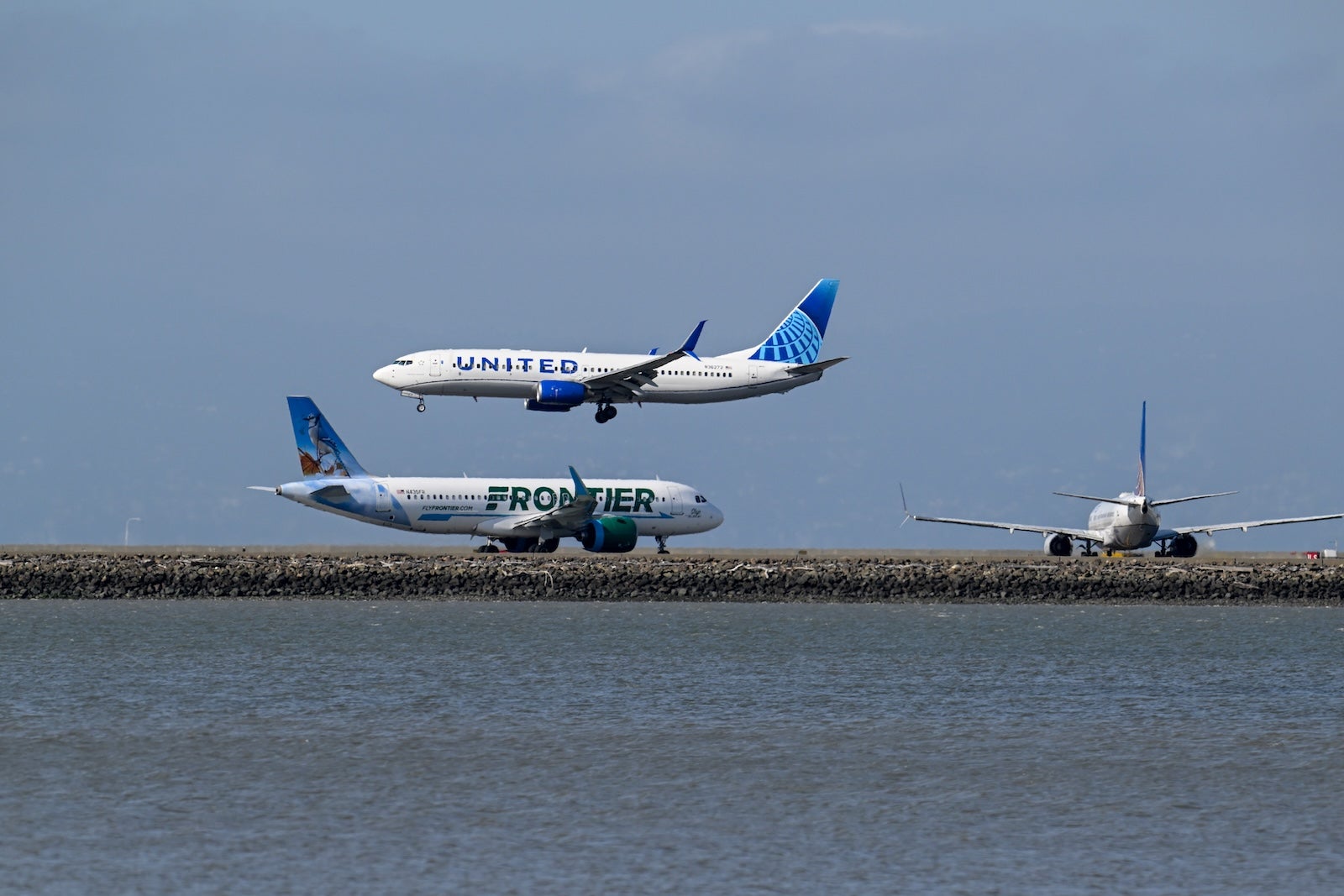
The "new approach" likely involves a combination of enhanced technological monitoring and refined separation standards that balance the FAA’s heightened safety requirements with the airport’s operational needs. In recent years, the industry has looked toward technologies like the Ground Based Augmentation System (GBAS) and Automatic Dependent Surveillance-Broadcast (ADS-B) to allow for tighter, more precise spacing between aircraft. While the FAA has not yet detailed the specific technical adjustments being made at SFO, the collaboration suggests a pivot toward data-driven solutions that can safely navigate the tight constraints of the airport’s dual-runway system.
Adding to the complexity is the ongoing runway construction. SFO is currently in the midst of a multi-phase project to improve the durability and safety of its taxiway and runway surfaces. These projects are essential for the long-term health of the airport—which serves as a critical gateway for the $500 billion economy of the San Francisco Bay Area—but they necessitate temporary closures that further squeeze the available landing space. United CEO Scott Kirby noted that the completion of this construction, currently slated for October, will be the ultimate "clearing event" for the airport’s operations. Until then, the airline and the airport must manage a "reduced-capacity environment" during one of the busiest travel seasons in history.
The struggle at SFO is not an isolated incident but rather a reflection of broader challenges facing the FAA and major U.S. carriers. The agency has been under intense pressure to modernize the air traffic control system while dealing with a chronic shortage of certified controllers. Similar issues have plagued other major hubs, most notably Chicago’s O’Hare International Airport (ORD), which has also seen FAA-mandated flight reductions this summer due to construction and airspace congestion. The FAA recently extended these limitations at O’Hare through October 2027, signaling that "capacity-constrained" will remain a standard descriptor for the nation’s largest airports for the foreseeable future.
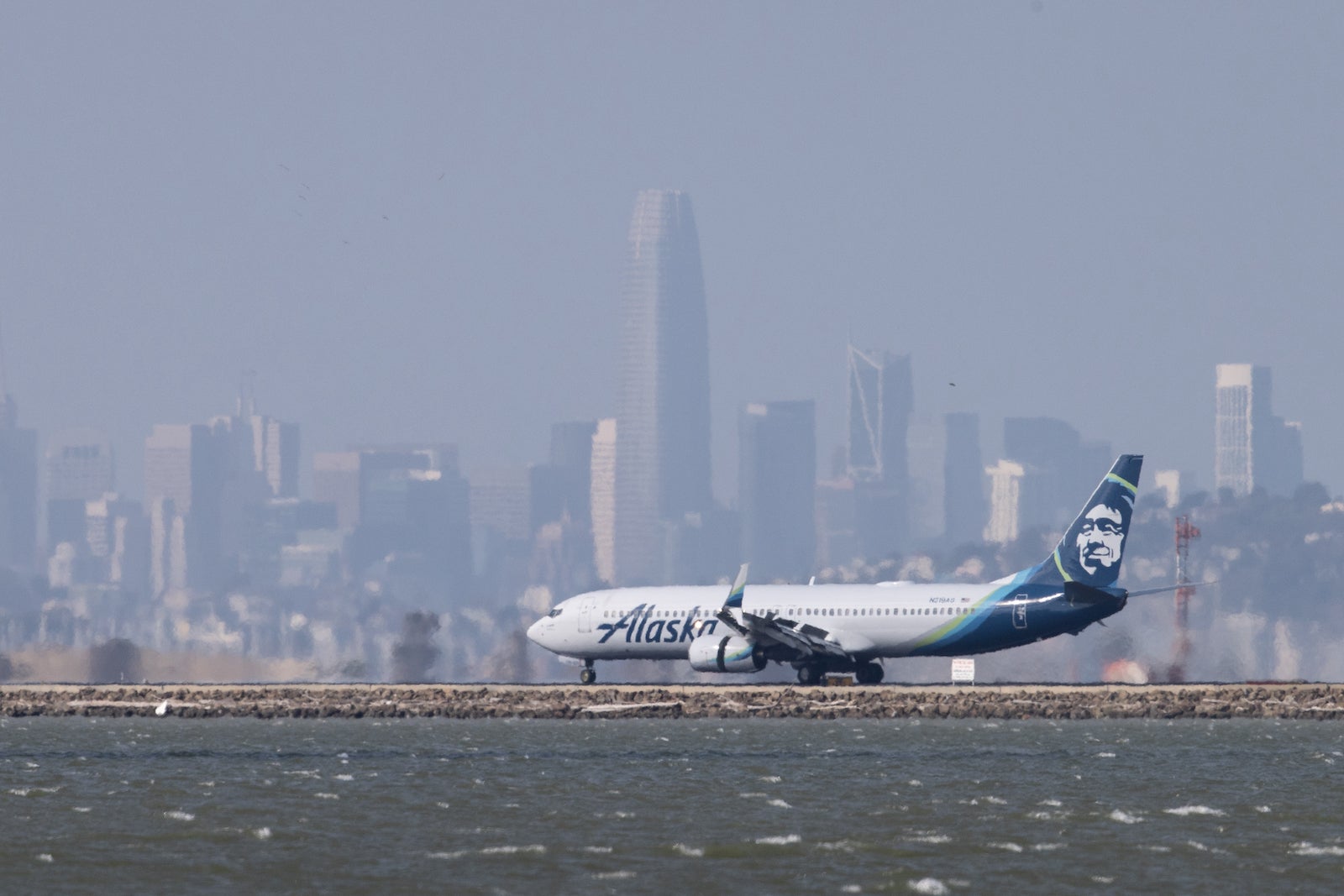
For passengers, the impact of these delays extends beyond mere inconvenience. Under new Department of Transportation (DOT) mandates, airlines are increasingly being held accountable for "significant" delays. While the definition of a significant delay can vary, the financial pressure on airlines to maintain on-time performance has never been higher. Delays cost the industry billions annually in extra fuel, overtime pay for crews, and rebooking expenses for displaced passengers. In San Francisco, where the cost of living and doing business is already among the highest in the world, the inefficiency of the primary airport adds a layer of economic friction that the region is eager to eliminate.
In the interim, travel experts suggest that flyers heading to or from the Bay Area consider alternatives. While SFO is the most convenient choice for those visiting the city itself or the Peninsula, Oakland International Airport (OAK) and San Jose Mineta International Airport (SJC) often remain unaffected by the specific parallel-runway restrictions that plague SFO. These secondary airports do not utilize the same side-by-side landing patterns and can serve as effective "pressure valves" during periods of high congestion. However, for international travelers or those relying on United’s extensive network, SFO remains the only viable option, making the current negotiations between the airline and the FAA a matter of national importance.
The recent operational meltdown also highlights a historical irony. SFO was built on reclaimed land in the bay, a design choice made decades ago when aircraft were smaller and the volume of traffic was a fraction of what it is today. The very geography that makes the airport iconic—its proximity to the water and its compact footprint—is now its greatest liability in the era of jumbo jets and high-frequency scheduling. Environmental and regulatory hurdles make it nearly impossible to expand the runway separation, meaning the airport must rely entirely on technological innovation and meticulous air traffic management to maintain its status as a world-class hub.
As the summer progresses, the eyes of the aviation world will be on San Francisco. If United and the FAA can successfully implement their "new approach," it could serve as a blueprint for managing other congested airports across the country. Conversely, if the delays persist into the autumn, it may force a larger conversation about the sustainability of current flight schedules at SFO. For now, United’s leadership remains confident that the worst of the summer "mess" is in the rearview mirror. With the October completion date for runway work acting as a light at the end of the tunnel, the aviation industry is betting on a smoother, more predictable fall season for the City by the Bay.
Ultimately, the resolution of these delays is a test of the partnership between the public sector, represented by the FAA, and the private sector, led by United. Both entities have a vested interest in ensuring that SFO operates at peak efficiency. For the FAA, it is about maintaining a gold standard of safety without paralyzing the economy; for United, it is about protecting its brand and the integrity of its global network. As the proposed improvements take hold over the coming weeks, travelers can hope to spend less time idling on the tarmac and more time reaching their destinations, signaling an end to a particularly turbulent chapter in California aviation history.
