
 By admin
The Irish flag carrier, Aer Lingus, has unveiled a sweeping strategic realignment that will see the airline withdraw or significantly reduce its presence in four major United States markets. This decision, which marks a sharp pivot from the carrier’s aggressive post-pandemic expansion, is designed to protect profit margins and streamline operations in the face of mounting economic headwinds. Specifically, the airline will terminate nonstop service to Dublin Airport (DUB) from Denver, Las Vegas, and Minneapolis-St. Paul later this year. Meanwhile, Seattle will see its year-round service downgraded to a seasonal operation, disappearing from the winter schedule but tentatively slated for a return in the summer of 2027.
This retrenchment comes at a time when the transatlantic aviation market is grappling with a volatile mix of high fuel prices, inflationary pressures on labor and maintenance, and a surge in capacity from competitors that has begun to outpace passenger demand in certain secondary markets. For travelers in the affected cities, the news is particularly jarring. In Denver and Las Vegas, Aer Lingus currently stands as the sole provider of nonstop flights to Ireland. The loss of these routes means passengers will once again be forced to connect through major East Coast gateways such as New York, Boston, or London, adding hours to their travel time and complicating the logistics of both leisure and business trips.
The airline’s leadership has been candid about the necessity of these cuts. In a statement confirming the network changes, Aer Lingus emphasized that the moves are essential to "boost margins" and ensure the long-term sustainability of the brand. CEO Lynne Embleton noted that the "accelerated transformation" of the airline is a proactive measure intended to shield the company from the "turbulence" currently defining the global aviation sector. Beyond the route cancellations, the cost-saving measures include a painful reduction in force, with approximately 500 employees expected to lose their jobs as the airline trims its overhead.
To understand the gravity of these cuts, one must look at the recent trajectory of the airline’s U.S. operations. According to data from aviation analytics firm Cirium, Aer Lingus had increased its departures between the U.S. and Ireland by a staggering 22% this summer compared to just three years ago. This growth was fueled by a "hub-and-spoke" strategy that positioned Dublin as a primary gateway for North Americans traveling to continental Europe. Dublin’s unique advantage—the presence of U.S. Customs and Border Protection (CBP) Pre-clearance—allows passengers to clear immigration and customs in Ireland before they even board their flight, arriving in the U.S. as domestic passengers. This convenience has long been a major selling point for Aer Lingus, yet even this competitive edge was not enough to save the underperforming routes in Denver, Las Vegas, and Minneapolis.
In Minneapolis-St. Paul (MSP), the challenge was twofold: low yields and stiff competition. Delta Air Lines, which operates a massive hub at MSP, also provides service to Dublin, creating a saturated market where price wars often erode the profitability of a second carrier. For Denver and Las Vegas, the issue was likely the sheer distance and the cost of operating large, wide-body aircraft on routes that may have struggled to attract enough high-paying business class travelers during the off-peak months.
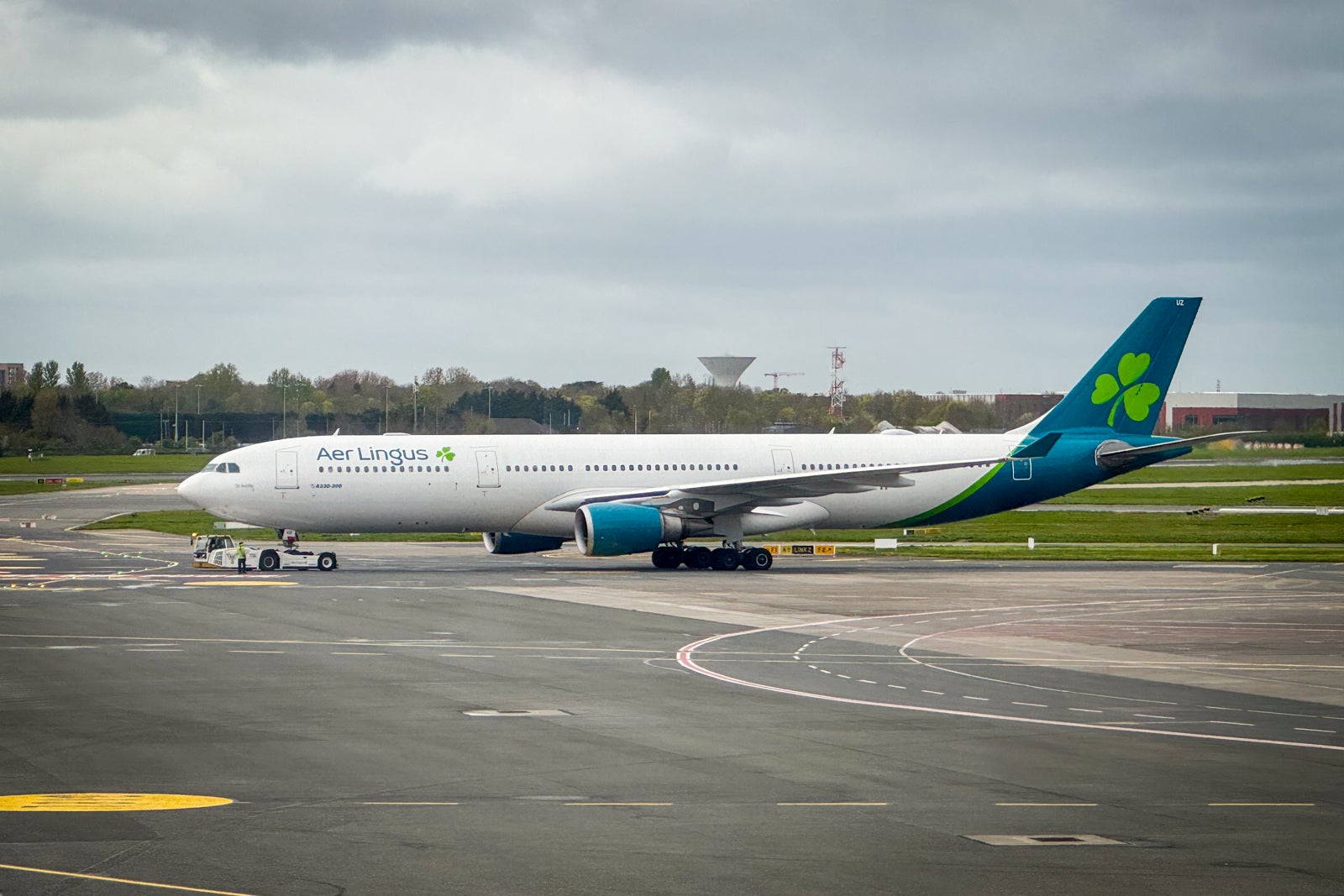
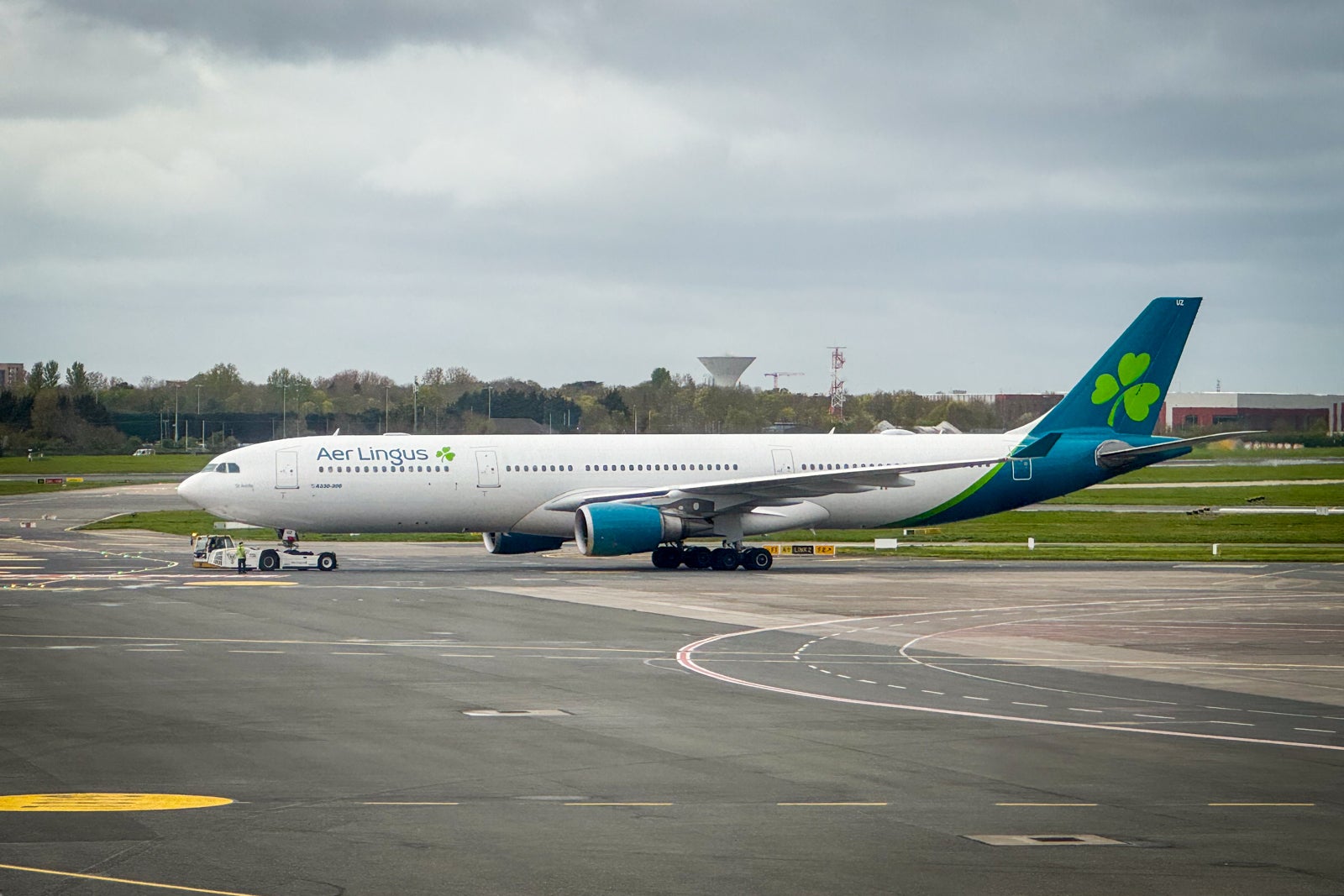
However, the story of Aer Lingus in the U.S. is not one of total retreat, but rather one of technological transition. The airline is increasingly betting its future on the Airbus A321XLR. These single-aisle, long-range aircraft are significantly cheaper to operate than the larger, twin-aisle Airbus A330s traditionally used for transatlantic crossings. The A321XLR allows the airline to serve "long-thin" routes—cities with enough demand for a daily flight on a smaller plane but not enough to fill a 300-seat wide-body. This strategy has already seen Aer Lingus successfully launch or maintain service to mid-sized markets like Pittsburgh, Indianapolis, Nashville, and Raleigh-Durham. Most of the routes being cut this week are those that required the larger A330 aircraft and were located outside the efficient operating range of the smaller A321XLR.
While the loss of nonstop service is a blow to many, there is a silver lining for the airline’s premium passengers. As part of its 2027 outlook, Aer Lingus announced it will finally introduce a dedicated Premium Economy cabin. The airline plans to retrofit 10 of its Airbus A330 aircraft with this new mid-tier product, which is expected to debut in the summer of 2027. Premium Economy has become a massive revenue generator for global airlines, filling the gap between the standard economy experience and the high-priced lie-flat business class suites. By offering a wider seat, more legroom, and enhanced dining, Aer Lingus hopes to capture more of the "premium leisure" market—travelers who are willing to pay extra for comfort but cannot justify the multi-thousand-dollar price tag of business class.
The restructuring also extends to the airline’s short-haul European network. Aer Lingus revealed that it will cease nonstop service to Split, Croatia, following the conclusion of the current summer season. Furthermore, routes to Frankfurt, Hamburg, and Malta will be converted to summer-only operations. This shift reflects a broader industry trend where legacy carriers are focusing their European networks almost exclusively on peak leisure demand, leaving year-round connectivity to low-cost giants like Ryanair.

The human cost of these changes cannot be overlooked. The 500 job losses represent a significant portion of the airline’s workforce and highlight the severity of the financial pressure facing the carrier. These cuts come despite Aer Lingus being part of the International Airlines Group (IAG), one of the world’s most profitable aviation conglomerates, which also owns British Airways and Iberia. The fact that IAG is mandating such drastic measures at Aer Lingus suggests that the parent company is demanding higher efficiency and better returns from its Irish subsidiary as it navigates a post-COVID economy where business travel has not fully recovered to 2019 levels.
Industry analysts suggest that Aer Lingus is essentially "right-sizing" for a new era of aviation. The high-growth period following the pandemic—often referred to as "revenge travel"—is beginning to cool. Passengers are becoming more price-sensitive, and the cost of operating long-haul flights from the western U.S. to Europe has skyrocketed due to fuel volatility and the rising cost of carbon credits in the EU. By retreating from Denver, Las Vegas, and Minneapolis, Aer Lingus is consolidating its resources into its strongest markets, such as New York (JFK), Boston, and Chicago, where demand remains robust and yields are more predictable.
For the city of Seattle, the move to seasonal service is a "wait-and-see" approach. The Emerald City has deep economic ties to Ireland, particularly through the tech sector, but the winter months traditionally see a drop-off in tourism. By pulling out during the winter and returning in 2027, Aer Lingus is attempting to preserve the route’s viability without bleeding cash during the slow season.
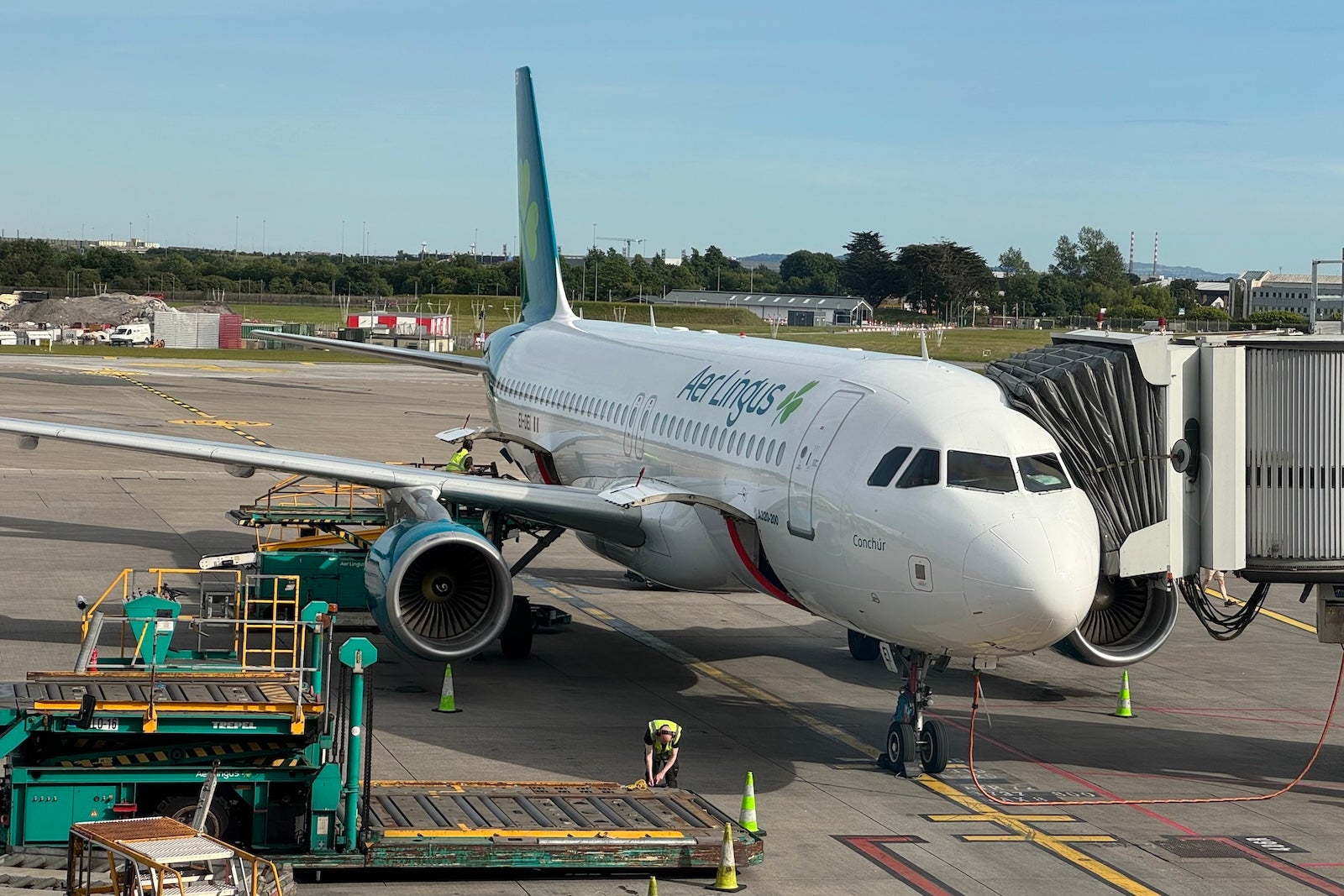
As the airline prepares for this transition, the focus will remain on the 2027 rollout of the A321XLR fleet and the new Premium Economy product. These two elements are seen as the "twin pillars" of the airline’s future profitability. The XLR will allow for nimble, cost-effective expansion into new U.S. cities, while the Premium Economy cabin will maximize the revenue potential of every seat on its remaining wide-body aircraft.
In the immediate term, travelers who had booked flights on the affected routes after the cancellation dates will be contacted by the airline for rebooking or refunds. The airline has promised to work with its partner carriers—including fellow IAG members and American Airlines—to ensure that disrupted passengers can still reach their destinations via connecting hubs.
Ultimately, the announcement serves as a sobering reminder of the fragile nature of long-haul aviation. Even for a storied carrier like Aer Lingus, the path to profitability requires constant adjustment and, occasionally, the painful decision to walk away from markets that no longer fit the financial bottom line. As the "Emerald Isle" carrier looks toward 2027, it does so as a leaner, more focused airline, betting that a smaller, more efficient footprint will lead to a more stable future in the skies.
