
 By admin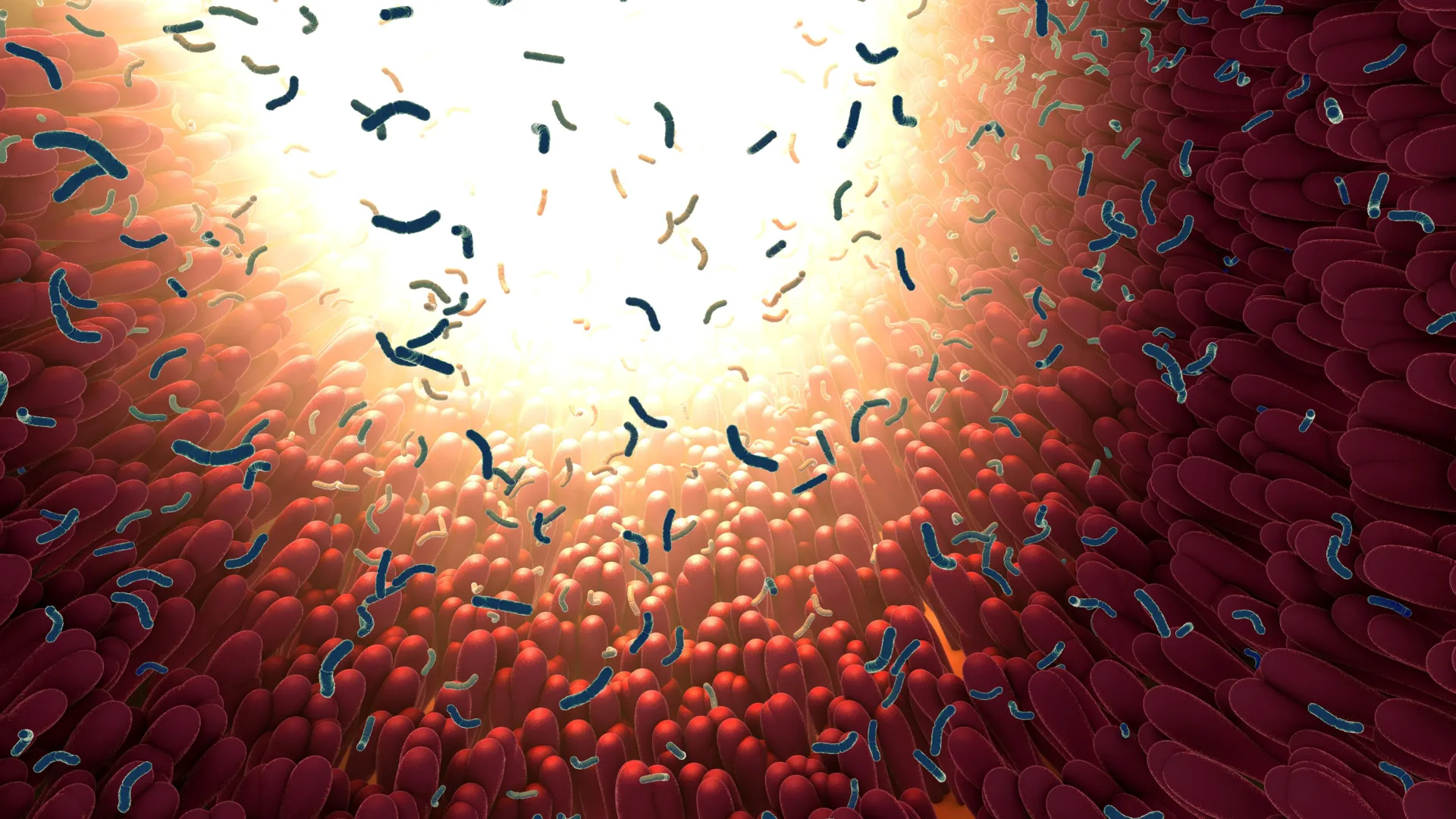
The most striking revelation emerged when researchers combined isosteviol, a sweetener derived from stevia and widely employed in the food and beverage industry, with duloxetine, a common antidepressant. This seemingly innocuous pairing led to a dramatic and synergistic reduction in the growth of two critically important bacterial species: Roseburia intestinalis and Parabacteroides merdae. These species are not mere bystanders in the gut; they are key players associated with digestive health, the regulation of blood sugar, and robust immune function. Their suppression raises significant questions about the unforeseen consequences of co-consuming certain sweeteners with medications.
While the Cambridge scientists emphasize that these experiments were meticulously conducted in a controlled laboratory environment and not within the human body, the results provide compelling mechanistic insights. They underscore the urgent need for more comprehensive research to determine whether these observed bacterial alterations translate into meaningful health effects under real-world conditions, where human physiology, diet, genetics, and existing microbial communities add layers of complexity.
Sweeteners: A Reassessment of Biological Inactivity
Sweeteners have become ubiquitous in the modern diet, woven into the fabric of countless everyday products. From diet soft drinks and candy to desserts, breakfast cereals, snacks, and even some over-the-counter and prescription medications, they are marketed and consumed as guilt-free alternatives, promising sweetness with fewer calories or less sugar. This promise has driven their adoption by consumers seeking weight management, diabetes control, or simply a perceived healthier lifestyle. The global market for artificial sweeteners alone is projected to reach billions of dollars, reflecting their pervasive presence.
However, the scientific community has increasingly scrutinized these compounds. A growing body of epidemiological evidence has linked sweetener consumption with a spectrum of adverse health conditions, including an elevated risk of type 2 diabetes, obesity, and even certain types of cancer. It is crucial to note that these associations, while statistically significant, do not inherently prove direct causation. The intricate interplay of lifestyle factors, dietary patterns, and individual metabolic responses makes it challenging to isolate the precise role of sweeteners. Consequently, researchers have been diligently working to unravel the underlying biological processes that might explain these observed connections, moving beyond mere correlation to explore potential mechanisms.
One highly probable and increasingly recognized factor in this equation is the gut microbiome. This extraordinary community, comprising trillions of bacteria, archaea, viruses, and fungi, constitutes a bustling inner ecosystem within the digestive system. Far from being passive inhabitants, these microbes are active participants in numerous vital bodily functions. They play an indispensable role in breaking down complex food carbohydrates that human enzymes cannot digest, producing essential vitamins (like K and some B vitamins), and generating beneficial short-chain fatty acids (SCFAs) such as butyrate, which nourishes gut cells and influences systemic metabolism. Furthermore, the gut microbiome acts as a critical modulator of the immune system, helping to distinguish between harmful pathogens and beneficial commensals, and even influences neurological processes through the gut-brain axis. Any disruption to the delicate balance or overall diversity of these organisms, a state known as dysbiosis, can have far-reaching implications for health, manifesting in conditions ranging from inflammatory bowel disease and irritable bowel syndrome to metabolic disorders and even mental health issues.
Despite the widespread and escalating use of sweeteners across diverse populations, a notable gap in scientific literature has persisted concerning their direct impact on individual gut bacteria. Much of the existing research has relied on broader animal models or large-scale human population studies, which, while valuable for identifying trends and associations, struggle to pinpoint the precise molecular and microbial interactions occurring within the gut.
Professor Kiran Patil from the Medical Research Council (MRC) Toxicology Unit at the University of Cambridge eloquently articulated this challenge: "Most of what we know about the potential impact of sweeteners on our health comes from animal research or from population studies. While these studies have indicated involvement of the microbiome in mediating the effect of sweeteners, it’s difficult to know how sweeteners act in the body – is it through direct interactions with our gut bacteria?" This fundamental question underscores the importance of the current Cambridge study, which sought to provide direct mechanistic answers.
Adding another layer of complexity, Dr. Sonja Blasche, a lead author of the study and also from the MRC Toxicology Unit, highlighted the real-world context: "Answering this is further complicated by the fact that we rarely ever take sweeteners by themselves – we take them with drinks, in snacks, or even in medication to mask bitterness." This observation is crucial, as it suggests that the effects of sweeteners might not be isolated but rather influenced by a multitude of co-consumed compounds, a hypothesis the study meticulously investigated.
Testing 39 Sweeteners Against Gut Bacteria: An Unprecedented Scope
For their pioneering study, published in the prestigious journal Molecular Systems Biology, Dr. Blasche and her team embarked on a systematic investigation into how a broad spectrum of artificial and low-calorie sweeteners influences the growth dynamics of gut bacteria. A key innovative aspect of their research was not only to assess these effects in isolation but also to examine how they might change when sweeteners are mixed with other substances commonly encountered in foods, drinks, and medicines – a reflection of real-world consumption patterns.
The methodology involved a comprehensive in vitro approach, a powerful tool for isolating direct biological effects under controlled conditions. The team first grew 25 distinct bacterial species separately in the laboratory. This carefully curated selection included species recognized for their beneficial roles in gut health (e.g., those producing SCFAs), neutral inhabitants, and even those considered potentially harmful or opportunistic pathogens. This diverse panel allowed for a broad assessment of sweetener impact across the microbial spectrum.
Each of these bacterial species was then exposed to an extensive panel of 39 commercially used sweeteners, encompassing both naturally derived varieties (like stevia extracts and monk fruit) and synthetic artificial compounds (such as sucralose, aspartame, saccharin, and acesulfame potassium). The researchers meticulously monitored the growth kinetics of each bacterial culture, observing how quickly they multiplied and, critically, whether their growth was impeded, slowed, or completely halted.
The results were compelling and statistically significant: approximately three-quarters (75%) of the tested sweeteners demonstrably affected the growth of at least one bacterial species. More concerningly, several of these sweeteners significantly reduced or even completely stopped the growth of bacteria commonly associated with a healthy and resilient digestive system. This finding directly challenges the prevailing notion of sweeteners as inert substances, suggesting they possess direct bioactivity within the microbial environment of the gut. These findings suggest that some sweeteners are not simply inactive substances that pass through the digestive tract without interacting with the organisms living there.
More Than 100 Unexpected Interactions: The Co-Consumption Conundrum
The human diet is rarely a monoculture; it is a complex tapestry of ingredients, additives, and, for many, medications. Recognizing this intricate reality, the Cambridge team extended their investigation beyond isolated sweetener effects to explore the impact of co-consumption. People rarely consume a sweetener in isolation. It may appear alongside caffeine in an energy drink, flavoring agents like vanillin in a dessert, other artificial sweeteners like advantame, or active ingredients in a medication.
To simulate this real-world complexity, the researchers strategically paired the sweeteners with a selection of common compounds. These included caffeine, the pervasive stimulant; vanillin, a widely used flavor extract; advantame, another high-intensity artificial sweetener; and eight commonly prescribed drugs spanning different therapeutic classes. This innovative approach allowed them to uncover novel interactions that would be missed in studies focusing solely on individual compounds.
The results were astonishing: the team identified more than 100 distinct cases in which a sweetener’s effect on bacterial growth was significantly altered when another compound was present. In 34 instances, the combined effects became demonstrably stronger, indicating a synergistic or additive detrimental impact. Conversely, in 68 cases, the combined effects became weaker, suggesting potential antagonism or competitive interactions. This means that the impact of a particular sweetener may depend partly on what else is consumed at the same time, adding a new dimension to understanding their physiological roles. This complexity highlights that the gut microbiome’s response to sweeteners is not simply additive but can be profoundly modulated by the presence of other dietary or pharmacological agents.
Antidepressant Combination Stood Out: Isosteviol and Duloxetine
Among the multitude of interactions observed, one particular combination yielded the most dramatic and concerning results: isosteviol paired with duloxetine. Isosteviol is a metabolite of steviol glycosides, the sweet compounds derived from the stevia plant, often marketed as a "natural" sweetener. Duloxetine, on the other hand, is a widely prescribed antidepressant that also treats anxiety disorders and various types of chronic pain, including neuropathic pain and fibromyalgia. Its dual action on serotonin and norepinephrine reuptake makes it a cornerstone in psychiatric and pain management.
When these two compounds were administered together, they exhibited a remarkably potent suppressive effect on Roseburia intestinalis and Parabacteroides merdae. Both species are considered cornerstones of a healthy gut microbiome. Roseburia intestinalis, a prominent butyrate producer, is vital for maintaining the integrity of the intestinal barrier, reducing inflammation, and regulating host metabolism. Parabacteroides merdae has been implicated in various metabolic processes and its presence is often associated with a healthy metabolic profile. The sharp reduction in their growth due to the isosteviol-duloxetine combination suggests a direct and potentially detrimental impact on core gut functions. The widespread use of duloxetine further amplifies the potential public health implications of this finding; in 2023 alone, over 4.2 million patients in the US received prescriptions for this drug, making this interaction a concern for a significant portion of the population.
Beyond Single Species: A Synthetic Gut Ecosystem Reveals Diversity Decline
While studying bacteria one species at a time can reveal direct, isolated effects, the human gut is a dynamic and densely populated ecosystem where microbes constantly interact, compete, and cooperate. To better approximate these complex conditions, the scientists took a crucial step forward by constructing a simplified microbial community in the laboratory, comprising all 25 bacterial species initially tested individually. This synthetic community allowed them to observe emergent properties and ecological shifts that would be missed in single-species assays.
They allowed this intricate community to develop and stabilize, mimicking a baseline gut environment, and then exposed it to various combinations of sweeteners and drugs, including the potent isosteviol-duloxetine pairing. The team meticulously tracked changes within the community, identifying which species became more abundant, which declined, and crucially, whether the community retained its overall variety and balance.
Gut Microbial Diversity Declined and Toxicity Increased
The combination of isosteviol and duloxetine significantly reduced microbial diversity within this synthetic community. Greater diversity is universally considered a hallmark of a resilient and healthy gut microbiome, providing functional redundancy and adaptability to environmental stressors. Conversely, reduced diversity is frequently associated with dysbiosis and an increased risk of numerous diseases, from inflammatory conditions to metabolic disorders. While the ideal microbial composition can vary between individuals, a broad and rich diversity is generally protective.
Furthermore, the combination profoundly altered the community’s internal balance, leading to a state of dysbiosis. Some bacterial species flourished unchecked, potentially outcompeting beneficial microbes, while others, crucial for gut homeostasis, experienced significant declines. This shift in community structure can have cascading effects on the functional output of the microbiome.
To further investigate the potential health implications, additional experiments were conducted using host cell models. These studies suggested that the microbial changes induced by the isosteviol-duloxetine combination increased toxicity toward certain host cells, likely intestinal epithelial cells, which form the crucial barrier lining the gut. Moreover, the altered microbial environment disrupted the activity of other cells involved in inflammation and immune responses. These results, while still within a simplified laboratory system, raise the alarming possibility that interactions between sweeteners, medications, and microbes could influence more than just digestion, potentially impacting systemic health through inflammatory and immune pathways.
Dr. Blasche reiterated the significance of these findings: "Sweeteners are often marketed as metabolically neutral, but our study challenges this idea. We found that they can directly affect gut bacteria, particularly when mixed with other compounds such as medication and food additives. These common combinations could have unintended effects on our gut microbiome." This statement encapsulates the paradigm shift proposed by the Cambridge research – a move away from viewing sweeteners as inert placeholders to recognizing them as biologically active compounds capable of complex interactions within the human body.
Human Studies Are Still Needed: Bridging the Gap from Lab to Clinic
Despite the groundbreaking nature of these findings, the researchers prudently emphasize that the results should not be misinterpreted as definitive proof that sweeteners or the tested combinations directly cause harm in people. The transition from in vitro laboratory experiments to in vivo human physiology involves navigating a labyrinth of complexities.
In the human digestive system, ingested sweeteners undergo a dynamic journey. They may be absorbed into the bloodstream before reaching the colon, chemically altered by host enzymes, diluted by digestive fluids, or broken down by the existing microbial community. The final concentration and form of the sweetener reaching specific microbes in vivo could be vastly different from the controlled conditions in a petri dish. Moreover, a myriad of individual factors – including diet, genetics, the use of other medications, and the unique, pre-existing composition of a person’s microbiome – could profoundly influence the outcome and modulate any potential effects.
Therefore, future research must embark on a multi-pronged approach to bridge this critical gap between laboratory observations and human relevance. This will involve:
- Animal Models: Conducting studies in animal models (e.g., mice, rats) to observe effects within a living, albeit simplified, biological system.
- Human Observational Studies: Leveraging large population cohorts to identify long-term associations between sweetener consumption, medication use, microbiome composition, and health outcomes.
- Randomized Controlled Trials (RCTs): Designing targeted human intervention studies to assess specific sweetener and drug combinations, focusing on measurable changes in the gut microbiome, host metabolism, and clinical health indicators.
- Dose-Response Analysis: Determining the human-relevant doses at which these interactions might occur and manifest measurable effects.
Professor Patil, the study’s senior author, concluded with a forward-looking perspective: "Our study suggests that artificial sweeteners don’t just pass through the body passively – they can interact with gut microbes, and these effects can be amplified or altered by other substances like medications. These findings can help guide new studies towards understanding how sweeteners might influence health in unexpected ways."
This research, funded by the European Union’s Horizon 2020 program and the UK Medical Research Council, marks a significant step in unraveling the intricate relationship between our diet, our medications, and our hidden inner ecosystem. It underscores the urgent need for a more holistic understanding of widely consumed food additives and their potential to reshape our microbial landscape, thereby influencing our health in ways we are only just beginning to comprehend. As the consumption of sweeteners continues to rise globally, these findings serve as a crucial call to action for further investigation to ensure public health recommendations are built on the most comprehensive scientific understanding available.
