
 By admin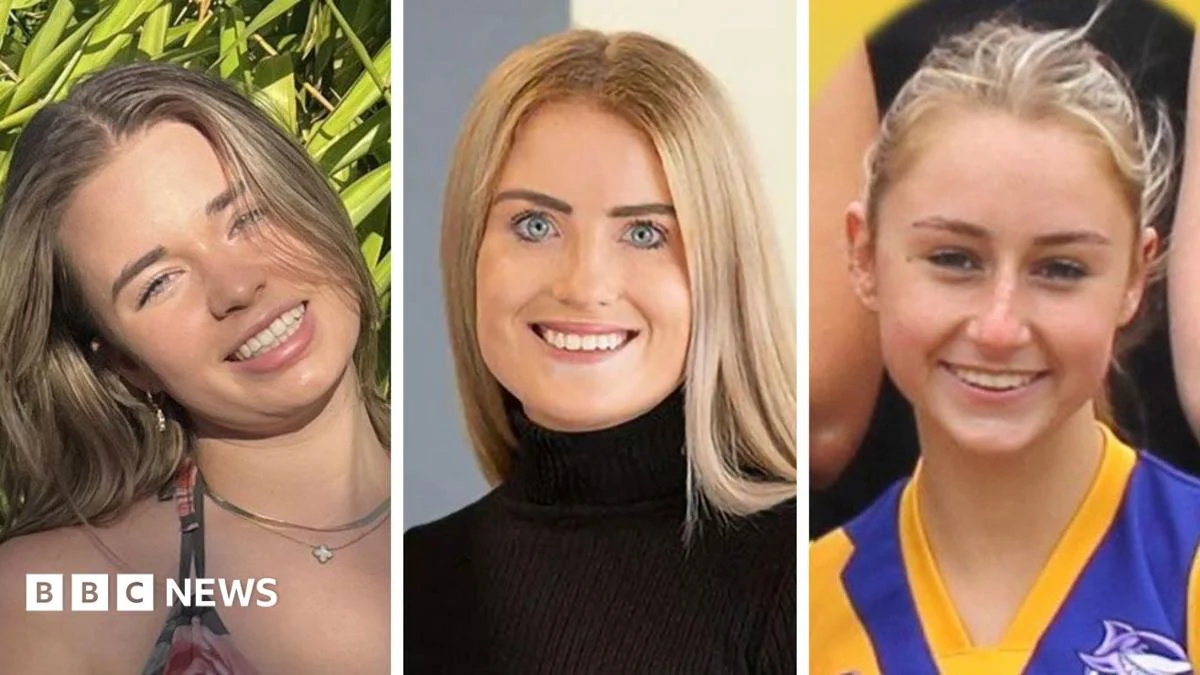
The serene backpacker haven of Vang Vieng, Laos, once synonymous with breathtaking karst landscapes and carefree adventure, has been irrevocably marred by a tragedy that has sent shockwaves through the international travel community. Six young tourists – a Briton, two Australians, two Danish citizens, and an American – met a grim and untimely end in November 2024, their lives extinguished following what was presumed to be a night of revelry. The circumstances surrounding their deaths have been shrouded in a fog of uncertainty, with Laos’ Ministry of Public Security now stating its inability to definitively assign blame or pinpoint a precise cause, a declaration that has ignited a firestorm of international outcry and profound disappointment.
The official stance, articulated by the Ministry of Public Security, hinges on a critical lack of forensic evidence. According to their statement, authorities were reportedly not permitted to conduct autopsies on the deceased in 2024. This crucial procedural step, vital for establishing the physiological mechanisms of death, was allegedly obstructed, leaving investigators without the necessary scientific data. "We did not have evidence to establish if the deaths ‘were caused by the actions of any individual or by any particular cause, because no autopsies were conducted on the bodies’," the ministry stated, underscoring the investigative void. This assertion, however, has been met with skepticism and frustration, particularly from the governments of the victims.
Adding a layer of complexity and fueling further anger, it emerged earlier this week that the owner of the distillery implicated in the incident is facing charges. However, these charges are not directly related to the deaths themselves. Instead, the distillery owner is being prosecuted for the sale of food products deemed harmful to health and for operating an illegal business. The penalties associated with these charges are comparatively minor, carrying a maximum of one year in jail and a fine equivalent to approximately £829 (US$1,100; A$1,600). This perceived leniency, especially when juxtaposed with the gravity of six lives lost, has been the focal point of intense diplomatic pressure.
The Australian government, in particular, has voiced its "deeply frustrated and bitterly disappointed" sentiment, lamenting that more serious charges, ones that could directly address the fatalities, have not been pursued. In a strong diplomatic maneuver, Australia’s foreign ministry summoned Laos’ ambassador in Canberra to convey the depth of their concern and dissatisfaction. This diplomatic engagement highlights the significant international repercussions of the incident and Laos’ handling of the investigation.
The Laos Ministry of Public Security, in its Saturday statement, reiterated the impediment of autopsies, stating that the lack of this forensic evidence meant they "lacked the forensic evidence necessary to determine the cause of death." Nevertheless, the ministry did acknowledge a significant finding: officials had detected "excessive levels of methanol" in vodka produced by the distillery in question. This finding, while not directly linked to the deaths by the ministry due to the absence of autopsies, strongly suggests a probable cause, as methanol is a highly toxic substance that can be lethal even in small quantities.
The victims, a group of young individuals from diverse backgrounds, represent a tragic cross-section of the global backpacking community. They have been identified as Simone White, a 28-year-old Briton; 19-year-old Australians Bianca Jones and Holly Morton-Bowles; Danish citizens Anne-Sofie Orkild Coyman, 20, and Freja Vennervald Sorensen, 21; and US national James Louis Hutson, 57. Their lost futures paint a poignant picture of the human cost of this tragedy.
The modus operandi suspected in this case involves the illicit addition of methanol to alcohol. Methanol, a potent and volatile chemical compound, is commonly used as a solvent in industrial applications, including paint thinners. Its illicit use in alcoholic beverages is often driven by a desire to cut production costs. By substituting ethanol, the potable alcohol, with cheaper methanol, unscrupulous producers can increase their profit margins. However, the gamble comes with devastating consequences for consumers.
The insidious nature of methanol poisoning lies in its deceptive similarity to ethanol. It is a colourless liquid that possesses a taste that can be easily masked or mistaken for that of regular alcohol. A relatively small ingested dose can prove fatal, overwhelming the body’s detoxification systems with catastrophic results. Upon consumption, methanol is rapidly absorbed in the gut within minutes, entering the bloodstream and circulating throughout the body. The liver, the body’s primary detoxification organ, attempts to metabolize methanol. However, this metabolic process is where the real danger lies. Enzymes in the liver convert methanol into highly toxic byproducts: formaldehyde and formic acid. These metabolites are significantly more poisonous than methanol itself and are responsible for the severe and often irreversible damage to vital organs, particularly the optic nerve and the central nervous system.
The initial symptoms of methanol poisoning can be misleading, often mimicking those of ethanol intoxication, such as dizziness and euphoria. However, as the toxic byproducts accumulate, more severe and distinct symptoms emerge. These can include severe headaches, nausea, vomiting, abdominal pain, blurred vision, and difficulty breathing. In advanced stages, blindness, seizures, coma, and ultimately, death can occur. The delayed onset of some of these more severe symptoms can further complicate diagnosis and treatment, as victims may not realize the severity of their condition until it is too late.
Evidence suggests that many of the victims were staying at the Nana Backpacker Hostel in Vang Vieng. It was at this establishment that guests began to fall ill on November 13th, failing to check out in the days that followed, a grim indicator of the unfolding crisis. This detail has also led to further legal ramifications for individuals connected to the hostel. Earlier this year, ten people associated with the Nana Backpacker Hostel were charged with destroying evidence. Their legal proceedings concluded with them receiving suspended sentences and fines of $185 (£135) each. While these charges address obstruction of justice, they do not directly address the fatal poisoning itself.
Vang Vieng, a picturesque riverside town nestled in central Laos, has long been a magnet for backpackers traversing Southeast Asia. Its allure lies in its stunning natural beauty, characterized by towering limestone karsts, emerald rice paddies, and the languid flow of the Nam Song River. The town has cultivated an image as a destination for adventure and relaxation, offering activities like tubing, kayaking, and trekking. However, this incident has cast a dark shadow over its reputation, raising serious questions about the safety and regulatory oversight of businesses catering to tourists, particularly concerning the authenticity and safety of alcoholic beverages.
In the wake of this tragedy, governments have begun to issue warnings and implement preventative measures. The British government, for instance, launched a campaign last week specifically aimed at warning tourists about the risks associated with methanol poisoning. This proactive step underscores the global concern and the need for heightened awareness among travelers. Such campaigns typically provide crucial information on identifying potentially tainted alcohol, recognizing the symptoms of poisoning, and seeking immediate medical attention if suspected.
The symptoms of methanol poisoning, which the British government is now actively disseminating, are critical for early detection and intervention. These include, but are not limited to:
-
Initial Symptoms (often mistaken for ethanol intoxication):
- Dizziness
- Euphoria
- Headache
- Nausea and vomiting
-
More Severe Symptoms (indicating significant methanol toxicity):
- Severe abdominal pain
- Blurred vision or changes in vision (e.g., seeing "snowy" vision)
- Dilated pupils
- Difficulty breathing or rapid breathing
- Chest pain
- Confusion and disorientation
- Muscle weakness or tremors
- Seizures
- Coma
The delayed and potentially irreversible damage caused by formic acid, the primary toxic metabolite, can lead to permanent vision loss due to optic nerve damage and significant neurological impairment. Without prompt and specialized medical treatment, which often involves the administration of antidotes like fomepizole or ethanol to slow the metabolism of methanol, the prognosis for individuals suffering from methanol poisoning is grim.
The diplomatic fallout from this incident is likely to have far-reaching consequences. Laos, a country reliant on tourism for its economic development, now faces a crisis of confidence. The perception of safety and the effectiveness of its regulatory framework are under intense scrutiny. The commitment to transparency and accountability in its investigations, particularly when international citizens are involved, will be crucial for rebuilding trust. The demands for more robust legal action against those responsible for providing or distributing contaminated alcohol are understandable and reflect a universal desire for justice and the prevention of future tragedies. The lack of autopsies, as cited by the Laotian authorities, remains a significant point of contention, raising questions about the willingness or capacity to conduct thorough and impartial investigations. The international community will undoubtedly be watching closely as Laos navigates this complex and deeply unfortunate situation, hoping for a resolution that not only provides answers but also ensures that such preventable deaths are never repeated. The memory of Simone White, Bianca Jones, Holly Morton-Bowles, Anne-Sofie Orkild Coyman, Freja Vennervald Sorensen, and James Louis Hutson serves as a stark reminder of the inherent risks in unregulated markets and the critical importance of due diligence and robust oversight in safeguarding public health and safety, especially for vulnerable travelers far from home.
