
 By admin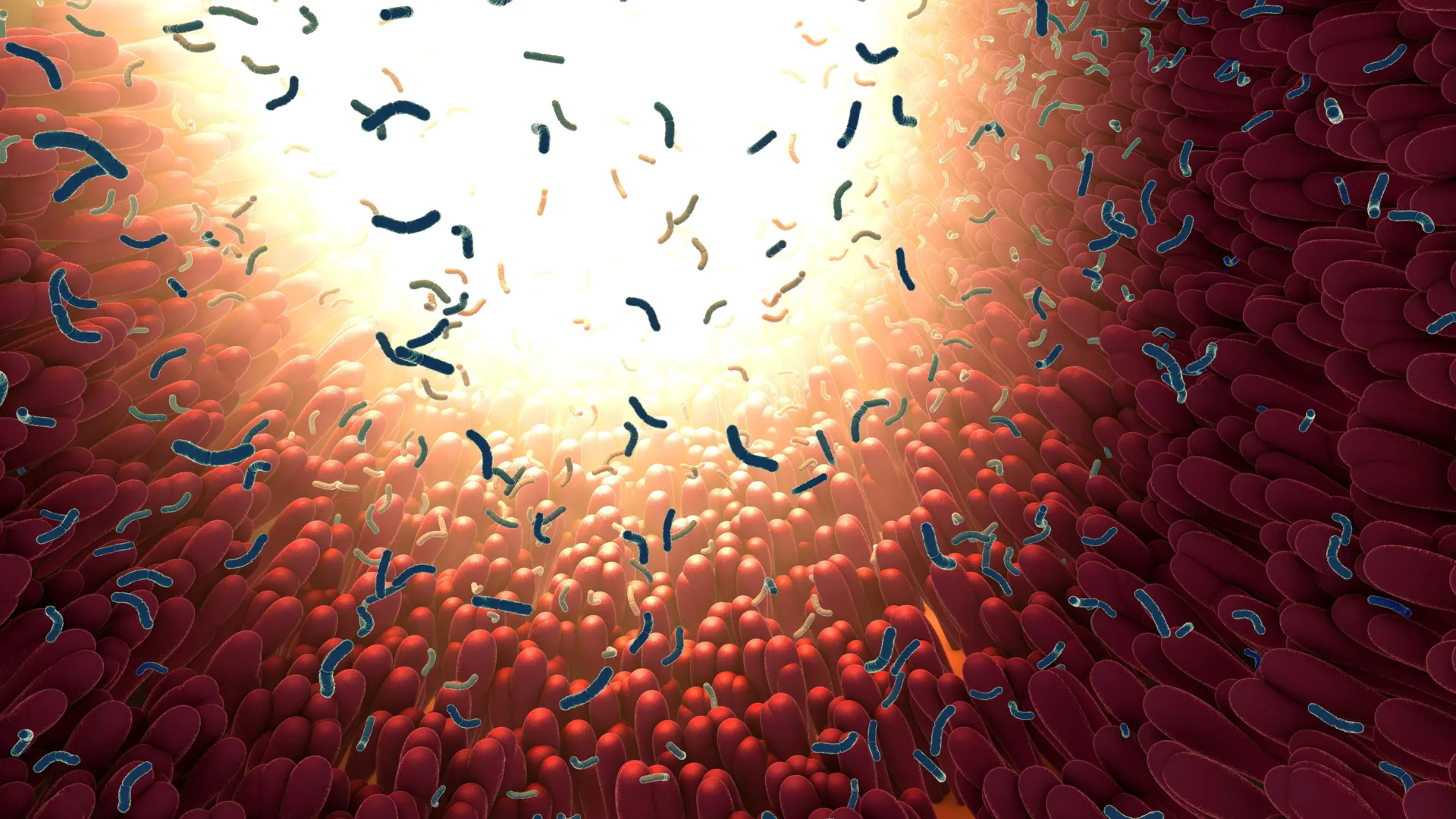
The most striking revelation emerged from experiments combining isosteviol, a sweetener derived from the stevia plant and widely used by the food and beverage industry, with duloxetine, a common antidepressant. This seemingly innocuous pairing led to a dramatic and sharp reduction in the growth of two critical bacterial species: Roseburia intestinalis and Parabacteroides merdae. Both species are recognized as important contributors to digestive health, blood sugar regulation, and overall immune function, underscoring the potential significance of their suppression.
While these compelling experiments were meticulously conducted in a controlled laboratory environment, the researchers wisely caution that direct extrapolation to human physiology requires further investigation. The intricate complexity of the human digestive system, with its diverse microbial ecosystem and varying individual factors, necessitates more research to definitively determine whether these bacterial changes translate into meaningful health effects under real-world conditions. Nevertheless, the study provides a crucial mechanistic insight into how sweeteners might exert their influence on human health.
Sweeteners: Not So Biologically Inactive After All
Sweeteners have become an indispensable part of modern diets, permeating countless everyday products ranging from soft drinks, candy, and desserts to breakfast cereals, snacks, and even certain medications designed to mask bitterness. They are aggressively marketed and consumed by millions globally as a seemingly guilt-free alternative, promising the satisfaction of sweetness with fewer calories or reduced sugar content. This widespread adoption has been driven by public health campaigns to reduce sugar intake and individual desires for weight management.
However, despite their pervasive use and perceived benefits, a growing body of epidemiological and experimental evidence has begun to cast a shadow on the biological neutrality of sweeteners. Observational studies have linked regular sweetener consumption with an increased risk of conditions such as type 2 diabetes, obesity, and even certain cancers. It is crucial to note that these associations do not establish direct causation; the precise biological processes underpinning these connections have remained largely elusive, prompting intense scientific inquiry.
One prominent hypothesis for how sweeteners might contribute to these health issues centers on the gut microbiome – the vast and dynamic community of trillions of bacteria, fungi, viruses, and other microorganisms residing within our digestive system. These microbes are far from passive inhabitants; they play a fundamental role in human health, aiding in the breakdown of complex carbohydrates, synthesizing essential vitamins, producing beneficial short-chain fatty acids (like butyrate), training and modulating the immune system, and influencing metabolic processes throughout the body. Disruptions in the delicate balance or overall diversity of this microbial ecosystem, often termed dysbiosis, are increasingly implicated in a wide array of health conditions, both within and beyond the gut.
Historically, the prevailing scientific consensus was that sweeteners, particularly artificial ones, passed through the digestive tract largely unabsorbed and unmetabolized, thus having no direct biological impact. Yet, the relative dearth of research specifically examining their direct effects on individual gut bacteria stands in stark contrast to their widespread consumption.
Professor Kiran Patil from the Medical Research Council (MRC) Toxicology Unit at the University of Cambridge, a senior author of the study, highlighted this knowledge gap: "Most of what we know about the potential impact of sweeteners on our health comes from animal research or from population studies. While these studies have indicated involvement of the microbiome in mediating the effect of sweeteners, it’s difficult to know how sweeteners act in the body — is it through direct interactions with our gut bacteria?" This question formed the very impetus for the Cambridge team’s rigorous investigation.
Adding another layer of complexity, Dr. Sonja Blasche, a lead author of the study and also from the MRC Toxicology Unit, pointed out a critical real-world factor: "Answering this is further complicated by the fact that we rarely ever take sweeteners by themselves — we take them with drinks, in snacks, or even in medication to mask bitterness." This insight underscored the necessity of studying sweeteners not in isolation, but in the context of their common co-consumption with other food components and pharmaceuticals.
A Deep Dive: Testing 39 Sweeteners Against the Gut’s Inhabitants
To address these fundamental questions, Dr. Blasche and her colleagues embarked on a comprehensive study published in Molecular Systems Biology. Their objective was two-fold: first, to systematically investigate how a broad spectrum of artificial and low-calorie sweeteners directly influences the growth of various gut bacteria; and second, to determine whether these effects are altered when sweeteners are combined with other substances frequently encountered in our daily diets and medical regimens.
The methodological rigor of the study was notable. The team began by culturing 25 distinct bacterial species separately in the laboratory, a selection carefully curated to represent a diverse cross-section of the human gut microbiome, encompassing species generally considered beneficial, neutral, or potentially harmful. This in vitro approach allowed for the precise observation of direct interactions, removing the confounding variables inherent in complex biological systems like the human body.
Each of these 25 bacterial species was then individually exposed to a panel of 39 commercially used sweeteners, covering both natural derivatives (like various steviol glycosides, including isosteviol) and artificial varieties (such as sucralose, aspartame, saccharin, and acesulfame potassium). The researchers meticulously monitored the growth kinetics of each bacterial culture, observing whether its multiplication rate slowed, ceased entirely, or remained unaffected.
The results were striking: approximately three-quarters (75%) of the tested sweeteners demonstrated an ability to affect the growth of at least one bacterial species. More concerningly, several of these sweeteners significantly reduced or even completely halted the growth of bacterial species commonly associated with a healthy and robust digestive system. This finding fundamentally challenges the long-held assumption of metabolic inertness, providing compelling evidence that some sweeteners are not simply passive substances that traverse the digestive tract without interacting with the vital organisms residing within.
More Than 100 Unexpected Interactions: The Synergy of Consumption
A critical aspect of the study, and one that significantly elevates its real-world relevance, was the investigation into how sweeteners behave when consumed in combination with other compounds. As Dr. Blasche rightly noted, people rarely consume a sweetener in isolation. It might be found alongside caffeine in a diet soda, vanillin (a common vanilla extract component) in a dessert, advantame (another artificial sweetener often used in blends), or as an excipient or active ingredient in a medication.
To mimic these complex, real-life consumption patterns, the researchers systematically paired the sweeteners with a selection of other substances, including caffeine, vanillin, advantame, and eight commonly used pharmaceutical drugs. This combinatorial approach revealed a staggering number of interactions: the team identified more than 100 instances where a sweetener’s effect on bacterial growth was significantly altered by the presence of another compound. In 34 cases, the combined effects became demonstrably stronger, indicating a synergistic interaction. Conversely, in 68 cases, the effects became weaker, suggesting an antagonistic relationship. These findings underscore a crucial point: the impact of a particular sweetener on the gut microbiome may not be uniform but could depend heavily on what else is consumed simultaneously, highlighting the inadequacy of studying food additives in isolation.
The Antidepressant Combination That Stood Out
Among the myriad combinations tested, one interaction proved particularly dramatic and warrants significant attention: the pairing of isosteviol with duloxetine. Duloxetine is a widely prescribed antidepressant, belonging to the serotonin-norepinephrine reuptake inhibitor (SNRI) class, used to treat a range of conditions including major depressive disorder, generalized anxiety disorder, diabetic peripheral neuropathic pain, fibromyalgia, and chronic musculoskeletal pain. Its widespread use is evident in statistics; over 4.2 million patients in the US alone received prescriptions for duloxetine in 2023, making its potential interaction with common food additives a matter of considerable public health interest.
When used together in the laboratory, isosteviol and duloxetine exhibited a potent synergistic effect, strongly suppressing the growth of Roseburia intestinalis and Parabacteroides merdae. Roseburia intestinalis is a particularly significant member of the gut microbiome, known for its ability to produce butyrate, a short-chain fatty acid that serves as a primary energy source for colonocytes (cells lining the colon) and plays a crucial role in maintaining gut barrier integrity, reducing inflammation, and regulating immune responses. Parabacteroides merdae, while less extensively studied than Roseburia, is also considered an important commensal bacterium, contributing to metabolic functions and potentially influencing host immunity. The sharp reduction of these two species, therefore, carries potential implications for digestive health and metabolic regulation, especially in individuals taking duloxetine.
Recognizing that studying bacteria one species at a time, while revealing direct effects, doesn’t fully capture the complexity of the human gut – a crowded and highly interactive ecosystem – the scientists advanced their research by constructing a simplified microbial community. This synthetic community contained all 25 bacterial species initially studied, allowing them to observe interactions within a more representative environment.
They allowed this synthetic community to stabilize and develop, then exposed it to various combinations of sweeteners and drugs, including the potent isosteviol-duloxetine pairing. The team meticulously tracked which species became more abundant, which declined, and critically, whether the community retained its overall variety and balance.
Gut Microbial Diversity Declined, Raising Alarm Bells
The results from the synthetic community experiments were equally compelling. The combination of isosteviol and duloxetine significantly reduced microbial diversity within this simplified ecosystem. Greater diversity is widely considered a hallmark of a resilient and healthy gut microbiome, as it confers stability and adaptability to environmental changes, although the ideal microbial composition can vary between individuals. A reduction in diversity can make the microbiome more susceptible to dysbiosis and less capable of performing its essential functions.
Beyond just reducing diversity, the combination also profoundly altered the community’s internal balance, allowing some bacterial species to flourish at the expense of others. Such shifts can disrupt critical metabolic pathways and lead to an imbalance of beneficial and potentially harmful microbial products.
Further sophisticated experiments within this system suggested that these microbial changes, induced by the isosteviol-duloxetine combination, led to increased toxicity toward certain host cells. Moreover, they disrupted the activity of other cells involved in inflammation and immune responses. These findings, while still within a laboratory model, raise the intriguing and concerning possibility that interactions between sweeteners, medications, and microbes could influence far more than just digestion, potentially extending to systemic inflammation, immune function, and overall host health.
Dr. Blasche succinctly summarized the paradigm-shifting nature of these discoveries: "Sweeteners are often marketed as metabolically neutral, but our study challenges this idea. We found that they can directly affect gut bacteria, particularly when mixed with other compounds such as medication and food additives. These common combinations could have unintended effects on our gut microbiome."
Human Studies Are Still Urgently Needed
Despite the robustness of the laboratory findings, the researchers are careful to emphasize that these results should not be prematurely interpreted as definitive proof that sweeteners or the tested combinations cause harm in people. The transition from in vitro laboratory experiments to in vivo human health outcomes is complex and requires careful consideration.
In the human digestive system, sweeteners undergo various processes that are not fully replicated in a petri dish. They may be absorbed into the bloodstream, chemically altered by host enzymes, diluted by digestive fluids, or broken down by other microbial species before reaching specific target microbes. Furthermore, a myriad of individual factors – including diet, genetics, existing medication use, and the unique composition of a person’s pre-existing microbiome – could profoundly change the outcome of such interactions.
Therefore, the critical next step involves comprehensive human studies. Future research will need to determine whether similar interactions occur within the human gut, what specific doses of sweeteners and medications would be required to elicit these effects, and crucially, whether any observed microbial changes produce measurable and clinically significant effects on human health. This could involve randomized controlled trials, long-term observational studies with detailed microbiome analysis, and investigations into specific patient populations.
Professor Patil, the study’s senior author, underscored the broader implications and future directions: "Our study suggests that artificial sweeteners don’t just pass through the body passively – they can interact with gut microbes, and these effects can be amplified or altered by other substances like medications. These findings can help guide new studies towards understanding how sweeteners might influence health in unexpected ways."
The research, funded by the European Union’s Horizon 2020 program and the UK Medical Research Council, represents a significant step forward in our understanding of how dietary additives interact with our internal microbial world. While not providing definitive answers for human health yet, it lays a crucial foundation, urging both consumers and the scientific community to reconsider the "inert" label often applied to sweeteners and to explore the complex interplay between our diet, medications, and the vital ecosystem within us. These findings call for a more nuanced approach to public health recommendations and food product development, emphasizing the need for thorough safety assessments that account for the dynamic and interactive nature of our internal biology.
