
 By admin
What initially seemed like a trivial inconvenience—handing over my suitcase at the jet bridge—resulted in me spending three days of a five-night trip to Vienna without the majority of my belongings. I was in the Austrian capital for the Eurovision Song Contest, an event known for its glamour and high-energy festivities, and I suddenly found myself facing the Grand Final rehearsals with nothing but the clothes on my back and a small personal item.
The Anatomy of a Baggage Disappearance
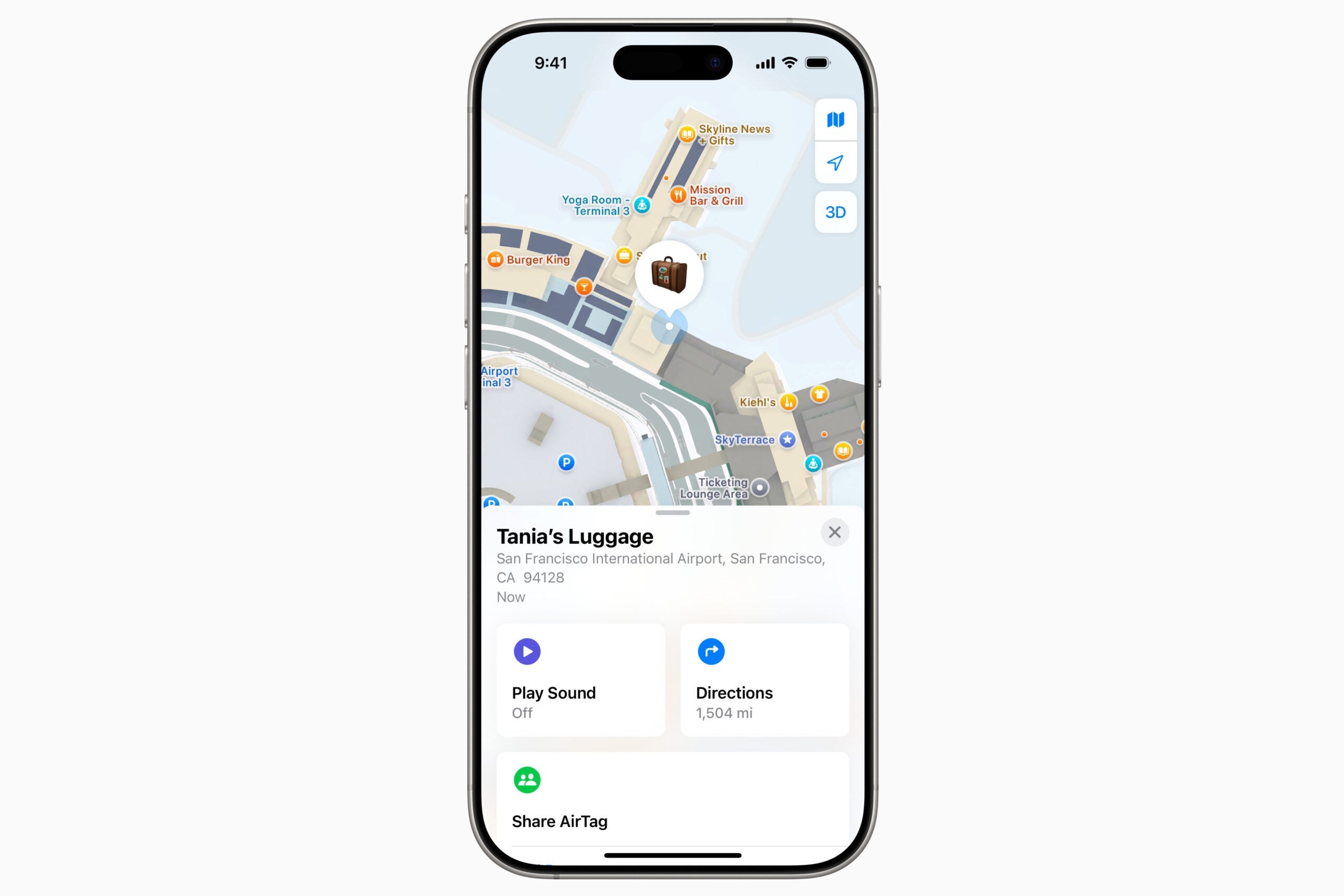
The realization that my luggage had not made the journey hit me at the baggage claim in Vienna International Airport (VIE). As the carousel slowed and eventually stopped, I was the last passenger standing in the hall. In the modern era of travel, I had prepared for this possibility by placing an Apple AirTag inside my suitcase. For a fleeting moment, I hoped the technology was simply lagging, but a quick check of the "Find My" app confirmed my fears: my bag was still broadcasting a live location from Valencia, nearly 1,000 miles away.

This data point was crucial. While the airline’s systems might take hours to update, the AirTag provided immediate, actionable intelligence. I knew exactly where my bag was, which allowed me to bypass the "maybe it’s on the next flight" uncertainty and move straight into recovery mode.
Fortunately, I had the foresight to book my flight using the Chase Sapphire Reserve. This premium travel credit card is often touted for its lounge access and point-earning potential, but its most underrated feature is its robust suite of travel protections. Among these, baggage delay insurance stands out as a literal lifesaver. By leveraging both the airline’s legal obligations and the card’s insurance benefits, I was able to recover every cent spent on replacement items—and actually ended up approximately $25 ahead due to currency fluctuations.
Navigating the Strict Standards of European Aviation
To understand why my bag was flagged, one must look at the divergence between U.S. and European aviation standards. In the United States, major carriers like Delta or United are often lenient with carry-on sizes as long as the bag fits in the overhead bin. However, European carriers often adhere strictly to International Air Transport Association (IATA) guidelines or their own even tighter internal metrics.
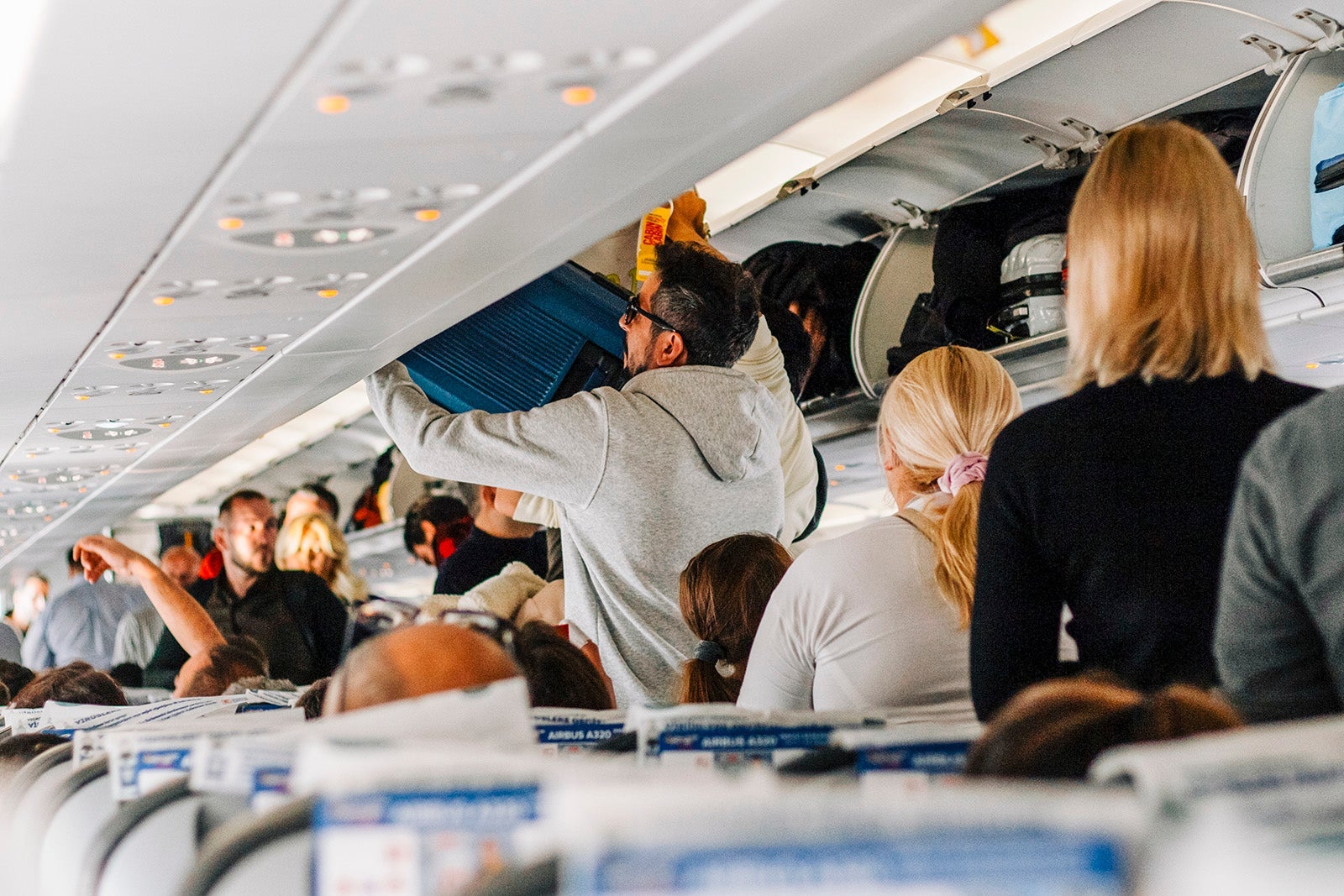
Austrian Airlines, for instance, typically limits carry-on bags to 55 x 40 x 23 cm (approximately 21.6 x 15.7 x 9 inches) and a weight of 8 kg (17.6 lbs). Many standard U.S. "rollaboard" suitcases are 22 inches tall, a seemingly negligible difference that becomes a dealbreaker at a European gate equipped with a sizing sizer. Furthermore, as airlines move toward "Basic Economy" or "Light" fares, the overhead bin space has become a secondary revenue stream, leading to more aggressive enforcement of dimensions to encourage checking bags.
The Immediate Response: Kiosks and Documentation
Upon confirming my bag was missing, my first stop was the Austrian Airlines baggage service area. In many airports, this involves a grueling wait in a long line to speak with a tired agent. However, Vienna Airport has streamlined this process with self-service kiosks. By scanning my boarding pass and baggage tag, I was able to file a Property Irregularity Report (PIR) in under five minutes.
The PIR is the most critical document in any baggage claim. It serves as the official record of the delay and is required by both the airline and insurance companies for reimbursement. I received my case number via email instantly and took photos of my physical baggage tag as a backup. I also utilized Austrian’s baggage portal to upload my AirTag tracking link—a feature more airlines are beginning to integrate to help locate stranded items within large sorting facilities.
The Strategy of Essential Replacement
After filing the report, I analyzed the flight schedules. There wasn’t another nonstop flight from Valencia to Vienna for two days. Factoring in the time for the bag to be processed and delivered to my hotel, I estimated a three-day delay. This projection was vital for determining my "reasonable" spending.
Under the Montreal Convention—a multilateral treaty that governs international air travel—airlines are liable for "damages" caused by delay, which includes the cost of purchasing necessary items. However, the definition of "necessary" is often a point of contention. Knowing I had a three-day window, I visited four different stores in Vienna and spent a total of $349. My purchases included:
- Three changes of clothes (shirts, trousers, and undergarments).
- A lightweight jacket for the cooler Viennese evenings.
- Basic footwear suitable for walking between Eurovision venues.
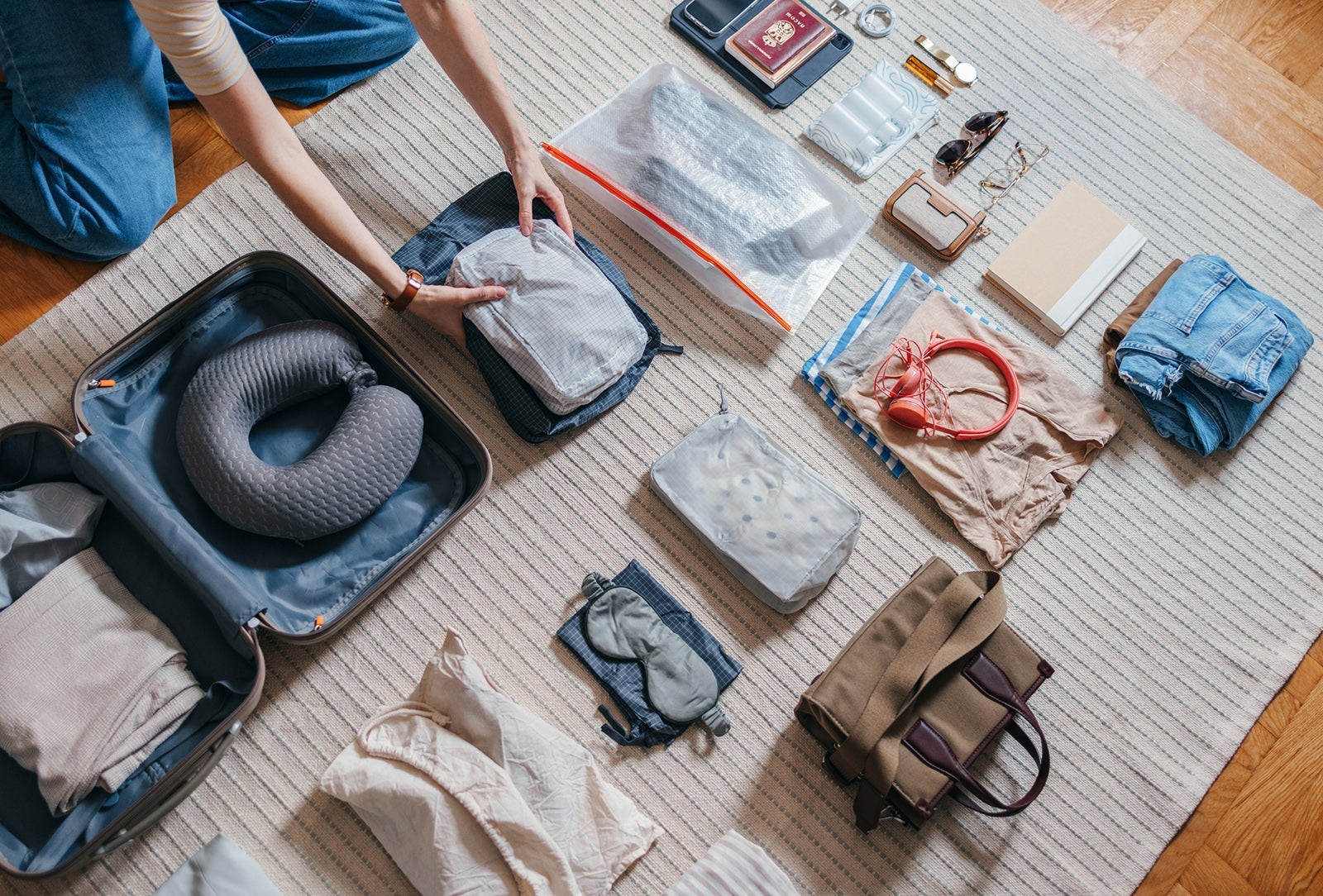
I avoided purchasing high-end designer wear or luxury toiletries. I also benefited from a long-standing travel habit: I always pack medications, essential electronics, and basic toiletries in my personal item. This "survival kit" ensures that even if a suitcase vanishes, my health and connectivity remain intact.

The Reimbursement Maze: Airline vs. Insurance
Once my bag was delivered to my hotel on the third day, the real work began: the claims process. This is where many travelers lose heart, but staying organized is the key to success.
Phase 1: The Airline Claim
I submitted my receipts to Austrian Airlines immediately. Their response was swift but revealed a common industry practice. According to Austrian’s policy—and that of many European carriers—reusable items like clothing are often only reimbursed at 50% of the purchase price. The logic used by airlines is that the passenger retains the clothing after the trip, providing long-term value. Single-use items, such as toiletries, are typically reimbursed at 100%.
Austrian approved a payment of 179 euros (roughly $205), leaving me with a $144 deficit. Had I relied solely on the airline, I would have been significantly out of pocket for an error that was not mine.

Phase 2: The Credit Card Claim
This is where the Chase Sapphire Reserve’s baggage delay insurance became the hero of the story. Because this coverage is "secondary," I had to provide proof of the airline’s partial payment before Chase’s administrator, Virginia Surety Company, would step in.
The Sapphire Reserve benefit covers up to $100 per day for five days if a bag is delayed by more than six hours. I submitted the following documentation through the online portal:
- The original flight receipt showing the flight was paid for with the card.
- The Property Irregularity Report (PIR) from the airport.
- The settlement letter from Austrian Airlines showing the 50% payout.
- Copies of all purchase receipts.
Six days later, my claim was approved. Virginia Surety reimbursed the remaining $169. Because of the way the exchange rates fluctuated between the time of purchase and the time of reimbursement, the total amount I received was $374, covering my $349 spend and leaving a small surplus.

Lessons for the Modern Traveler
This experience, while frustrating, offered several high-level takeaways for anyone navigating the current state of global aviation:
1. The Power of "Secondary" Benefits:
Many travelers ignore cards with high annual fees, like the Sapphire Reserve ($550) or the Amex Platinum ($695). However, one baggage delay or trip cancellation can pay for the annual fee in a single stroke. It is important to note that while the Amex Platinum offers "Lost Luggage" protection, it does not currently offer "Baggage Delay" coverage for essential purchases, making the Chase Sapphire Reserve or the Sapphire Preferred superior choices for this specific risk.
2. The AirTag Advantage:
While an AirTag cannot force an airline to move faster, it provides the passenger with leverage. Knowing your bag is in Valencia when an agent claims it’s "on the way" allows you to escalate the issue with facts rather than frustrations. Apple’s recent update allowing users to share a temporary "Find My" link with third parties (like airlines) is a game-changer for baggage recovery.
3. The Montreal Convention Knowledge Gap:
Travelers should know that for international flights, the airline’s liability is capped at approximately 1,288 Special Drawing Rights (SDR), which translates to about $1,700. This is the maximum you can claim for lost or delayed baggage. Understanding these rights prevents airlines from low-balling passengers with "goodwill vouchers" that are worth far less than the legal entitlement.
4. Organization is a Currency:
The ease of my claim was entirely dependent on documentation. I photographed every receipt against a neutral background the moment I left the store. I kept a digital folder of every email from the airline. In the world of insurance, if it isn’t documented, it didn’t happen.
Bottom Line
I never wanted to gate-check my bag, and I still believe that if a bag fits in the bin, it should stay with the passenger. However, the reality of modern air travel involves shrinking seats, smaller bins, and stricter enforcement. By combining technological tracking, a deep understanding of passenger rights, and the financial safety net of a premium credit card, I transformed a potential travel disaster into a manageable hitch. My Eurovision experience remained focused on the music and the atmosphere of Vienna, rather than the stress of a missing wardrobe. For the frequent traveler, the right credit card isn’t just about the points—it’s about the peace of mind when the carousel stops turning.
