
 By admin
The current promotional environment is characterized by a "stacking" philosophy, where the most successful travelers combine multiple offers—such as a credit card welcome bonus, a targeted merchant offer, and an airline shopping portal incentive—to achieve a return on spend that far exceeds the standard 1% or 2% offered by traditional cashback cards. For those looking to book the vacation of their dreams, the following roundup provides a comprehensive analysis of the most lucrative deals currently available in the market.
Airline Loyalty Program Analysis: TAP Air Portugal and Delta SkyMiles
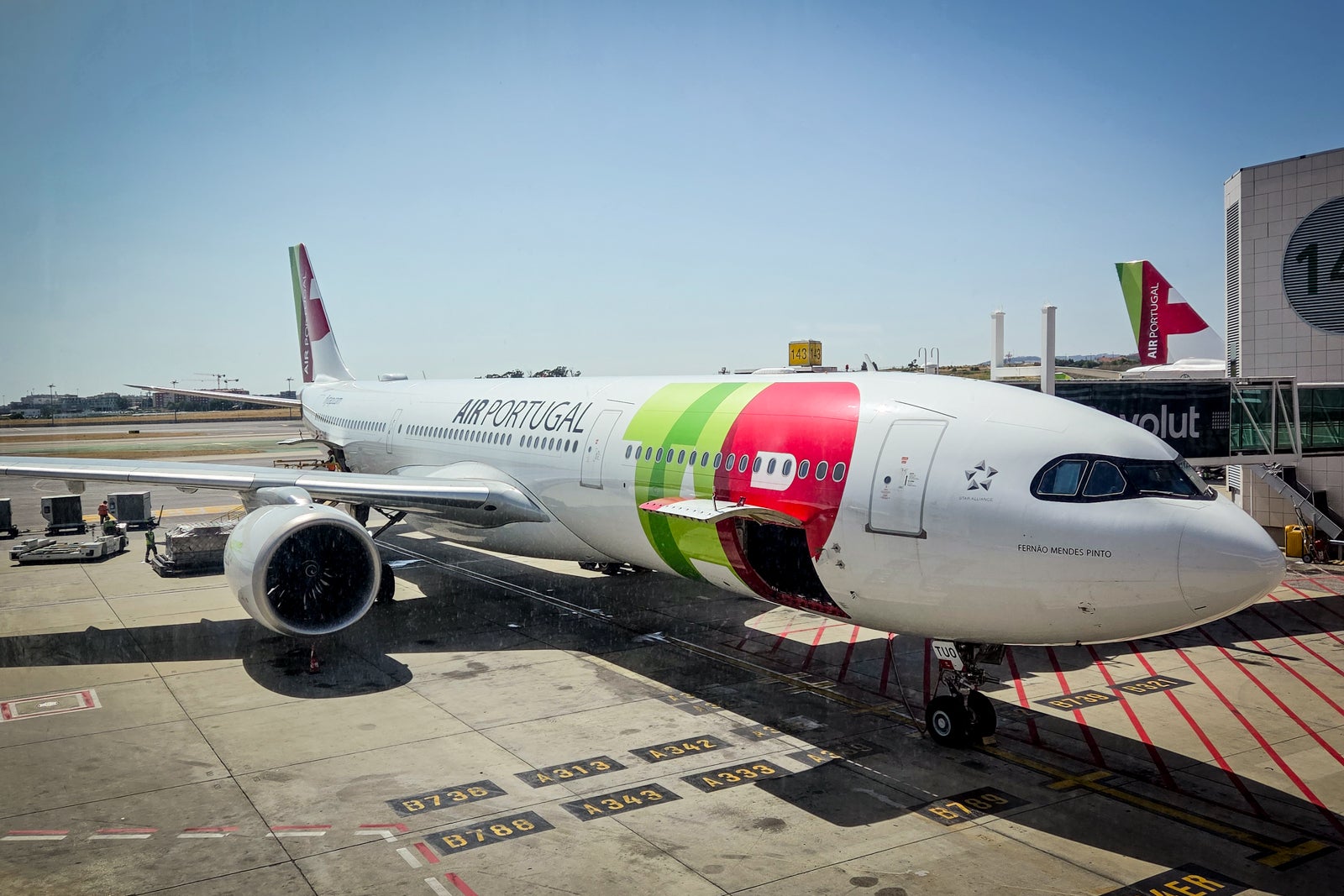
One of the most compelling offers this month comes from TAP Air Portugal, a Star Alliance member that has increasingly become a favorite for travelers seeking affordable business-class access to Europe. Through July 26, 2026, the Miles&Go program is offering a 50% bonus on miles earned for business-class flights operated by TAP Air Portugal and TAP Express between the United States and Europe. To qualify, travelers must complete their journeys by August 31, 2026.
This promotion is particularly noteworthy because business-class fares often represent the highest margin for airlines and the highest "cent-per-point" value for travelers. By boosting the earning rate by 50%, TAP is effectively lowering the future cost of award travel for its premium passengers. Industry experts suggest that this move is a strategic attempt to capture late-summer business traffic and build loyalty ahead of the traditionally slower autumn shoulder season. When combined with TAP’s popular "Portugal Stopover" program, which allows passengers to stay in Lisbon or Porto for up to ten days without additional airfare, the value proposition for a European excursion becomes even more attractive.

Simultaneously, Delta Air Lines is doubling down on its "lifestyle loyalty" strategy. Rather than focusing solely on flight activity, Delta SkyMiles is offering a suite of summer deals that incentivize spending on peripheral travel services. Members can earn bonus SkyMiles on hotel bookings, rental car reservations, and even the purchase of gift cards. This shift reflects a broader trend in the aviation industry where loyalty programs are becoming massive financial engines independent of the actual flying experience. For Delta, these promotions help keep the SkyMiles currency "top of mind" for consumers during their entire vacation planning process, not just when they are at 30,000 feet.
The Power of Shopping Portals: Back-to-School Bonuses
As July progresses, the retail sector begins its transition toward the back-to-school season, a period that historically rivals the winter holidays in terms of consumer spending. Airline shopping portals are capitalizing on this by offering tiered bonuses. Currently, several major portals are offering up to 2,500 bonus miles for reaching specific spending thresholds.
For the uninitiated, airline shopping portals are a "free" way to earn miles. By clicking through a portal like the AAdvantage eShopping or United eStore before making a purchase at a retailer like Apple, Best Buy, or Nike, the consumer earns a set number of miles per dollar spent in addition to whatever rewards their credit card provides. The current 2,500-mile bonus acts as a powerful "kicker." If a traveler is already planning to purchase a new laptop or a wardrobe for the upcoming school year, these portals can generate enough miles for a domestic one-way flight or a significant upgrade, essentially providing a 5% to 10% rebate in the form of travel currency.
Hotel Loyalty Updates: One Key, Marriott, and IHG
In the hospitality sector, the One Key loyalty program—which unites Expedia, Hotels.com, and Vrbo—is offering a quick-win promotion. Members who book a qualifying stay by July 26 can earn an additional $20 in OneKeyCash. While $20 may seem modest compared to six-figure credit card bonuses, the simplicity of the offer is its strength. One Key has positioned itself as the go-to program for "loyalty agnostics" who prefer independent boutique hotels or vacation rentals over major chains. This promotion is a tactical move to drive volume during a high-competition booking window.

For those who prefer the traditional "big brand" experience, the Marriott Bonvoy and Emirates Skywards partnership remains one of the most robust "cross-pollination" agreements in travel. Elite members of either program can currently earn 5,000 bonus Bonvoy points for stays completed by September 30, 2026. This partnership, known as "Your World Rewards," is a prime example of how status in one vertical (airlines) can translate into tangible benefits in another (hotels). A 5,000-point bonus is roughly equivalent to a $40–$50 value based on current valuations, making it a significant perk for business travelers frequenting global hubs like Dubai, London, or New York.
Furthermore, IHG One Rewards is focusing its promotional energy on the Asia-Pacific market. Members dining at participating outlets in Korea and Southeast Asia through August 31, 2026, can earn double points. This reflects the massive post-pandemic recovery and growth in Asian tourism. For IHG, which has a massive footprint in the region through its InterContinental and Regent brands, incentivizing on-property dining is a way to capture a larger share of the "wallet" from international tourists who are increasingly seeking high-end culinary experiences.
Credit Card Strategy: The Chase Sapphire Preferred 100k Offer
Perhaps the biggest news in the credit card world this July is the impending conclusion of the 100,000-point welcome offer for the Chase Sapphire Preferred Card. This card has long been considered the "gold standard" for entry-level travel rewards due to its reasonable annual fee and the high flexibility of Chase Ultimate Rewards points.
An offer of 100,000 points is historically rare and carries a massive valuation. When redeemed through the Chase Travel portal, these points are worth $1,250. However, savvy "award hackers" often transfer these points to partners like World of Hyatt or United Airlines, where the value can easily exceed $2,000. The expiration of this offer marks the end of a highly aggressive customer acquisition phase for Chase, and analysts expect a more conservative offer to follow. For those who have been "on the fence" about adding this card to their wallet, the current window represents a peak opportunity.
In addition to broad welcome offers, cardholders should be diligent about checking "targeted" offers. American Express and Chase have both rolled out significant discounts for Viator, a popular tour and activity aggregator. Amex users may find a $40 statement credit on a $250 purchase, while Chase users are seeing 8% cashback offers. These are essentially "found money" for travelers who were already planning to book a guided tour of the Colosseum or a sunset cruise in Santorini.
The Rise of Award Search Tools
As loyalty programs have become more complex, a new sub-industry of award search tools has emerged to help travelers find the elusive "saver level" seats. This week, TPG highlights exclusive deals for Roame.travel and Point.me. These platforms allow users to search dozens of airline programs simultaneously to find which one offers the lowest price in points for a specific route.
The 25% discount on Roame and the four-month free trial for Point.me are significant because these tools have become almost mandatory for those looking to book international first or business-class cabins. In 2026, the "manual search" method—checking each airline’s website individually—is no longer efficient given how quickly award inventory disappears. These tools democratize access to high-value redemptions that were previously reserved for professional travel consultants.
Conclusion and Strategic Outlook
The promotions of July 2026 underscore a fundamental truth about modern travel: value is no longer just about the lowest price, but about the highest return on engagement. Whether it is Hilton’s unique "Dog Days of Summer" deal for pet lovers at AutoCamp properties or the high-stakes 100k bonus from Chase, the industry is moving toward hyper-segmented offers designed to appeal to specific traveler personas.

To navigate this landscape successfully, travelers must remain organized. Utilizing apps to track "Amex Offers," signing up for airline newsletters, and using specialized search tools are the three pillars of a modern points strategy. As we look toward the end of the year, the data suggests that those who lock in these high-value offers now will be the ones enjoying "free" premium travel during the 2027 season. The window for these specific July deals is closing fast, making this the critical week for travelers to audit their loyalty accounts and finalize their booking strategies.
