
 By admin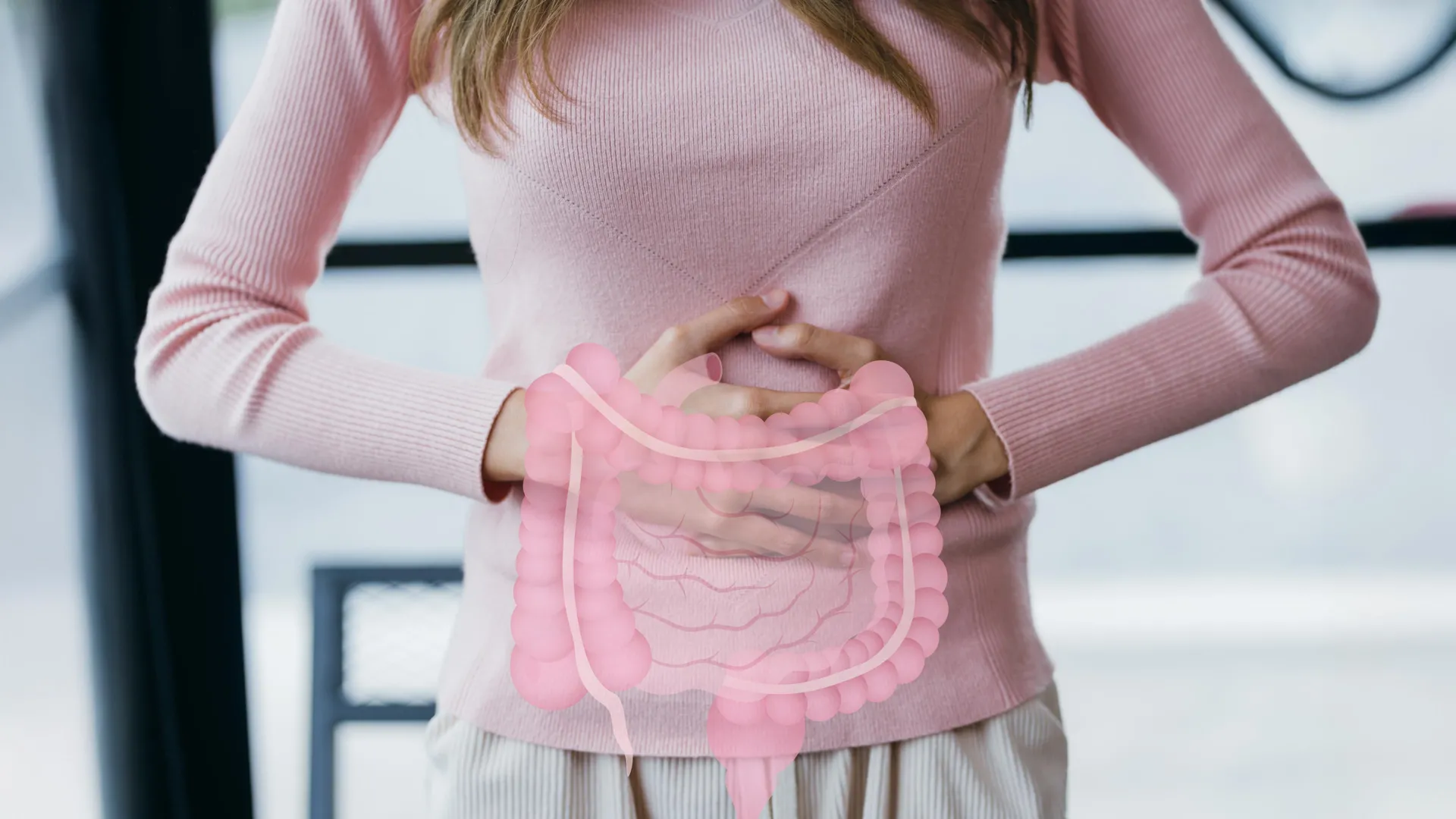
The study, meticulously conducted by Dr. Keisuke Obara, Dr. Kento Yoshioka, and Professor Yoshio Tanaka, delved into the molecular mechanisms by which ferulic acid exerts its effects. Their research reveals that FA effectively reduces intestinal smooth muscle contractions by specifically targeting and blocking voltage-dependent calcium channels. This precise inhibitory action on a fundamental cellular process governing muscle contraction could pave the way for natural approaches to alleviate symptoms in patients suffering from conditions characterized by excessive gut movement.
The Enigma of Gut Motility Disorders: A Global Health Challenge
Intestinal motility disorders represent a significant global health burden, affecting a substantial portion of the population and often leading to chronic discomfort, pain, and a diminished quality of life. Irritable Bowel Syndrome (IBS), a functional gastrointestinal disorder, is characterized by abdominal pain or discomfort, bloating, and altered bowel habits, ranging from diarrhea-predominant (IBS-D) to constipation-predominant (IBS-C) or mixed types. Its pathophysiology is complex, involving dysregulation of the gut-brain axis, visceral hypersensitivity, and, crucially, abnormal gastrointestinal motility. Patients with IBS-D, for instance, often experience hypercontractility, leading to rapid transit and urgent bowel movements.
Inflammatory Bowel Disease (IBD), encompassing Crohn’s disease and ulcerative colitis, involves chronic inflammation of the digestive tract. While primarily an inflammatory condition, IBD also frequently presents with motility disturbances. Periods of active inflammation can exacerbate irregular and often hyperactive gut contractions, contributing to symptoms like abdominal pain, cramping, and diarrhea. Current therapeutic options for both IBS and IBD, while evolving, often come with side effects or are not universally effective, leaving a significant unmet need for safer, more natural, and highly targeted interventions.
The Gut’s Rhythmic Dance: A Delicate Balance
Normal gastrointestinal motility is a marvel of biological engineering, a highly coordinated sequence of muscle contractions and relaxations that propels food, nutrients, and waste through the digestive system. This rhythmic movement, known as peristalsis, along with segmentation contractions that mix contents, is orchestrated by the enteric nervous system (ENS), often dubbed the "second brain," embedded within the gut wall. Smooth muscle cells lining the digestive tract are the primary effectors of these movements. Their contraction is critically dependent on the influx of calcium ions (Ca2+) into the cell, which then triggers a cascade of events leading to muscle shortening.
In conditions like IBS and IBD, this delicate balance can be disrupted. The gut muscles may contract too forcefully or too frequently (hypercontractility), leading to symptoms like diarrhea and cramps, or they may contract too weakly or infrequently (hypocontractility), resulting in constipation. Understanding and modulating these muscular activities at a fundamental level is key to developing effective treatments.
Introducing Ferulic Acid: A Bioactive Powerhouse from Nature
Ferulic acid (FA) is a fascinating compound, a hydroxycinnamic acid, belonging to the broader class of polyphenols. These natural plant compounds are renowned for their diverse biological activities and are increasingly recognized for their potential health benefits. FA is particularly abundant in the cell walls of plants, where it plays a role in structural integrity and defense against pathogens. Its presence is especially notable in whole grains, such as rice bran, wheat, and oats, as well as in other common dietary sources including coffee, citrus fruits, and certain vegetables like spinach and parsley. Given its ubiquitous presence in a healthy diet, the potential for dietary intake to exert physiological effects is substantial.
Before this latest research, ferulic acid was already well-regarded in the scientific community for its robust antioxidant and anti-inflammatory properties. It is known to effectively scavenge free radicals, thereby mitigating oxidative stress, a key contributor to aging and various chronic diseases. Its anti-inflammatory effects have been demonstrated in numerous in vitro and in vivo models, suggesting a role in reducing systemic inflammation. Furthermore, FA has shown neuroprotective potential, with studies exploring its benefits in conditions like Alzheimer’s and Parkinson’s disease. These established benefits have positioned FA as a compound of significant interest in nutraceutical and pharmaceutical research.
However, despite this wealth of knowledge, its direct and specific effects on gastrointestinal motility – the coordinated muscle activity that moves food and waste through the digestive system – remained largely unexplored. This gap represented a crucial area for investigation, given FA’s dietary prevalence and its known interactions with biological systems.
Toho University’s Groundbreaking Investigation: Unveiling a New Mechanism
The research team at Toho University, led by Dr. Obara, Dr. Yoshioka, and Professor Tanaka, hypothesized that if ferulic acid possessed such widespread biological activity, it might also directly influence the contractile machinery of the gut. Their rigorous investigation sought to determine whether FA could directly alter these contractions, potentially offering a novel, naturally derived agent for gut health.
To investigate this, the team employed a sophisticated ex vivo experimental model using guinea pig ileal longitudinal smooth muscle (ILSM). Guinea pig gut tissue is a well-established and highly relevant model for studying human intestinal physiology due to its anatomical and functional similarities, offering a controlled environment to observe direct tissue responses without the complexities of systemic metabolism or neural regulation that occur in vivo.
The researchers induced muscle contractions in the isolated ILSM tissue using a variety of signaling molecules, each representing different physiological pathways that contribute to gut motility. These included:
- Acetylcholine: A primary neurotransmitter of the parasympathetic nervous system and the enteric nervous system, responsible for stimulating muscle contraction.
- Histamine: A mediator involved in allergic reactions and inflammation, but also a modulator of gut motility.
- Prostaglandin F2α: A potent lipid mediator known to induce smooth muscle contraction in various tissues, including the gut.
- Serotonin (5-hydroxytryptamine, 5-HT): A crucial neurotransmitter and hormone in the gut, playing a complex role in regulating motility, secretion, and sensation.
By using these diverse agents, the researchers aimed to determine if FA’s effect was specific to a single pathway or if it modulated a more fundamental, shared mechanism of muscle contraction. Muscle contractions were precisely measured using specialized tension transducers, allowing for quantitative analysis of FA’s impact.
Unveiling Ferulic Acid’s Direct Impact: A Potent and Reversible Inhibitor
The results were compelling and remarkably consistent: ferulic acid significantly reduced contractions triggered by all the tested signaling molecules. This broad inhibitory effect across multiple physiological pathways immediately suggested that FA wasn’t simply blocking a single receptor, but rather interfering with a more fundamental, downstream process common to all these contraction-inducing stimuli.
Further analysis revealed two critical characteristics of FA’s inhibitory effect:
- Reversibility: Upon removal of ferulic acid from the experimental setup, normal contractions promptly returned. This indicates that FA is not causing irreversible damage to the muscle cells but is rather acting as a modulator, temporarily dampening their activity. This reversibility is a highly desirable characteristic for any potential therapeutic agent, as it allows for fine-tuning of dosage and avoids permanent alterations to physiological function.
- Concentration-Dependency: The strength of FA’s inhibitory effect was directly proportional to its concentration. Higher concentrations led to stronger reductions in muscle contraction. This dose-response relationship is a hallmark of specific pharmacological action, distinguishing it from non-specific toxic effects and providing a basis for determining effective dosages in future applications.
Perhaps the most insightful finding regarding the mechanism was that FA acted in a noncompetitive manner. In pharmacology, a noncompetitive inhibitor binds to an enzyme or receptor at a site different from the active site (or ligand-binding site), thereby altering the conformation of the protein and reducing its activity, regardless of the concentration of the activating ligand. In this context, it meant that FA wasn’t simply outcompeting acetylcholine, histamine, or serotonin for their respective receptors. Instead, it was interfering with a shared, downstream mechanism involved in muscle contraction, suggesting a more fundamental target. This crucial clue directed the researchers towards investigating the cellular machinery responsible for smooth muscle contraction itself.
The Calcium Connection: Unraveling the Fundamental Mechanism
Smooth muscle contraction is a tightly regulated process, and central to it is the precise control of intracellular calcium ion (Ca2+) levels. When a smooth muscle cell receives a signal to contract (e.g., from a neurotransmitter or hormone), there’s a rapid increase in Ca2+ within the cell’s cytoplasm. This calcium surge originates from two main sources:
- Extracellular Influx: Ca2+ enters the cell from the surrounding extracellular space through specialized ion channels embedded in the cell membrane. These include voltage-dependent calcium channels (VDCCs), which open in response to changes in the cell’s electrical potential (depolarization), and receptor-operated calcium channels.
- Intracellular Release: Ca2+ is also released from internal stores within the cell, primarily the sarcoplasmic reticulum, through channels activated by various signaling pathways.
Once inside the cytoplasm, calcium binds to a protein called calmodulin. The calcium-calmodulin complex then activates an enzyme called myosin light chain kinase (MLCK). MLCK phosphorylates the myosin light chains, enabling the myosin heads to interact with actin filaments, leading to cross-bridge cycling and ultimately, muscle contraction. Therefore, anything that reduces intracellular calcium levels will effectively inhibit smooth muscle contraction.
With the knowledge that FA acted noncompetitively and broadly, the Toho University team performed additional experiments using vascular smooth muscle cell models to pinpoint the exact mechanism. They found that FA significantly reduced the rise in intracellular calcium caused by potassium chloride (KCl). KCl is a well-known agent that depolarizes the cell membrane, specifically opening voltage-dependent calcium channels and causing a rapid influx of Ca2+ from the extracellular space. By demonstrating that FA could attenuate this KCl-induced calcium influx, the researchers conclusively identified that ferulic acid suppresses smooth muscle contraction by inhibiting voltage-dependent calcium channels. This inhibition reduces the crucial calcium signals needed for the muscles to tighten, effectively acting as a natural muscle relaxant.
Therapeutic Potential and Nuances: A Double-Edged Sword
These findings position ferulic acid as a compelling candidate for a natural regulator of intestinal motility. By calming excessive smooth muscle activity, FA could potentially offer significant relief for individuals suffering from conditions characterized by hypercontractility, such as diarrhea-predominant IBS (IBS-D) and certain forms of IBD where overactive gut muscles contribute to debilitating symptoms like cramping, urgency, and frequent bowel movements. In essence, FA could function as a natural antispasmodic, easing the painful and disruptive contractions that define these conditions.
However, the researchers also highlighted a crucial nuance: the same effect that is beneficial for some could be detrimental for others. In patients with constipation-predominant IBS (IBS-C), or even in healthy individuals, further slowing intestinal movement could exacerbate constipation or related symptoms like bloating and discomfort. This underscores the critical importance of personalized medicine and careful patient selection when considering any dietary or therapeutic intervention. A one-size-fits-all approach is unlikely to be effective, and indeed, could be counterproductive for certain patient populations.
Bridging the Gap: From Lab to Clinic
While the ex vivo findings are robust and mechanistically clear, the journey from laboratory discovery to clinical application is long and complex. The researchers emphasized that the concentrations of FA required to produce these effects in vitro were notably higher than the typical blood levels achieved through normal dietary intake. This observation raises an important question about the direct translatability of these findings to humans consuming FA-rich foods.
Nevertheless, there are compelling reasons why this discrepancy might not be a deal-breaker for FA’s therapeutic potential:
- Direct Gut Contact: When ferulic acid is consumed in food or supplements, it comes into direct contact with the cells lining the digestive tract before significant systemic absorption occurs. This means that local concentrations of FA within the gut lumen and at the surface of intestinal smooth muscle cells could be substantially higher than its eventual circulating blood levels. This direct interaction could allow FA to exert its effects locally where they are most needed.
- Chronic Exposure: Even if systemic levels are modest, consistent daily intake of FA-rich foods or supplements could lead to chronic exposure of gut tissues to the compound, potentially resulting in cumulative beneficial effects over time.
- Metabolite Activity: Ferulic acid is metabolized by both gut microbiota and host enzymes (e.g., in the liver). It is possible that some of these metabolites also possess similar or even enhanced calcium channel blocking activity, contributing to the overall pharmacological effect in vivo. Further research into FA’s metabolism and the bioactivity of its metabolites in the gastrointestinal tract is warranted.
Therefore, the study provides a vital scientific foundation for investigating whether ferulic acid could eventually be harnessed in targeted dietary interventions or as a component in novel supplements designed to regulate gut movement. The next crucial step involves rigorous clinical trials in humans. These trials will be necessary to:
- Confirm Efficacy: Determine if the observed ex vivo effects translate to meaningful clinical benefits in human patients.
- Patient Stratification: Identify which specific patient populations (e.g., IBS-D patients, certain IBD subtypes) would benefit most from FA supplementation.
- Dosage and Safety: Establish safe and effective intake levels for therapeutic purposes, whether through dietary modifications, fortified foods, or targeted supplements.
- Bioavailability and Metabolism: Gain a deeper understanding of how FA is absorbed, distributed, metabolized, and excreted in the human body, particularly concerning its local concentrations within the gut.
Broader Implications and Future Directions
This research from Toho University opens a new chapter in the exploration of phytotherapy for gastrointestinal health. The identification of ferulic acid as a natural calcium channel blocker with specific effects on gut smooth muscle contraction has broader implications for functional foods and nutraceuticals. Imagine a future where dietary recommendations or specialized food products, enriched with naturally derived compounds like ferulic acid, could help manage chronic digestive conditions without the side effects often associated with conventional pharmaceuticals.
Moreover, this work contributes to the growing understanding of how diet and specific bioactive food components can interact with complex physiological systems. It highlights the potential for plant-derived compounds to offer targeted relief for challenging conditions, reinforcing the concept that "food is medicine." As research continues, the integration of such natural compounds into evidence-based medical practices could offer a more holistic and personalized approach to digestive well-being.
In conclusion, the Toho University study provides compelling evidence that ferulic acid, a compound readily available in our diet, possesses the capacity to directly modulate intestinal smooth muscle contractions by inhibiting voltage-dependent calcium channels. While human clinical trials are indispensable to validate these findings and translate them into practical applications, this discovery represents a significant leap forward in understanding the therapeutic potential of natural compounds for managing debilitating gut motility disorders, offering a beacon of hope for millions seeking more natural and effective solutions for their digestive health.
