
 By Lina Irawan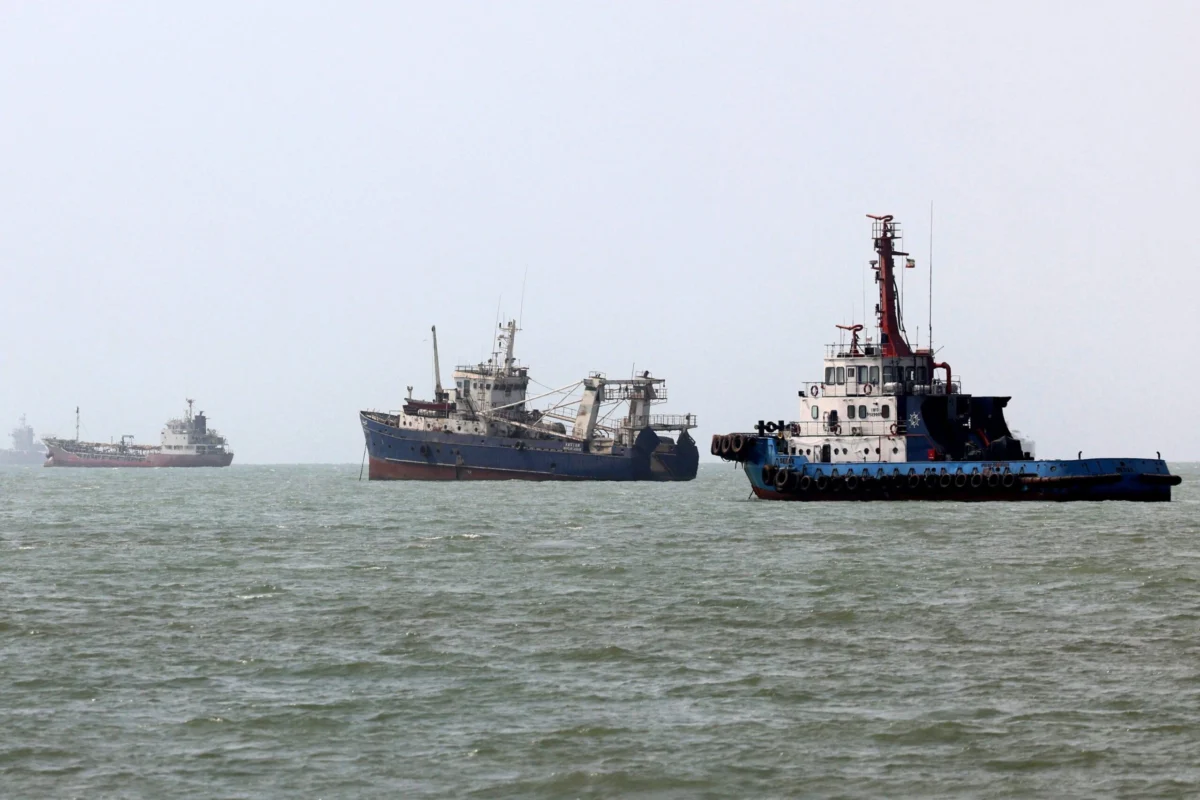
Sources with intimate knowledge of these high-stakes shipments confirm that the incognito crossings of the world’s most vital energy chokepoint have become an indispensable mechanism. Global markets, initially bracing for a much more severe supply contraction and a corresponding surge in prices when the Iran war first erupted, have instead witnessed a remarkable, if precarious, stability. However, for the producers in the region and the seafarers navigating these treacherous waters, the situation is anything but normal. Ships operate under constant threat, subject to repeated hostility even with the presence of some military protection, indicating the fraught reality beneath the surface of relatively calm market prices.
The covert shuttling operations have been ongoing for months, but accurately tracking the volumes of oil moved by these "dark" ships presents a significant challenge for traders, analysts, and even state intelligence agencies. Vessels intentionally obscure their locations by disabling Automatic Identification System (AIS) transponders, making real-time monitoring exceedingly difficult. Despite this opacity, informed sources indicate that the volumes being moved are substantially higher than typical market estimates, potentially exceeding 4 million barrels a day, though they declined to specify by how much. These individuals spoke on condition of anonymity, underscoring the extreme sensitivity and security implications of the matter.
Prior to the outbreak of the Iran war, approximately 20 million barrels of crude oil transited the Strait of Hormuz daily, representing roughly a fifth of the world’s total oil supply. This staggering figure highlights the Strait’s unparalleled importance as a global energy artery. Last week, US Energy Secretary Chris Wright provided a striking update, stating that 9 million barrels a day had successfully crossed Hormuz over the previous seven days. This figure surprised many traders and analysts, as it represents a remarkably high flow rate—almost half of pre-war levels—and significantly more than many had anticipated given the intensity of the conflict. It suggests a robust, albeit perilous, resilience in the region’s ability to maintain exports.
The sustained flow of these embattled shipments is widely considered a primary factor in Brent oil futures having spent much of August trading within a relatively contained range of $80 to $90 a barrel. This price stability is a stark contrast to the alarming forecasts at the conflict’s inception, when many analysts braced for oil prices to skyrocket to $150 a barrel or higher if the Iran war persisted through the summer. The success of the dark shuttle transits, combined with a mosaic of other mitigating factors—including the activation of pipeline workarounds, strategic petroleum reserve releases by major consumer nations, and a global reduction in overall energy demand—has collectively limited the economic damage stemming from the war.
The Abu Dhabi National Oil Co. (Adnoc), the state oil giant of the United Arab Emirates, unequivocally articulated the immense pressures faced by regional producers. In a direct response to inquiries, Adnoc stated, “Despite the repeated targeting of our vessels, we are determined to continue meeting our responsibility to safely deliver energy to global markets and to meet our customer commitments and needs as much as possible.” The company further emphasized the broader implications: “Like other energy companies in the region, we continue to bear the direct consequences of unprovoked attacks on our people, our ships and our facilities – attacks that place employees, contractors and seafarers at increased risk while disrupting critical energy flows.” This statement underscores not only the operational challenges but also the significant human cost and the systemic risk these disruptions pose to the global economy.
Beyond the UAE, vessel-tracking data compiled by leading analytics firms such as Bloomberg, Kpler, and Vortexa confirms that barrels from Iraq, Qatar, and Kuwait have also been successfully ferried through Hormuz under these specialized arrangements. The visual evidence of this surge in "dark" activity is particularly striking off the coast of Oman, just outside the Strait of Hormuz. Satellite imagery from the European Union’s Sentinel 1 satellite reveals a dramatic increase in maritime traffic: approximately 150 ships, ranging from colossal oil tankers to bulk commodity carriers, are currently observed floating in the area, a substantial jump from roughly 40 in January. Many of these vessels are waiting to receive cargo transfers from the smaller, un-trackable ships that shuttle in and out of Hormuz with their transponders deactivated.
Sources knowledgeable about the UAE’s shipments indicate no signs of a slowdown, even in the wake of recent reports detailing more Iranian attacks on its vessels. Adnoc, a pivotal player in global energy markets, has already sold approximately 135 million barrels of crude to international buyers and issued another round of sales last week, demonstrating its unwavering commitment to supply.
However, the act of exporting vast quantities of oil amidst an active war zone is fraught with peril and complexity. Individuals familiar with Hormuz transits reveal that the number of incidents involving vessels is far higher than publicly acknowledged. These incidents include direct attacks on merchant ships, as well as defensive actions undertaken by Western naval forces targeting vessels that harass freighters attempting to traverse the vital waterway. These events serve as a grim reminder that the effort to maintain low energy prices globally comes at a significant and often unseen cost. Tragically, several seafarers have lost their lives while transiting Hormuz, and there is a growing concern over an increasing number of regional oil spills. One such spill, whose origin remains untraceable due to the clandestine nature of the transits, appeared in satellite images in the Gulf of Oman just last week, highlighting the environmental risks inherent in these covert operations.
Adnoc has tragically reported that since the beginning of the conflict, 23 of its vessels have been attacked while transiting Hormuz, resulting in one fatality and 20 injuries to crew members. The company stressed that the repercussions of these attacks extend far beyond the immediate victims, impacting businesses and households worldwide. “An attack on the infrastructure that keeps energy flowing is not simply an attack on a company,” Adnoc asserted. “The disruption in the Strait of Hormuz is inflicting profound damage far beyond those directly impacted in this region.” While hold-ups due to attacks are usually brief, they nonetheless contribute to market uncertainty, as acknowledged by buyers in Asia.
Saudi Shipments: A New Dynamic
One major producer that had largely refrained from shuttling significant volumes of its own barrels through Hormuz is Saudi Arabia, the world’s largest oil exporter. The Kingdom has historically relied on its vast East-West Pipeline (Petroline) to bypass Hormuz, diverting crude directly to its Red Sea terminals for export. However, there are tentative but significant signs of increased activity from Saudi Arabia’s ports inside the Persian Gulf. This shift is largely a direct consequence of the escalating threat to its alternative Red Sea route from Yemen’s Iran-backed Houthi militants, who have launched repeated attacks on shipping in the Bab al-Mandab Strait and the Red Sea, creating a new maritime security crisis.
Last week, two ships were observed loading at Saudi Arabia’s giant Ras Tanura export hub in the Gulf, a crucial indicator of the Kingdom’s potential pivot. Furthermore, Bahri, the Saudi national shipping company, has been steadily positioning a substantial fleet of vessels off Oman’s coast, precisely where the transfers from shuttling vessels are typically carried out. Currently, 16 supertankers are stationed there, with three more expected to arrive in the coming days. Collectively, these vessels possess the capacity to haul an astonishing 38 million barrels of crude, signaling a potentially massive increase in Saudi participation in the dark trade. Saudi Aramco, the national oil company, declined to comment on these developments, and Bahri did not respond to requests for comment, further underscoring the sensitive nature of these operations.
Elsewhere, a handful of independent companies have recently begun purchasing Iraqi barrels and shuttling them out of Hormuz. This provides a crucial outlet for Iraq, one of the Gulf countries that has struggled most to move its barrels during the war due to internal complexities and its heavy reliance on the Persian Gulf for exports. Additionally, comprehensive vessel-tracking data from Bloomberg, Kpler, and Vortexa consistently shows that cargoes from Qatar and Kuwait have also successfully departed Hormuz under similar shuttling arrangements, diversifying the pool of participants in this critical trade.
The burgeoning demand for specialized maritime insurance for these high-risk transits further illustrates the scale of this covert activity. Insurers report a steady stream of requests for business from a wide range of Gulf producers, reflecting the urgent need for protection in a hostile environment. Pankaj Khanna, chief executive officer of Heidmar Maritime Holdings Corp., succinctly captured the essence of the situation: “It’s a dark trade. It’s the only option right now as not all owners are willing to take the risk.” His statement highlights the operational necessity driving these secretive operations and the limited alternatives available to producers seeking to meet global demand.
The strategic importance of the Strait of Hormuz cannot be overstated. Its narrowest point is only 21 miles wide, with shipping lanes just two miles wide in either direction, separated by a two-mile buffer zone. This geographical constraint makes it exceptionally vulnerable to disruption. The ongoing Iran war has amplified these vulnerabilities, transforming it into a high-stakes arena where the global economy’s stability is constantly tested. The "dark fleet" operations, while crucial for price containment, represent a significant departure from standard maritime practices. They introduce greater risks of accidents, environmental damage, and increased opportunities for illicit activities, further complicating an already volatile geopolitical landscape.
The international community, particularly major oil-consuming nations, finds itself in a precarious position. While benefiting from the relative stability of oil prices, they are also implicitly relying on a system that operates in a legal and operational gray zone, fraught with human and environmental costs. The presence of multinational naval forces, primarily the U.S. Fifth Fleet, aims to deter aggression and ensure freedom of navigation. However, the sheer volume of traffic and the clandestine nature of some operations make comprehensive protection a monumental task. The long-term implications of normalizing such "dark" trade routes, in terms of maritime law, environmental protection, and global supply chain transparency, remain profound and largely unaddressed. As the Iran war continues, the perilous ballet of oil tankers through the Strait of Hormuz will undoubtedly remain a focal point of geopolitical tension and a critical determinant of global economic health.
