
 By admin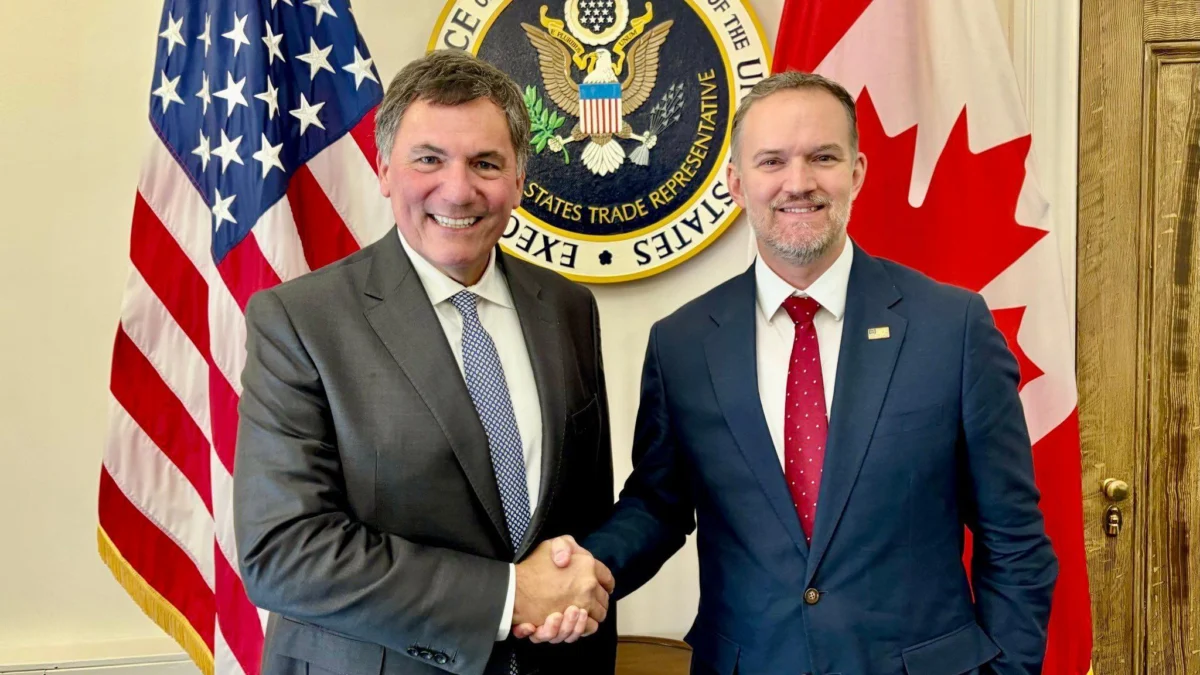
Canada and the United States are on the cusp of finalizing a highly anticipated trade agreement, a development that has been met with cautious optimism from both President Donald Trump and Prime Minister Mark Carney. The proposed deal, the culmination of intense negotiations and a strategic pause on threatened tariffs, aims to recalibrate the intricate economic relationship between the two North American giants. President Trump has lauded the agreement, asserting it will bring significant benefits to American farmers and manufacturers, while Prime Minister Carney has emphasized its role in securing the "best terms" for Canada’s vital strategic sectors and providing much-needed certainty for the future of US-Canada trade.
The breakthrough follows a series of high-stakes meetings, with trade negotiators convening for the third consecutive day on Wednesday. This intensified diplomatic effort proved crucial in averting a new wave of tariffs that President Trump had previously threatened to impose on a wide array of Canadian goods. Despite the palpable progress, specific details regarding the agreement’s scope, the concessions made by each nation, and the remaining points of contention remain largely undisclosed to the public.
In a brief but significant address to reporters following a 45-minute session with his Canadian counterpart, US Trade Representative Jamieson Greer expressed considerable satisfaction with the ongoing discussions. Greer indicated that he would soon provide comprehensive briefings to Congress and key American stakeholders, outlining the specifics of the finalized accord. "We feel confident that we’ve reached an agreement that will not only continue to protect American workers, American jobs, American supply chains, but really strengthen the North American economy," Greer stated, underscoring the perceived benefits for the United States. He further elaborated that the deal effectively eliminates "some of the irritants" that the US has historically harbored concerning its trade relationship with Canada, hinting at resolutions to long-standing trade disputes.
President Trump, for his part, indicated that Canada has committed to removing tariffs that have impacted American farmers, although he refrained from specifying the exact agricultural sectors that would benefit from this concession. When pressed on the extent to which the US would reciprocate by reducing its own tariffs on Canadian goods, Trump offered a more measured response, suggesting a reduction of "a little bit." This carefully worded statement implies that while some relief may be forthcoming, the full removal of US tariffs remains a potential point of future negotiation or phased implementation.
Prime Minister Carney took to the social media platform X to congratulate US Trade Representative Jamieson Greer and Canada-US Trade Minister Dominic LeBlanc on the "significant progress" achieved during the negotiations. Carney articulated his vision for the agreement, stating, "We are now moving towards an agreement that reinforces that Canadian advantage, including by securing the best terms in each of Canada’s most important strategic sectors and providing greater certainty about our future trading relationship." This statement highlights Canada’s strategic focus on safeguarding its key industries while simultaneously fostering a more stable trade environment.
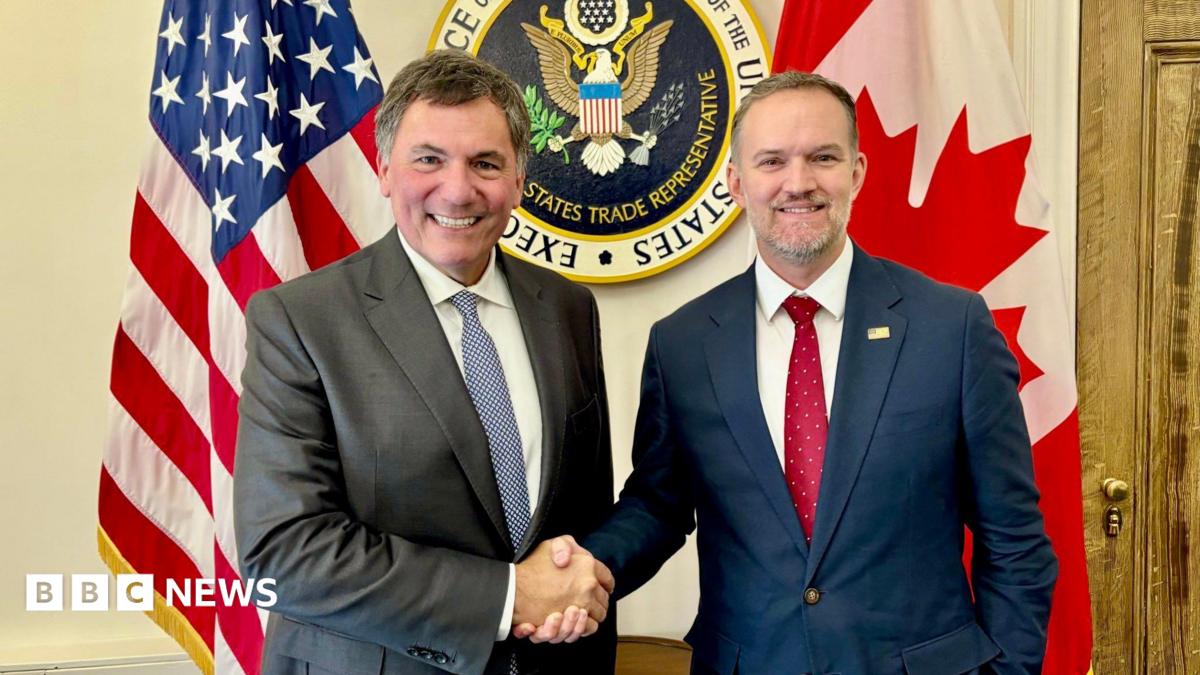
Minister LeBlanc and his negotiating team have been engaged in protracted discussions in Washington for over a week, working diligently to secure a comprehensive deal before the looming deadline of new 50% tariffs threatened by the Trump administration. The successful pause on these punitive measures until the upcoming weekend represents a crucial victory for Canada, allowing for continued dialogue and the potential for a more favorable outcome. Canada’s primary objective in these negotiations has been to secure the elimination or significant reduction of US tariffs on its steel, aluminum, automobile, and lumber exports – sectors that have been particularly vulnerable to trade disputes.
Conversely, the United States has sought a series of concessions from Canada, including the removal of retaliatory tariffs that Canada had imposed on American automobiles. Furthermore, the US has pushed for adjustments to Canada’s dairy quotas, aiming to facilitate greater access for American cheese producers. Another significant demand from the US has been the repeal of the ban on US alcohol sales, a measure enacted last year by most Canadian provinces in direct response to the tariffs imposed by the Trump administration. This retaliatory measure had a tangible impact on the profitability of American alcohol producers and was seen as a key point of leverage for the US in the current negotiations.
In a significant development regarding the contentious issue of dairy, Minister LeBlanc firmly stated on Wednesday that Canada’s dairy supply management program – a system that governs production quotas, sets pricing, and regulates import quotas for dairy, eggs, and poultry – will remain "entirely intact." This declaration is a major win for Canadian dairy farmers and signals a firm stance by the Canadian government in protecting its domestic agricultural policies. This commitment is particularly noteworthy given the strong lobbying efforts by the US dairy industry to gain greater access to the Canadian market.
Public opinion within Canada appears to align with a more assertive negotiating stance. Recent polling data suggests that a majority of Canadians would be displeased if the Carney government were to make substantial concessions to the US. A survey conducted by the polling firm Leger indicated that 56% of respondents favor Canada adopting a hardline approach in the trade talks. This public sentiment likely exerts considerable pressure on the Canadian negotiating team to prioritize national interests and resist significant compromises that could be perceived as detrimental to Canadian industries.
However, the chorus for a swift resolution has also been amplified by business organizations on both sides of the border. These groups have consistently urged for the swift conclusion of a trade deal, warning that the imposition of further tariffs would inflict considerable economic damage on both nations. The interconnected nature of the Canadian and US economies means that disruptions to trade flows can have far-reaching consequences, impacting supply chains, employment, and overall economic growth. The business community’s plea underscores the economic imperative for a stable and predictable trading relationship.
The ongoing negotiations highlight the delicate balance Canada and the US must strike between protecting domestic industries and fostering broader economic cooperation. The US administration’s focus on "America First" policies has often created friction, while Canada has consistently sought to maintain a cooperative and mutually beneficial relationship. The eventual terms of this new trade deal will undoubtedly shape the economic landscape of North America for years to come, influencing investment decisions, trade flows, and the overall competitiveness of the region on the global stage. The transparency and clarity surrounding the final agreement will be crucial in building confidence and ensuring its long-term success. The coming days will likely reveal more about the specific concessions made, the compromises reached, and the enduring impact of this pivotal trade negotiation on the lives of millions of Canadians and Americans.
