
 By admin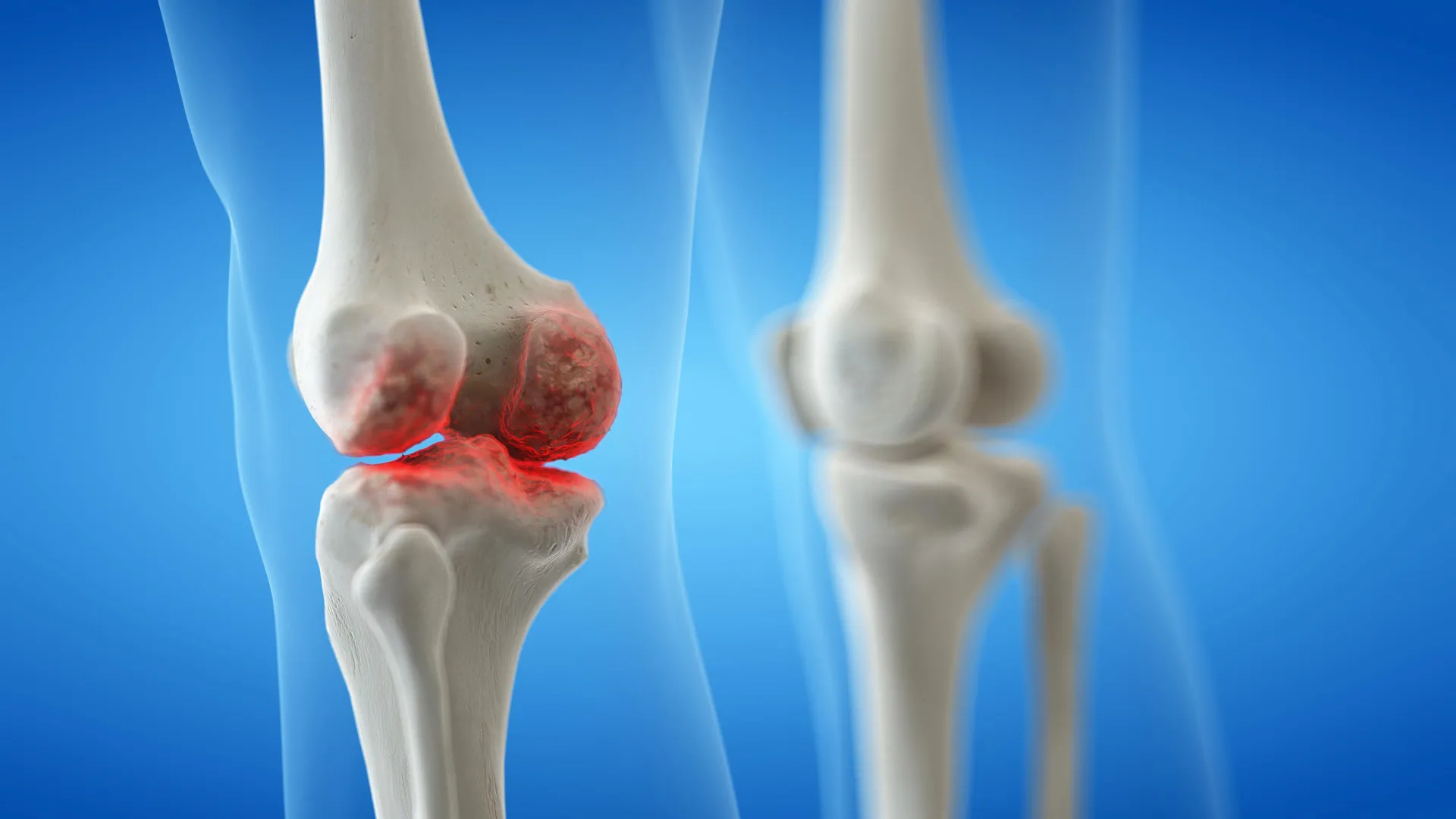
Knee osteoarthritis develops as the vital cartilage that cushions the bones within the joint gradually breaks down. This smooth, rubbery tissue, known as articular cartilage, serves a dual purpose: it allows the knee to move effortlessly, gliding without friction, and acts as a shock absorber, protecting the underlying bone from impact. In a healthy knee, this protective layer is robust and resilient. However, with OA, this cartilage begins to thin, fray, and eventually erode, exposing the ends of the bones. This direct bone-on-bone contact causes pain, inflammation, and stiffness. Over time, the body may attempt to repair the damage by growing small bony growths called osteophytes or bone spurs, which can further impede joint movement and exacerbate discomfort. The synovial fluid, which lubricates the joint, can also become inflamed, contributing to swelling and pain. This progressive deterioration means that symptoms, initially mild, can become more severe and persistent over time, leading to significant functional limitations.
"Osteoarthritis can cause knee pain and stiffness, which can negatively impact a person’s activity level, risk of falling, mood and general quality of life," explained Dr. Abby Cheng, an orthopedic surgeon at Washington University School of Medicine in St. Louis. Dr. Cheng’s expertise extends to physiatry, a specialized field focused on the nonsurgical treatment and rehabilitation of conditions like arthritis, highlighting a comprehensive approach to managing this complex disease. Her observation underscores the multifaceted nature of OA, emphasizing that its impact extends far beyond mere physical discomfort.
Knee Osteoarthritis Can Affect More Than Mobility
The repercussions of osteoarthritis can indeed extend well beyond localized pain and stiffness in the joint, permeating various aspects of an individual’s life. The difficulty in moving, walking, or standing for prolonged periods can directly translate into missed workdays, reduced productivity, and ultimately, lost income. This economic burden is not only borne by individuals but also by healthcare systems and national economies due to direct medical costs and indirect productivity losses. Globally, musculoskeletal conditions, including OA, are a leading cause of disability, placing immense pressure on public health resources.
Beyond the economic toll, the physical limitations imposed by OA can lead to a sedentary lifestyle. The fear of pain, combined with actual physical difficulty, can discourage people from engaging in physical activity, trapping them in a vicious cycle. This inactivity is a significant public health concern, as it dramatically increases an individual’s risk of developing a cascade of other chronic conditions. These include cardiovascular diseases such as heart disease and stroke, metabolic disorders like type 2 diabetes, and certain types of cancer. Furthermore, reduced physical activity can contribute to weight gain, which, in turn, places even greater stress on already compromised knee joints, accelerating the progression of OA. The psychological impact is also profound, with chronic pain often leading to increased rates of depression, anxiety, and social isolation, further diminishing an individual’s general quality of life and well-being.
Osteoarthritis is also an extremely common condition, underscoring its widespread impact. More than 30 million adults in the U.S. alone grapple with some form of the condition, making it one of the most prevalent chronic diseases. Among all joints susceptible to OA, the knee is the most frequently affected, bearing the brunt of daily activities and body weight. While often stereotypically associated with older age, suggesting it’s merely a consequence of "wear and tear" over a lifetime, a significant demographic reality is that roughly half of OA cases occur among people who are still of working age. This statistic challenges the perception of OA as solely an elderly person’s ailment and highlights its substantial impact on the workforce and economic productivity.
"Having weak leg muscles and being overweight or obese increases a person’s risk for knee osteoarthritis," Dr. Cheng noted, pinpointing key modifiable risk factors. She further elaborated, "Women, older adults, people with a prior knee injury and those with a family history of osteoarthritis are also more likely to have the condition." These factors collectively paint a comprehensive picture of susceptibility to knee OA, encompassing both lifestyle choices and inherent predispositions. Weak quadriceps and hamstring muscles provide less support and stability to the knee joint, making it more vulnerable to stress and injury. Excess body weight significantly increases the load on weight-bearing joints like the knees, with every pound of body weight translating to several pounds of pressure on the knees during activities like walking or climbing stairs. The hormonal fluctuations and anatomical differences in women are thought to contribute to their higher prevalence of OA, particularly after menopause. Older adults naturally experience some degree of cartilage degradation and cellular aging, making them more susceptible. A history of knee injury, such as an ACL tear, meniscal damage, or even repeated minor traumas, can accelerate cartilage breakdown and lead to post-traumatic OA years later. Finally, a family history suggests a genetic predisposition, where certain genes may influence cartilage quality or joint structure.
Lifestyle Changes Can Help Ease Knee Pain
For individuals already living with osteoarthritis, the good news is that numerous options exist for managing pain, improving mobility, and slowing the condition’s progression. A combination of healthy habits, coupled with appropriate medical treatments when necessary, forms the cornerstone of effective management. These strategies aim to reduce inflammation, strengthen supporting structures, alleviate pain, and maintain joint function.
Dietary choices play a crucial role in managing systemic inflammation, which contributes significantly to OA pain. "Eating more plants and less processed or sugary food reduces inflammation in the body, which can reduce pain from osteoarthritis in all joints," Dr. Cheng advised. This recommendation aligns with growing scientific evidence supporting anti-inflammatory eating patterns, such as the Mediterranean diet. This diet emphasizes whole, unprocessed foods: abundant fruits, vegetables, whole grains, lean proteins (especially fish rich in omega-3 fatty acids), nuts, seeds, and healthy fats like olive oil. Conversely, diets high in refined sugars, unhealthy trans fats, and processed foods can fuel chronic inflammation throughout the body, exacerbating joint pain and contributing to overall poor health. Adopting such a dietary approach can be a powerful tool in reducing the inflammatory burden on the joints.
Beyond diet, other common and effective treatments for knee osteoarthritis span a spectrum from conservative to surgical interventions. Strengthening the thigh muscles, particularly the quadriceps and hamstrings, is paramount. Stronger muscles provide better support and stability to the knee joint, reducing stress on the cartilage and ligaments. Physical therapy often focuses on targeted exercises to build this muscle strength, improve flexibility, and enhance balance. The use of knee braces can also be beneficial, particularly "unloader braces" that shift weight away from the damaged part of the knee, providing mechanical support and pain relief. Over-the-counter or prescription anti-inflammatory medications, such as NSAIDs (non-steroidal anti-inflammatory drugs), can help manage pain and reduce inflammation. These can be topical (creams, gels) or oral, though oral NSAIDs carry risks of gastrointestinal and cardiovascular side effects with long-term use.
For more targeted relief, various injections are available. Cortisone (corticosteroid) injections can provide potent, albeit temporary, relief from inflammation and pain, typically lasting a few weeks to several months. However, their frequency is limited due to potential side effects like cartilage damage over time. Viscosupplementation, involving injections of hyaluronic acid, aims to replenish the joint’s natural lubricating fluid, potentially improving joint mobility and reducing pain for some patients. Emerging treatments, such as Platelet-Rich Plasma (PRP) and stem cell therapies, are also being explored for their potential regenerative properties, though they remain largely experimental and costly, with efficacy still under active investigation. When conservative measures fail to provide adequate relief and the disease significantly impairs quality of life, knee replacement surgery (arthroplasty) becomes an option. This procedure involves replacing the damaged joint surfaces with artificial components, offering significant pain relief and functional improvement for suitable candidates.
Healthcare providers play a pivotal role in guiding patients through these options, working collaboratively to develop individualized strategies for managing osteoarthritis. This often involves a multidisciplinary approach, incorporating physical therapists, occupational therapists, dietitians, and pain management specialists. They can also connect individuals with community programs, support groups, and other resources that can make it easier to initiate healthy changes and maintain them over time, fostering long-term adherence to treatment plans.
Even seemingly small improvements can have a surprisingly large and positive effect on knee OA. Dr. Cheng highlighted a compelling example: "for a person who is overweight, losing 10 pounds can reduce the stress placed on the knees by 40 pounds with every step." This remarkable reduction in pressure stems from the biomechanics of walking and movement, where the force exerted on the knee can be four to seven times an individual’s body weight. Consequently, a modest weight loss can significantly ease the burden on the joints, substantially alleviating pain and potentially slowing the progression of cartilage degradation.
Exercise and Healthy Weight May Lower Risk
Crucially, many of the strategies employed to manage existing osteoarthritis are also powerful tools for reducing the chances of developing the condition in the first place. Proactive measures can significantly mitigate risk, even for those with genetic predispositions.
Regular physical activity is one of the most effective preventive measures. Despite a pervasive common belief that high-impact activities, particularly running, damage the knees and increase OA risk, scientific evidence suggests otherwise for most individuals. Moderate recreational running, far from harming the knees, can actually be part of an active lifestyle aimed at lowering osteoarthritis risk. Studies have shown that recreational runners tend to have healthier knees and a lower incidence of OA compared to sedentary individuals. This is because weight-bearing exercise, when performed appropriately, can strengthen the muscles surrounding the joint, improve joint stability, enhance the production of synovial fluid (which lubricates the cartilage), and even stimulate cartilage health. The key is moderation, proper form, and listening to one’s body, avoiding extreme mileage or high-impact activities that are not suited to an individual’s fitness level or joint health.
Maintaining a healthy weight is another cornerstone of prevention. As previously discussed, excess body weight dramatically increases the mechanical load on the knees. By keeping body weight within a healthy range, individuals can significantly reduce the strain placed on their joints, thereby decreasing the risk of cartilage wear and tear that leads to OA. This also mitigates the systemic inflammatory effects associated with obesity, further protecting joint health.
Diet matters as well, extending its influence from management to prevention. A healthy eating pattern rich in whole grains, fresh fruits, and a wide variety of vegetables, while limiting processed and refined foods, sugary drinks, and unhealthy fats, can support overall systemic health. Such a diet provides essential nutrients, antioxidants, and anti-inflammatory compounds that may help protect against the cellular damage and inflammation implicated in the development and progression of osteoarthritis. It also supports weight management, indirectly contributing to joint protection.
Family History Does Not Determine Your Future
While osteoarthritis shares some similarities with diseases like cancer and heart disease in terms of its chronic nature and profound impact on health, well-being, and quality of life, it also presents unique challenges and opportunities for intervention. Millions of people live with the condition, yet there are tangible, practical steps individuals can take to reduce their own risk and potentially help protect the health of their families. Understanding the interplay between genetics and lifestyle is key to empowerment.
"Some people think that because a parent or grandparent had osteoarthritis, they will develop it too," Dr. Cheng observed, addressing a common misconception. "And while it’s true that osteoarthritis can run in families, it doesn’t mean there’s nothing a person can do to successfully lower their risk of developing it." Indeed, research has identified several genetic factors that can increase an individual’s susceptibility to OA. These genes may influence cartilage composition, joint structure, or inflammatory responses. However, OA is not typically a single-gene disorder; rather, it is thought to be polygenic, meaning multiple genes contribute to risk, and their expression is often influenced by environmental and lifestyle factors – a concept known as epigenetics.
This understanding is profoundly empowering. While one cannot change their genetic blueprint, they can actively modify their lifestyle. By focusing on maintaining a healthy weight, engaging in regular physical activity, adopting an anti-inflammatory diet, and promptly addressing any joint injuries, individuals can significantly alter their risk profile. These actions can effectively "turn down the volume" on genetic predispositions, preventing or delaying the onset of OA, or at least mitigating its severity. It’s a powerful reminder that while genetics may load the gun, lifestyle often pulls the trigger.
It’s your health. Take control. By adopting a proactive stance toward joint health, understanding the modifiable risk factors, and leveraging available medical and lifestyle interventions, individuals can significantly influence their trajectory with knee osteoarthritis, fostering greater mobility, less pain, and a higher quality of life for years to come.
