
 By admin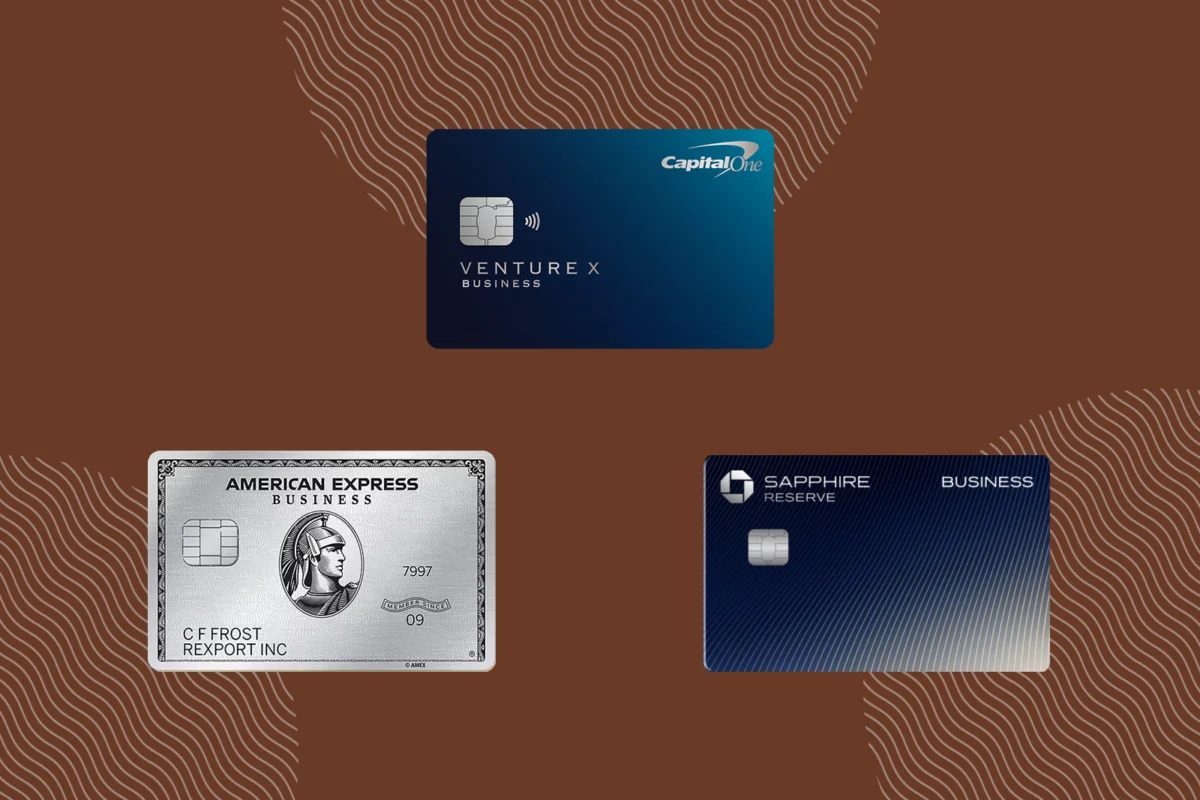
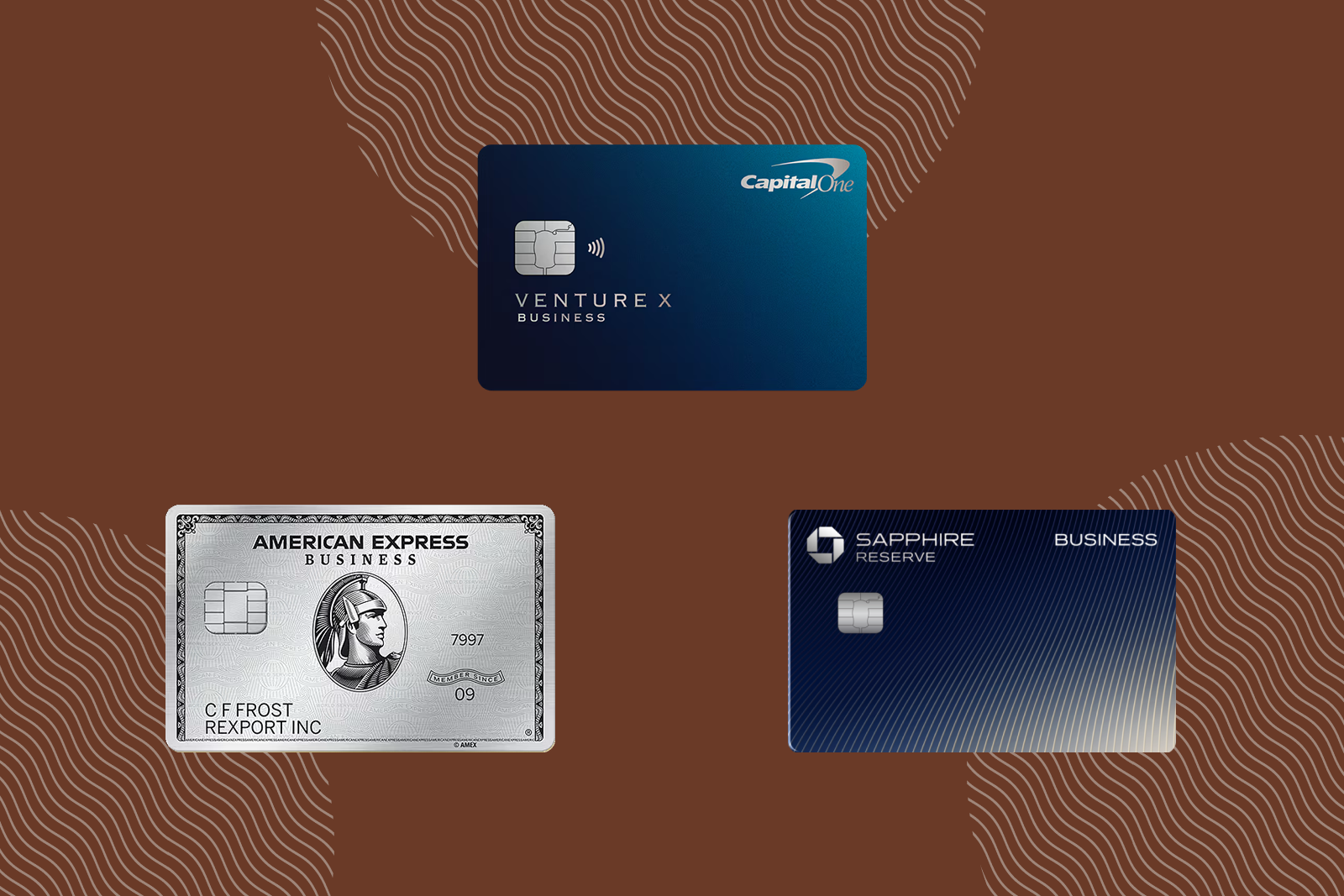
The landscape of business credit cards has undergone a seismic shift over the last several years, evolving from basic tools for tracking expenses into high-powered financial instruments that offer substantial travel rewards, luxury lifestyle perks, and robust insurance protections. While the market is saturated with entry-level and mid-tier options, the "premium" segment—defined by annual fees exceeding $395—remains the most competitive arena for high-earning business owners and frequent corporate travelers. For years, the market was dominated by a few established players, but recent entries and refreshes have created a complex decision-making matrix for entrepreneurs. Chase significantly disrupted this space last year with the long-awaited introduction of the Chase Sapphire Reserve for Business, a card designed to bridge the gap between its legendary personal travel cards and its professional suite. This joined the established pillars of the industry: the Capital One Venture X Business and The Business Platinum Card from American Express. Choosing between these three requires more than just looking at the annual fee; it necessitates a deep dive into earning structures, lounge networks, and the tangible value of statement credits that can turn a high-cost card into a profit-generating asset.

When evaluating these premium offerings, the first point of friction is often the annual fee. The Capital One Venture X Business remains the most accessible of the trio with a $395 annual fee, positioning itself as a "value-premium" option. In stark contrast, the Chase Sapphire Reserve for Business carries a $795 price tag, while The Business Platinum Card from American Express sits at the top of the pyramid with an $895 annual fee. However, the sticker price is rarely the "true" cost of the card. Savvy business owners look at the "effective" annual fee—the cost remaining after utilizing automatic credits and benefits. For instance, a card with a $300 travel credit effectively costs $300 less than its face value to a business that already spends that amount on travel annually.
The welcome offers currently available for these cards are among the highest ever seen in the industry, reflecting the intense competition for business clients who typically have higher monthly spend than personal users. New applicants for the Capital One Venture X Business can earn 150,000 bonus miles after spending $30,000 on purchases within the first three months. Based on current valuations of 1.85 cents per mile, this offer is worth approximately $2,775. The Chase Sapphire Reserve for Business offers a staggering 200,000 bonus points after a $30,000 spend in the first six months. Given Chase’s higher valuation of 2.05 cents per point, this haul is worth an estimated $4,100. However, the American Express Business Platinum Card often leads the pack in raw numbers, with targeted offers reaching as high as 300,000 Membership Rewards points after a $20,000 spend in the first three months. At a 2-cent-per-point valuation, that represents a potential $6,000 in value, making it the clear winner for those who can meet the spending requirements and are eligible for the highest tier of the offer.
Earning structures represent the "engine" of the card, determining how much value you recoup on every dollar of business spend. The Venture X Business is built on the philosophy of simplicity, offering a flat 2 miles per dollar on all purchases, regardless of category. This makes it the ideal "everything else" card for businesses with high expenses in un-categorized areas like inventory, rent, or professional services. It also offers 10x miles on hotels and rental cars and 5x on flights booked through the Capital One Travel portal. The Amex Business Platinum is more niche; it excels in travel, offering 5x points on flights and prepaid hotels through Amex Travel. It also offers 1.5x points on large purchases (over $5,000) and in specific categories like US construction material and hardware suppliers, electronic goods retailers, and software providers. The Chase Sapphire Reserve for Business is perhaps the most well-rounded for the modern entrepreneur. It offers 3x points on travel and dining, but its standout feature is the 3x points on the first $100,000 spent each year in select business categories including shipping, social media and search engine advertising, and internet/cable/phone services. For digital agencies or e-commerce brands with heavy ad spend, this 3x rate can result in millions of points per year.
Lounge access is a cornerstone of the premium business experience, but the quality and quantity of access vary significantly between issuers. American Express remains the industry leader with its Global Lounge Collection, which includes the prestigious Centurion Lounges, Delta Sky Clubs (when flying Delta), and over 1,400 Priority Pass locations. However, Amex recently tightened its guest policy, requiring $75,000 in annual spend to bring guests for free into Centurion Lounges. Chase is rapidly expanding its own network with Sapphire Lounges, which have received rave reviews for their high-end dining and amenities. The Sapphire Reserve for Business currently offers the most generous guest policy, allowing two complimentary guests without a spending requirement. Capital One is also building out a boutique network of lounges, known for their "grab-and-go" food options and Peloton-equipped fitness rooms, though their footprint remains smaller than Amex or the Priority Pass network.

Statement credits are where these cards attempt to justify their high fees. The Amex Business Platinum is often described as a "coupon book" for businesses. It offers up to $400 in annual Dell credits, $360 for Adobe Creative Cloud, $120 for wireless telephone services, and a $200 airline incidental credit. If a business already uses these services, the card effectively pays for itself before even considering the points. The Chase Sapphire Reserve for Business takes a different approach with a $300 annual travel credit that is remarkably easy to use; it applies automatically to any purchase Chase defines as travel, from airlines to tolls and parking garages. The Venture X Business offers a $300 credit, but it must be used specifically through the Capital One Travel portal, making it slightly more restrictive than Chase but easier than Amex’s incidental-only credit.
When it comes to redeeming those hard-earned points, the "Big Three" issuers all offer the ability to transfer points to airline and hotel partners, which is generally the best way to extract maximum value. Capital One has made huge strides in this area, with partners like British Airways, Virgin Red, and Air Canada Aeroplan. American Express boasts one of the most diverse portfolios, including Delta SkyMiles and Hilton Honors. However, Chase holds a unique trump card: its partnership with World of Hyatt. Because Hyatt points are significantly more valuable than those of Marriott or Hilton, the ability to transfer Chase points 1:1 to Hyatt often yields redemptions of 3 cents per point or higher, a feat rarely matched by the other programs. Furthermore, the Sapphire Reserve for Business allows cardholders to redeem points through the Chase Travel portal at a value of 1.5 to 2 cents per point via the "Points Boost" feature, providing a high floor for redemption value even for those who don’t want to deal with transfer partner complexities.

Protections and insurance are the unsung heroes of business cards. All three offer primary rental car insurance, which is vital for business travelers as it allows them to bypass their personal insurance in the event of an accident. They also offer trip delay, trip cancellation, and lost luggage insurance. Chase and American Express generally offer more robust purchase protection and extended warranty benefits, which can save a business thousands of dollars if expensive equipment like laptops or specialized machinery is damaged or stolen shortly after purchase.
Ultimately, the "best" card depends on the specific DNA of your business. The Capital One Venture X Business is the logical choice for the business owner who values simplicity and a low "break-even" point. Its flat 2x earning rate ensures you are never "missing out" on rewards, regardless of what you are buying. The American Express Business Platinum is the ultimate tool for the luxury-seeking traveler and the business owner who can maximize the specific software and hardware credits provided. It is less of a spending card and more of a "membership" card that provides status and access. The Chase Sapphire Reserve for Business occupies the premium middle ground; it is a powerhouse for businesses with high spending in advertising and travel, offering the most flexible travel credit and the highest potential redemption value through the Hyatt partnership.

As the economy continues to digitize and globalize, the role of the premium business card will only expand. These cards are no longer just about points; they are about providing a suite of services—from airport lounge sanctuary to financial protections—that allow business owners to focus on growth rather than logistics. Whether you choose the value of Capital One, the prestige of American Express, or the balanced utility of Chase, integrating one of these premium tools into your business infrastructure is a proven strategy for maximizing the return on your essential corporate expenses. For many high-growth companies, the question isn’t which one of these cards to get, but rather how to pair two of them to create a comprehensive rewards ecosystem that covers every possible spending category and travel need.
