
 By admin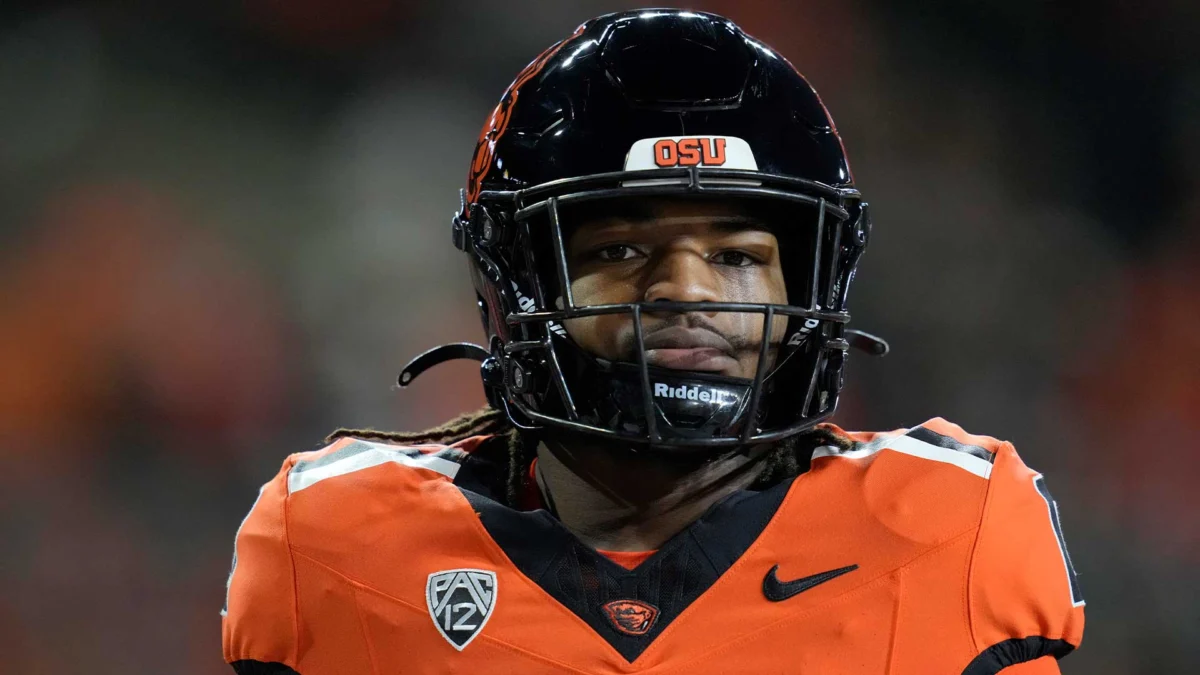
The Seattle Seahawks have officially parted ways with running back Anthony Hankerson, a move that reverberates beyond the typical NFL roster adjustments and delves into a complex legal and athletic landscape. Hankerson, who was signed by the Seahawks just last week, saw limited action in Sunday night’s preseason clash against the Tennessee Titans, recording 10 rushing yards on five carries and adding nine receiving yards on two receptions in a 19-16 defeat. This decision comes on the heels of a significant development that could dramatically alter Hankerson’s immediate future: a Louisiana court order that has granted eligibility for a fifth collegiate season to a group of high school graduates from 2022.
This unique situation stems from a legal challenge that questions the NCAA’s eligibility rules regarding athletes who may have had their collegiate careers impacted by the COVID-19 pandemic or other unforeseen circumstances. Hankerson, having graduated high school in 2022, is now among a cohort of players who, thanks to this court order, could potentially reclaim a year of eligibility that was previously thought to be exhausted. Should Hankerson clear waivers, a standard NFL procedure for released players, he would then be free to enter the NCAA’s transfer portal, a digital marketplace where college athletes can explore new opportunities with different programs. This could signal a surprising U-turn for Hankerson, potentially leading him back to the collegiate ranks after a brief foray into the professional realm.
The ripple effects of this Louisiana court order are already being felt across college football. Another player caught in this unique eligibility limbo is T.J. Harden, a running back who also participated in the Seahawks’ preseason game against the Dallas Cowboys. Harden, who played his most recent collegiate season at SMU and went undrafted in the NFL, was also among those who benefited from the temporary restraining order issued by the Louisiana judge. Similar to Hankerson’s situation, Harden was waived by the Seahawks and has since entered the transfer portal, indicating his intention to pursue collegiate options. The presence of two such players on the Seahawks’ roster, both now facing potential college returns due to a judicial ruling, highlights the evolving and often contentious relationship between athletic governing bodies, legal frameworks, and the aspirations of student-athletes.
Hankerson’s journey to the Seahawks was itself a testament to the competitive nature of professional football and the opportunities that can arise even for undrafted players. He originally signed with the Miami Dolphins in April of this year, a promising start to his professional career. However, his tenure with the Dolphins was short-lived, as he was waived earlier this month, setting the stage for his subsequent signing with Seattle. Prior to his NFL pursuits, Hankerson carved out a notable career at Oregon State University. As an undrafted rookie entering the professional ranks, he brought with him a proven track record of production at the collegiate level.
In his final season with the Oregon State Beavers, Hankerson demonstrated his capabilities as a potent offensive weapon. He amassed an impressive 1,086 rushing yards and found the end zone nine times, showcasing his ability to be a primary ball carrier. His contributions were not limited to rushing; he also proved to be a capable receiver out of the backfield, hauling in 22 passes for 123 yards. This dual-threat ability made him an intriguing prospect for NFL teams looking to add depth and versatility to their backfields. His performance in his second year in Corvallis solidified his status as a standout player for the Beavers, contributing significantly to their offensive success.
The current situation surrounding Anthony Hankerson and other players like T.J. Harden raises broader questions about fairness, opportunity, and the application of rules in collegiate athletics. The NCAA has long operated under a set of regulations designed to maintain competitive balance and ensure the amateur status of its athletes. However, the unprecedented circumstances brought about by the COVID-19 pandemic led to temporary waivers and adjustments, creating a complex precedent. The Louisiana court order appears to be a response to perceived inequities in how eligibility has been applied, particularly for athletes whose college careers may have been disrupted by factors outside of their control.
The transfer portal, a relatively recent innovation in college sports, has already transformed the landscape of player movement. It provides a centralized platform for athletes to communicate their intentions to transfer and for coaches to recruit them. For Hankerson, entering the portal after being waived by the Seahawks and potentially regaining a year of eligibility would allow him to explore opportunities at any NCAA Division I program. This could be a significant advantage, as it opens up a wider range of possibilities than if he were solely reliant on NFL tryouts or opportunities in other professional leagues.
The financial implications for these athletes are also worth considering. While college athletes do not receive salaries in the traditional sense, scholarships can represent a significant financial benefit, covering tuition, room, board, and other expenses. For players who may have exhausted their eligibility or are looking for a fresh start, the possibility of returning to college to complete their education and continue their athletic careers can be a highly attractive proposition. Furthermore, strong performances in college can lead to lucrative professional contracts, whether in the NFL or other professional leagues.
From a team-building perspective, the Seahawks’ decision to waive Hankerson, while seemingly straightforward, is part of the ongoing evaluation process during the preseason. Teams are constantly assessing their rosters, looking for players who can contribute immediately and fit their long-term plans. The uncertainty surrounding Hankerson’s collegiate eligibility may have played a role in the Seahawks’ decision. If he were to return to college, he would not be available to the Seahawks, and the team might prefer to use a roster spot on a player whose future with the team is more certain.
The legal challenges to NCAA eligibility rules are not new, but the specific circumstances surrounding this group of players, and the court’s intervention, highlight the growing pressure on the NCAA to adapt its regulations to modern realities. The debate over amateurism versus professionalism in college sports continues to evolve, and rulings like this could set important precedents for how eligibility is determined in the future. The NCAA’s response to this court order, and any potential appeals or further legal actions, will be closely watched by college athletic programs, athletes, and fans alike.
The journey of Anthony Hankerson, from signing with an NFL team to potentially returning to college due to a court-ordered eligibility extension, is a compelling narrative within the larger story of collegiate and professional sports. It underscores the complex interplay of athletic performance, legal frameworks, and individual aspirations. As Hankerson navigates this period of uncertainty, his decision to enter the transfer portal, if he clears waivers, will mark another chapter in a career that is proving to be anything but ordinary. The implications of this ruling extend far beyond individual players, potentially reshaping the landscape of collegiate athletics for years to come. The coming weeks will reveal whether Hankerson seizes this unexpected opportunity to extend his playing career and continue his academic pursuits, all thanks to a legal decision that has opened a new avenue for his athletic future. The Seahawks, meanwhile, will continue their preseason preparations, having made a roster move that is intertwined with a broader discussion about the rules governing college sports and the opportunities available to young athletes.
