
 By Lina Irawan
His hopes soared when Medicare announced the launch of an 18-month pilot program in July, offering certain GLP-1 medications for a mere $50 a month to eligible enrollees. "I thought, ‘Thank God, there’s a path,’" La Marca recounted, expressing the relief many felt at the prospect of finally accessing a drug he believed could significantly improve his health after years of unsuccessful diets and exercise regimes. Yet, his celebration was short-lived. His application to the "Bridge program" was denied, a decision that left him bewildered and enraged, especially as the notification offered no explicit reason for the rejection.
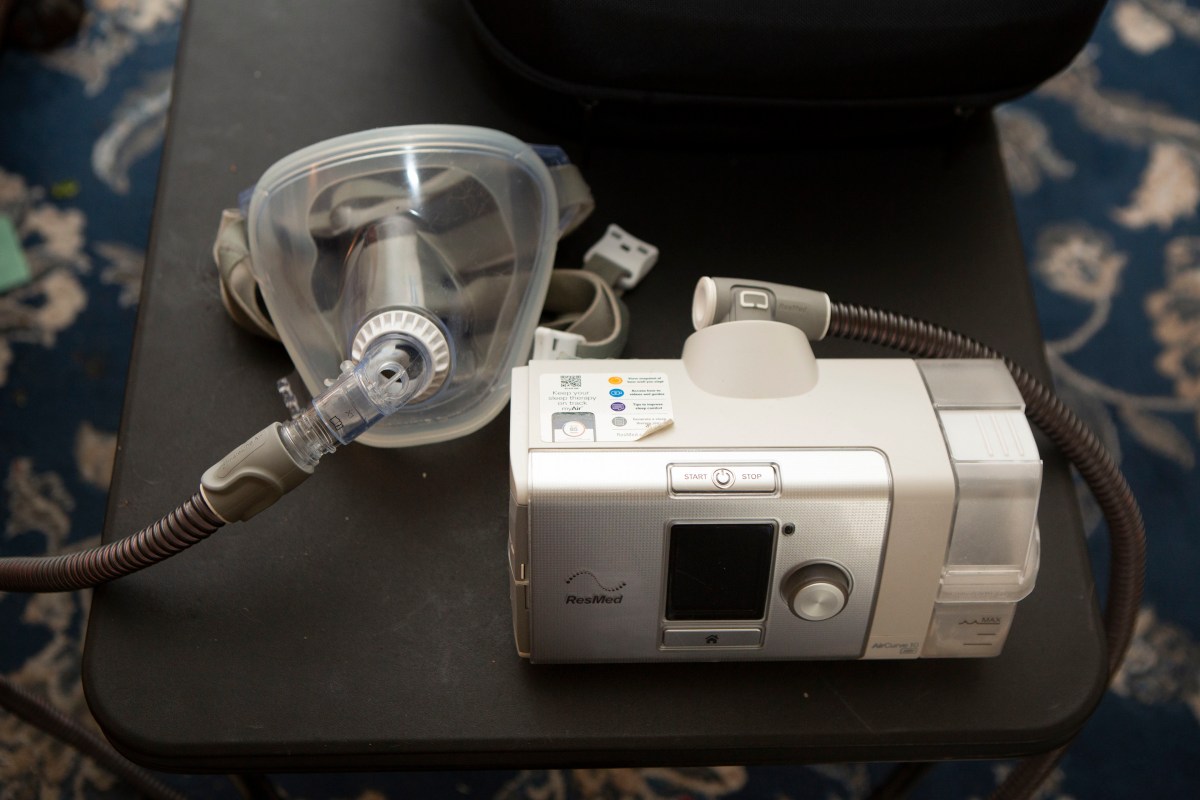
La Marca’s medical history paints a clear picture of high health risk: he is morbidly obese with a BMI of 42, has undergone quadruple heart bypass surgery, is prediabetic, and faces an elevated risk for stroke. Crucially, he also suffers from severe obstructive sleep apnea. It is this specific diagnosis, ironically, that served as the barrier to entry for the discounted program. He suspects that without this particular condition, his weight alone would have qualified him. "I’m obese, morbidly obese, BMI 42. I had quadruple heart bypass surgery. I’m at risk for stroke. I’m prediabetic. And yet I can’t get it. I’m livid," he stated, his voice thick with frustration. La Marca’s plight underscores a critical flaw in the program’s design, effectively penalizing those whose complex health profiles make them simultaneously more in need of the drugs and yet ineligible for the affordable pricing.
A Temporary Patch With Deep Cracks
The emergence of GLP-1 receptor agonists has been nothing short of a medical revolution. Originally developed for Type 2 diabetes management (drugs like Ozempic, Rybelsus, and Mounjaro), their profound effect on weight loss quickly led to specific formulations and approvals for chronic weight management (Wegovy and Zepbound). These medications work by mimicking a natural hormone that regulates appetite and satiety, slows gastric emptying, and helps control blood sugar. Beyond significant weight reduction, studies have shown these drugs can offer substantial cardiovascular benefits, reduce the incidence of diabetes, and improve various obesity-related comorbidities, thereby promising long-term health improvements and potential cost savings for the healthcare system.
Despite their proven efficacy, the high cost of GLP-1s remains the primary barrier to access for many Americans. Reports indicate that about one in five American adults have either taken or considered taking a GLP-1 medication, but the majority, even those with health insurance, find the monthly price tags prohibitive. This widespread affordability crisis is what spurred the creation of the Medicare GLP-1 Bridge program.

For decades, federal law, specifically the Medicare Prescription Drug, Improvement, and Modernization Act of 2003, has explicitly prohibited Medicare from covering drugs prescribed solely for weight loss. This legal restriction has left millions of Medicare beneficiaries, many of whom are seniors struggling with obesity and its associated health risks, without access to these transformative treatments. The Bridge program, launched in July, was intended as an innovative, albeit temporary, workaround. It’s an 18-month pilot designed to gather data on whether providing coverage for GLP-1s for weight loss and management could ultimately lead to greater cost savings for Medicare by mitigating the need for more expensive treatments for obesity-related conditions in the future.
To qualify for the pilot, patients must be enrolled in Medicare Part D, Medicare’s prescription drug coverage. Interestingly, the preauthorization request for the Bridge program does not go through the individual’s Part D insurer but rather through a separate system managed by a contractor for the Centers for Medicare & Medicaid Services (CMS). The pilot currently covers Wegovy, the KwikPen formulation of Zepbound, and the oral medication Foundayo.
The stated eligibility criteria for the Bridge program appear straightforward: many Medicare beneficiaries with a body mass index (BMI) of 35 or higher (the upper range of obesity) can qualify if prescribed one of the covered drugs. Those with a BMI between 27 and 34 can also qualify if they have certain additional health conditions, such as prediabetes or cardiovascular disease. These criteria suggest a broad reach for those struggling with obesity.
The Cruel Irony of Eligibility
However, the devil, as always, is in the details – specifically, a buried distinction in the program’s fine print that creates a cruel irony for patients like Jeff La Marca. The $50 monthly price under the Bridge program is only applicable to individuals using the GLP-1 medication solely for weight loss. This means if a patient has a qualifying medical condition for which the Food and Drug Administration (FDA) has already approved GLP-1s as a treatment – such as Type 2 diabetes or, in La Marca’s case, moderate to severe obstructive sleep apnea (for which GLP-1s are increasingly recognized as beneficial in reducing severity) – they are explicitly excluded from the $50 pilot program.
Instead, these patients are routed back to their standard Medicare Part D prescription drug plan. While Part D may offer coverage for GLP-1s when prescribed for an FDA-approved condition like Type 2 diabetes or cardiovascular risk reduction (as is increasingly the case for drugs like Wegovy), the out-of-pocket costs are dramatically higher. Copays can range from hundreds of dollars to over $600 a month, placing them out of reach for many seniors living on fixed incomes.
Juliette Cubanski, who directs the Program on Medicare Policy at KFF, a leading health information nonprofit, articulated this nuance clearly: "The Bridge program was designed to target those people who can’t get GLP-1 coverage through Part D but would benefit from taking one for weight loss." While this distinction is logical from a policy perspective, aiming to fill a specific gap left by existing Part D regulations, it inadvertently creates a new chasm for a significant segment of the Medicare population.
KFF’s research highlights the scale of this exclusion. Cubanski has estimated that while 3.8 million people initially qualified for the Bridge program based on its direct criteria, an additional 5.9 million Medicare enrollees who are overweight or obese are excluded because they already have medical conditions, such as Type 2 diabetes or sleep apnea, that would theoretically qualify them for GLP-1 coverage through Part D – albeit at a much higher, often unaffordable, cost. This means the program, in its current form, is leaving behind a substantial number of individuals who arguably have the greatest medical need for these drugs due to their complex health profiles.
The Broader Landscape of GLP-1 Access and Cost
The financial implications of expanding GLP-1 coverage are substantial, influencing the cautious approach taken by CMS. Cubanski’s estimates suggest that if a quarter of the initially eligible 3.8 million people enroll in Bridge and remain on treatment for the full 18 months, Medicare could incur costs of approximately $3.3 billion. If three-quarters enroll, the cost could skyrocket to $10 billion. Expanding the program to include the 5.9 million people currently excluded due to their comorbidities would add billions more to these projections, a daunting figure for federal budget planners.
Despite these cost concerns, CMS spokesperson Timothy Foster reported positive initial weeks for the demonstration, noting that most prior authorization requests have been completed in under 12 hours. "This has allowed thousands of eligible beneficiaries to access GLP-1 medications for weight loss at pharmacies nationwide," Foster said, emphasizing the program’s success in its intended, limited scope.
However, for patients like La Marca, the distinction between "coverage" and "affordable coverage" is critical. Dr. Taylor Lacy, a primary care physician at Sunflower Medical Group in Roeland Park, Kansas, and a vocal proponent of GLP-1s, laments this gap. "‘Coverage’ doesn’t always mean ‘affordable,’" she stated, echoing the frustration of many clinicians who see the benefits of these drugs but are stymied by financial barriers. She argues that the Bridge program is paradoxically "leaving behind patients with the greatest medical need."

Medicare patients navigating Part D coverage for GLP-1s often face a labyrinth of requirements, including prior authorization and step therapy, which necessitate trying less expensive alternative treatments for months before gaining approval. Even after securing approval, the shock of hundreds of dollars in monthly copays at the pharmacy counter can make the treatment unattainable. Research published in JAMA Network has indeed found that recipients of GLP-1s through Medicare insurers have experienced significant increases in out-of-pocket costs, with almost all plans now requiring prior authorization, making drug access more arduous.
The insurance industry, through groups like AHIP, often attributes these high costs to pharmaceutical companies. Chris Bond, an AHIP spokesperson, stated that drugmakers "alone set and they alone can lower" the prices, shifting the blame squarely onto manufacturers. This ongoing debate between insurers and drugmakers about pricing power leaves patients like La Marca caught in the middle. His own insurer declined to comment on the specifics of his case, offering no direct recourse for his frustration.
A Quest for Health, A Plea for Equity
For now, Jeff La Marca’s prescription for Zepbound remains unfilled. The severe sleep apnea diagnosis that underscores his urgent medical need and would make GLP-1s particularly beneficial for his overall health is precisely what bars him from the discount program that would make the medication accessible. His appeals have led to dead ends, leaving him feeling abandoned by a system designed to help.
Reflecting on his journey, La Marca’s eyes welled with tears of frustration. "This is now my quest, because it’s my only chance to improve my health," he declared. "It’s the only thing left. I’ve tried everything." His emotional plea is a poignant reminder of the human cost of policy limitations and the complex interplay of medical need, drug pricing, and insurance coverage.
La Marca’s story is not an isolated incident but a powerful illustration of the systemic challenges embedded within the U.S. healthcare system. While the Medicare GLP-1 Bridge program represents a vital step towards recognizing obesity as a treatable medical condition, its restrictive eligibility criteria and the ongoing affordability crisis for those outside its narrow scope highlight the immense hurdles that remain. The debate over GLP-1 coverage in Medicare is more than just about weight loss; it’s about equitable access to life-saving medication, the long-term sustainability of healthcare costs, and the fundamental question of whether a healthcare system can truly serve its most vulnerable populations when crucial treatments remain financially out of reach. As these medications continue to demonstrate their profound impact on health, the pressure on policymakers to address these gaps and ensure broader, more affordable access will only intensify.
