
 By admin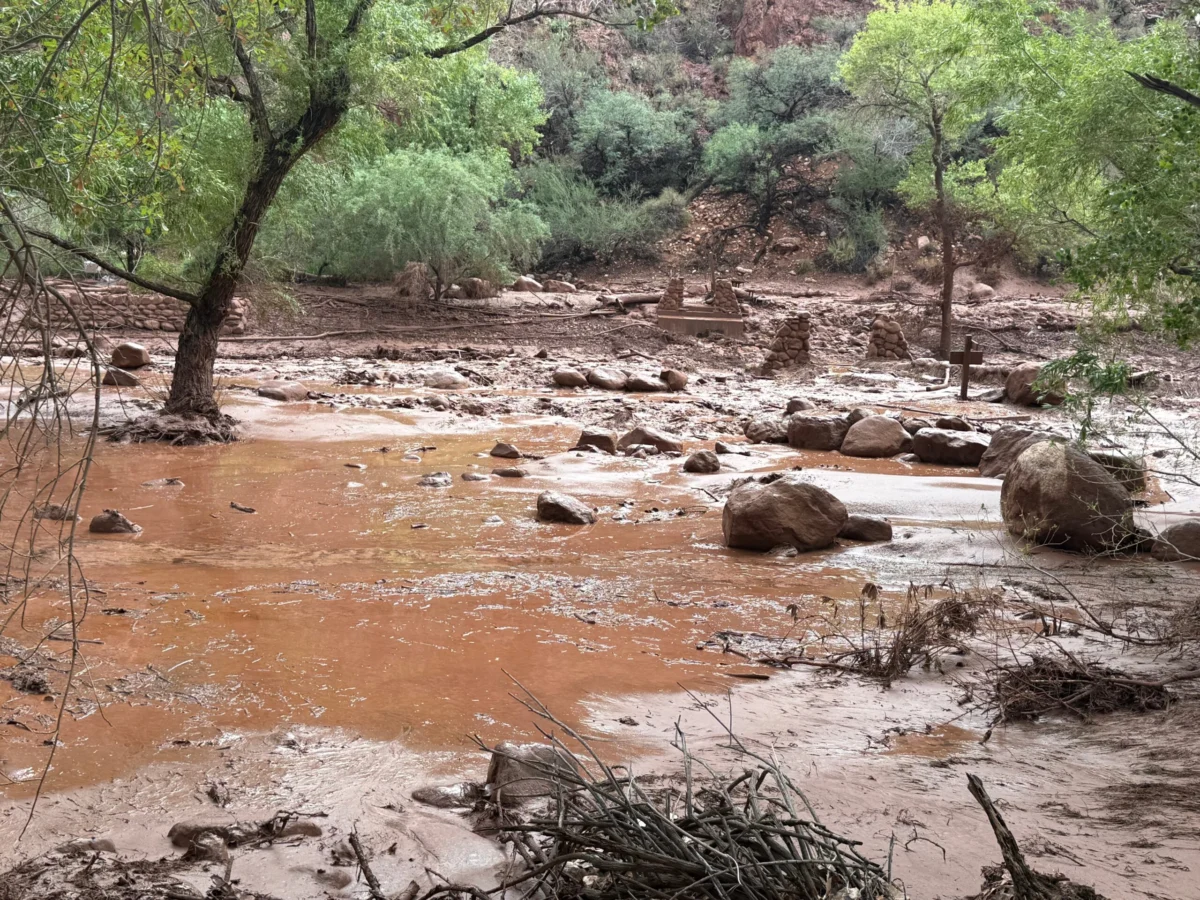
A catastrophic flash flood event has torn through the heart of Grand Canyon National Park, leaving a trail of destruction, forcing unprecedented closures, and triggering a high-stakes search-and-rescue operation along the Colorado River. This sudden surge of water, characterized by its speed and lethality, has transformed one of the world’s most iconic natural wonders into a hazardous zone of debris and geological instability. As of this weekend, the National Park Service (NPS) has entered a state of emergency, mobilizing multiple agencies to account for missing persons and stabilize critical infrastructure that provides life-sustaining water to the park’s millions of annual visitors.
The immediate impact of the flooding has centered on the inner canyon, where the sheer force of the water has rendered some of the park’s most famous landmarks inaccessible. The National Park Service has announced the immediate and indefinite closure of Phantom Ranch—the historic lodging facility nestled at the bottom of the canyon—along with its cabins and canteen. Nearby, the Bright Angel Campground, a vital stop for backpackers and those attempting the grueling "Rim-to-Rim" trek, has also been shuttered. The damage extends to the North Kaibab Trail, which is now closed in its entirety from the North Kaibab Trailhead on the North Rim down to its junction at Phantom Ranch. Engineers and park rangers are currently assessing the structural integrity of the Silver and Black footbridges, the two primary conduits for hikers crossing the Colorado River, both of which were battered by flood-borne debris.
The search-and-rescue mission remains the highest priority for park officials. In a coordinated effort with the Arizona Department of Public Safety, NPS teams are scouring the rugged banks of the Colorado River and the silt-laden tributaries where the flash floods originated. The NPS Investigative Services Branch has taken the unusual step of requesting public assistance to help account for individuals who may have been in the vicinity when the waters rose. Searchers face extreme challenges, including the threat of secondary floods, unstable canyon walls, and the logistical difficulty of operating in remote areas where communication is sparse and the terrain is unforgiving.
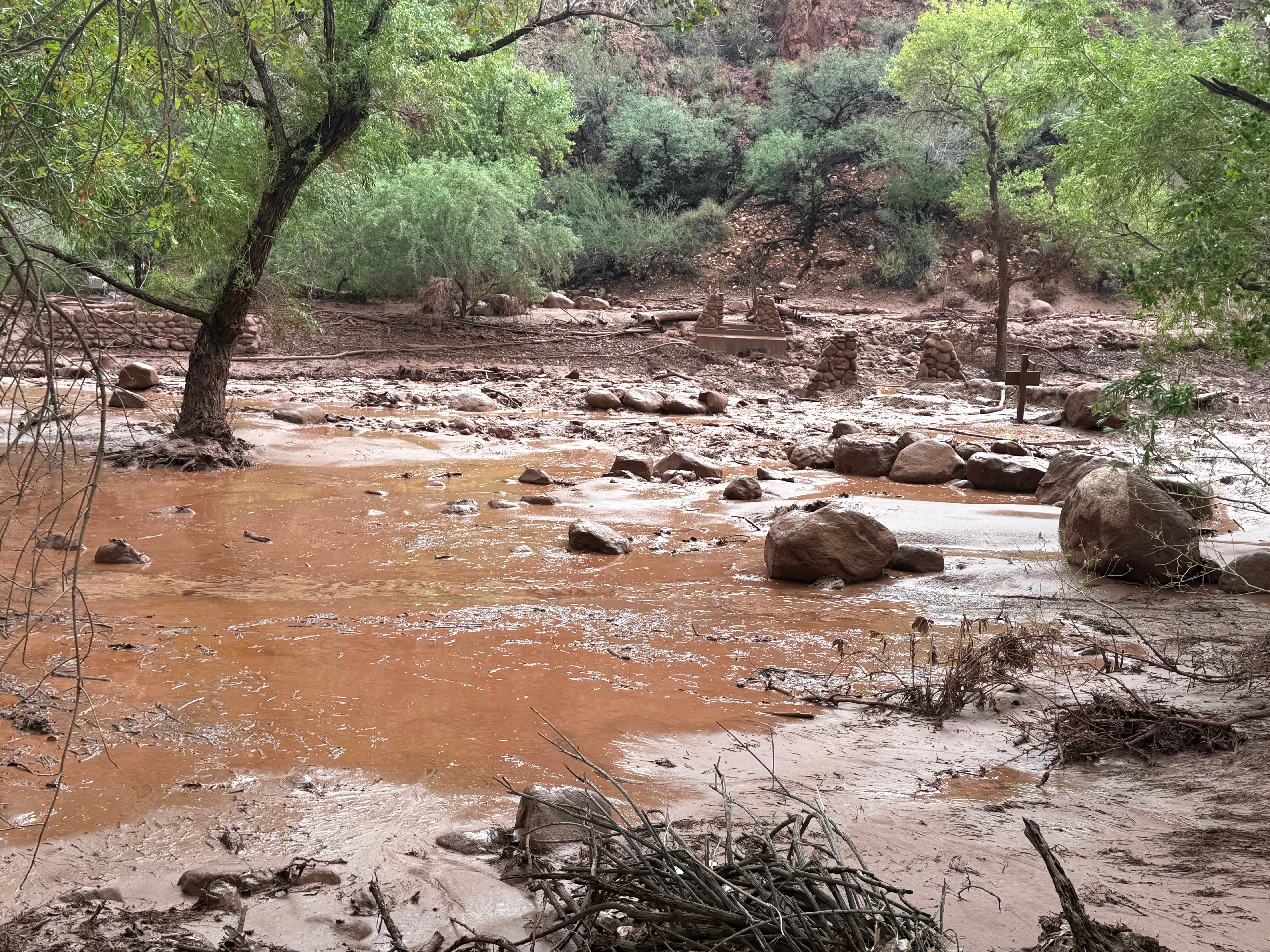
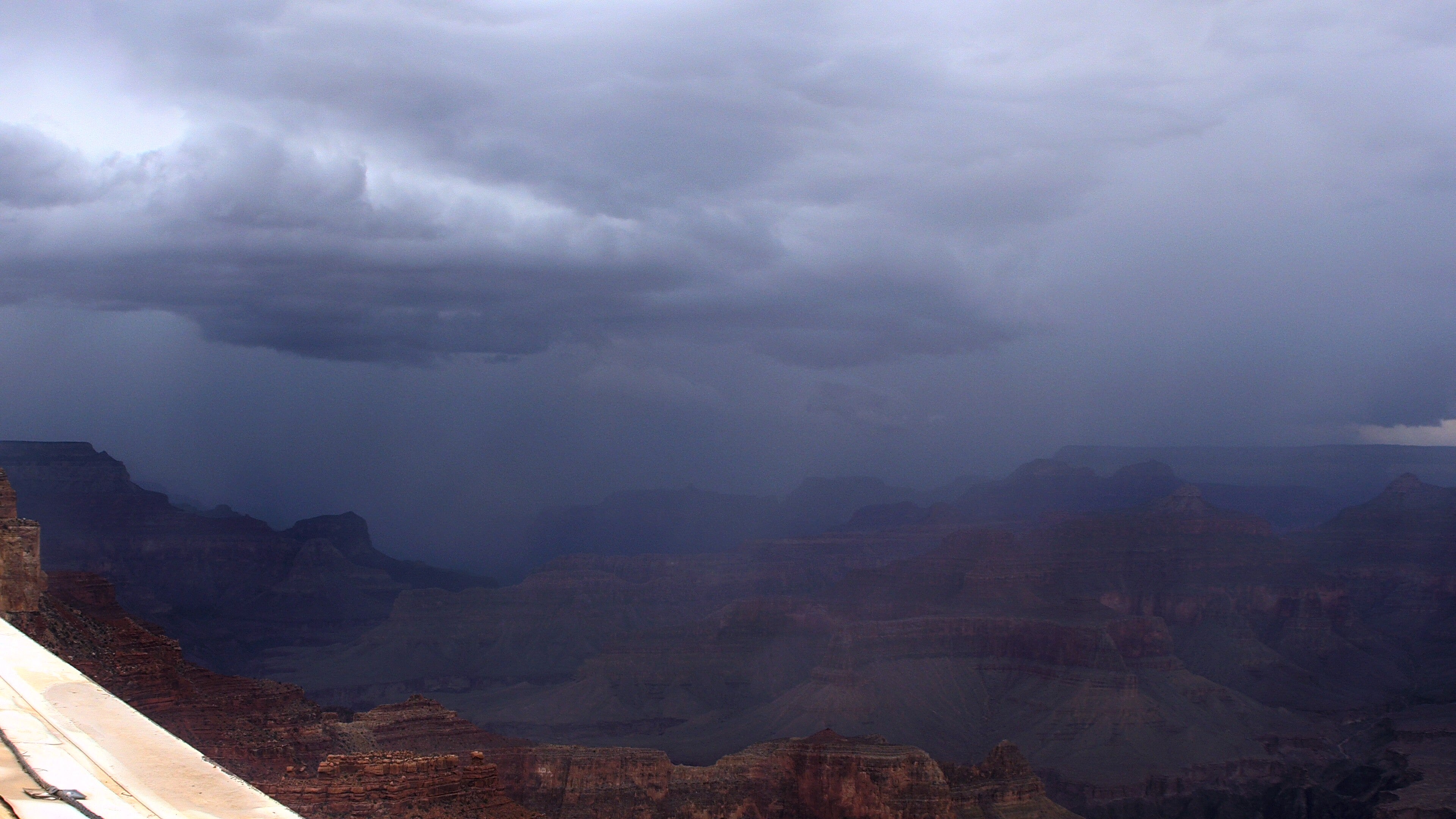
This disaster is not an isolated incident but rather the latest in a series of environmental challenges to plague the region. Only one year ago, in July 2025, the Dragon Bravo wildfire scorched vast swaths of the North Rim, forcing evacuations and leaving the landscape scarred. Experts note that "burn scars" from such wildfires significantly increase the risk of flash flooding; the lack of vegetation means the soil cannot absorb rainfall, leading to rapid, high-volume runoff. When the monsoon rains typical of late summer in Northern Arizona hit these vulnerable areas, the result is often a "wall of water" that carries boulders, uprooted trees, and industrial debris downstream with terrifying velocity.
The crisis has now moved from the depths of the canyon to the bustling South Rim. In a move that has sent shockwaves through the travel industry, the National Park Service has issued a mandatory closure notice for all South Rim hotels located within the park boundaries, effective Monday, August 31, at noon. This drastic measure is the direct result of catastrophic damage to the Transcanyon Waterline. This 12.5-mile pipeline, originally constructed in the 1960s, is the sole source of potable water for the South Rim, transporting water from Roaring Springs on the North Rim across the canyon floor.
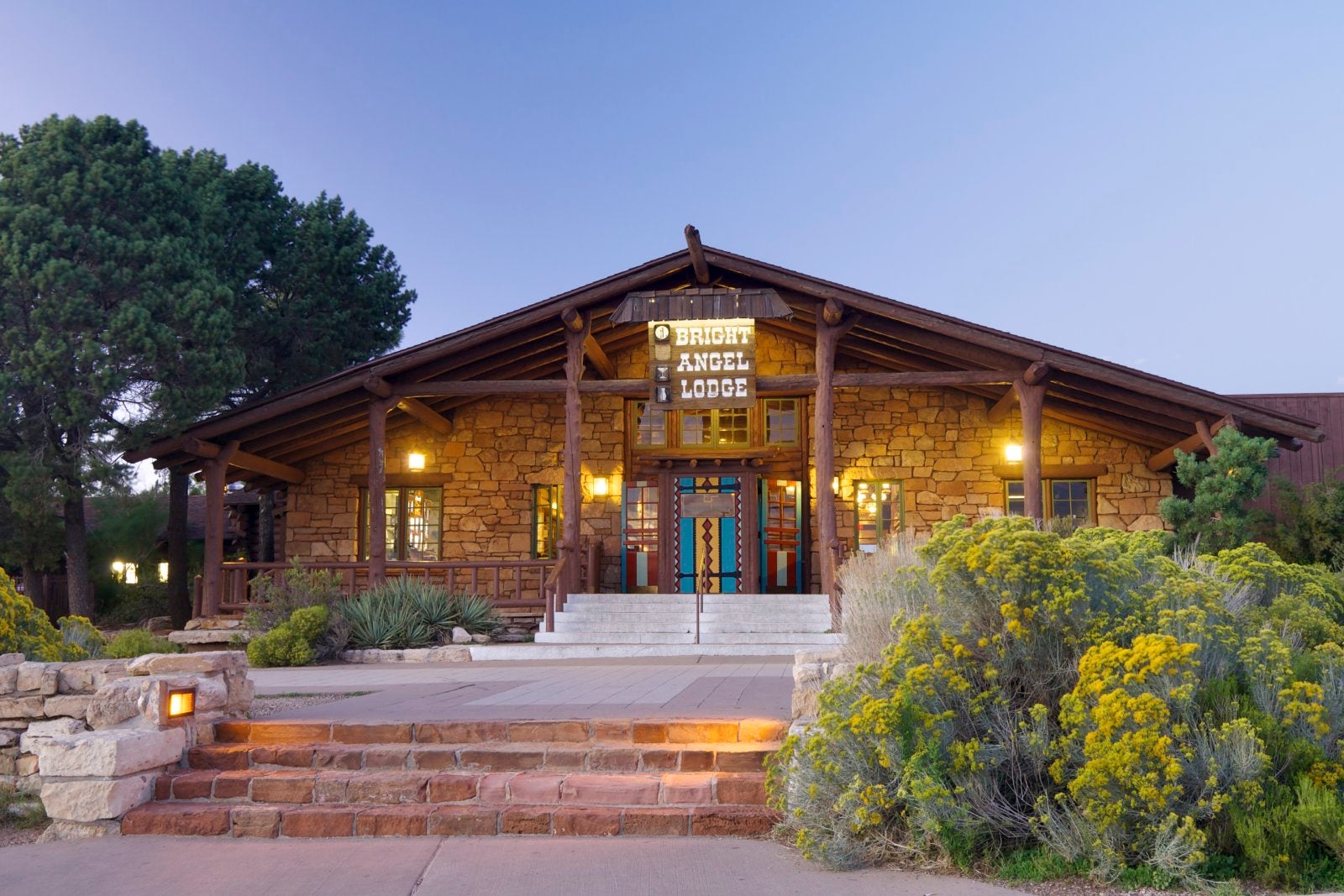
The waterline has long been the "Achilles’ heel" of the park’s infrastructure. Even before this flood, the system was prone to frequent breaks, prompting the federal government to greenlight a $208 million multiyear rehabilitation project. However, with completion not expected until 2027, the current system remains fragile. The recent flooding has caused a breach so significant that the park’s water reserves have plummeted to critical levels. Without a functional pipeline, the hotels—including the historic El Tovar and the Bright Angel Lodge—cannot maintain the fire suppression systems, sanitation, or drinking water standards required to remain open. While the park remains open for day-use visitors, overnight accommodations are strictly limited to "dry camping" at the South Rim, where no water hookups are available.
For those currently in the park or planning a visit, the atmosphere is one of caution and logistical reshuffling. The gateway town of Tusayan, located just outside the park’s southern entrance, has become a vital refuge. Because Tusayan operates on its own independent water system, its hotels and restaurants remain fully operational. Travelers displaced by the South Rim closures are flooding into Tusayan, seeking last-minute accommodations. Park officials are urging visitors to utilize the "Key Hiking Messages" and "Places To Go" webpages for real-time updates, as the situation remains fluid and weather forecasts indicate that the threat of further severe storms has not yet passed.
The Colorado River, usually a mecca for whitewater rafters, has also been silenced. The NPS has issued a total ban on river traffic until further notice. The danger here is twofold: the water itself is dangerously turbid and fast, and the flood has swept massive amounts of "industrial debris"—including metal piping from the damaged waterline and structural fragments from backcountry facilities—into the channel. These submerged hazards pose a lethal risk to inflatable rafts and motorized boats. River rangers are currently using satellite communication and the Grand Canyon River Alert system to coordinate with rafting parties that were already mid-trip when the floods hit, guiding them to safe extraction points or instructing them to remain at high-ground camps.
From an analytical perspective, this event highlights the increasing volatility of the Southwest’s climate and the aging state of American national park infrastructure. The Grand Canyon attracts nearly five million visitors annually, contributing hundreds of millions of dollars to the regional economy. However, the reliance on a single, 60-year-old water pipe for a primary tourist hub represents a significant systemic risk. As climate change continues to intensify the "boom and bust" cycle of droughts and monsoonal deluges, the pressure on these legacy systems will only increase.
Travelers who have had their plans upended by this natural disaster are encouraged to look toward their financial protections. Many high-end travel credit cards offer trip cancellation and interruption insurance that specifically covers natural disasters. If a park closure or a government-mandated evacuation prevents a traveler from utilizing a prepaid reservation, these insurance policies can be a lifeline for recovering non-refundable deposits. Experts suggest documenting all communications from the NPS and hotel operators to facilitate claims.
As the sun sets over the Yavapai Point webcam, the view remains breathtaking, but the silence in the inner canyon is a somber reminder of the power of nature. The National Park Service’s primary goal remains the safe recovery of the missing and the eventual restoration of the Transcanyon Waterline. However, given the extent of the damage to the North Kaibab Trail and the sheer volume of debris in the Colorado River, the road to recovery will be long. The closure of Phantom Ranch and the South Rim hotels is not just a logistical hurdle for tourists; it is a significant blow to the park’s operational capacity and a reminder that even the most enduring geological features are subject to the whims of the weather.
The bottom line for any prospective visitor is clarity and preparedness. The Grand Canyon is a dynamic environment where conditions can shift from serene to life-threatening in a matter of minutes. For now, the focus remains on the search-and-rescue teams working tirelessly in the heat and mud of the canyon floor. The park service continues to ask for the public’s patience and cooperation, emphasizing that while the canyon’s beauty is eternal, its safety is currently compromised. Visitors are encouraged to monitor official channels and to respect all closures, as entering restricted areas not only puts the individual at risk but also diverts critical rescue resources away from those who need them most. Our hearts remain with the families of the missing and the dedicated rangers and volunteers working to bring them home.
