
 By admin
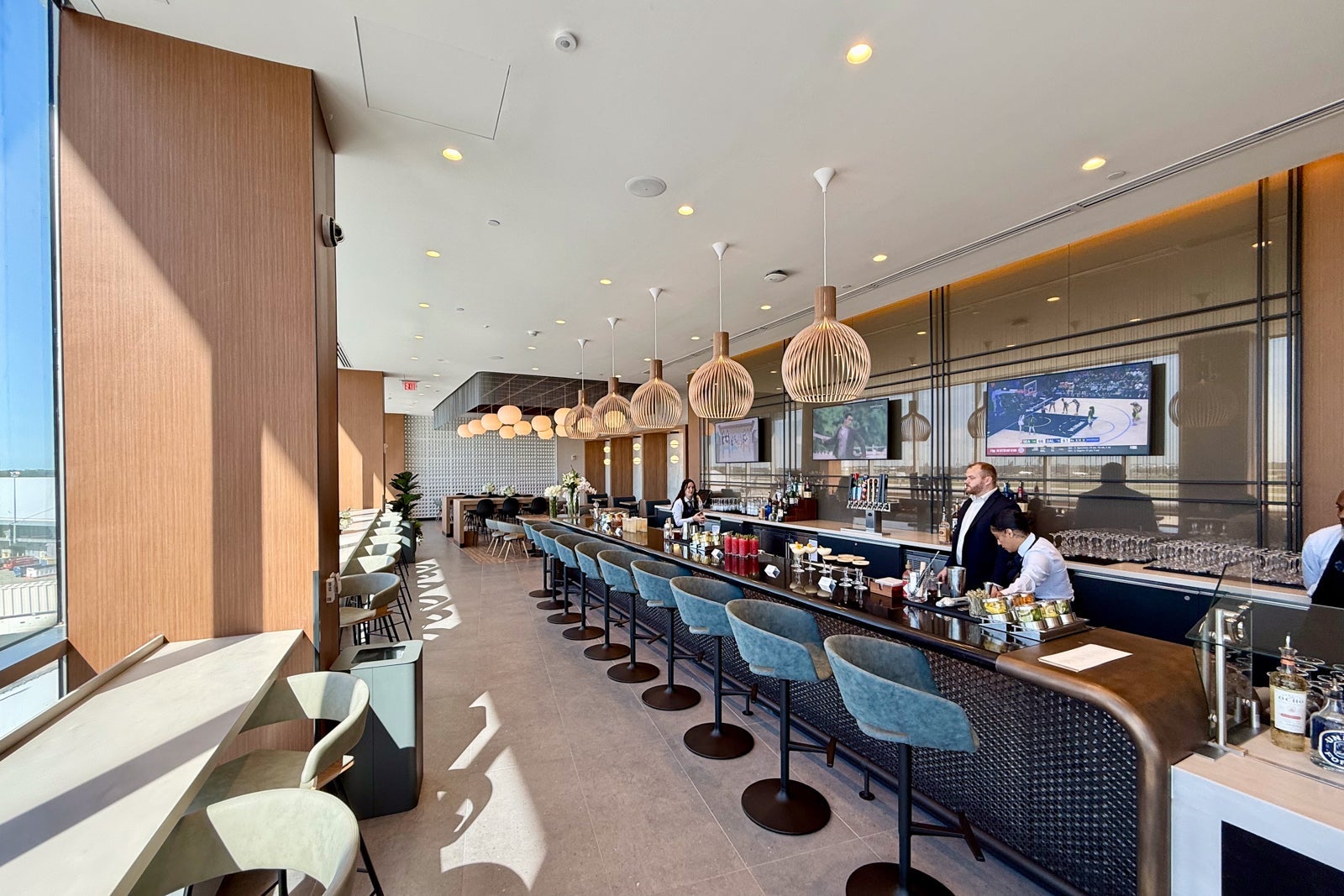
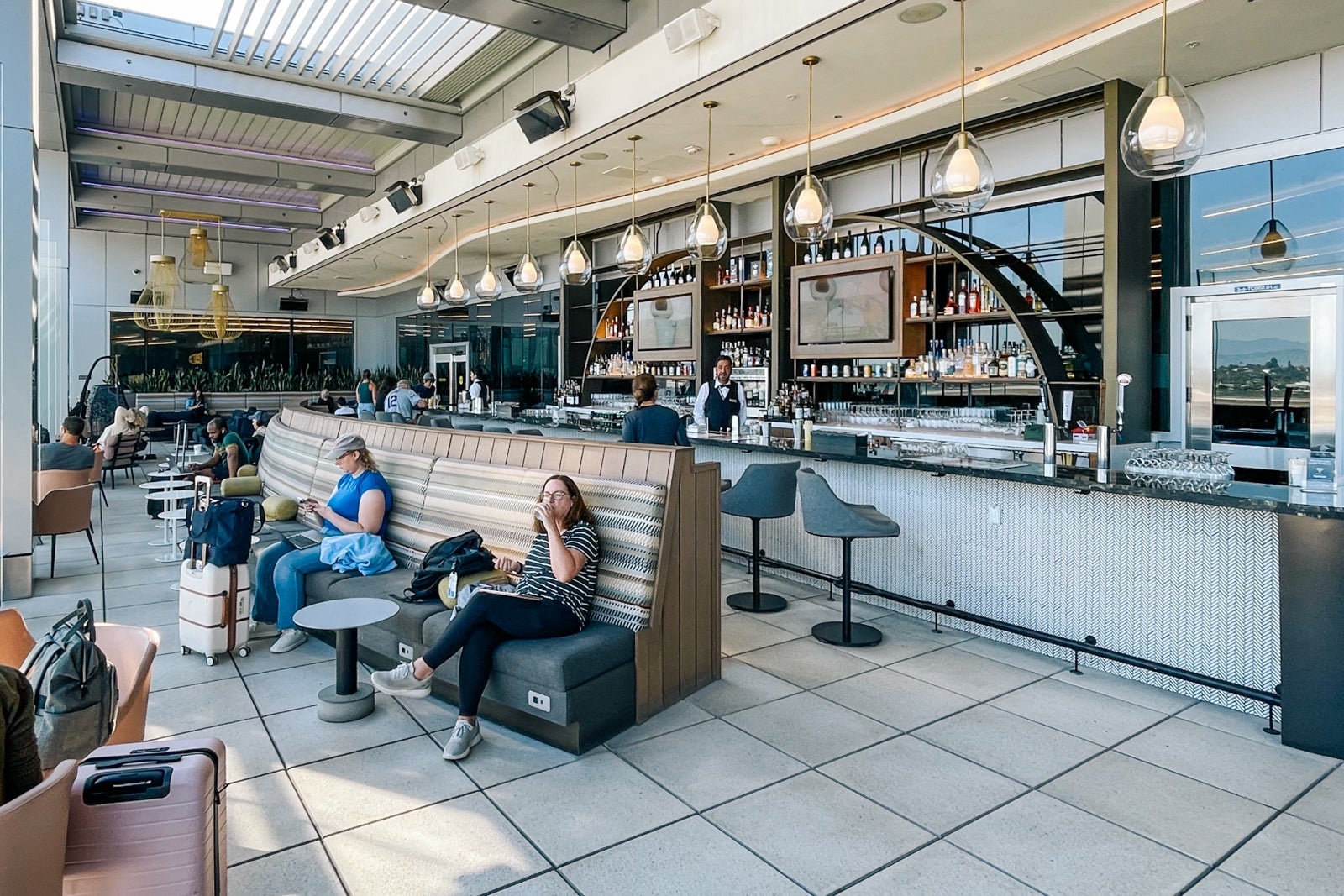
The American Airlines Admirals Club airport lounge network stands as a cornerstone of the premium travel experience for millions of passengers flying with American Airlines and its Oneworld alliance partners. Far more than just a place to wait for a flight, these lounges serve as sanctuaries of productivity and relaxation, offering a curated environment designed to shield travelers from the chaotic energy of busy airport terminals. With nearly 50 locations strategically positioned in major hubs across the globe—including significant presences in Dallas/Fort Worth (DFW), Charlotte (CLT), Miami (MIA), and the recently debuted high-end spaces at Philadelphia International Airport (PHL)—the Admirals Club provides consistent amenities such as high-speed Wi-Fi, complimentary snacks, house beverages, and personalized assistance with travel arrangements. As the landscape of lounge access becomes increasingly complex due to recent pricing changes and evolving elite status requirements, understanding the various pathways to entry is essential for any frequent flyer looking to optimize their journey.

One of the most efficient and cost-effective methods to secure long-term access to these lounges is through the strategic use of premium co-branded credit cards. The Citi / AAdvantage Executive World Legend Mastercard has long been regarded as the gold standard for American Airlines loyalists. Currently, the card offers a compelling limited-time welcome bonus: new cardholders can earn 125,000 bonus miles after spending $15,000 on purchases within the first five months of account opening. While the card carries a significant annual fee of $695, the value proposition is anchored by the inclusion of a full Admirals Club membership. When compared to the cost of purchasing a membership out-of-pocket—which can now run as high as $1,400 for certain individuals—the credit card effectively pays for itself.
Beyond the primary cardholder, the Citi / AAdvantage Executive World Legend Mastercard offers a unique advantage through its authorized-user policy. For a fee of $175, primary cardholders can add up to three authorized users, with subsequent users also costing $175 each. These authorized users gain the ability to access Admirals Clubs even when they are not traveling with the primary cardholder, provided they hold a same-day boarding pass for a flight marketed or operated by American Airlines or a Oneworld partner. While authorized users do not receive the "full membership" (meaning they cannot access certain third-party partner lounges), they still enjoy the privilege of bringing up to two guests or their immediate family into the Admirals Club. This makes the card a popular choice for families or business partners who wish to split the costs of lounge access across multiple travelers.
In August 2024, American Airlines implemented significant structural changes to its paid membership tiers, reflecting a broader industry trend toward premiumization and capacity management. The airline moved away from its traditional household membership model, replacing it with a more individualized system. There are now two primary categories: the Standard Membership and the Single Membership. The Standard Membership is the comprehensive option, including full guest privileges and access to eligible partner lounges. The pricing for this tier is scaled based on the traveler’s AAdvantage elite status level. For AAdvantage members without status, a new membership costs $1,400 or 140,000 miles. AAdvantage Executive Platinum and Platinum Pro members pay a reduced rate of $1,200 or 120,000 miles, while Platinum members pay $1,250 and Gold members pay $1,300. Renewals are slightly discounted, typically ranging from $1,150 to $1,350 depending on status.
For those who travel alone and do not require guest access, the new Single Membership offers a more streamlined alternative at a flat rate of $750 or 75,000 miles per year, regardless of elite status. This membership is strictly for the individual and does not include access to third-party partner lounges, making it a niche product for the solo business traveler. It is important to note that American Airlines miles are currently valued at approximately 1.45 cents each by industry experts. Consequently, using 140,000 miles to pay for a $1,400 membership results in a redemption value of exactly 1 cent per mile—a poor use of currency compared to redeeming those same miles for high-value business class international flights. Furthermore, ConciergeKey members—American’s most exclusive invitation-only tier—continue to receive complimentary Admirals Club access as a core benefit of their status.
For the occasional traveler who may not fly frequently enough to justify a yearly membership, the one-day pass remains a viable, albeit capacity-restricted, option. Available for $79 or 7,900 AAdvantage miles, these passes allow entry for a single day of travel. While they offer a taste of the premium experience, American Airlines reserves the right to restrict one-day pass entries during peak travel periods to prevent overcrowding. This is particularly common at major hubs like DFW or CLT during holiday weekends. A one-day pass covers the holder and up to three children under the age of 18, but it does not allow for adult guests.
Elite status remains one of the most prestigious ways to enter the Admirals Club, though the rules are strictly governed by the type of itinerary flown. For members of the American Airlines AAdvantage program and the Alaska Airlines Atmos Rewards program, lounge access is generally reserved for qualifying international itineraries. AAdvantage Platinum, Platinum Pro, and Executive Platinum members (who hold Oneworld Sapphire or Emerald status) can access the Admirals Club when flying internationally between the U.S. and regions including Europe, Asia, Australia, South America, and the Middle East. Notably, AAdvantage elites also receive access on flights to Canada, Mexico, and the Caribbean.
In contrast, Alaska Airlines Atmos Rewards Gold, Platinum, and Titanium members have a slightly different set of geographic restrictions. While they enjoy access on long-haul international routes, they do not receive status-based Admirals Club access for travel specifically between the U.S. and Canada, Mexico, or the Caribbean. However, a significant "loophole" or benefit exists for elite members of foreign Oneworld programs, such as British Airways Executive Club (Silver/Gold) or Qantas Frequent Flyer (Gold/Platinum). These members can access Admirals Clubs on any same-day Oneworld flight, including purely domestic U.S. itineraries in economy class. This makes foreign elite status exceptionally valuable for those who primarily fly domestic routes within the United States.
For travelers without elite status or a membership, the class of service on their ticket can also provide a gateway. While a standard domestic first-class ticket between cities like Dallas and Chicago does not grant lounge access, "Premium Transcontinental" routes do. These include specially configured flights between New York (JFK) and Los Angeles (LAX), San Francisco (SFO), and Orange County (SNA), as well as flights between Boston (BOS) and LAX. Additionally, passengers booked in business or first class on qualifying international flights operated by American or Oneworld partners are granted access. It is vital for these passengers to distinguish between the Admirals Club and the Flagship Lounge. Flagship Lounges, located in DFW, LAX, MIA, ORD, and PHL, offer a significantly elevated experience with chef-inspired dining and premium wine stations. If a traveler’s ticket grants access to both, the Flagship Lounge is almost always the superior choice.
The American Airlines AAdvantage program also integrates lounge access into its Loyalty Point Rewards system. As members climb the ladder of Loyalty Points, they reach specific thresholds where they can choose "Choice Rewards." At the 175,000-point level, members can select two Admirals Club one-day passes (though recent updates suggest a shift toward more permanent membership options at higher tiers). At the 250,000-point level and above, members can choose options such as an individual Admirals Club membership, which requires multiple reward "picks" to activate.
Finally, American Airlines maintains a long-standing tradition of supporting the U.S. military. Active-duty military personnel traveling in uniform on a same-day flight operated by American Airlines are granted complimentary access to the Admirals Club. This benefit extends to the service member’s immediate family or up to two guests. While this access is available at nearly all domestic and international Admirals Club locations, it generally does not extend to certain partner lounges, such as the JAL Sakura Lounge or the Qantas Club, unless specified by local agreements.
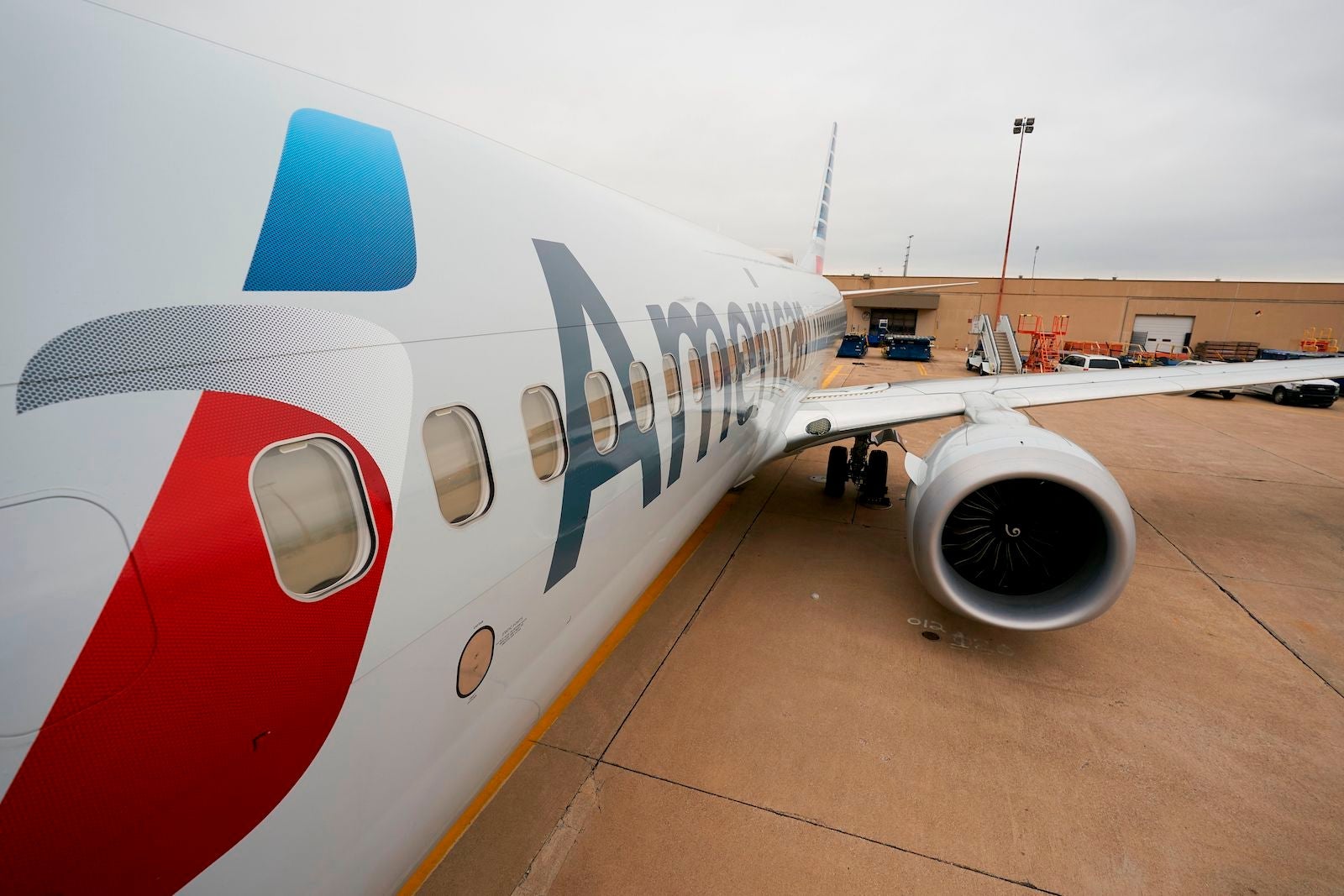
In summary, the Admirals Club remains a vital component of the American Airlines ecosystem. Whether through the high-value Citi / AAdvantage Executive World Legend Mastercard, a direct annual membership, or the perks of international elite status, there are numerous ways to bypass the terminal gate area. As American Airlines continues to refresh its lounge portfolio—highlighted by the stunning new architectural designs in Philadelphia and Austin—the value of having a reliable "home base" at the airport continues to grow. For the modern traveler, the key to a seamless journey lies in navigating these access rules to ensure that every pre-flight hour is spent in comfort rather than in the crowds.
