
 By admin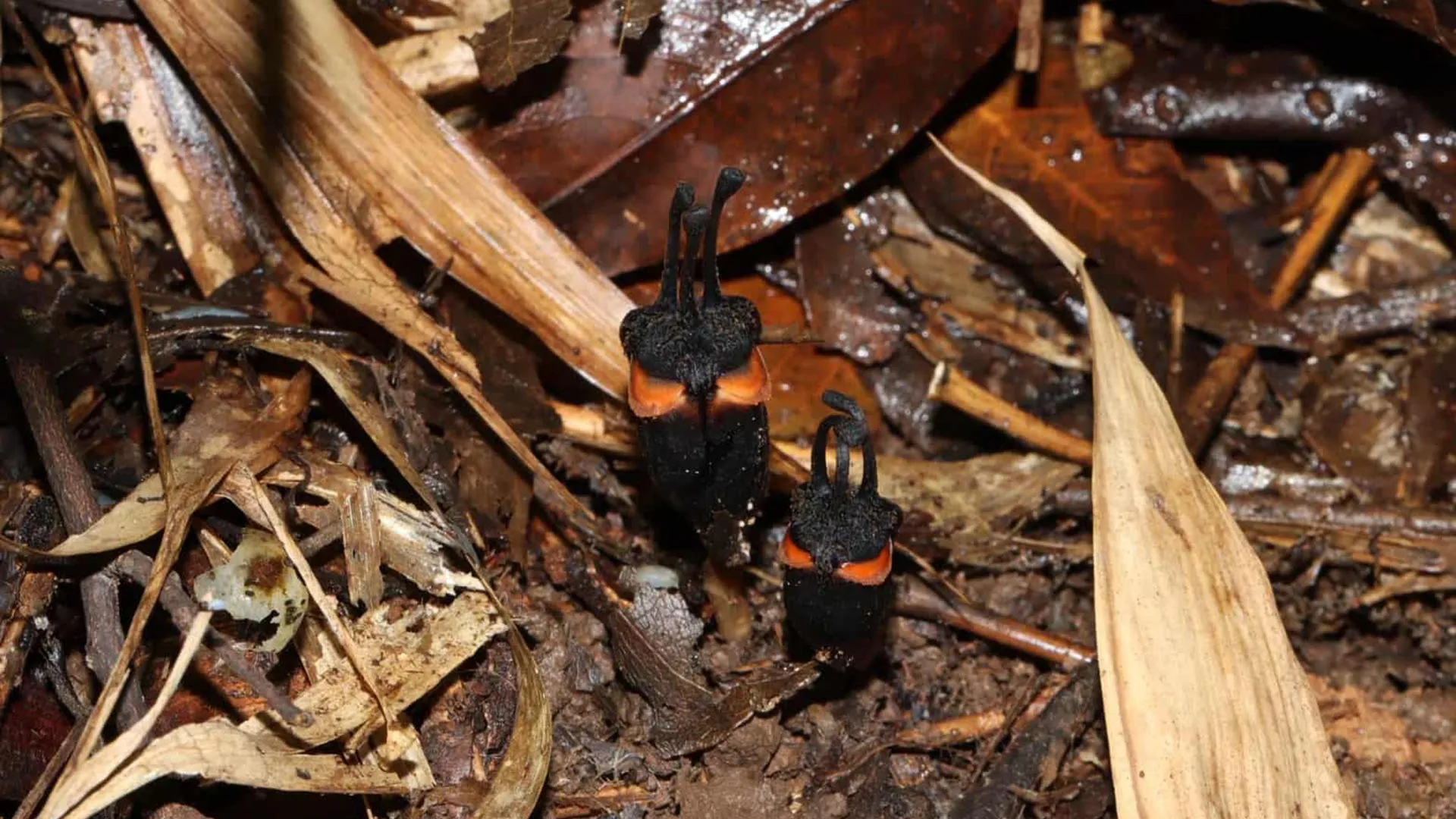
The newly described plant belongs to the genus Thismia, a group of tiny, enigmatic species often affectionately referred to as "fairy lanterns." These plants represent one of nature’s most extraordinary adaptations: they completely lack chlorophyll, the pigment essential for photosynthesis, and therefore do not produce their own food from sunlight. Instead, Thismia species are mycoheterotrophic, meaning they forge an intricate, obligate relationship with underground fungi. These fungi, in turn, are typically engaged in mycorrhizal associations with surrounding trees, effectively siphoning nutrients from the vast, subterranean fungal networks that permeate forest soils. For nearly their entire lives, these "fairy lanterns" remain concealed beneath layers of leaf litter, their delicate, often intricately structured flowers emerging only briefly and mysteriously from the forest floor, a fleeting glimpse into a hidden world. This cryptic lifestyle makes them incredibly difficult to find and study, contributing to their aura of mystery and their relatively recent and sporadic discoveries across tropical and subtropical regions.
A Surprising Discovery in Thailand’s Montane Forests
The discovery of Thismia daemona was a testament to the persistent efforts of botanists surveying the rich, yet often unexplored, biodiversity of Southeast Asia. Researchers from Chulalongkorn University and Prince of Songkla University made the initial observation while conducting fieldwork in Thong Pha Phum National Park, located in Thailand’s western region. What made this particular finding profoundly surprising was not just the discovery of a new species itself, but the specific environmental conditions under which it was found. The plant was thriving at an elevation of nearly 1,000 meters above sea level, within a seasonally dry, montane evergreen forest. This habitat stands in stark contrast to the typically humid, perennially wet lowland rainforests where most Thismia species are known to occur.
Dr. Sahut Chantanaorrapint of Prince of Songkla University articulated the team’s astonishment, stating, "Finding Thismia daemona in Thong Pha Phum National Park was indeed a major surprise. Typically, Thismia species are known to occur in perennially humid lowland rainforests. However, this population was discovered in a seasonal, montane evergreen forest at an elevation of nearly 1,000 meters above sea level." This revelation suggests a greater ecological plasticity within the genus than previously understood, hinting that some Thismia species might possess adaptations to withstand drier periods or more fluctuating temperature regimes, potentially broadening the scope of environments where future searches for these elusive plants could prove fruitful. The presence of such a specialized plant in an unexpected environment also underscores the profound complexity of forest ecosystems and the intricate interdependencies that allow diverse life forms to thrive even in seemingly marginal conditions. It raises questions about how this particular species adapted to its higher, drier niche, perhaps through unique fungal partnerships or specific microhabitat preferences within the forest floor that retain moisture.
Beyond its ecological implications, the discovery significantly alters scientists’ understanding of the geographic range of this specific plant group. Thismia daemona has been classified within Thismia section Geomitra, a taxonomic subdivision previously documented only in Peninsular Malaysia, Borneo, and Sumatra. The identification of Thismia daemona in western Thailand therefore extends the known distribution of the entire Geomitra section much farther north than ever before. This range extension is not merely a geographical footnote; it provides crucial data for biogeographical studies, helping scientists reconstruct ancient land bridges, past climatic conditions, and the dispersal pathways of flora across Southeast Asia. It suggests that the evolutionary history of this plant group may be more complex and widespread than current fossil records or genetic analyses indicate, prompting a re-evaluation of existing models for plant migration and speciation in the region. This northward expansion of Geomitra also highlights the potential for other undiscovered species in intervening territories, emphasizing the critical need for continued botanical exploration across the Indo-Malayan realm.
Why It Is Called the "Devil Flower": A Study in Striking Morphology
The plant’s striking and unconventional appearance undoubtedly served as the primary inspiration for its dramatic moniker. Thismia daemona is far from a delicate, conventionally beautiful flower. Its overall form is dominated by a mostly black perianth, the outer whorl of the flower, which lends it an almost sinister aesthetic. From a dome-shaped "miter" at its apex, two distinct, horn-like appendages rise, giving the plant an unmistakably fiendish silhouette. Adding to this unsettling imagery are bright reddish-orange patches located near the base of the flower. These vibrant spots glow with an intensity that strongly resembles glowing eyes, completing the plant’s demon-like appearance and imbuing it with an almost mythical quality.
Dr. Chantanaorrapint elaborated on the consensus among the research team regarding the naming choice. "Combined with its hidden, subterranean, and mysterious lifestyle on the forest floor, our team unanimously agreed that naming it Thismia daemona perfectly captured its enigmatic and devil-like essence," he explained. The name is not just a whimsical description but a reflection of the profound impression the plant made on its discoverers – a creature of the shadows, emerging from the underworld of the forest floor with an appearance both unsettling and utterly captivating. This deliberate naming strategy also serves a practical purpose: it makes the plant memorable and distinctive, a crucial factor in generating public interest and support for conservation efforts, especially for a species that is otherwise so inconspicuous.
Fewer Than 50 Plants Are Known: A Critically Endangered Status
Despite its visually striking and scientifically significant nature, the future of Thismia daemona is shrouded in uncertainty. The plant’s survival is critically at risk, a stark reminder of the fragility of specialized species in rapidly changing environments. Scientists currently know of only a single population, consisting of fewer than 50 individual plants. This entire known population occupies an area smaller than a football pitch, rendering it exceptionally vulnerable to localized disturbances. Consequently, the species has been provisionally assessed as Critically Endangered, a designation under the IUCN Red List criteria that signifies an extremely high risk of extinction in the wild. This assessment is based on the extremely small population size, its limited geographic range, and the presence of ongoing threats.
One significant concern arises from the fact that this unique plant’s habitat lies inside Thong Pha Phum National Park, an area that, while protected, receives substantial tourist traffic. While national parks are vital for conservation, human presence, even in the form of ecotourism, can inadvertently pose threats to sensitive species. Foot traffic can compact soil, disturb delicate leaf litter layers crucial for mycoheterotrophic plants, and potentially introduce invasive species or pathogens. Furthermore, illegal collection, though hopefully mitigated by park regulations, remains a persistent threat for rare and unusual plants, especially those with such a distinctive appearance. The very mystery and allure that make Thismia daemona fascinating could, ironically, contribute to its peril if not managed responsibly.
Dr. Chantanaorrapint emphasized the critical importance of a collaborative approach to safeguard the plant and its fragile habitat. He believes that involving nearby communities will be paramount for effective long-term protection. "A key next step is adopting a sustainable conservation approach aligned with the UNESCO Man and the Biosphere concept, harmonizing biodiversity conservation with human engagement," he stated. This concept advocates for the integration of conservation and sustainable development, recognizing that human communities are integral parts of ecosystems and their well-being is intrinsically linked to environmental health.
Inspiring local people to take pride in their natural heritage is not just a philosophical ideal but a practical conservation strategy. When local communities understand the unique value of the species within their shared landscape, they are more likely to become active stewards of its protection. This engagement can manifest in various ways, from participating in monitoring programs and reporting illegal activities to developing sustainable, community-led ecotourism initiatives that directly benefit the local economy. Such initiatives can provide economic alternatives to potentially destructive practices, creating a vested interest in the preservation of the natural environment. For Thismia daemona, this might involve guided tours that educate visitors about its rarity and unique biology, emphasizing minimal impact and raising awareness for its delicate existence. Empowering local communities transforms them from passive observers into active partners in biodiversity conservation, creating a resilient framework for safeguarding not just this single species but the entire microhabitat it depends upon.
The research detailing the discovery and description of Thismia daemona was published in the open-access journal PhytoKeys, ensuring broad and immediate dissemination of this significant scientific finding. With the addition of Thismia daemona, Thailand is now known to be home to sixteen distinct species of Thismia, solidifying its position as a biodiversity hotspot for this peculiar and enchanting genus. This ongoing stream of discoveries underscores the immense botanical wealth still hidden within Thailand’s diverse ecosystems and highlights the urgent need for continued exploration, taxonomic research, and robust conservation strategies to protect these natural treasures before they vanish. The "devil flower" serves as a powerful emblem of the unseen wonders of our planet, a reminder that even in well-trodden national parks, extraordinary life forms await discovery, each with its own story of adaptation, evolution, and a desperate plea for survival in a rapidly changing world.
