
 By admin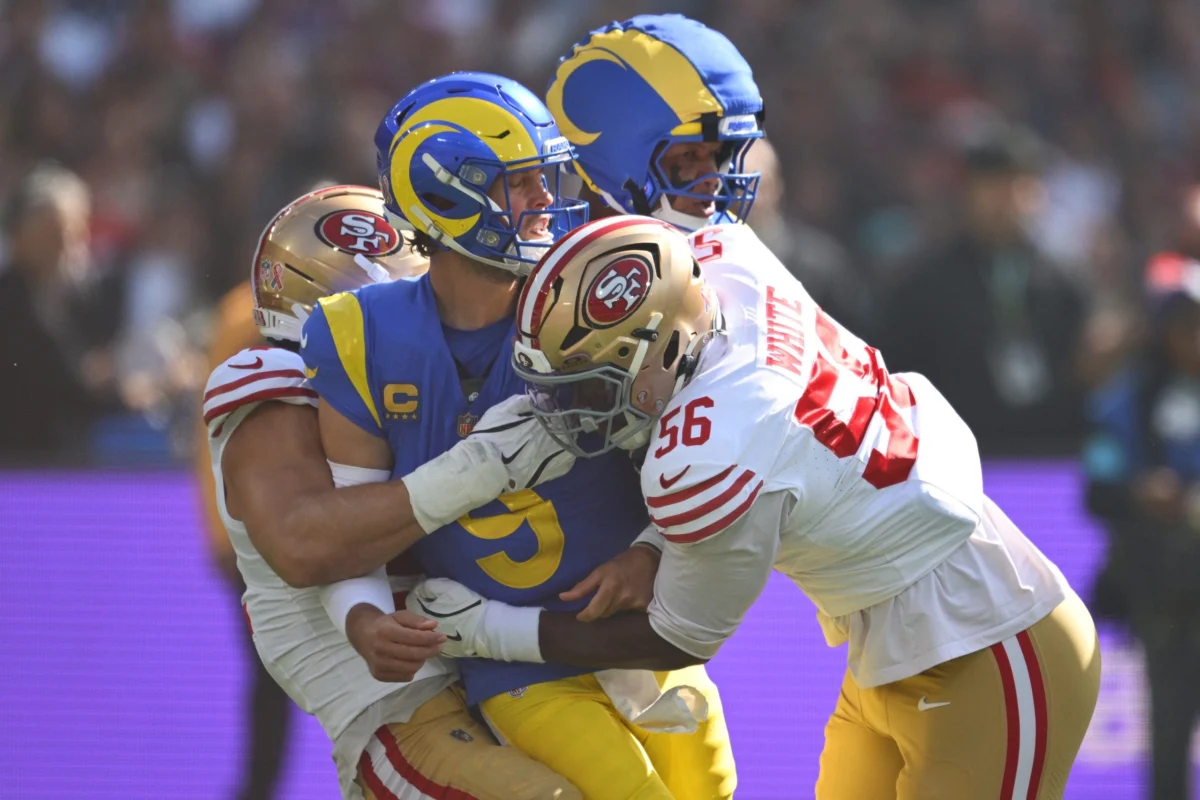
The initial buzz surrounding the Los Angeles Rams as a potential "super team" has been significantly dampened following a decisive and somewhat humbling season-opening loss to the San Francisco 49ers. The international stage of Melbourne, Australia, proved to be a harsh proving ground, where the Rams appeared fatigued and disjointed, ultimately falling under the commanding control of their NFC West rivals. From the outset, the 49ers dictated the tempo of the game, primarily by establishing a dominant presence on the line of scrimmage, a critical factor that prevented the Rams from mounting any serious challenge by the fourth quarter, as they steadily succumbed to defeat.
While it’s a common adage that Week 1 results can be misleading, offering a distorted snapshot of a team’s true potential, this particular matchup, held approximately 8,000 miles from Los Angeles, provides substantial talking points about both franchises. The 49ers, in contrast to the Rams’ struggles, exhibited a performance that can only be described as dominant. Conversely, the Rams, on this occasion, looked decidedly outmatched and overwhelmed.
The early stages of the game were marred by a concerning injury to rookie receiver De’Zhaun Stribling, who was carted off the field in the first half. This adds to the Rams’ growing list of ailments at the wide receiver position, following the placement of Ricky Pearsall on injured reserve prior to the season’s commencement. Despite these personnel challenges, the 49ers’ offensive attack, orchestrated by quarterback Brock Purdy, showed no signs of faltering. Purdy, in particular, displayed remarkable poise and efficiency, demonstrating that the team’s depth could compensate for any individual absences.
Tight end George Kittle, making a swift return from an Achilles injury sustained last year, was a significant presence. Receiver Mike Evans, a key offseason acquisition, immediately justified his substantial contract, proving to be a reliable chain-mover, consistently delivering first downs or touchdowns on all six of his receptions. Evans’ performance indicated he was precisely the impactful receiver the team envisioned when signing him to a three-year, $42.4 million deal. Even Deebo Samuel appeared revitalized, reminiscent of his earlier, explosive 49ers form. Samuel contributed across multiple facets of the game, tallying 48 receiving yards, 12 rushing yards, and an impressive 74 yards on special teams, showcasing his versatile threat.
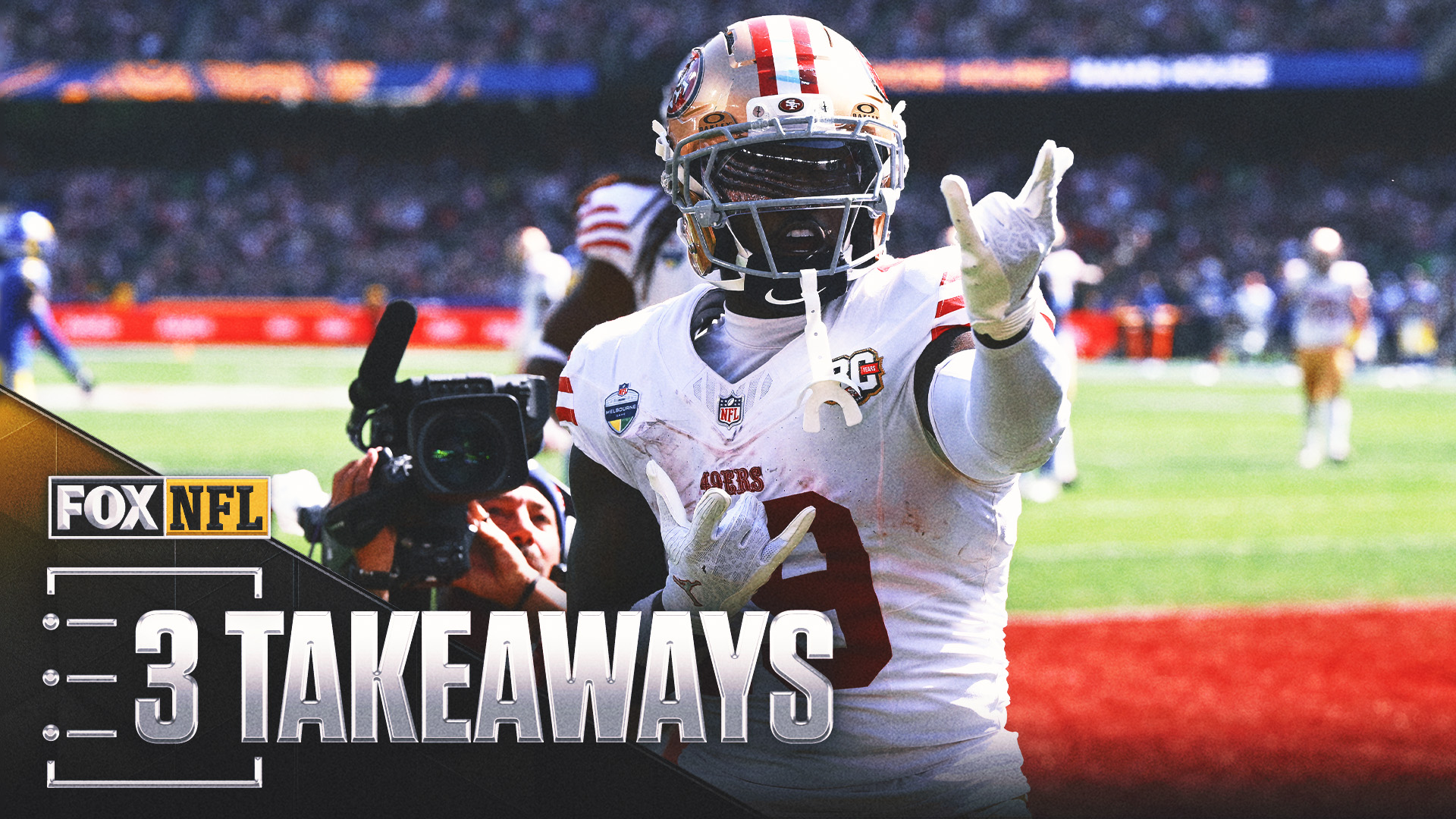
The ever-reliable Christian McCaffrey delivered another outstanding performance, as expected. However, the breakout star for the 49ers on this day was rookie running back Kaelon Black. Black shouldered a significant load, carrying the ball 14 times for 65 yards, effectively easing the pressure on McCaffrey in the early stages of the season. In essence, the 49ers’ offense presented a formidable and deep unit, embodying the strategic brilliance of head coach Kyle Shanahan. With an array of weapons at his disposal, Purdy was able to operate at a high level, even against what was anticipated to be a formidable Rams defense. The offensive firepower displayed suggests a team built for sustained success deep into the postseason, potentially reaching January and even February.
The extensive travel to Australia undoubtedly played a role in the early game performance of both quarterbacks, who appeared sluggish in the first half. This sluggishness manifested in a pair of identical, glaring interceptions thrown on consecutive drives. Purdy’s errant pass, intended for George Kittle, was easily picked off by safety Quentin Lake, who had dropped into coverage. Shortly thereafter, Matthew Stafford’s floated pass towards receiver Puka Nacua was intercepted by Renardo Green, who had backpedaled effectively into position. The shared experience of throwing such uncharacteristic interceptions underscored the universal challenge of mitigating jet lag, regardless of pre-game preparation.
Despite the shared struggle with travel, Stafford’s performance was noticeably more concerning than Purdy’s. Stafford’s passes frequently sailed too high to be catchable, and he forced a dangerous throw to Davante Adams late in the first half. He appeared consistently perplexed by the 49ers’ defensive pressure, which they applied without needing to blitz excessively. For the entire contest, Stafford completed 15 of 25 passes for a meager 155 yards and a single interception. His performance fell far short of the standard expected from a reigning MVP, particularly against a division rival.
Even Rams head coach Sean McVay seemed affected by the travel, making a questionable decision to call a quarterback sneak on fourth-and-one from the goal line in the third quarter. Predictably, Stafford, who has a documented history of struggles with short-yardage sneaks, failed to convert, further highlighting the team’s offensive struggles and the impact of the arduous journey. The overall impression was that Stafford, the reigning MVP, was operating at a significantly reduced capacity.
The Rams’ defensive line, expected to be a strength of the team, failed to make the anticipated impact. The addition of Aaron Donald to the defensive front, a player of his caliber, was thought to create an embarrassment of riches and an unstoppable force. However, Myles Garrett, despite facing 34 dropbacks from Purdy, registered zero sacks and zero quarterback hits. While Garrett’s pressure total was respectable, reaching five according to Next Gen Stats, his overall impact on the game was far less than what would be expected. This success in pass protection was largely attributed to the outstanding play of 49ers left tackle Trent Williams, who delivered a masterful performance against one of the league’s premier pass rushers.

Adding a layer of context to Garrett’s performance, Netflix’s Tom Pelissero reported that Garrett had been dealing with a knee injury sustained during training camp. This injury had limited his practice repetitions and potentially affected his conditioning and overall performance in the game. The report indicated that Garrett was still experiencing some pain from the injury, a factor that warrants close observation moving forward.
While the 49ers’ early arrival in Australia was intended to help them acclimatize, the downside is the return journey and the subsequent readjustment to Pacific Time. However, their upcoming schedule offers a significant advantage. Their next opponent is the Miami Dolphins, a team that, in the eyes of many, appears to be a strong contender for the No. 1 overall pick in the upcoming draft. Following the Dolphins, the 49ers face the Arizona Cardinals, another matchup that should present a relatively manageable challenge. While the team may experience some minor disruptions as they readjust their internal clocks, their game plans for these initial contests are unlikely to be compromised. The author expresses strong confidence that San Francisco will begin the season with a 3-0 record, setting them up favorably for their Week 4 matchup against the Denver Broncos.
The Los Angeles Rams, following their disappointing performance, have a Monday night fixture against the New York Giants in Week 2. The hope is that their emphasis on avoiding prolonged acclimatization to the Australian time zone will pay dividends, enabling them to feel refreshed for this upcoming contest. The Giants, under head coach John Harbaugh, are building momentum around their young offensive core, featuring quarterback Jaxson Dart, receiver Malik Nabers, and running back Cam Skattebo, who are generating considerable excitement about the team’s future. After the lackluster showing in Melbourne, it is highly improbable that the Rams will lack motivation or energy in their subsequent games, as they seek to rebound from this opening-week setback. The extensive travel and the subsequent defeat serve as a stark reminder that the NFL season is a marathon, not a sprint, and early-season performances, while telling, do not define the entire campaign. However, the dominance displayed by the 49ers suggests they are poised for another deep playoff run, while the Rams have significant questions to address, particularly on the offensive and defensive lines, as they navigate the long season ahead.
