
 By admin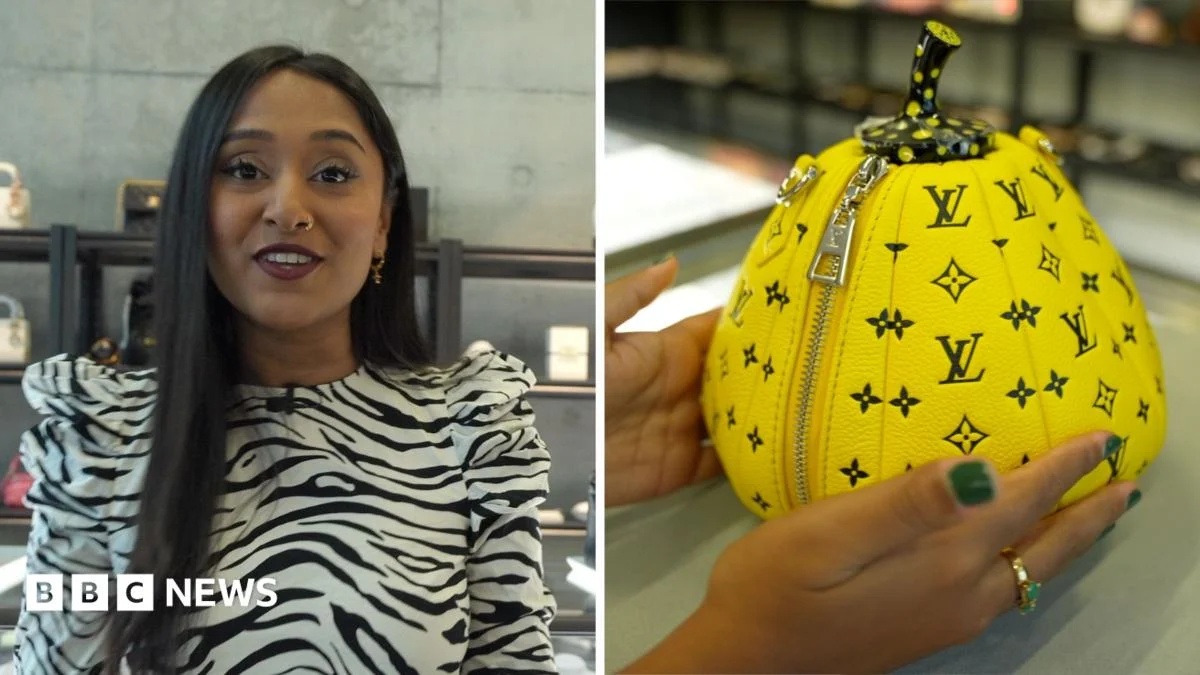
Singapore has commenced the unprecedented auction of a vast trove of luxury assets, meticulously seized by authorities in the wake of a monumental $2.2 billion money laundering scandal that sent shockwaves through the city-state in 2023. These high-value items, now symbols of illicit financial flows and their eventual recovery, are being meticulously cataloged and prepared for sale from their secure holding place within Le Freeport, a highly fortified, state-of-the-art storage facility renowned for its stringent security protocols and discreet client services. The BBC’s Vandhna Bhan was granted rare access to this clandestine repository, offering an exclusive glimpse into the tangible aftermath of one of Asia’s largest financial crimes.
The sheer scale of the seized assets is staggering, encompassing an opulent array of designer handbags, breathtaking jewelry, and exclusive timepieces, each representing a fraction of the illicit fortune allegedly channeled through Singapore’s vaunted financial system. The items on display are not merely luxury goods; they are silent witnesses to a complex web of financial subterfuge, a stark reminder of the vulnerabilities that even the most robust financial centers can face. The Singapore Police Force, in a coordinated operation that spanned multiple jurisdictions, managed to intercept these assets as part of an extensive investigation into a network accused of using shell companies and fraudulent transactions to launder billions of dollars, predominantly derived from overseas criminal enterprises.
Le Freeport, the chosen location for this extraordinary auction, is itself a fascinating entity. More than just a storage unit, it functions as a secure, tax-exempt hub for the storage and trading of high-value assets, attracting collectors, investors, and the ultra-wealthy from around the globe. Its discreet nature, coupled with its advanced security infrastructure, makes it an ideal, albeit ironic, venue for housing the proceeds of criminal activity that has now been brought to light. The facility’s climate-controlled vaults and sophisticated surveillance systems ensure the utmost protection for its contents, a level of security that has now been repurposed to safeguard assets destined for public auction.
The investigation that led to this seizure was a testament to the collaborative efforts of Singaporean law enforcement agencies, working in conjunction with international partners. The operation, which unfolded in August 2023, involved simultaneous raids across multiple locations, leading to the arrest of ten foreign nationals and the freezing of over S$1.8 billion (approximately $1.3 billion USD) in assets. This initial figure has since been significantly augmented, with the total value of seized and frozen assets, including cash, vehicles, properties, and the luxury goods now being auctioned, reaching an astonishing S$3 billion (approximately $2.2 billion USD). The sheer magnitude of this sum underscores the sophistication and scale of the alleged money laundering syndicate.
The types of luxury goods on display paint a vivid picture of the alleged perpetrators’ lifestyle and the methods used to obscure the origins of their wealth. Among the most eye-catching items are handbags from elite fashion houses like Hermès, Chanel, and Louis Vuitton, some of which are limited editions or rare collector’s pieces, commanding astronomical prices even in legitimate markets. The jewelry collection is equally impressive, featuring diamond necklaces, intricate earrings, and precious gemstone rings, many of which are undoubtedly bespoke and of exceptional quality. The watches, a perennial favorite among those with considerable disposable income, include timepieces from prestigious brands such as Rolex, Patek Philippe, and Audemars Piguet, some of which are vintage or limited-edition models, further amplifying their market value.
The auction process itself is being managed with a degree of transparency and public interest that belies the illicit origins of the goods. Officials have emphasized that the sale of these assets is not merely about recovering funds; it is also about demonstrating the effectiveness of Singapore’s anti-money laundering (AML) and counter-terrorist financing (CTF) frameworks. The proceeds from the auction are expected to be channeled back to the state, potentially to bolster law enforcement efforts, compensate victims of financial crimes, or contribute to broader public welfare initiatives, though specific allocations are yet to be detailed.
The money laundering case that precipitated this auction is one of the most significant financial crimes Singapore has ever faced. The alleged syndicate is believed to have laundered funds derived from various criminal activities, including online gambling, fraud, and potentially other illicit enterprises operating across borders. The use of Singapore as a financial hub, known for its political stability, strong rule of law, and efficient financial services, made it an attractive, albeit ultimately compromised, location for such operations. The case has prompted a renewed focus on regulatory scrutiny and due diligence within the financial sector, highlighting the ongoing challenges in staying ahead of sophisticated criminal networks.
Experts in financial crime and anti-money laundering have weighed in on the implications of this case and the subsequent auction. "This is a significant win for Singapore’s law enforcement and regulatory bodies," commented a leading AML consultant, who preferred to remain anonymous due to the sensitive nature of the industry. "It demonstrates their commitment to tackling financial crime head-on. However, it also serves as a stark reminder that no financial center is immune. The constant evolution of money laundering techniques necessitates continuous adaptation of preventative measures and robust enforcement."
The recovery of assets through auctions of this nature is a critical component of the AML framework. It not only deprives criminals of their ill-gotten gains but also sends a powerful deterrent message. The process requires meticulous valuation, authentication, and legal clearance to ensure that the assets can be legitimately sold. In this instance, the sheer volume and value of the items suggest a lengthy and complex process of cataloging and appraisal, likely involving independent experts to determine fair market values.
The BBC’s exclusive access to Le Freeport provided a unique perspective. The images and descriptions shared by reporter Vandhna Bhan painted a picture of an almost surreal environment, where the glittering allure of extreme wealth is juxtaposed with the grim reality of its criminal origins. The controlled environment of the vault, the meticulous organization of the items, and the palpable sense of value emanating from each piece offer a tangible representation of the abstract concept of laundered money. It is a world where counterfeit currencies are transformed into tangible luxury, only to be ultimately confiscated and liquidated.
The public’s fascination with such auctions stems from a combination of factors. There is an inherent curiosity about the lifestyles of the wealthy, particularly those whose fortunes are built on dubious foundations. The opportunity to potentially acquire high-value luxury goods at a public auction, even with the knowledge of their checkered past, adds an element of intrigue. Furthermore, the narrative of justice being served, of illicit gains being recovered and redistributed, resonates with a broader sense of fairness.
The legal framework governing asset forfeiture and auction in Singapore is robust, designed to ensure that seized assets are dealt with appropriately and that the process is transparent and lawful. The funds generated from the sale of these luxury items will be a significant injection into state coffers, underscoring the financial consequences for those involved in money laundering. This case, and the ensuing auction, will undoubtedly serve as a case study for financial institutions and law enforcement agencies globally, reinforcing the importance of vigilance, international cooperation, and robust AML/CTF measures.
The story of Singapore’s dirty money auction is far from over. As the bidding commences and the luxury items find new owners, the underlying narrative of financial crime and its relentless pursuit by law enforcement will continue to unfold. The glittering handbags, sparkling jewels, and exquisite watches, once symbols of illicit wealth, are now poised to embark on a new chapter, their transformation from instruments of crime to instruments of recovery complete. The auction represents a significant milestone in Singapore’s ongoing battle against financial crime, a testament to its resolve in upholding the integrity of its financial system.
