
 By Titik Puspa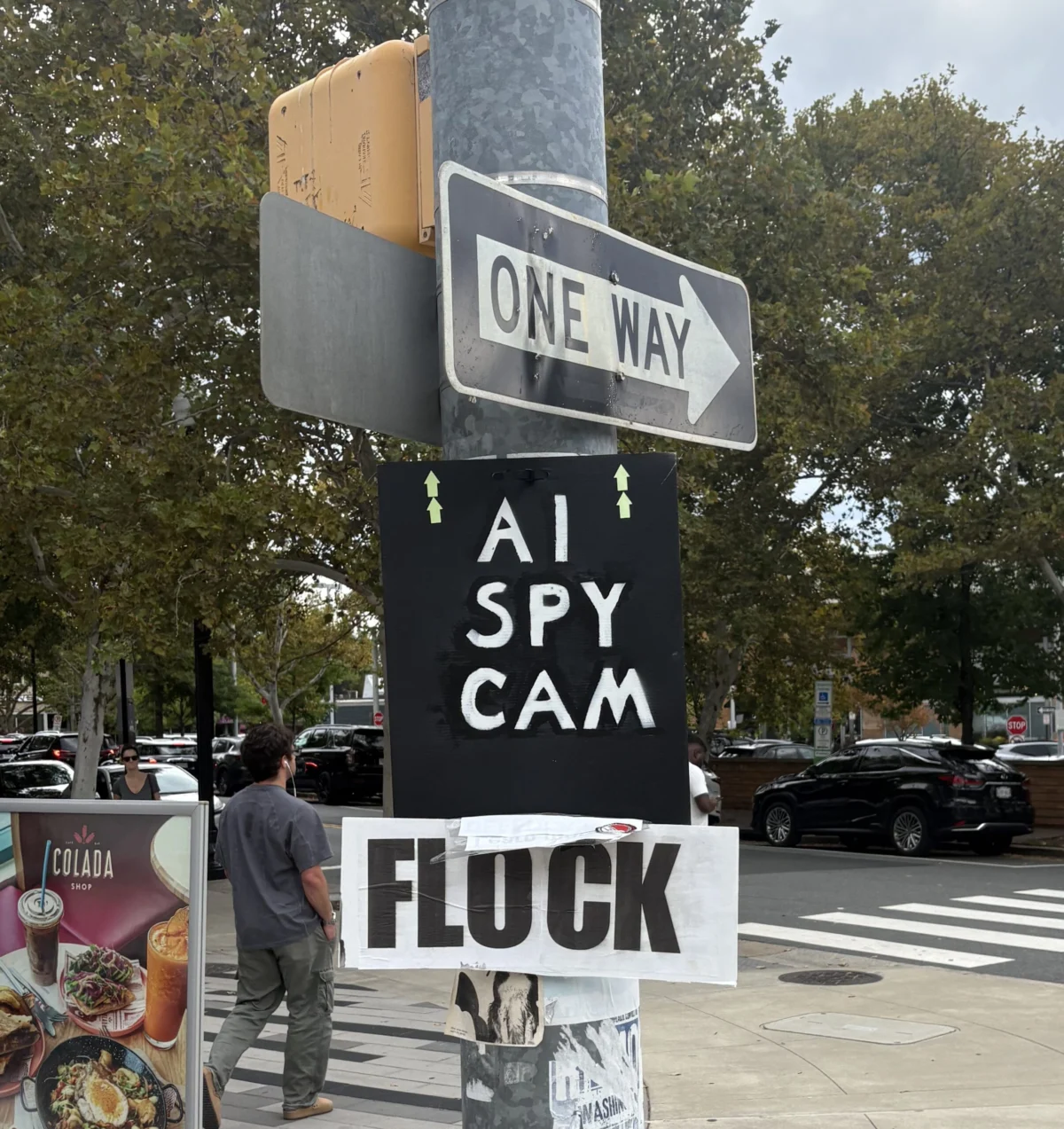
Arlington, Virginia – September 19, 2026 – In a significant move to navigate a turbulent period marked by escalating public scrutiny and declining internal morale, surveillance technology company Flock Safety has announced a comprehensive severance package for employees opting for voluntary departures. The initiative, detailed in a report by Wired, aims to address the demoralization within its 1,500-person workforce, stemming from widespread criticism of its license plate recognition (LPR) technology and its alleged misuse by law enforcement.
The company has described these voluntary buyout packages as the "most generous" in its history, signaling a strategic effort to manage potential workforce reductions while ostensibly preserving the dignity and offering financial support to departing employees. Flock anticipates a substantial number of its staff will express interest in these packages, and the company has indicated it will approve them for a majority of applicants. This approach offers a less disruptive alternative to outright layoffs, which sources suggest would have been an inevitable consequence of the current operational climate.
The decision to offer voluntary buyouts comes at a critical juncture for Flock Safety, a company that has found itself at the center of a growing privacy debate. The core of the controversy lies in its LPR cameras, which are deployed by law enforcement agencies across the United States. While marketed as a tool to enhance public safety and aid in crime solving, these cameras have increasingly been implicated in instances of potential abuse and overreach.
A pivotal moment in the public discourse surrounding Flock’s technology occurred in August 2026, when The Washington Post published a bombshell investigation. The report meticulously detailed 46 cases where law enforcement officers were accused of misusing Flock’s LPR data. The allegations were particularly disturbing, including instances of officers allegedly using the technology to stalk former spouses, current partners, and ex-girlfriends. This revelation sent shockwaves through the public and amplified concerns about the potential for mass surveillance and the erosion of personal privacy.
The fallout from the Washington Post report was swift and severe. In response to mounting privacy concerns and the documented instances of misuse, both the states of Florida and Texas announced they would cease utilizing Flock’s technology. This marked a significant blow to the company, as these are large and influential markets for surveillance equipment. The exodus of clients did not stop there. An anti-surveillance advocacy group tracked the situation closely and identified an alarming trend: in August alone, a staggering 90 cities terminated their contracts with Flock. This represented a quadrupling of contract terminations compared to the previous month, indicating a rapidly accelerating loss of trust and business.
This wave of client departures and negative publicity has undoubtedly taken a toll on Flock’s internal operations and employee sentiment. Garrett Langley, the CEO of Flock Safety, recently acknowledged this impact in an interview on the "All-In" podcast. He candidly stated that the "biggest damage" caused by the external backlash has been to "internal morale." This admission underscores the psychological and operational challenges the company is facing, as its employees grapple with the ethical implications of their work and the increasing public condemnation of their product.
The voluntary severance package can be viewed as a proactive measure to mitigate the effects of this internal demoralization. By offering a financially attractive exit, Flock may be attempting to:

- Retain a Core Workforce: While offering buyouts, the company is likely hoping to retain its most valuable and committed employees who are not disillusioned by the current controversies. This allows for a more controlled reduction in workforce size, preserving institutional knowledge and key skill sets.
- Reduce the Likelihood of Resignations: In the absence of buyouts, a significant number of employees, disheartened by the negative press and ethical questions, might have resigned voluntarily anyway. The structured buyout process offers a more controlled and potentially less disruptive way to manage these departures.
- Manage Public Perception: Offering generous severance can be framed as a responsible and employee-centric approach, potentially softening the blow of workforce reductions and presenting the company in a more positive light amidst negative press.
- Address Potential Layoffs: As Wired reported, without such a program, layoffs would have been "almost certain." The buyout program allows Flock to achieve workforce reductions through voluntary means, which is generally perceived more favorably than involuntary job cuts.
The LPR technology at the heart of Flock’s business model involves strategically placed cameras that capture images of license plates as vehicles pass by. This data is then aggregated into a searchable database, allowing law enforcement agencies to query the system for vehicles associated with specific investigations. Proponents argue that this technology is invaluable for locating stolen vehicles, identifying suspects in criminal investigations, and tracking the movements of individuals of interest. The system is designed to be more efficient than traditional methods, providing law enforcement with a powerful tool to enhance public safety and expedite investigations.
However, the very nature of such a comprehensive data collection system raises significant privacy concerns. Critics argue that the vast amounts of data collected by Flock cameras create a de facto surveillance network that can be used to track the movements of ordinary citizens, not just criminals. The potential for misuse is amplified by the centralized nature of the data and the access granted to law enforcement. As the Washington Post investigation highlighted, the system’s capabilities, when wielded by individuals with malicious intent or lax ethical standards, can be turned into a potent tool for personal vendettas or harassment.
The debate surrounding Flock Safety is emblematic of a broader societal tension between the perceived benefits of technological advancement in law enforcement and the fundamental right to privacy. As governments and police departments increasingly adopt advanced surveillance technologies, the question of oversight, accountability, and ethical deployment becomes paramount. The rapid proliferation of LPR technology, facial recognition systems, and other data-gathering tools necessitates robust legal frameworks and public discourse to ensure these tools serve the public good without undermining civil liberties.
The actions of Florida and Texas, along with the significant number of cities severing ties with Flock, suggest a growing public and governmental awareness of these risks. This trend indicates a potential shift in the market for surveillance technology, with a greater emphasis being placed on data privacy and ethical considerations. Companies that fail to adequately address these concerns may find themselves increasingly isolated and facing significant business challenges.
The financial implications of this backlash are also substantial. Losing numerous municipal contracts and facing potential legislative action in other states will undoubtedly impact Flock’s revenue streams and its ability to secure future funding. The company, which has historically positioned itself as a growth-stage innovator, now faces the challenge of demonstrating its long-term viability in a more skeptical and regulated environment.
The voluntary severance package, while a strategic response to internal pressures, also highlights the precarious financial position the company might be in. Offering "generous" packages requires significant capital, and the company’s willingness to do so suggests a desire to manage its workforce transition carefully, perhaps to avoid the negative publicity and operational disruption associated with mass layoffs.
Looking ahead, Flock Safety faces a challenging road. Rebuilding public trust will require more than just offering severance packages. It will likely involve:
- Increased Transparency: Clearly outlining how its technology is used, who has access to the data, and what safeguards are in place to prevent misuse.
- Enhanced Accountability Mechanisms: Implementing robust internal and external auditing processes to ensure compliance with ethical guidelines and legal requirements.
- Stronger Data Protection Policies: Demonstrating a commitment to safeguarding the collected data from breaches and unauthorized access.
- Dialogue with Privacy Advocates: Engaging constructively with civil liberties organizations and privacy experts to address concerns and explore best practices.
The current situation at Flock Safety serves as a stark reminder that technological innovation, particularly in the realm of surveillance, must be balanced with a deep consideration for individual rights and societal values. As the company navigates this period of intense scrutiny, its ability to adapt, demonstrate accountability, and rebuild trust will be crucial for its future survival and success. The "generous" severance packages represent a short-term solution to a complex, long-term challenge, one that will continue to shape the landscape of public safety technology for years to come.
