
 By admin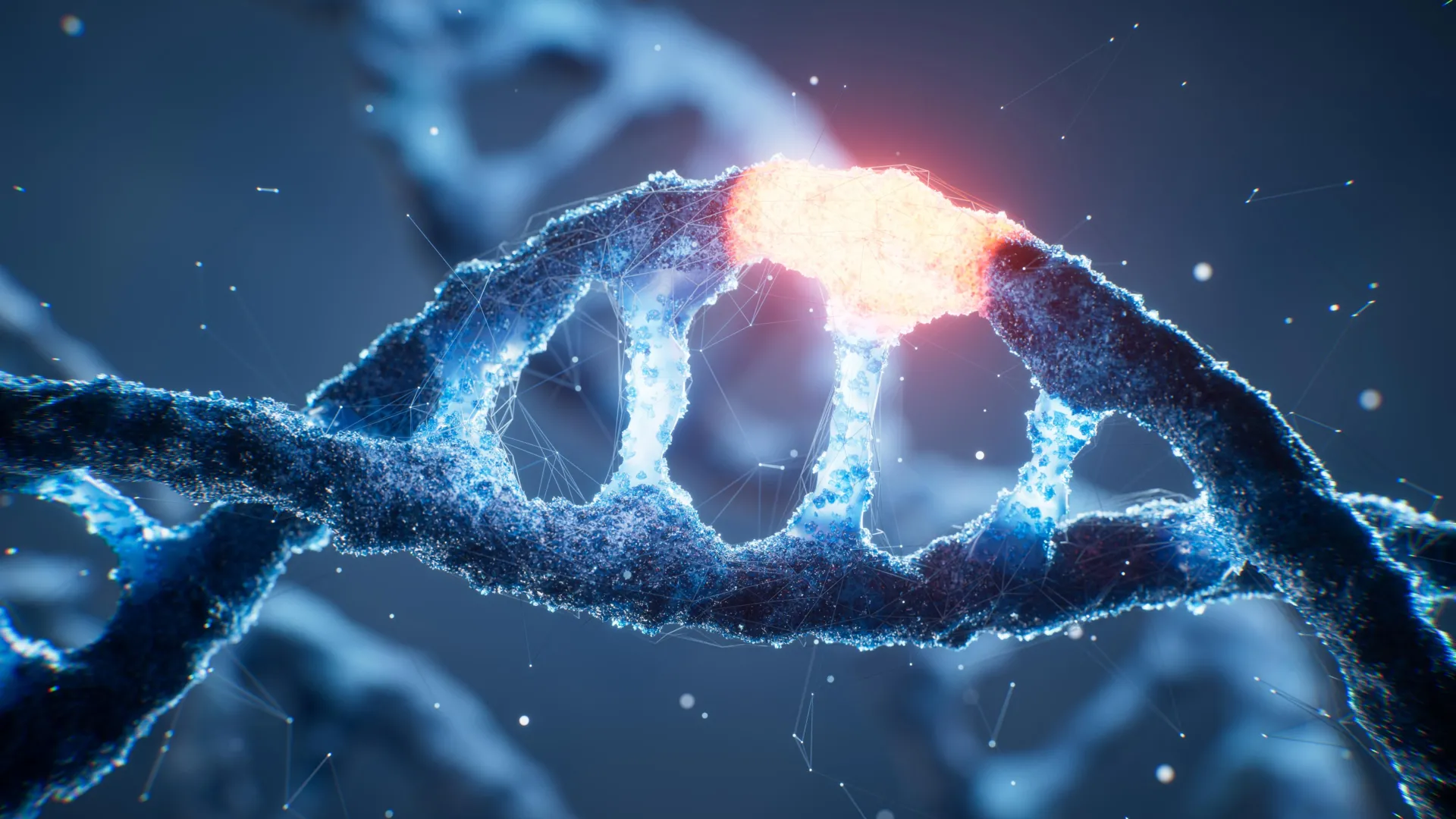
To unlock the secrets of these crucial DNA sequences that govern gene expression, researchers in the esteemed laboratory of University of California San Diego Professor James T. Kadonaga embarked on a focused investigation into a pivotal DNA element known as the "initiator." In the intricate architecture of a gene, the initiator serves as a fundamental landmark, precisely marking the location where the information encoded within a gene begins its transformation into a functional product. This initial step, known as transcription, is the first stage in the central dogma of molecular biology, where the genetic blueprint stored in DNA is copied into messenger RNA (mRNA), which then guides the synthesis of proteins. The initiator’s precise role in recruiting the cellular machinery responsible for transcription initiation makes it an indispensable component of gene regulation, acting as a critical starting pistol for the complex process of converting genetic code into biological function.
AI Decodes the Initiator Sequence with Unprecedented Precision
The path to deciphering the initiator’s enigmatic code was paved by a groundbreaking study, meticulously led by graduate student researcher Torrey Rhyne-Carrigg. The team leveraged the immense power of high-throughput DNA sequencing, a revolutionary technology often referred to as Next-Generation Sequencing (NGS), which allows for the rapid and simultaneous analysis of millions of DNA fragments. This enabled them to systematically measure gene expression activity across an astonishing approximately 500,000 different versions of the initiator sequence. This massive dataset was critical, as it captured the vast natural variability of initiator sequences, providing the comprehensive empirical evidence needed to understand how subtle changes in DNA sequence translate into differences in gene activity. By creating synthetic DNA constructs containing these diverse initiator variants and then introducing them into living cells, the researchers could precisely quantify how effectively each version initiated gene transcription, generating a robust map of sequence-function relationships.
The true innovation, however, lay in how this vast experimental data was subsequently processed. The researchers harnessed the capabilities of machine learning, a sophisticated form of artificial intelligence, to interpret the complex patterns hidden within their experimental results. They "trained" a machine learning system by feeding it the half-million initiator sequences along with their corresponding gene expression activity levels. Through this supervised learning process, the AI model was able to discern the characteristic DNA sequence patterns, or "signatures," that are inherently associated with functional initiators. This process is akin to teaching a computer to recognize a specific face by showing it thousands of different examples. Once the AI model had effectively "decoded" this signature, becoming adept at recognizing the functional initiator pattern, the team applied this newly acquired intelligence to scan the entire human genome. Their search yielded a remarkable discovery: roughly 60% of all human genes contain this newly characterized initiator sequence. This finding immediately highlights the widespread importance of this element in human gene regulation, while also posing intriguing questions about the alternative initiation mechanisms employed by the remaining 40% of genes, which may rely on other promoter elements like the TATA box or CpG islands.
Professor Kadonaga, a distinguished figure in the UC San Diego Department of Molecular Biology within the School of Biological Sciences, underscored the profound impact of this achievement. "These AI models were found to provide, for the first time, strong predictions of the presence or absence of the initiator in human genes, and were thus able to decode the DNA base sequence pattern of the initiator," he stated. This statement marks a significant milestone, as previous methods for identifying and characterizing such elusive regulatory elements were often laborious, less precise, and could not achieve the comprehensive scale or predictive power now offered by this AI-driven approach. The ability to accurately predict the presence of an initiator based solely on its DNA sequence represents a leap forward in understanding the fundamental grammar of the human genome.
Predicting the Effects of DNA Mutations and Engineering Biology
The implications of these findings extend far beyond fundamental discovery, promising tangible advancements in both disease understanding and therapeutic design. The ability to precisely identify and characterize initiator sequences means that researchers can now anticipate with unprecedented accuracy how specific mutations affecting these regions may alter gene activity. Such alterations could either upregulate or downregulate gene expression, leading to cellular dysfunction that contributes to a wide range of human disorders. For instance, a mutation in an initiator could reduce the production of a vital enzyme, leading to a metabolic disorder, or conversely, drive the overexpression of a growth-promoting protein, contributing to cancer development. This predictive capability opens new avenues for diagnosing genetic predispositions, understanding disease pathogenesis, and identifying potential therapeutic targets. In conditions like beta-thalassemia, a blood disorder caused by reduced or absent production of hemoglobin beta chains, mutations in promoter regions are well-known culprits. This new understanding of initiators could refine our ability to pinpoint and understand such causative genetic variations.
Beyond predicting natural variations, the study’s rich dataset and robust AI models also pave the way for a burgeoning field: the rational design of synthetic promoters. These are custom-engineered DNA sequences capable of switching genes on or off with finely tuned functions tailored for specific purposes. In the realm of gene therapy, synthetic promoters could be designed to ensure that therapeutic genes are expressed only in specific cell types or tissues, at precise levels, and for controlled durations, thereby enhancing efficacy and minimizing off-target effects. For example, a synthetic promoter could be engineered to activate a cancer-fighting gene exclusively in tumor cells, leaving healthy cells untouched. In biotechnology, these engineered elements could optimize the production of valuable proteins, such as insulin or antibodies, in cell cultures, making biopharmaceutical manufacturing more efficient. Furthermore, in synthetic biology, the ability to create bespoke gene switches is crucial for building complex biological circuits and developing novel cellular functions, pushing the boundaries of what living systems can achieve.
The Dawn of a New Era: AI and Experimental Biology Converge
More broadly, this research exemplifies a powerful paradigm shift underway in modern biological discovery: the synergistic integration of sophisticated laboratory experiments with cutting-edge artificial intelligence. For decades, biological research has been characterized by meticulous "wet-lab" experiments, generating vast amounts of data. However, the sheer complexity and scale of genomic information often overwhelm traditional analytical methods. AI, particularly machine learning, provides the computational muscle needed to identify subtle yet significant patterns within these enormous datasets, patterns that would be invisible to the human eye or conventional statistical approaches. This convergence is accelerating the pace of discovery across numerous biological domains. From predicting protein structures with unprecedented accuracy (as seen with AlphaFold) to identifying novel drug candidates, interpreting complex genetic variants associated with disease, and even designing new enzymes, AI is rapidly becoming an indispensable tool in the biologist’s arsenal. This study from UC San Diego stands as a testament to this transformative collaboration, demonstrating how hypothesis-driven experimental design, coupled with powerful computational analysis, can unravel deep-seated biological mysteries.
Professor Kadonaga articulated a grand vision for this integrated approach. "More globally, this work is a step forward in the combined use of laboratory experiments and AI to decipher the information that is embedded in the sequence of the DNA bases in humans," he elaborated. He painted a compelling picture of the ultimate goal: "Ultimately, within the six billion bases of DNA in each of our cells, there is a gene expression code that specifies when, where and to what extent each of our genes should be turned on or off." This "gene expression code" is far more complex than a simple sequence of letters; it’s a multi-layered regulatory language that determines the precise spatio-temporal dynamics of every gene. Deciphering this entire code represents one of the most significant challenges and opportunities in post-genomic biology.
Kadonaga’s optimism is rooted in the tangible progress made: "If we had an AI model for the entire gene expression code, we would be able to predict the activity of each of the different variants of genes in different people." Such a comprehensive model would revolutionize personalized medicine, allowing clinicians to predict an individual’s susceptibility to diseases, their unique response to medications (pharmacogenomics), and even their risk of adverse drug reactions, all based on their unique genetic blueprint. This would move healthcare from a "one-size-fits-all" approach to highly individualized, predictive, and preventive strategies. He acknowledged the scale of the task, recognizing that "The new AI model for the initiator is a small but important part of this gene expression code," but his outlook remains resolutely forward-looking: "and I am optimistic that we will expand our AI models of the human gene expression code in the not-too-distant future." This vision underscores a commitment to iterative discovery, where each piece of the gene expression code, no matter how small, contributes to the larger mosaic of understanding, paving the way for a future where the secrets held within our six billion base pairs are fully revealed, transforming human health and our understanding of life itself.
