
 By admin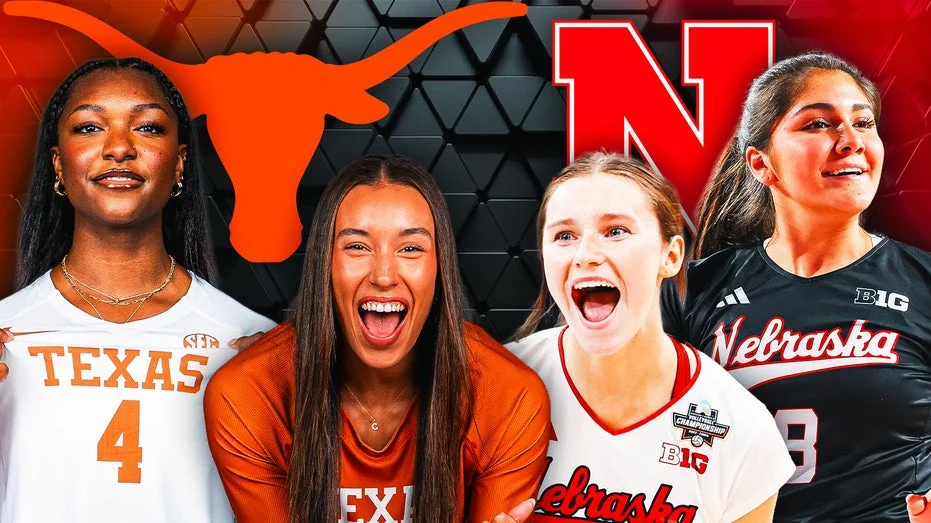
On Sunday afternoon, the titans of collegiate women’s volleyball, the Texas Longhorns and the Nebraska Cornhuskers, are poised to clash in a regular-season showdown for the first time in a decade, a significant hiatus in a rivalry that has been simmering for generations. This highly anticipated reunion at the Players Era Volleyball Showcase in Las Vegas on August 30th promises to be an explosive start to the new season, immediately thrusting these two storied programs back into a familiar, fierce competition. The gap in their direct encounters, while substantial, belies the deep historical roots and intense animosity that have long defined their matchups, a narrative inextricably linked to the very formation of the Big 12 Conference.
The genesis of this epic rivalry can be traced back to October 17, 1981. In a poignant echo of their upcoming meeting, their inaugural contest took place on neutral territory at the Oral Roberts Invitational. The Texas Longhorns emerged victorious in both encounters, a triumph that foreshadowed their ascendance to the 1981 AIAW (Association for Intercollegiate Athletics for Women) championship. This was a pivotal moment, marking the final season under the AIAW banner before the landscape of collegiate athletics shifted. Meanwhile, the Nebraska Cornhuskers were already firmly entrenched within the NCAA framework. Remarkably, 1981 would stand as the sole year in the Huskers’ illustrious history where they were not invited to the 20-team NCAA Division I tournament, an anomaly that persisted despite their fourth consecutive undefeated season in Big 8 conference play. This early period, characterized by divergent governing bodies and the nascent stages of program development, laid the groundwork for future battles and the eventual convergence of their destinies.
The pendulum of victory began to swing in Nebraska’s favor on the neutral court of the 1982 Oklahoma Invitational, where the Cornhuskers secured their first-ever win against the Longhorns, a decisive 3-1 victory. However, this hard-fought triumph proved to be an isolated success for Nebraska against Texas for an extended period, as the Longhorns would not taste defeat at the hands of the Huskers again until November 5, 1988. By this juncture, both programs had solidified their positions as national powerhouses. Nebraska had experienced the sting of a national championship loss in 1986, falling to Pacific, while Texas was basking in the glory of its second national title later that same year, in 1988. The narrative of near misses and championship aspirations continued for Nebraska, as they once again found themselves in the national championship game in 1989, only to be defeated by Long Beach State. This cycle of championship contention, punctuated by heartbreaking losses, would continue until 1995, a year that would forever etch itself into the annals of this rivalry, as it was then that Nebraska finally broke through, and crucially, it was against Texas.
The 1995 national championship game was more than just a battle for collegiate supremacy; it was a prelude to a new era of conference alignment. The Nebraska squad, spearheaded by the exceptional talents of First-Team All-American and AVCA (American Volleyball Coaches Association) Co-Player of the Year, Allison Weston, was not only playing for a trophy but also for conference bragging rights. At that moment, Nebraska represented the Big 8, while Texas competed in the Southwest Conference. However, this was a temporary arrangement, a swan song for two established conferences. In February 1994, Texas, along with three other institutions, had committed to joining the Big 8, a move that would transform it into the formidable Big 12 Conference in 1996. This impending realignment meant that Nebraska and Texas, two pillars of women’s volleyball in the Midwest and exemplars of the sport’s burgeoning popularity beyond the West Coast, would now be direct rivals within the same league, vying for dominance.
The 1995 season culminated in a remarkable 31-match winning streak for Nebraska. After an initial loss to Stanford in the second match of the season, the Cornhuskers embarked on an unbroken string of victories. This dominant run set the stage for a championship showdown against the then-No. 2 ranked Texas Longhorns, a team that had already secured two previous national titles. For Nebraska, the narrative was one of persistence and the hope that "the third time would be the charm." Their victory in the 1995 championship game not only secured their own title but also signaled their ascendancy as conference rivals with Texas. This pivotal win not only marked a significant achievement for Nebraska but also irrevocably altered the competitive landscape, setting the stage for a decade of intense Big 12 battles.
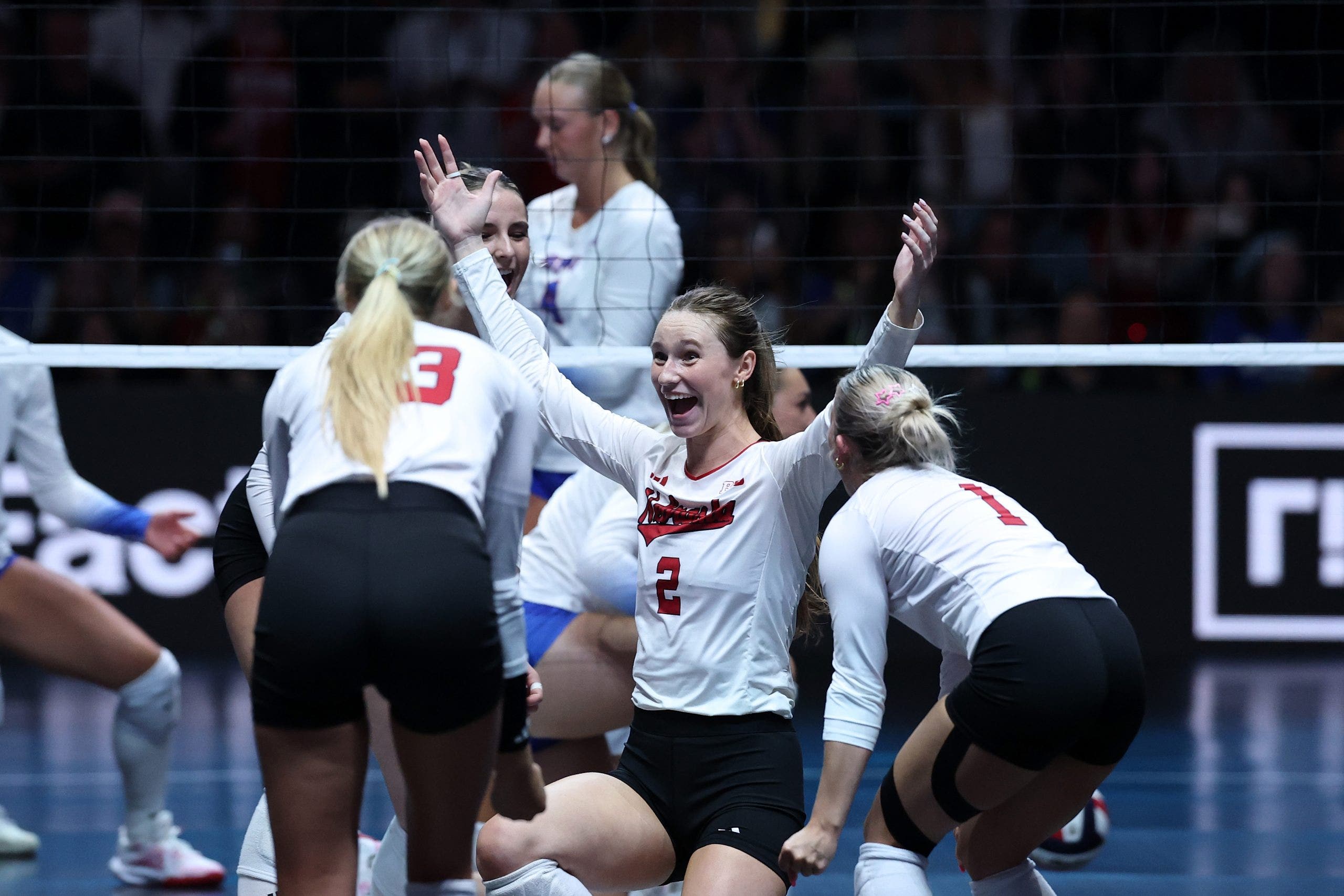
The Big 12 era became synonymous with the Nebraska-Texas rivalry. The conference crown changed hands frequently in the initial years, with Nebraska claiming the title in 1996 and Texas responding in kind in 1997. However, the Cornhuskers then established a formidable dynasty, securing consecutive Big 12 championships from 1998 through 2002. This era of dominance was briefly interrupted by a single conference regular-season title claimed by Kansas State. Nevertheless, this interruption was bookended by two more national championships for Nebraska in 2000 and 2006, underscoring their unparalleled success during this period. The rivalry intensified further in 2007 and 2008, with both Texas and Nebraska sharing the conference championship title. The Longhorns then seized outright control in 2009, only for the Huskers to reclaim their supremacy in 2010, marking their final year in the Big 12 before embarking on a new chapter. Nebraska’s departure to the Big Ten Conference in 2011 signaled a significant shift in the conference power dynamics.
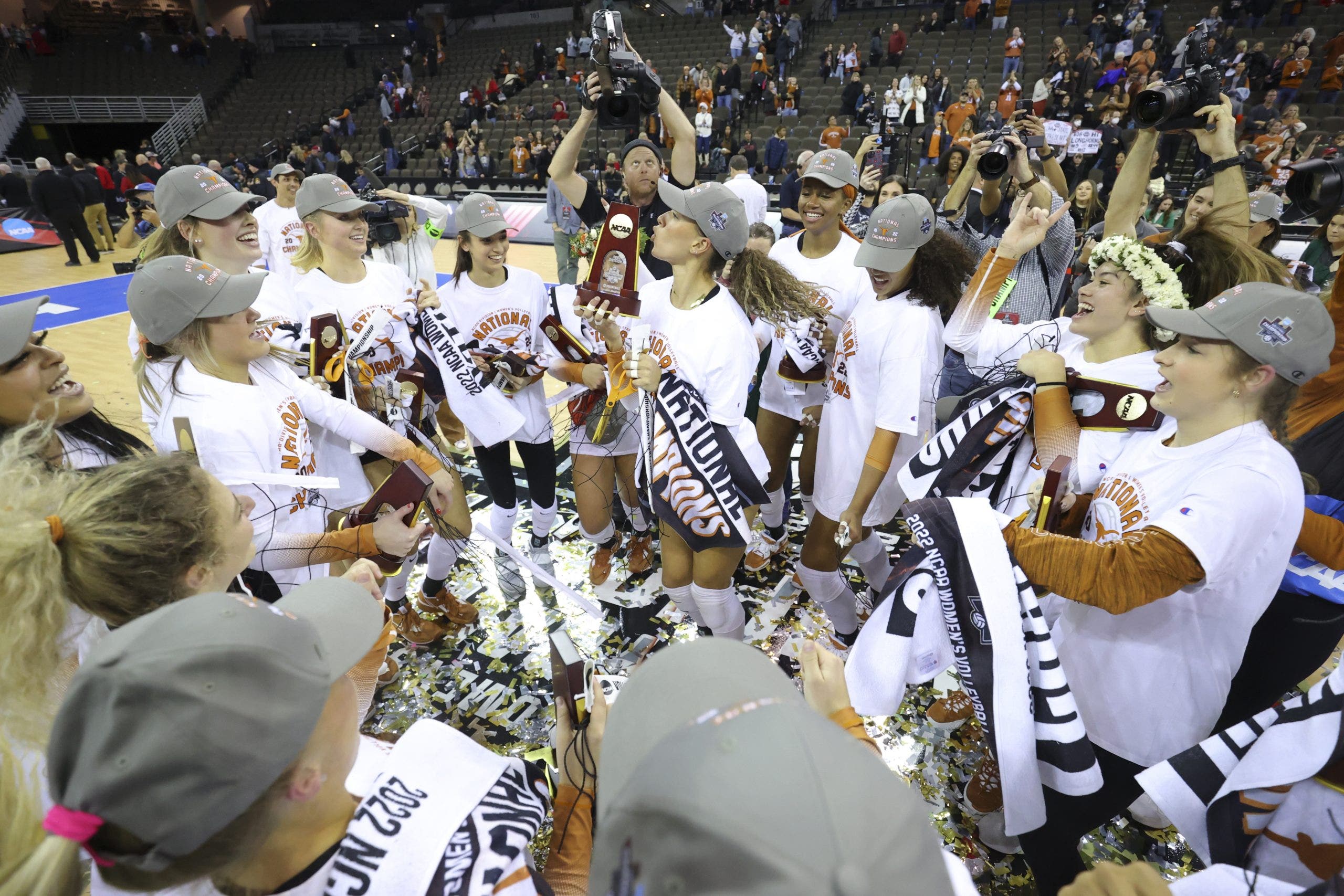
In Nebraska’s absence, Texas, as anticipated, asserted its dominance over the Big 12. The Longhorns captured an astounding 12 out of 13 regular-season conference titles before their own departure to the SEC in 2024. During this period of Big 12 supremacy, Texas also secured three national championships in 2012, 2022, and 2023, while also experiencing the disappointment of three national title losses. The 2023 championship, in particular, came at the expense of their long-standing rivals, Nebraska. This wasn’t the first time in recent memory that the two titans had met on the sport’s grandest stage. Texas had also defeated Nebraska in the regional final of the delayed 2020 season and again in 2021. While no longer bound by conference schedules, their paths continued to cross in crucial non-conference matchups and, most significantly, in the NCAA Tournament, where the stakes were always at their highest.
Historically, the series between Nebraska and Texas has been remarkably balanced, with Nebraska holding a narrow edge in the all-time record, leading 25-23. This close tally is largely attributed to Nebraska’s dominance within the Big 12 conference play, where they held a 12-2 advantage, effectively compensating for the initial losing streaks they experienced against the Longhorns in the 1980s. However, in recent years, the pendulum has swung back in favor of Texas, with the Longhorns winning seven of the last ten matchups between the two programs. This recent trend adds another layer of intrigue to their upcoming encounter, as it pits a historically dominant force against a currently ascendant one.
Despite Nebraska’s recent struggles against Texas in their non-conference meetings, the Cornhuskers have continued to achieve significant success post-Big 12. They secured national championships in 2015 and 2017, though they also experienced runner-up finishes in the championship matches of 2018, 2021, and 2023. Entering the 2025 season, Nebraska was widely considered the favorite to contend for the national title. Their quest for an undefeated championship season, a feat only previously accomplished by the 2000 Huskers, was tragically cut short in the regional final by Texas A&M, a significant upset that ended their season and dashed their championship aspirations. Coincidentally, the last two undefeated teams standing in Division I volleyball during the previous season were Texas and Nebraska. The Longhorns’ perfect run was also halted on Halloween, fittingly, by none other than Texas A&M.
The 2023 national championship victory for Texas over Nebraska stands as the most recent chapter in their storied rivalry. Now, as they prepare to face each other again this weekend, the stakes are elevated beyond mere historical precedent. The No. 2 ranked Longhorns and the No. 1 ranked Huskers are not only reigniting a decades-old rivalry but are also seeking to rebound from the bitter taste of their respective, and shocking, 2025 NCAA Tournament exits. Both teams, as top seeds in their regional finals, fell to lower-seeded opponents – the No. 1 seed Nebraska succumbing to the No. 6 seed Texas A&M, and the No. 1 seed Texas losing to the No. 10 seed Wisconsin. A victory against a long-time rival, a team they haven’t faced in a few years, offers a powerful balm for such significant defeats and a chance to wash away the sting of unexpected postseason disappointment. However, as has been the recurring theme throughout their intertwined history, in a clash between the Longhorns and the Huskers, only one team can ultimately emerge victorious. The anticipation is palpable, as the stage is set for another unforgettable installment of one of college volleyball’s greatest rivalries.
