
 By admin
The visual centerpiece of this evolution is the recently completed Concourse C expansion, a four-story marvel that has fundamentally altered the airport’s skyline and interior flow. Standing at the junction of Concourses C and D, the new structure features a dramatic "Grand Stairs" seating area, modeled after the public steps of iconic European plazas. This space serves not just as a transition point, but as a destination in itself, offering panoramic views of the airfield and the Olympic Mountains. By late 2026, the expansion has added tens of thousands of square feet dedicated to passenger amenities, including a performance stage for local musicians, reflecting Seattle’s rich cultural heritage. This "City Within an Airport" concept has become the gold standard for passenger experience, moving away from the sterile, utilitarian corridors of the past.
The completion of the Concourse C expansion is only one piece of the $4.5 billion capital improvement program that has reached its zenith this year. The International Arrivals Facility (IAF), which debuted several years ago, has now been fully integrated with the airport’s biometric "Touchless Journey" systems. In November 2026, an international traveler arriving from Tokyo or London can move from the aircraft through the 450-foot-long aerial walkway—the longest of its kind in the world over an active taxiway—and through customs in less than 20 minutes, thanks to the widespread adoption of facial recognition technology and the Global Entry "E-Gates." This efficiency is a far cry from the bottlenecks that once plagued the old South Satellite, where passengers frequently waited hours to clear federal inspections.
Underpinning these physical changes is a sophisticated digital infrastructure that has redefined how passengers interact with the airport. The "SEA Spot Saver" program, which began as a pilot for virtual security queuing, has evolved into a comprehensive digital concierge service. In 2026, passengers can reserve not only their time at the TSA checkpoint but also their parking spot, lounge entry, and even pre-order meals that are delivered to their gate via autonomous robotic carts. This integration of AI-driven logistics has significantly reduced terminal congestion, as travelers no longer feel the need to hover near their gates or wait in long lines for coffee. Data from the Port of Seattle indicates that these digital enhancements have increased "passenger dwell satisfaction" scores by 40% since 2022, proving that technology is the most effective tool for managing capacity in a land-locked airport.
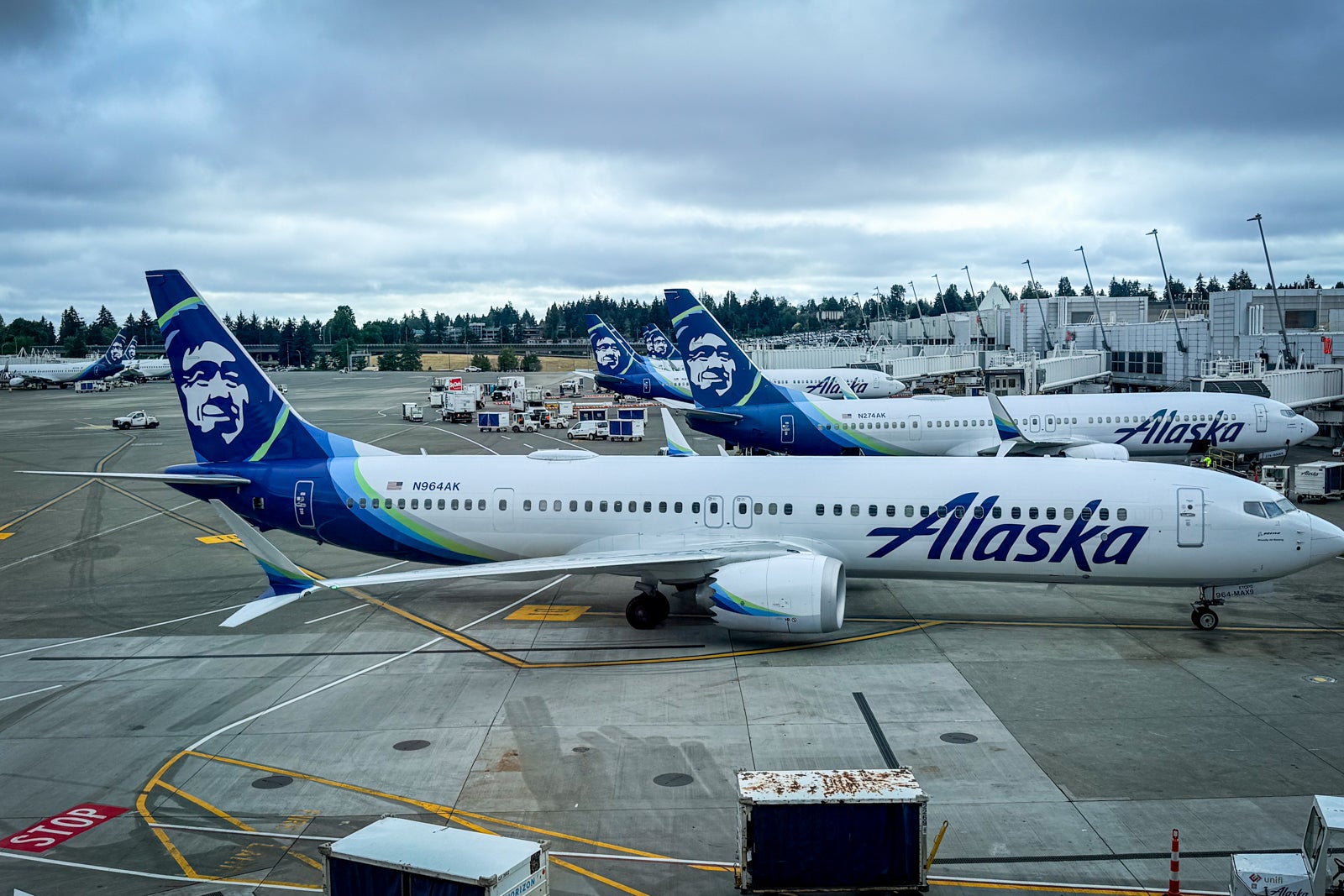
The competitive landscape between the airport’s two major tenants, Alaska Airlines and Delta Air Lines, has also reached a new level of sophistication. As a primary hub for Alaska Airlines and a critical trans-Pacific gateway for Delta, SEA has become a battleground for loyalty. Alaska Airlines has fully moved into its renovated "Hub of the Future" in the North Satellite, featuring an expanded lounge that offers locally sourced sourdough and craft beers, reinforcing its "West Coast Way" branding. Meanwhile, Delta has leveraged its partnership with the Port of Seattle to enhance its presence in Concourse A, debuting its ultra-exclusive Delta One Lounge in early 2026 to compete with the American Express Centurion Lounge located nearby.
Speaking of lounges, the landscape for premium travelers at SEA has never been more competitive. The American Express Centurion Lounge, which moved to its massive 14,000-square-foot location overlooking the tarmac, remains a crown jewel for cardholders. However, the rise of "bespoke" travel experiences has led to the opening of the Chase Sapphire Lounge by The Club and a revamped Capital One Landing, ensuring that regardless of which premium credit card is in a traveler’s wallet, there is a high-end sanctuary available. These spaces have evolved beyond mere buffet lines; they now feature wellness suites, soundproof workstations, and curated art galleries showcasing Indigenous artists from the Salish Sea region.
From an operational standpoint, the year 2026 marks a significant milestone in SEA’s journey toward carbon neutrality. The airport has successfully implemented a permanent Sustainable Aviation Fuel (SAF) blending facility, allowing airlines to refuel with bio-based fuels directly through the airport’s hydrant system. Furthermore, nearly 90% of the airport’s ground support equipment—from baggage tractors to pushback tugs—is now electric. The "Green Gateway" initiative, a partnership between the Port of Seattle and local utility providers, has turned the airport into a leader in environmental stewardship. The new Concourse C expansion itself is a LEED Silver-certified structure, utilizing solar panels and advanced rainwater harvesting systems to reduce its environmental footprint.
However, the growth of SEA has not been without its challenges. As passenger numbers approach 55 million annually in 2026, the pressure on the surrounding communities of SeaTac, Burien, and Des Moines has intensified. The Port of Seattle has had to balance the economic benefits of being a top-tier global hub with the environmental and noise concerns of its neighbors. This has led to the "Stewardship and Community" fund, which by 2026 has invested over $100 million into noise insulation for local homes and schools, as well as green space preservation. Analysts suggest that the success of SEA is inextricably linked to its social license to operate, making these community investments as critical as the runways themselves.
The logistics of getting to and from the airport have also seen a revolution. The Sound Transit Link Light Rail expansion has reached more corners of the Puget Sound region by late 2026, making the train the preferred method of arrival for nearly 30% of the airport’s workforce and a growing percentage of travelers. The redesign of the airport’s arrivals and departures drives has mitigated the infamous traffic jams of the early 2020s, utilizing a "smart curb" system that uses real-time sensors to direct rideshare vehicles and private cars to open slots, reducing idling time and emissions.
Looking ahead, the narrative of Seattle-Tacoma International Airport is one of resilience and foresight. While many other major US hubs are just beginning their modernization journeys, SEA has already navigated the most difficult phases of its transformation. The focus has shifted from mere survival—handling the post-pandemic travel surge—to mastery of the traveler journey. Expert perspectives from aviation consultants suggest that SEA’s focus on "human-centric design" is what sets it apart. Instead of just building larger boxes to hold more people, the Port of Seattle has built spaces that reduce stress, celebrate local culture, and utilize technology to give time back to the traveler.
As we look at the data for the final quarter of 2026, the airport’s economic impact on the region is staggering. It supports over 150,000 jobs and contributes billions to the local economy. But beyond the numbers, it is the feeling of the airport that has changed. The "Sea-Tac" of old, characterized by low ceilings and confusing layouts, is a memory. In its place is a light-filled, technologically advanced, and environmentally conscious facility that truly reflects the spirit of the Pacific Northwest. For the business traveler heading to a meeting in downtown Seattle or the family embarking on a dream vacation to Maui, the airport is no longer a hurdle to be cleared, but a seamless, integrated part of the journey. The 2026 reality of Seattle-Tacoma International Airport is a clear signal to the rest of the aviation world: the future of flight isn’t just about faster planes, but about smarter, more compassionate airports.
