
 By admin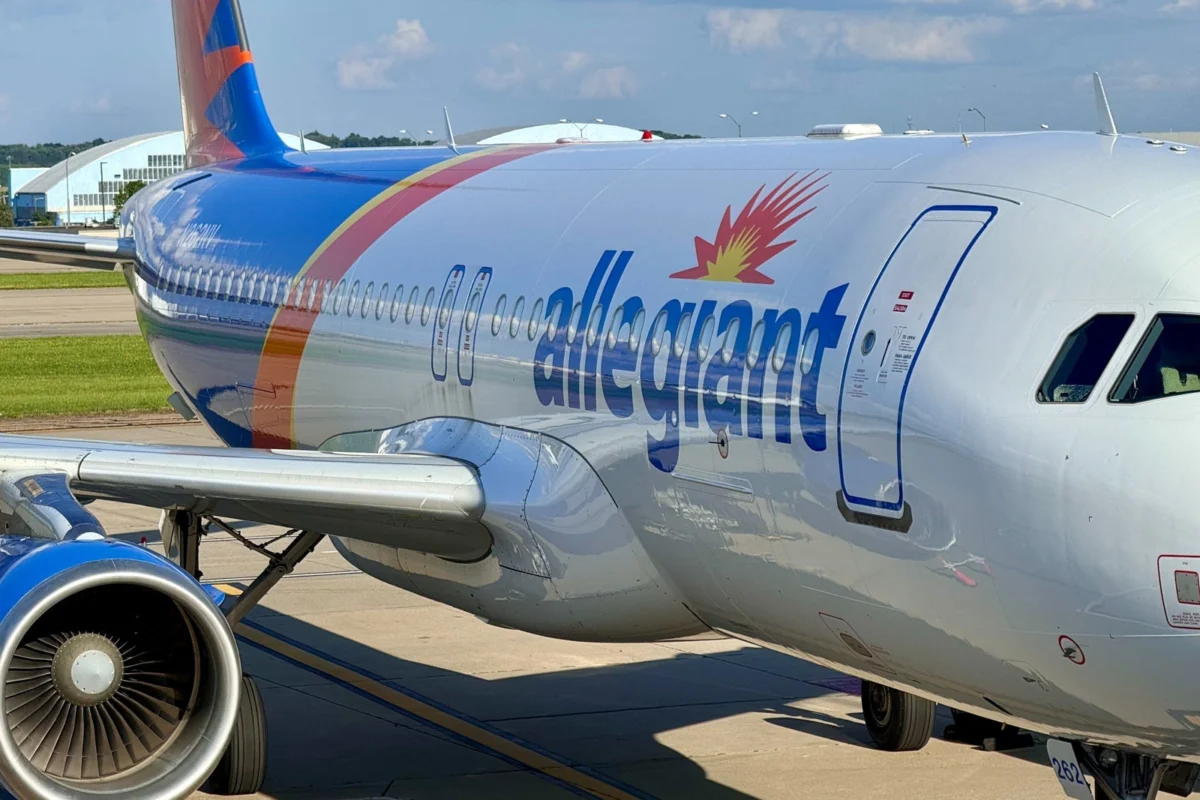
The airline recently began notifying customers via email that the first flights featuring this new premium cabin are officially open for booking, with the inaugural departures scheduled for March 2027. While that date may seem distant, the long lead time is inextricably linked to the airline’s complex fleet modernization program and the ongoing delivery schedules of its newest aircraft. The introduction of Allegiant First is not just a change in upholstery; it is a fundamental reimagining of how a budget airline can capture higher-yield customers without abandoning its core mission of providing affordable point-to-point service to underserved regional markets.
The Allegiant First Experience: What Passengers Can Expect
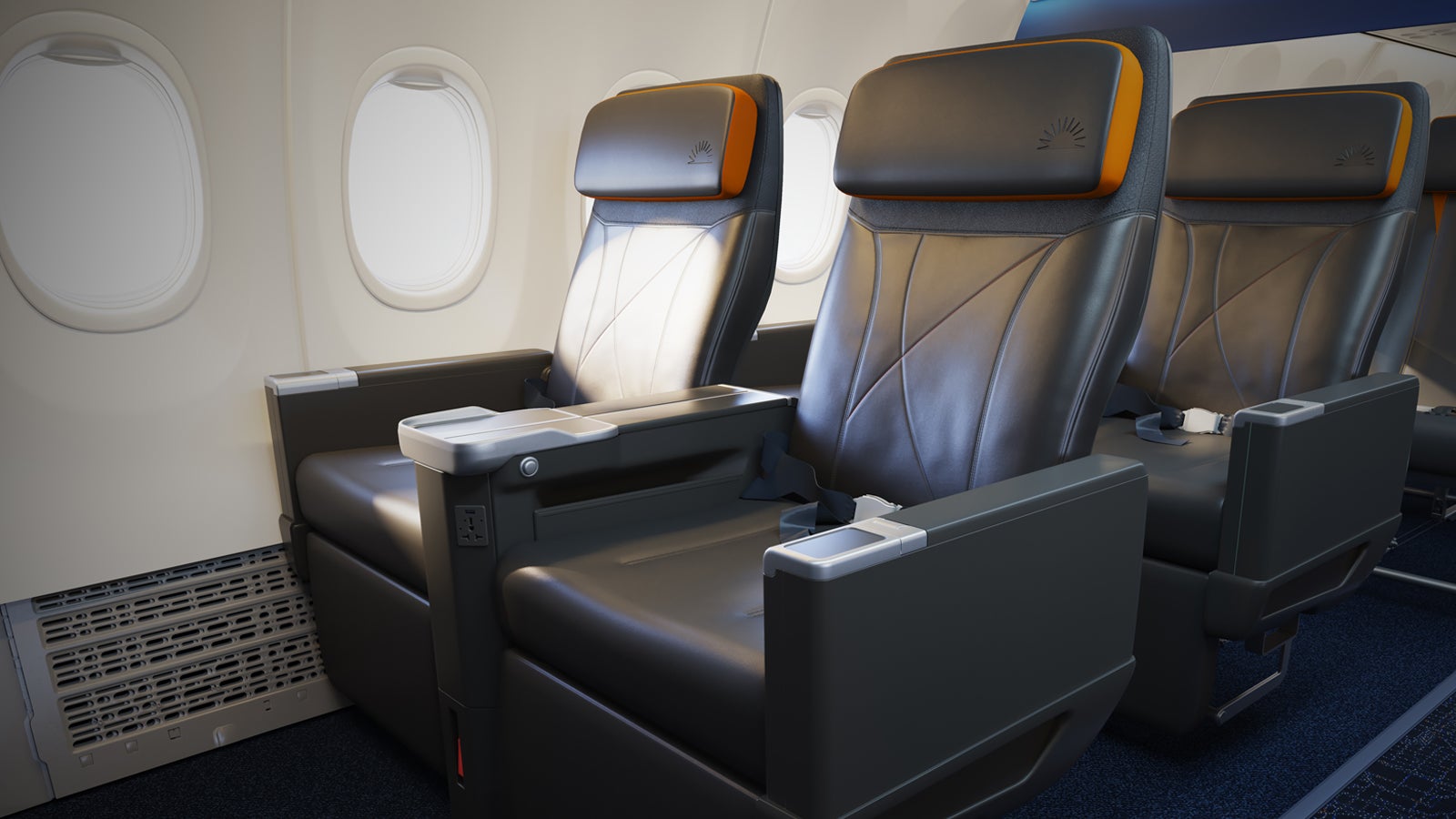
The hardware for Allegiant First will consist of premium recliner seats, a significant upgrade from the airline’s standard "slimline" seats that do not recline. While specific pitch and width measurements have not been exhaustively detailed in every marketing material, the seats are expected to mirror the domestic first-class product found on legacy carriers like Delta or United, or the "Big Front Seat" offered by Spirit Airlines. However, unlike Spirit’s model, which often sells the seat as a standalone upgrade, Allegiant is positioning its first-class product as a comprehensive bundle.
An Allegiant First ticket is designed to remove the friction points typically associated with budget travel. Beyond the physical comfort of a wider seat with more legroom, the fare includes a full-sized carry-on bag and a checked bag—amenities that usually command significant fees in the Allegiant ecosystem. Furthermore, the ticket offers a level of flexibility rarely seen at the budget level: Allegiant First fares are fully refundable and exempt from change fees. This appeals to a different demographic—perhaps older travelers or small business owners—who value peace of mind and comfort over the absolute lowest possible price point.
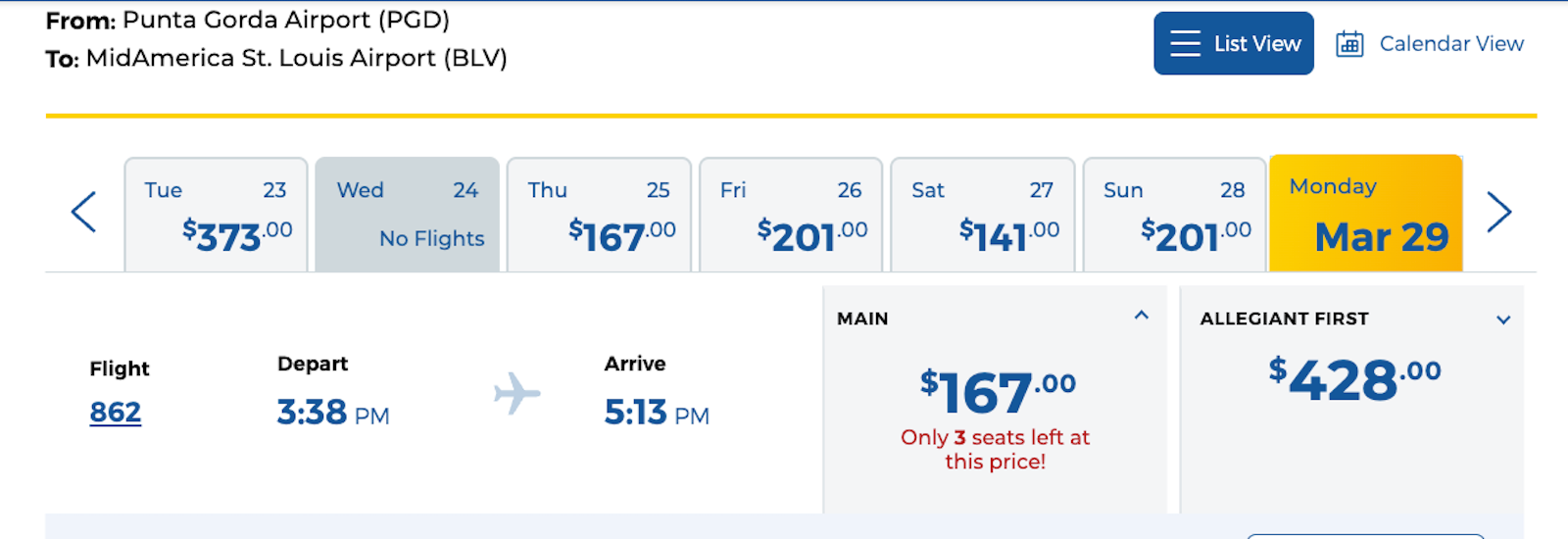
Initial pricing data suggests a significant premium for these perks. For a flight scheduled in March 2027 between Punta Gorda Airport (PGD) in Florida and MidAmerica St. Louis Airport (BLV) in Mascoutah, Illinois, the base economy fare was observed at $167. The Allegiant First seat for the same leg was priced at $428. This 2.5x multiplier indicates that Allegiant is confident there is a segment of its loyal customer base willing to pay a premium for a "legacy-lite" experience on routes where legacy carriers don’t even fly.
The Scavenger Hunt: Where to Find the New Seats
In the immediate future, finding an Allegiant First seat will require some digital detective work. The airline is rolling out the product with surgical precision, focusing initially on its stronghold in Southwest Florida. Punta Gorda (PGD) serves as the primary gateway for this rollout. This is a strategic choice; PGD is one of Allegiant’s most successful bases and serves as a major hub for Midwesterners fleeing the winter cold.
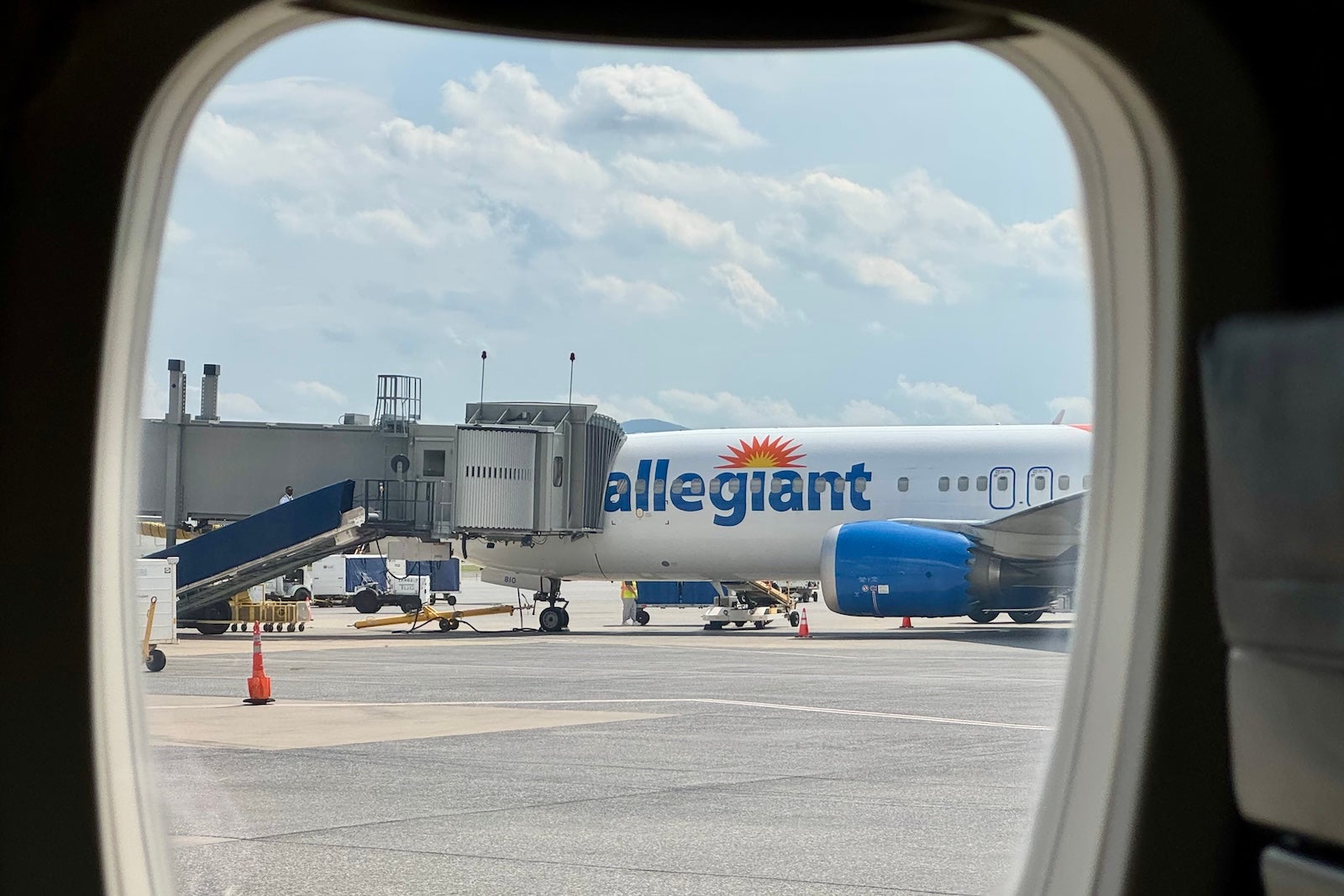
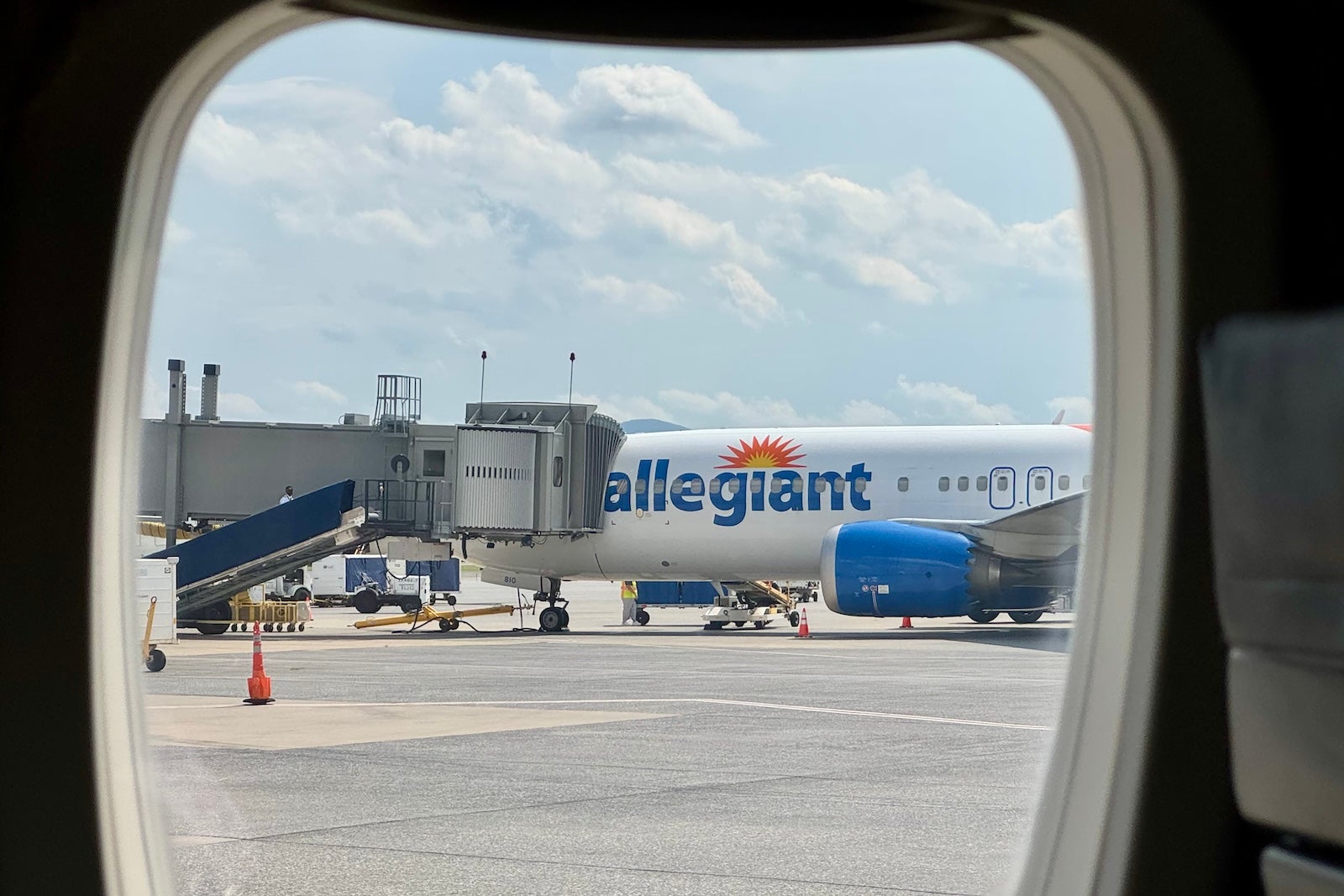
The limited availability is due to the specific aircraft required to house the new cabin. Allegiant First will be exclusive to the airline’s incoming fleet of Boeing 737 MAX aircraft. Currently, Allegiant operates an all-Airbus fleet consisting of A319s and A320s. The transition back to Boeing—a manufacturer Allegiant moved away from years ago after retiring its aging MD-80s—is a cornerstone of its growth strategy. However, only a fraction of the fleet will be configured with the premium cabin. Allegiant officials have indicated that they expect roughly 23 aircraft to be outfitted with Allegiant First seats. Given that Allegiant’s total fleet size is projected to hover around 195 aircraft following its recent integration of Sun Country Airlines’ operational logic, the premium product will be available on only about 12% of its total flights.
This means that for the foreseeable future, Allegiant will operate a "split fleet." Travelers flying on the older Airbus jets will continue to experience the traditional all-economy layout, while those on the new Boeing 737 MAX 8-200s (specifically the high-capacity variants configured for Allegiant) will have the option to upgrade.
Strategic Context: Why the Budget Model is Evolving
The introduction of Allegiant First does not happen in a vacuum. It is part of a seismic shift in the United States aviation industry. For years, the line between "Legacy Carriers" (Delta, American, United) and "Low-Cost Carriers" (Spirit, Frontier, Allegiant) was crystal clear. One offered service and perks for a high price; the other offered a seat and nothing else for a low price.
However, the post-pandemic travel landscape has blurred these lines. Premium leisure travel has exploded. Passengers who used to save every penny for a vacation are now showing a willingness to "treat themselves" to more space and better service. Meanwhile, the ultra-low-cost model has faced headwinds from rising labor costs and airport fees, making it harder to survive on $29 base fares alone.
We have seen this trend across the board. Spirit Airlines recently introduced "Go Big" and "Go Comfy" packages, which include their Big Front Seat and blocked middle seats. Frontier Airlines launched "UpFront Plus," a premium eco-style product with extra legroom in the first two rows. Even Southwest Airlines, the long-time holdout of open seating, recently announced it would move to assigned seating and introduce premium "extra legroom" sections. Allegiant’s move into first class is perhaps the most aggressive version of this trend, as it moves beyond just "extra legroom" into a distinct, branded cabin class.
The Punta Gorda Connection and Sunseeker Resort
Allegiant’s decision to center the rollout in Punta Gorda is also tied to its massive vertical integration project: the Sunseeker Resort Charlotte Harbor. Unlike other airlines that simply transport people to a destination, Allegiant has invested hundreds of millions of dollars into becoming the destination itself. By owning the hotel and the airline, Allegiant can control the entire vacation experience.
Offering a first-class seat on flights to Punta Gorda allows Allegiant to market a "seamless luxury" package to its resort guests. A traveler from a small city in the Midwest can now book an Allegiant First seat, fly directly into PGD, and take a short shuttle to a high-end resort. This ecosystem allows Allegiant to capture a larger share of the traveler’s total vacation spend, from the moment they leave their driveway to the moment they check out of their hotel.
Challenges and Operational Hurdles
Despite the excitement, the road to March 2027 is fraught with challenges. The primary obstacle is Boeing itself. The aerospace giant has been plagued by production delays and regulatory scrutiny regarding the 737 MAX line. Allegiant has already seen its delivery schedule pushed back multiple times, which explains why the airline is selling seats for a date nearly three years into the future. There is a non-zero risk that further delays could force Allegiant to swap aircraft on these routes, potentially leading to "downgrade" situations where a passenger pays for first class but ends up on an all-economy Airbus jet due to a mechanical issue or delivery delay.
Additionally, managing a two-tier service model creates operational complexity. Allegiant’s success has historically been built on simplicity—one aircraft type (eventually), one cabin class, and one way of doing things. Introducing a premium product requires new training for flight attendants, different catering considerations (even if only for snacks and drinks), and a more complex booking engine.
The Verdict: A New Era for Allegiant
Allegiant Air is no longer just the "cheap flight to Vegas or Florida" airline. With Allegiant First, it is signaling that it wants to grow with its customers. As the "Gen X" and "Baby Boomer" travelers who have flown Allegiant for years reach retirement age, they often find themselves with more disposable income and a greater physical need for comfort. Allegiant is betting that these loyalists would rather pay $400 for a direct first-class flight from their local regional airport than drive two hours to a major hub to fly a legacy carrier.
As the industry watches this experiment, the success of Allegiant First will likely be measured by more than just ticket sales. It will be measured by how well it integrates with the airline’s ancillary revenue goals and whether it can maintain the operational efficiency that has made Allegiant one of the most consistently profitable airlines in the world. For now, travelers can head to the Allegiant website to see if their favorite route is among the lucky few to receive the MAX upgrade, ushering in a new chapter of "budget luxury" in the American skies.
