
 By Titik Puspa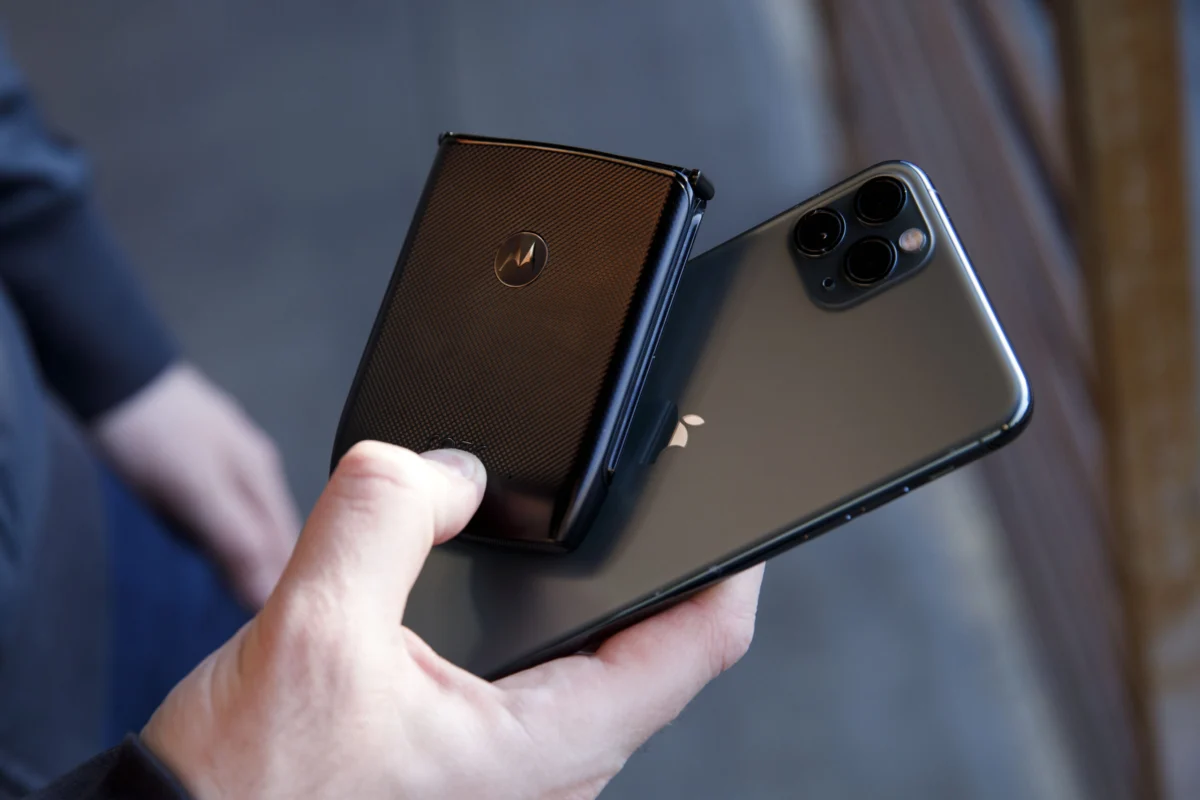
The tech world is abuzz with anticipation as Apple is reportedly on the cusp of launching its first-ever foldable iPhone, a move that comes more than five years after Samsung first introduced its pioneering foldable device. This year’s annual iPhone release event, scheduled for September 9th, is shaping up to be one of the most significant in recent memory, not only for the introduction of a groundbreaking new form factor but also for the symbolic transition in Apple’s leadership. As CEO Tim Cook prepares to hand over the reins to John Ternus, former Vice President of Hardware Engineering, expectations are soaring for the new devices, particularly given Apple’s deliberate and calculated entry into the nascent foldable market.
While Apple has cultivated a reputation for its tight-lipped approach to product development, the digital ether has once again been abuzz with leaks and rumors, offering tantalizing glimpses into what consumers might witness during the September event. While the foldable iPhone, tentatively dubbed the "iPhone Ultra," is undoubtedly the star attraction, the event is also expected to feature updates to Apple’s popular AirPods and HomePods product lines, alongside the unveiling of the non-foldable iPhone 18 series.
The Enigmatic "iPhone Ultra": A Deep Dive into Apple’s Foldable Aspirations
Given Apple’s characteristic patience in entering new product categories, the pressure is on for its inaugural foldable device to deliver an exceptional user experience. This is especially true considering early reports suggest the "iPhone Ultra" will command a premium price tag exceeding $2,000. While this figure might seem staggering, it’s important to contextualize it within Apple’s product ecosystem, particularly when compared to the $3,500 Apple Vision Pro headset. Unlike the niche appeal of augmented reality headsets, smartphones remain an essential and widely adopted consumer technology, suggesting a potentially broader market for Apple’s foldable offering.
Encouragingly, early impressions from individuals who claim to have tested the device have been overwhelmingly positive. Mark Gurman, a highly respected Apple insider at Bloomberg, has indicated that the foldable iPhone boasts a "premium feel," a design that comfortably fits into a pocket, and unfolds to reveal a spacious, iPad-like display. The device is anticipated to feature a 5.5-inch cover display, which expands to an impressive 7.8 inches when fully unfolded. When closed, the iPhone Ultra is expected to present a form factor that is both shorter and wider than traditional iPhones, offering a distinct aesthetic.
Achieving this sleek, pocketable design when folded has undoubtedly necessitated some engineering compromises. Notably, the device is reportedly omitting a telephoto camera. This decision might prove to be a point of contention for consumers who are willing to invest in an ultra-premium device and expect the most advanced camera capabilities. However, the iPhone Ultra is still expected to sport a dual-lens rear camera system, comprising a main and an ultra-wide lens, mirroring the camera configurations found on Apple’s more mainstream iPhone models.
Further fueling speculation, rumors suggest that Apple will integrate its popular MagSafe magnetic wireless charging and accessory system into the foldable iPhone. However, to optimize space within the device’s slender profile, Apple may be opting to forgo Face ID in favor of a Touch ID fingerprint sensor embedded in the side button. While the convenience of a side-mounted Touch ID button is undeniable, akin to the ease of simply looking at a screen for Face ID, it represents a notable shift for users accustomed to Apple’s established facial recognition technology. This adjustment might require a period of familiarization for long-time iPhone users.
In line with the multitasking capabilities offered by other foldable phones, the iPhone Ultra is expected to support side-by-side app functionality, allowing users to run two applications concurrently on either half of the unfolded screen. Despite its open state resembling a compact iPad, the device will reportedly continue to run iOS rather than iPadOS. This decision is unlikely to be a cause for concern, given the sheer power of Apple’s latest chipsets, which are more than capable of handling the iOS experience on a larger display. In fact, the same processor is rumored to be powering Apple’s more budget-friendly MacBook Neo laptop, underscoring its impressive performance capabilities.
One of the persistent challenges for foldable phone manufacturers has been the noticeable "crease" that forms at the hinge of the display. While many existing foldable devices exhibit this visual imperfection, reports suggest that Apple has made significant strides in developing a display where the crease is substantially less visible. This technological advancement, if successful, could be a crucial differentiator for the iPhone Ultra in a market still grappling with display durability and aesthetics.
Beyond the Fold: The iPhone 18 Line and Other Anticipated Announcements
For consumers who remain unconvinced by the foldable form factor or find the premium price point prohibitive, Apple has not forgotten its loyal customer base seeking more traditional smartphone upgrades. The company is also expected to unveil new additions to the iPhone 18 line. While leaks have provided some insight into the iPhone 18 Pro and Pro Max, information regarding the standard iPhone 18 has been more scarce. Notably, the standard iPhone 18 is predicted to launch approximately six months after the September event, a departure from Apple’s typical release cycle where premium models are usually unveiled concurrently with their standard counterparts. This potential staggered release would mark a significant shift in Apple’s product launch strategy.
The September event is also anticipated to be a showcase for significant advancements in Apple’s ecosystem, particularly concerning its smart home and audio devices. Following the recent Gemini-powered AI update to Siri, Apple is expected to refresh its HomePod smart speaker lineup. This refresh is particularly relevant as the HomePod continues to compete in a landscape dominated by devices like Amazon’s Echo line.
Evidence of upcoming HomePod models has surfaced in recent leaks, with references to unreleased hardware discovered within a preview build of macOS. This suggests a tangible progression in Apple’s smart home ambitions.
However, perhaps the most surprising revelation from the macOS preview build points towards Apple’s exploration of AirPods equipped with integrated cameras. Researcher Aaron Perris uncovered a video within the build depicting an individual wearing AirPods while interacting with their environment, specifically picking up a book. A voiceover accompanying the video states, "With Visual Intelligence, your world becomes savable. See something you like? Just ask me to save it for later."
While the concept of wearable cameras understandably raises privacy concerns, drawing inevitable comparisons to controversial devices like Meta’s "pervert glasses," there is a degree of optimism that Apple, a company built on a strong foundation of privacy, will navigate these ethical considerations with greater care. Mark Gurman has further elaborated on the intended function of these camera-equipped AirPods, reporting that the cameras are not designed for taking traditional photos or videos. Instead, they are intended to act as "eyes for the Siri digital assistant," capturing low-resolution visual information to enhance Siri’s contextual understanding and capabilities. This innovative approach aims to leverage visual data to improve the functionality of the digital assistant without compromising user privacy through overt surveillance.
The potential implications of these camera-equipped AirPods are far-reaching, hinting at a future where personal technology is more deeply integrated with our perception of the world. While the exact use cases remain speculative, the ability for Siri to "see" and interpret the user’s surroundings could unlock a new era of personalized assistance and augmented reality experiences, all within the familiar form factor of Apple’s popular wireless earbuds.
This comprehensive suite of announcements, from the revolutionary foldable iPhone Ultra to the evolutionary upgrades of the iPhone 18 line and the intriguing advancements in AirPods and HomePods, underscores Apple’s relentless pursuit of innovation. The September 9th event promises to be a pivotal moment, not just for the company’s product portfolio but also for its strategic direction under new leadership. As the tech giant continues to push boundaries, consumers can expect a blend of established excellence and bold new frontiers, all delivered with Apple’s signature attention to detail and user experience.
