
 By admin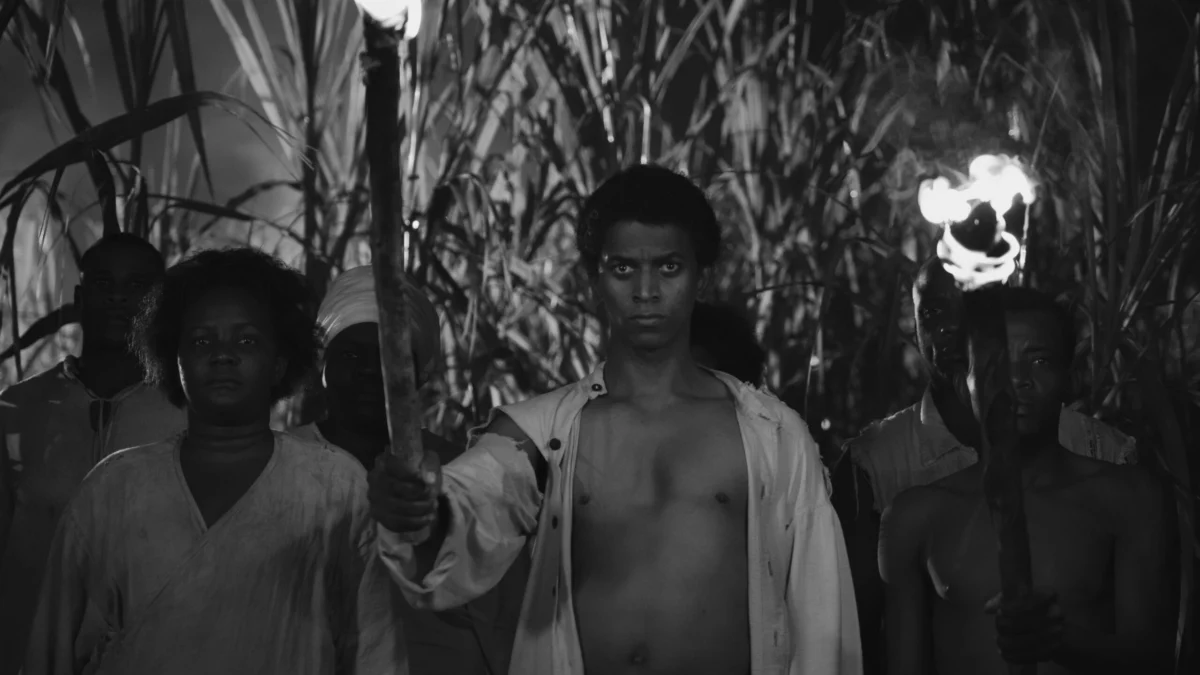
In the hallowed, gaslight-drenched era of Hollywood’s initial horror ascendancy during the 1930s and ’40s, the landscape of cinematic dread was dominated by an iconic quartet: the aristocratic vampire Dracula, the stitched-together Frankenstein monster, the lycanthropic werewolf, and the bandaged mummy. It would have seemed unfathomable then that any other monstrous entity could ever ascend to such prominent terror, let alone that the seemingly ignoble zombie, a creature largely absent from the genre’s early lexicon, would not only emerge but eventually eclipse its classic predecessors in popular visibility. Yet, while Dracula, Frankenstein’s creation, the werewolf, and the mummy continue to be reanimated and reinterpreted on screen with regularity, they are now demonstrably overshadowed by a ravenous, flesh-devouring undead that, in its modern, insatiable form, was practically nonexistent in the genre until recent decades. This surprising and profound evolution is meticulously explored in Maya Annik Bedward’s compelling Canadian documentary, "Black Zombie," a film that eschews the typical genre fan’s fascination for the visceral thrills of the undead, instead adopting the discerning gaze of a cultural anthropologist.
Bedward’s documentary delves into the fascinating, and often troubling, trajectory of the screen zombie, meticulously examining how this once-obscure figure has co-opted and distorted the rich tapestry of Haitian religious beliefs that originally birthed its concept. Kino Lorber is set to bring this insightful examination to American audiences on September 11th, with Raven Banner handling its release on home turf on the same date, promising a critical dissection of a phenomenon that has permeated global popular culture.
The ubiquity of zombie-themed entertainment today is nothing short of astonishing. It spans the spectrum from colossal, big-budget blockbusters like "World War Z," which depicted a global pandemic of hyper-aggressive, sprinting undead, to sprawling cinematic franchises such as the "28 Days Later" series, which revitalized the genre with its depiction of rage-infected, fast-moving zombies. The "The Walking Dead" universe has spawned an entire multimedia empire, encompassing television series, comic books, and merchandise, solidifying the zombie’s place as a cultural touchstone. Furthermore, the genre has even embraced comedic interpretations, with films like Edgar Wright’s "Shaun of the Dead" offering a beloved and hilarious take on the undead apocalypse. This modern iteration often features animated corpses that are not merely slow and shambling, but terrifyingly "fast-moving," their insatiable hunger for living flesh transforming them into an exponentially greater peril. These frenetic, ravenous hordes represent a significant departure from the late 20th-century convention, largely established by George A. Romero’s groundbreaking 1968 sleeper smash, "Night of the Living Dead." Romero’s seminal film, with its claustrophobic atmosphere and relentless, albeit slow-moving, cannibalistic ghouls, set a potent template for decades of zombie narratives, emphasizing societal breakdown and the primal struggle for survival against a relentless tide of the dead.
However, whether moving at a glacial pace or a terrifying sprint, the modern cinematic zombie bears little resemblance to its prior, far less frequent appearances in pulp fiction and early cinema. These earlier incarnations traced their roots back to William Seabrook’s best-selling 1929 work, "The Magic Island." Seabrook, a writer, adventurer, and self-proclaimed occult sensation-seeker, penned several questionable works of journalism, with his subsequent memoir, "Asylum," which chronicled his recovery from alcoholism, perhaps being his most credible contribution. In "The Magic Island," Seabrook claimed to have witnessed laborers in the Haitian cane fields who appeared to be in a perpetual trance, utterly incapable of speech or independent thought. This observation, however sensationalized, tapped into a deeper, more historical context.
The very notion of the zombie, as it began to take shape, was intrinsically linked to Haiti’s tumultuous history as a European colony. During this period, vast numbers of predominantly African slaves were subjected to brutal discipline and relentless labor by a white-settler minority, often worked to death. Rumors circulated that some individuals, through drugged or other means, were rendered "soul lost," effectively becoming automatons destined to toil without rest or protest. Within the cultural framework of Haiti, therefore, zombies were not terrifying monsters bent on consumption, but rather tragic victims, their will and spirit systematically stripped away by cruel masters.
Seabrook’s primary focus in his writing was on Vodou (often referred to as Voodoo), a complex religious practice that had long persisted as an underground spiritual tradition among populations who outwardly adhered to Catholicism. His mention of "zondis," the dead supposedly revived through magical means for the arduous task of cane harvesting, ignited the popular imagination of the Western world. This concept was soon fictionalized, most notably in the Bela Lugosi vehicle "White Zombie" (1932), a post-"Dracula" production that brought the zombie to the silver screen. This was followed by other cinematic explorations, including Val Lewton’s atmospheric "I Walked With a Zombie" a decade later. Crucially, the suspense in these early films did not stem from the actions of the zombie-fied "natives" themselves, but rather from the terrifying prospect that such hypnotic control, the very essence of the zombie state, might be inflicted upon Caucasian protagonists, particularly vulnerable young ingenues. This framing reinforced existing colonialist anxieties and racial biases, portraying the colonized as inherently susceptible to manipulation and control.
"Black Zombie" meticulously dissects this historical misrepresentation by featuring commentary from contemporary scholars, historians, and Vodou priests. These voices collectively analyze how these early cinematic portrayals, steeped in a vintage "exotica" mode, reinforced damaging and superstitious racial stereotypes. This trend, as Bedward highlights, has proven remarkably persistent, with films like Wes Craven’s 1988 "The Serpent and the Rainbow" arguably reprising similar themes of exoticized fear and cultural misinterpretation. The documentary argues that these cinematic narratives are intrinsically linked to a historical pattern of disempowering Haitian people, a nation continually hobbled by foreign occupations, imposed international debts, and pervasive political instability. The perpetuation of the myth of the witless, "savage" zombie, according to Bedward’s experts, served to further the insidious notion that Haitians are incapable of self-governance and cannot be trusted to control their own destiny.
Bedward powerfully illustrates this point through an engaging and multifaceted approach within "Black Zombie." The documentary interweaves a compelling mix of film clips, insightful interviews, archival newsreel footage, brief animated sequences, and elegantly staged black-and-white vignettes. These latter sequences feature actor Anderson Mojica portraying an 18th-century slave who experiences being subsumed by, and subsequently overcoming, a state of passive, zombie-like toil. The film provocatively suggests that the stupefying effects of such a state might have been exacerbated by the deprivation of essential nutrients, such as salt, a practice that could have led to cognitive impairment and physical lethargy among laborers. This offers a more grounded, though still grim, explanation for the historical observations that may have fueled the zombie myth.
While horror aficionados might find the documentary’s relatively fleeting engagement with the later waves of zombie cinema somewhat disappointing, Bedward does incorporate valuable insights from key figures in the genre’s evolution. We hear from the legendary gore effects maestro Tom Savini, whose innovative and often shocking practical effects have defined the visual language of modern horror. Additionally, the film features commentary from John Russo, the late George A. Romero’s co-writer on "Night of the Living Dead." Russo candidly reveals that the ultra-low-budget breakout hit settled for its hungry-ghoul premise largely due to financial constraints, explaining that they simply couldn’t afford the elaborate trappings of a science-fiction narrative at the time. The entire concept of cannibalistic zombies, a hallmark of modern zombie fiction, has scant connection to Vodou lore and is therefore of little direct relevance to Bedward’s central thesis.
However, some of her experts offer astute observations on the broader cultural implications of these modern depictions. They opine that the manic, devouring hordes of contemporary zombie narratives discreetly amplify new societal paranoias. Beyond the historical "fear of Blacks" implicitly embedded in earlier zombie thrillers, these experts suggest that modern audiences are projecting their anxieties about "invading" Third World immigrants, climate-change refugees, and other marginalized groups onto the undead hordes. As one observer eloquently puts it, in this contemporary context, zombies have evolved to simply "represent otherness." This interpretation highlights the zombie’s enduring capacity as a malleable symbol, reflecting and amplifying the anxieties and prejudices of the societies that consume its narratives.
The authorities and intellectuals Bedward solicits for intel often speak with a degree of reluctance, a caution born from past negative experiences. They are all too familiar with filmmakers who feign sincere interest in exploring Haitian culture and history, only to ultimately deliver yet another gratuitous and bloody screen cartoon that further distorts their heritage and beliefs. While "Black Zombie" may not offer the comprehensive "greatest hits" parade of zombie cinema that some viewers might anticipate, it undeniably provides a profoundly thought-provoking perspective. This critical examination has the potential to imbue viewers’ future experiences with undead cinema, however purely escapist they may be, with a deeper understanding of the cultural baggage and historical injustices that have shaped this enduringly popular monster. The documentary serves as a crucial reminder that even the most fantastical creatures on screen can, and often do, reflect the complex and often uncomfortable realities of our own world.
