
 By admin
The Buffalo Bills are currently embroiled in a significant public relations battle, not over on-field performance or player injuries, but concerning the perceived shortcomings of their brand-new, state-of-the-art $2.2 billion stadium. Social media has erupted with photographic and video evidence showcasing a range of issues, from obstructed sightlines to inadequate rain protection, forcing the franchise into a full-blown crisis management mode. This situation is a far cry from the triumphant unveiling of a cutting-edge facility, instead presenting a complex challenge that touches upon fan experience, taxpayer investment, and the very essence of stadium design in the modern era.
The initial wave of criticism surfaced prominently on social media platforms, where fans shared images and videos highlighting what they deemed to be architectural missteps. These visual complaints centered on seating areas with severely limited views of the field, prompting widespread disbelief and discontent. The sheer volume and compelling nature of the user-generated content compelled the Bills to issue a public statement on Monday, a move that underscores the gravity of the situation. This statement was not merely a perfunctory acknowledgment but a defense of the stadium’s design and functionality, attempting to reframe the narrative and mitigate the negative public perception.
Following the initial statement, the club escalated its response by convening a conference call with reporters, featuring key figures from the stadium’s development. Chief Operating Officer Pete Guelli and Vice President of Stadium Development John Polka were tasked with addressing the concerns directly. Their objective was to provide context and explanations, particularly for the many fans, including personal seat license (PSL) holders, who are footing a substantial portion of the stadium’s cost – $850 million of which is publicly funded. The team aimed to demonstrate that the viral posts did not represent the complete picture and that fans were not receiving the full story regarding the stadium’s capabilities and design considerations.
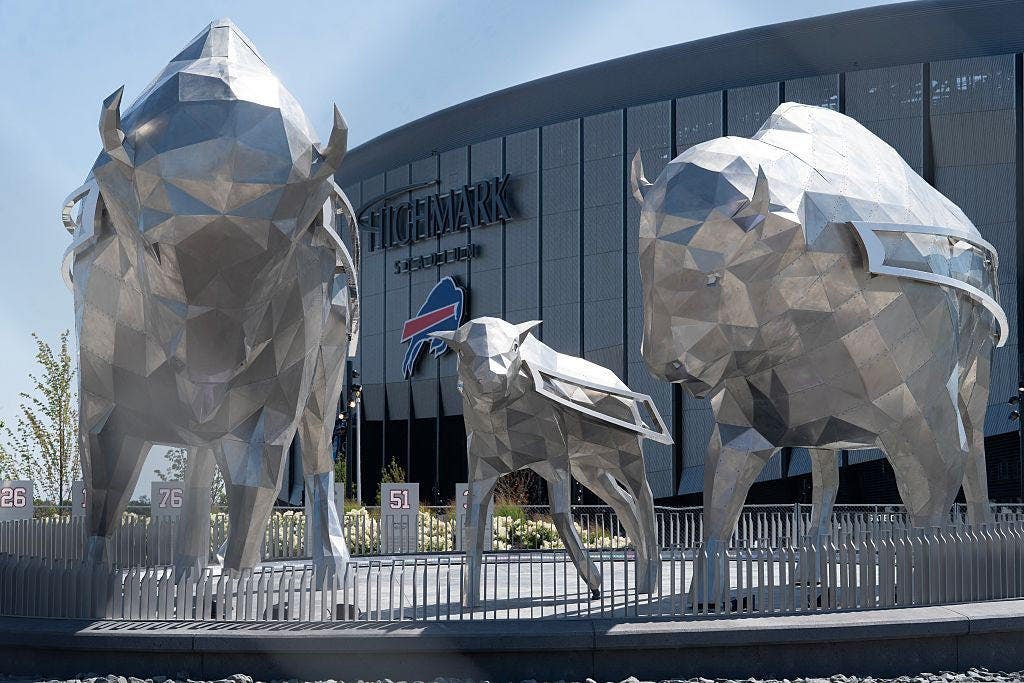
The narrative surrounding the new stadium has become a critical test for the Bills, moving beyond typical sports-related controversies. It’s a multifaceted issue involving a colossal financial investment and promises made to a dedicated fanbase, including those who purchased PSLs, which are essentially upfront payments for season ticket rights. The club’s leadership is now attempting to reassure stakeholders that the stadium, despite initial impressions, aligns with the representations made during its development and sales process.
"So far, we’ve heard from less than one percent of our PSL holders about anything sightline related," Guelli stated during the conference call, attempting to downplay the extent of the reported issues. He emphasized the team’s confidence in the accuracy of the virtual venue representations, which were used to showcase the seating experience to potential buyers. "Relative to that specific issue, we feel very confident what was represented via the virtual venue is accurate to what people saw when they sat in their seats," Guelli elaborated. He further assured that the team is committed to addressing any individual concerns on a case-by-case basis, offering a path for resolution for those who feel their experience falls short of expectations.
However, the social media outcry turned what should have been a celebratory period for the franchise into an event akin to an early-season defeat. The very notion that a stadium costing $2.2 billion, completed in 2026, might have fundamental flaws in providing clear sightlines to all attendees has been met with incredulity. The Bills’ defense acknowledges that some level of obstructed seating is inherent in large venue design. "Any building you would walk into, there would be some obstructed seating," Guelli explained. He detailed that these areas are often designated as "blank areas" or specifically designed with seats that may be obstructed for football but adaptable for other events like concerts. The team contends that these "partial-view or limited-view seats" were adequately depicted in their virtual venue presentations, suggesting a discrepancy between fan expectations and the actual product, or a failure in communicating these limitations effectively.
Beyond sightlines, other issues have surfaced. Complaints emerged about views being obstructed by vendors or other fans moving through aisles during practice sessions. The Bills’ response to this particular concern is to implement stricter protocols during actual games. They plan to instruct fans and vendors to remain stationary during play, waiting for official stoppages to move about. This policy aims to maintain clear sightlines for all attendees, but it implicitly signals a potential shift in the dynamic of Bills games, which have historically been characterized by passionate, often standing, fans. The era of "raucous, rowdy Bills crowds that sometimes stood the entire game at the old Highmark Stadium" might be curtailed in favor of a more controlled viewing environment. This adjustment, while practical for sightline management, could alter the beloved atmosphere that has defined the fan experience.
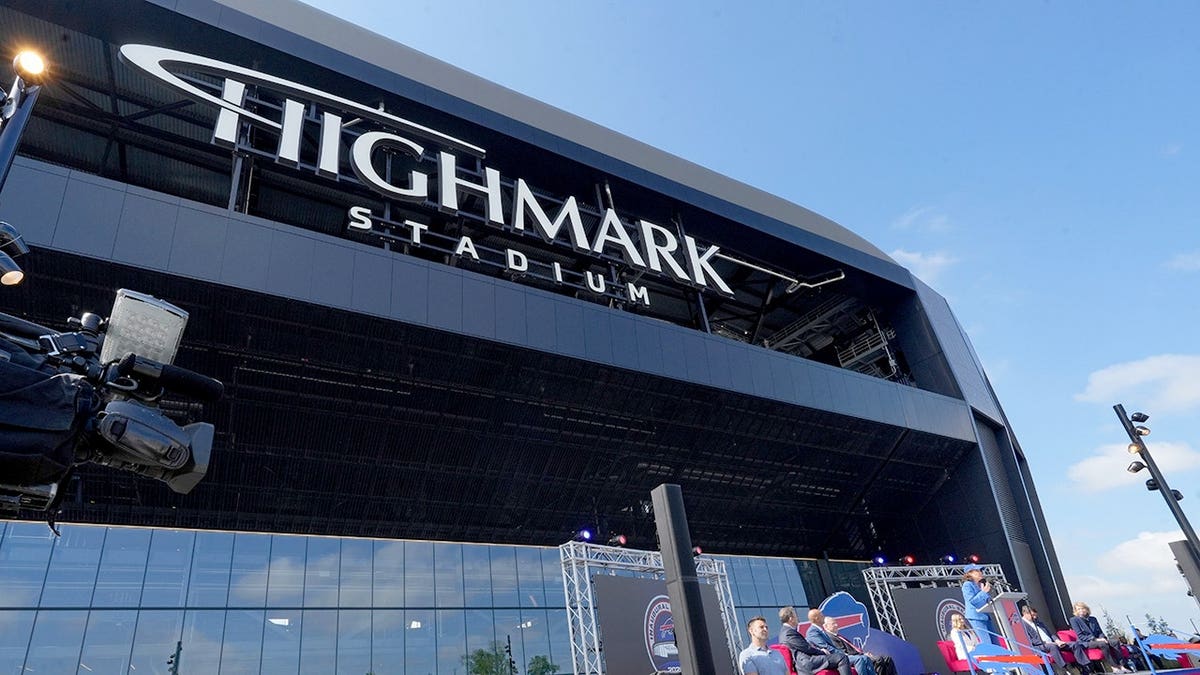
Another point of contention has been the size and scope of the new stadium’s video boards. Reports, including those from the Rochester Democrat & Chronicle, suggest that the decision to have less expansive video boards was a deliberate choice by owner Terry Pegula. The rationale, as reported, was to direct fan attention towards the on-field action rather than the screens. Pegula reportedly prioritized the stadium’s speaker system as a more significant investment. This approach, however, appears to disregard the modern fan’s expectation for large, immersive visual displays, a trend that has become commonplace in sports arenas worldwide. The sentiment is that the team may have underestimated the cultural shift, where video content and large screens are integral to the fan experience, potentially overlooking the impact of "video killed the radio star" in a contemporary context.
John Polka, Vice President of Stadium Development, addressed the video board concerns, acknowledging the team’s ongoing learning process regarding game presentation. "We’re learning a lot about the building, and that includes game presentation," Polka stated. He indicated that the team would evaluate how the video boards are utilized, balancing live action replays with other content. Polka also highlighted existing features, such as a nine-foot ribbon board below the main scoreboard, which offers alternative display possibilities. Nevertheless, he expressed satisfaction with the current design of the main scoreboards, asserting, "But with the raw size of the scoreboards, we’re comfortable and confident that those are the way we intended and designed them." This suggests a firm stance on the current video board dimensions, despite fan feedback.
The challenges faced by the Buffalo Bills with their new stadium are indicative of the complex balancing act involved in constructing modern sporting venues. The immense financial stakes, coupled with the passionate expectations of a dedicated fanbase, create a high-pressure environment where even minor perceived flaws can be amplified. The public funding component adds another layer of scrutiny, as taxpayers naturally expect a return on their investment in the form of a high-quality, functional facility.
The Bills’ response, characterized by official statements and direct engagement with the media, demonstrates a proactive approach to managing public perception. However, the effectiveness of these measures will ultimately be judged by the tangible improvements made and the sustained satisfaction of the fans. The team’s commitment to addressing individual concerns, while a positive step, will need to be consistently implemented to rebuild trust and mend any damage to their reputation.

The situation also raises broader questions about the design process for large-scale public projects. While technological advancements and architectural innovations are expected, the fundamental elements of fan comfort and viewing experience must remain paramount. The Bills’ experience serves as a cautionary tale, emphasizing the importance of thorough communication, transparent representation, and a deep understanding of fan expectations throughout the entire lifecycle of such a significant undertaking. The team’s ability to navigate this current storm will undoubtedly shape the legacy of their new stadium and their relationship with the loyal Bills Mafia for years to come. The ongoing dialogue and the team’s subsequent actions will be closely watched by sports franchises and stadium developers across the country.
