
 By admin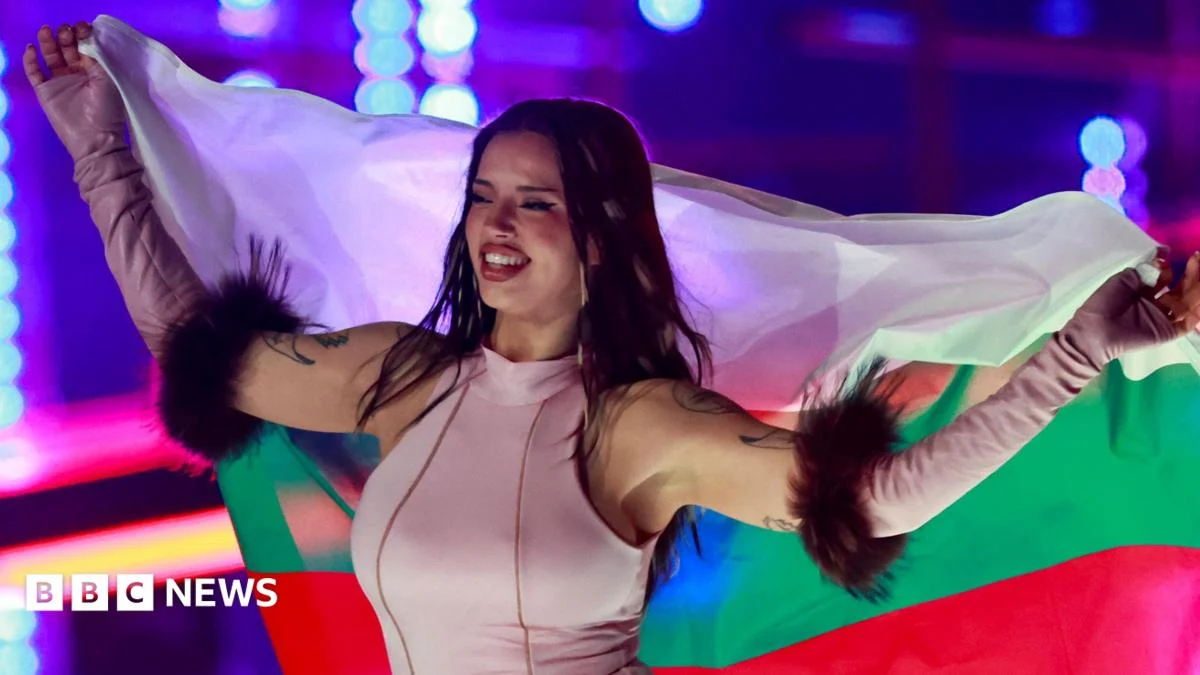
In a move that has sent ripples of surprise through the Eurovision Song Contest community, Bulgaria’s coastal gem, Burgas, has been officially selected as the host city for the 2027 edition of the prestigious competition. This decision marks a historic moment, as it will be the first time Bulgaria has ever hosted Eurovision. The announcement, made by Eurovision executive supervisor Martin Green, highlights Burgas’s "vibrant, welcoming city on the Black Sea with a strong musical and cultural identity, and it has the ambition, infrastructure and passion needed to welcome the Eurovision family." Green further elaborated on the vision for the event, stating, "For the first Eurovision Song Contest ever to be held in Bulgaria, we want to create something that feels truly Bulgarian while also being unmistakably Eurovision – a celebration that brings people together through music."
The selection of Bulgaria’s second-largest city, renowned for its picturesque beaches and rich history, was attributed to its "strong overall proposition, combining the venue and technical potential," which includes robust hotel capacity, efficient transport networks, and excellent international travel links. This strategic advantage seemingly outweighed the allure of the nation’s capital, Sofia, a choice that was widely anticipated following strong endorsements from Bulgarian National Television (BNT) and the nation’s 2026 Eurovision representative, Dara.
Following their compelling performance at the most recent song contest in May, BNT Director Milena Miltenova had publicly expressed her pride, stating, "I’m so proud of Dara’s performance. What she did last night was amazing. And I’m so proud to say welcome to Sofia next year." Dara herself echoed this sentiment, joyfully declaring, "I’m so happy that you’re coming to Sofia next year. I’m happy that it [Eurovision] is going to be in my home." However, the European Broadcasting Union (EBU), the governing body of the contest, clarified that Burgas’s selection was the result of a "competitive" bidding process involving four Bulgarian cities, suggesting a thorough evaluation of each proposal.
This significant shift in hosting city, away from the capital and the initial expectations, comes at a time when Eurovision is navigating increasingly complex geopolitical landscapes. Earlier this week, organizers controversially updated their rules, stipulating that a country involved in an armed conflict will be ineligible to host the competition the following year. This amendment, approved by the contest’s governing body after feedback from participating broadcasters following the 2026 contest in Vienna, also states that winning countries will be disqualified from hosting if a "sensitive geopolitical situation" compromises the "security, safety or stability of their state or immediate region."
The timing and nature of this rule change have been widely interpreted as a direct response to Israel’s continued participation in the contest amidst ongoing international criticism of its military actions in Gaza and the Middle East. The EBU’s decision to implement such a clause reflects the growing pressure and concern from some member broadcasters regarding the potential security implications of hosting the event in countries embroiled in conflict or facing significant geopolitical instability.
The controversy surrounding Israel’s participation reached a boiling point last November when, following a failed attempt to have the country suspended from the competition, five broadcasters, including established Eurovision powerhouses Spain and Ireland, announced they would boycott the event. Despite these protests, Israel’s representative, Noam Bettan, ultimately secured a commendable second place with his song "Michelle." This marked the second consecutive year that Israel had achieved the runner-up position, fueling private discussions among some participating broadcasters about potential safety concerns should the country ever win and be tasked with hosting in cities like Jerusalem or Tel Aviv.
While the new rule is undeniably aimed at addressing the complexities surrounding Israel’s participation, it also has significant implications for other nations. Notably, Ukraine, which has been engaged in a protracted war since its invasion by Russia in 2022, would also be affected by this new stipulation. The Ukrainian group Kalush Orchestra famously won Eurovision in 2022, a victory widely seen as a powerful symbol of international solidarity and support for the embattled nation.
Following their triumphant win, Eurovision organizers undertook a comprehensive "full assessment and feasibility study" to determine if the 2023 contest could safely proceed in Kyiv. The security risks were ultimately deemed too great, leading to the United Kingdom stepping in to host the competition in Liverpool, a testament to the EBU’s commitment to ensuring the safety and security of all involved.
The decision to implement these new hosting eligibility rules signifies a proactive stance by the EBU to preemptively address potential logistical and security challenges that could arise from geopolitical events. It underscores a recognition that the Eurovision Song Contest, while a celebration of music and unity, is not immune to the broader global political climate. The selection of Burgas, therefore, can be viewed through a dual lens: one of celebrating a city’s readiness and ambition to host, and another of the EBU’s careful navigation of international sensitivities.
Burgas, a city with a rich maritime heritage and a burgeoning cultural scene, is poised to embrace the Eurovision spotlight. Its existing infrastructure, including the Palace of Culture and Sports, which has a capacity of around 5,000 spectators, can be further enhanced to meet the specific technical demands of a Eurovision production. The city’s strategic location on the Black Sea coast offers excellent connectivity, with a well-established airport and ferry terminals, facilitating the arrival of delegates, artists, and fans from across Europe and beyond. Furthermore, Bulgaria’s commitment to showcasing its unique cultural traditions, from its vibrant folk music to its ancient Thracian heritage, promises to imbue the 2027 contest with a distinct and memorable Bulgarian flavor.
The economic impact of hosting such a large-scale international event is also a significant consideration. Burgas can anticipate a substantial influx of tourism revenue, benefiting local businesses, hotels, restaurants, and the broader service industry. The event also presents an invaluable opportunity to promote Bulgaria as a tourist destination on a global stage, potentially boosting long-term economic growth and cultural exchange.
However, the shadow of the new geopolitical hosting rules looms large. While Israel’s situation is the most immediate and visible trigger for the amendment, the broader implications for countries experiencing ongoing conflict or political instability are profound. The EBU faces the ongoing challenge of balancing its mandate to promote inclusivity and cultural exchange with the paramount responsibility of ensuring the safety and security of all participants and attendees. The decision-making process for future host cities will undoubtedly be more intricate, requiring a delicate calibration of artistic merit, logistical feasibility, and geopolitical stability.
The Eurovision Song Contest has always been more than just a music competition; it’s a platform for cultural diplomacy, a celebration of diversity, and a unifying force. As Burgas prepares to write its chapter in Eurovision history, the contest itself continues to evolve, adapting to the complexities of our interconnected world while striving to remain a beacon of music, joy, and international camaraderie. The selection of Burgas, coupled with the revised hosting regulations, signals a new era for Eurovision, one that demands both artistic excellence and a keen awareness of the global realities that shape our present and future. The eyes of Europe, and indeed the world, will be on Burgas in 2027, eager to witness how this Black Sea city will weave its unique Bulgarian magic into the fabric of the Eurovision Song Contest.
