
 By Rifan Muazin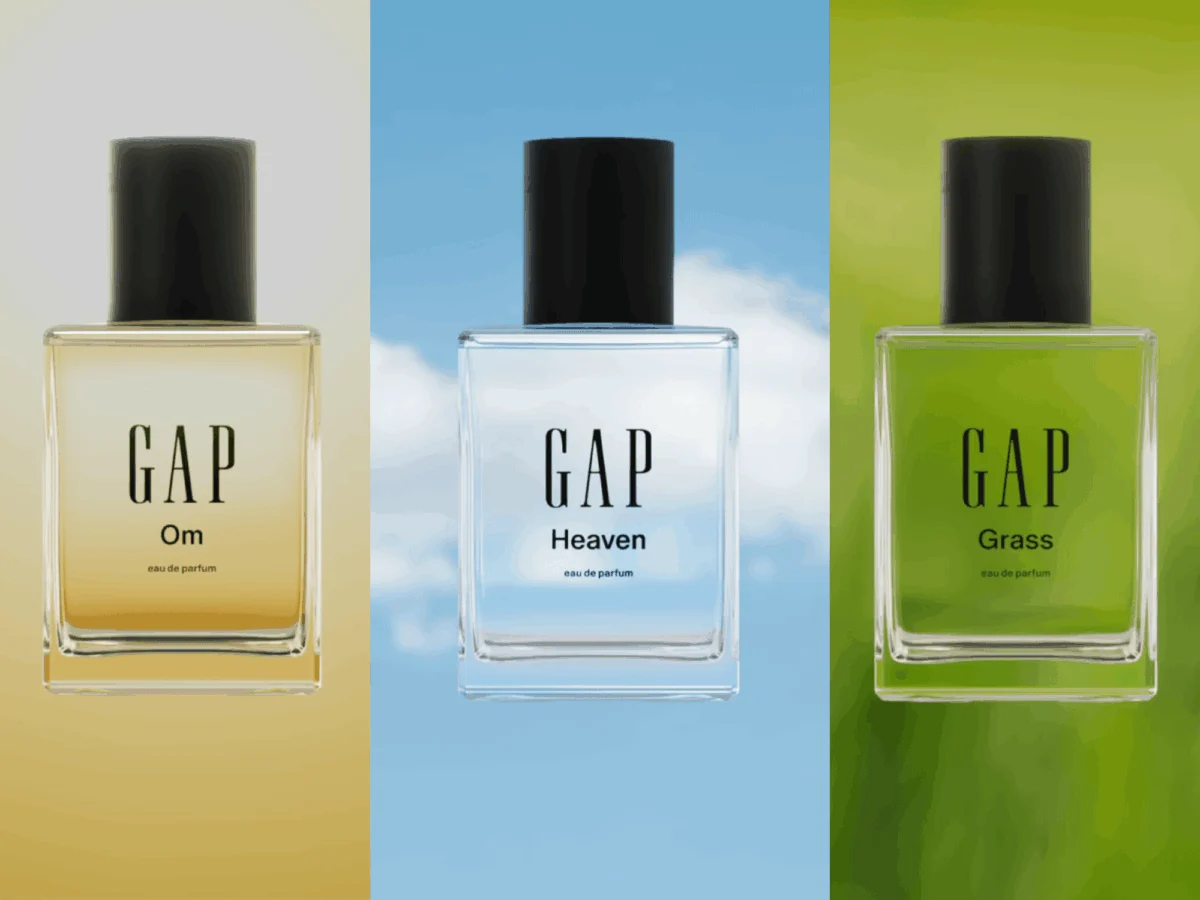
Perhaps that is why the everyman label decided to revive its suite of fragrances, each plucked straight from the golden era of American mall culture. For those who came of age during the Clinton administration, the sensory experience of walking into a Gap was as distinctive as the folded stacks of colorful tees. However, as the retail landscape shifted in the early 2000s, Gap’s original fragrance line was quietly discontinued. This departure left a vacuum in the "approachable luxury" scent market, allowing fiercer, more aggressive alternatives—most notably Abercrombie & Fitch’s ubiquitous "Fierce"—to win over the nostrils of a new generation. Now, after decades of silence and a booming gray market for expired vintage bottles, the quintessential scents of the nineties are back.

The re-release includes a quintet of eau de parfums designed to evoke the decade’s hallmark minimalism. The packaging reflects this aesthetic through a lens of modern nostalgia, featuring Gap’s iconic serif typeface and Helvetica product text overlaid on simple, impressionistic vignettes. While the outer boxes are visually appealing and collector-friendly, the vessels themselves have undergone a significant transformation. Long-time fans may remember the more sculptural, biomorphic bottles of the past—vessels that felt like polished river stones or organic art pieces. In this new iteration, the bottles have been streamlined into generic glass blocks topped with black plastic caps. Aside from the scent name printed on the front, there is little to differentiate one bottle from the other. Critics might argue this design is fitting for a brand whose democratic designs are famously catered toward everyone and no one simultaneously, yet for the purist, the lack of tactile nostalgia in the bottle design feels like a missed opportunity to fully capture the 1994 aesthetic.
However, packaging is rarely the primary driver for a fragrance purchase; the true test lies in the liquid. To understand the olfactory landscape of the 1990s, one must look through the nose of Gap. The brand’s scent profile was a radical departure from the heavy, spicy "power perfumes" of the 1980s, such as Dior’s Poison or Calvin Klein’s Obsession. Instead, Gap pioneered a "clean," "green," and "aqueous" movement that mirrored the decade’s shift toward heroin chic, slip dresses, and unstudied cool. By sniffing, whiffing, and analyzing each of these five throwback fragrances, we can map out exactly how Gap helped define the smell of a generation.

The first and arguably most iconic of the collection is Grass. Originally introduced alongside Heaven in 1994, Grass arrived at a moment when the fragrance world was obsessed with naturalism. It is a fresh, verdant, and bright composition that eschews traditional floral sweetness for something much more grounded. The scent features top notes of green mandarin, a heart of matcha, and a base of Virginia cedar. In the context of the 1990s, Grass was revolutionary; it didn’t smell like a perfume so much as it smelled like an experience. It evokes the sensation of a matcha shop opening inside a log cabin situated in the middle of a dew-drenched meadow. It is earthy, slightly sweet, and remains a top favorite among fragrance enthusiasts who prefer gender-neutral, crisp profiles. Its return marks a significant moment for the "green" fragrance category, which has seen a massive revival in recent years through niche brands like Aesop and Le Labo.
Following the success of the initial 1994 launch, Gap expanded the line with Om in 1996. Of the entire quintet, Om is frequently cited as the most "expensive" smelling and the most mature. Its name reflects the mid-90s cultural fascination with Eastern philosophy and "Zen" aesthetics—a time when yoga was entering the mainstream and home decor was dominated by bamboo and neutral tones. Om is warm and woody, utilizing top notes of ginger to provide a spicy, energizing opening. The heart consists of delicate lilyflower, while the base is anchored by amber woods. There is a profound sense of nostalgia in this bottle; it captures the feeling of a warm afternoon breeze moving through a quiet, minimalist space. While Grass is the scent of the outdoors, Om is the scent of the 1990s interior—calm, sophisticated, and intentionally understated.

Then there is Heaven, a fragrance that serves as an olfactory time capsule for the mid-90s mall experience. If the "pearly gates" were located inside a suburban Bath & Body Works circa 1995, they would smell exactly like this. Heaven leans heavily into the floral-fruity category that dominated the era. Pear and honeysuckle are the primary players here, creating a profile that is unapologetically saccharine. In an era before "gourmand" scents (fragrances that smell like edible desserts) became the industry standard, Heaven provided a light, airy sweetness that appealed to a younger demographic. It is the kind of scent that triggers immediate cravings for frozen yogurt and a trip to the cinema. While it may lack the complexity of Om, its cultural resonance is undeniable; it represents the innocent, optimistic side of nineties youth culture.
Dream, another staple of the original lineup, offers a different take on the floral category. According to its branding, Dream is intended to smell "purple"—not a deep, regal violet, but a fresh, translucent lavender hue. This effect is achieved through a swirl of orange blossom, jasmine, and "glowing amber." The result is a fragrance that feels like a high-end candle found in the guest bathroom of a beachfront property. It is clean and functional, yet it possesses an ethereal quality that justifies its name. In the 1990s, Dream was the go-to scent for those who wanted to smell "clean" without the sharp, grassy edges of the line’s more botanical offerings. It represents the "fresh" movement that eventually paved the way for modern blockbusters like Glossier You or Clean Reserve.

Finally, there is Harmony, a scent that occupies a unique space in the collection. Harmony is often described as smelling like a boba shop or a high-end Thai restaurant, likely due to the inclusion of apricot nectar and Italian bergamot. These fruity, citrusy notes are balanced by a heart of jasmine, creating a profile that is both zesty and cozy. There is a playful, almost adolescent quality to Harmony; it feels like the sort of fragrance that would have been stocked in a Claire’s boutique if the retailer had pivoted toward sophisticated perfumery. It captures the 90s obsession with "global" ingredients and the rise of citrus-heavy colognes that were marketed as being universally appealing.
The decision to rerelease these fragrances at a $52 price point is a savvy move by Gap. In a market where "niche" fragrances often retail for upwards of $300, there is a significant appetite for affordable, high-quality scents with a clear narrative. By tapping into its own history, Gap is bypassing the need to create a new brand identity. Instead, it is leveraging the emotional labor already performed by millions of consumers who grew up with these scents.

From a broader retail perspective, the revival of the Gap fragrance line signals a shift in how legacy brands handle their heritage. For years, Gap struggled to find its footing in a fast-fashion world dominated by Zara and H&M. However, by embracing its status as a "vintage" icon, the brand has found a new lease on life. This strategy is not limited to fragrance; it extends to the rerelease of 90s denim cuts and the appointment of fashion visionaries like Zac Posen to oversee the brand’s creative direction.
The return of Grass, Om, Heaven, Dream, and Harmony is more than just a product launch; it is a sensory reclamation of a decade that continues to haunt the modern imagination. While the new bottles may be "generic glass blocks," the memories they contain are anything but. Whether you are an elder millennial looking to reconnect with your high school self or a member of Gen Z curious about the authentic smell of the 1990s, Gap’s revived collection offers a definitive answer. It turns out the nineties smelled like wet grass, spicy ginger, sweet pears, and glowing amber—a quintet of scents that, much like a good pair of blue jeans, never truly goes out of style.
