
 By admin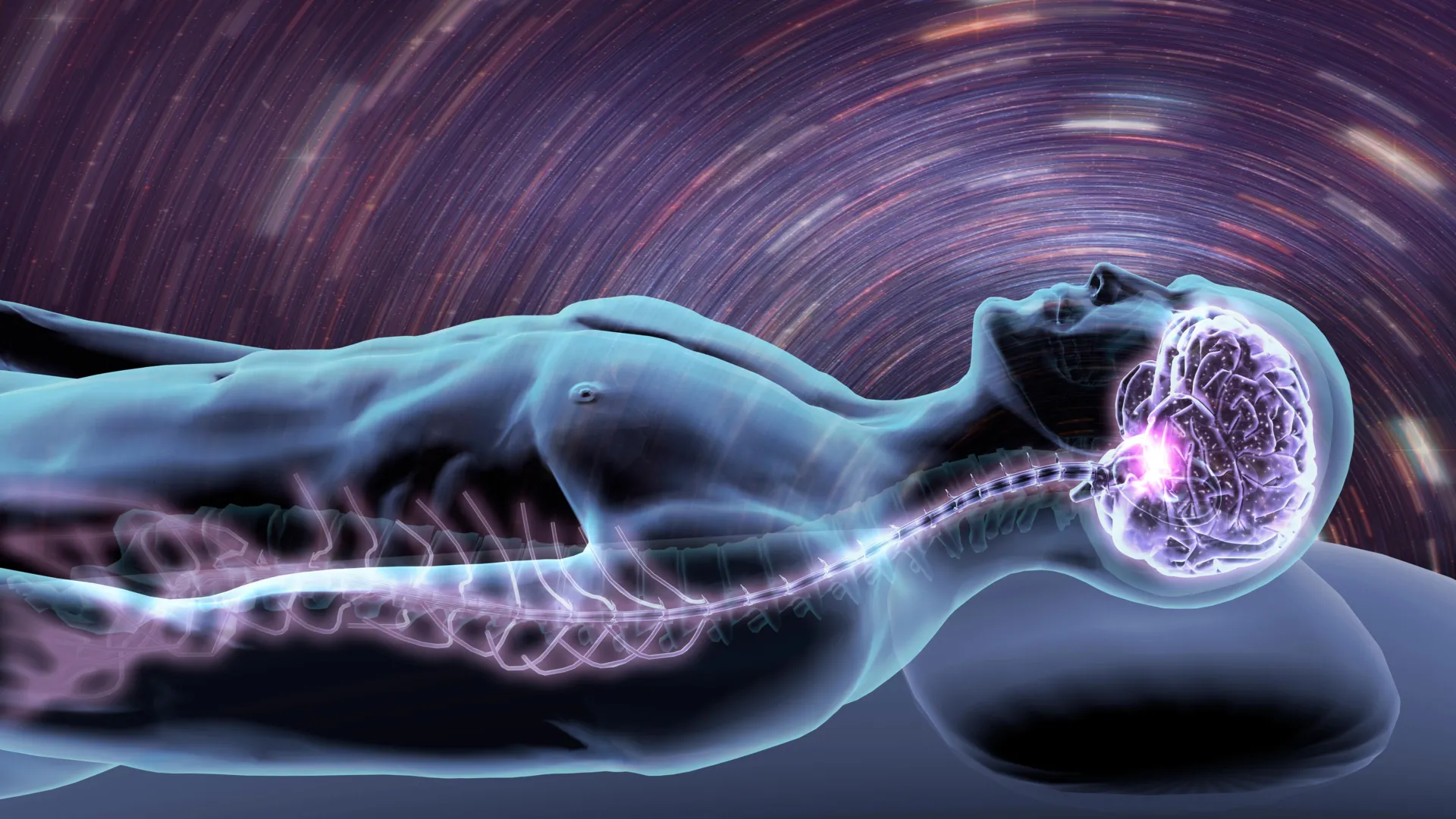
This shift in perspective marks a crucial evolution in understanding sleep beyond mere duration. The traditional metrics of sleep — how long someone spends in bed or how many times they report waking up — offer a rudimentary snapshot. They fail to capture the intricate neurobiological processes that unfold during slumber, processes vital for physical recovery, cognitive function, and overall well-being. Modern sleep research, therefore, is moving beyond the superficial, delving into the very architecture of sleep to discern its true biological depth and efficacy.
To investigate these profound yet often invisible effects, scientists are now employing sophisticated tools such as EEG, or electroencephalography. This non-invasive method involves placing electrodes on the scalp to record the brain’s electrical activity. EEG measurements are far more revealing than simple sleep diaries or even basic activity trackers; they can unveil the subtle dance of brain waves — alpha, beta, theta, and delta — that characterize different stages of wakefulness and sleep. By analyzing these complex patterns, researchers can gain invaluable clues about the biological quality and depth of an individual’s sleep, painting a far more comprehensive picture than duration alone ever could.
"EEG allows us to see not only whether a person is sleeping, but also how the brain is sleeping," explains Prof. Donata Kurpas from the Department of Nursing at Wroclaw Medical University, a leading expert in the field. She elaborates, "Classical sleep assessment assesses sleep duration and its stages, whereas quantitative EEG analysis reveals more subtle changes, such as reduced slow-wave activity, which is an important marker of sleep depth and its restorative character." This distinction is critical because it highlights that two people might sleep for the exact same number of hours, yet one could emerge genuinely refreshed and the other still functionally fatigued, all due to differences in the underlying quality of their brain’s sleep.
Slow waves, specifically delta waves, are a major and defining feature of deep sleep, also known as slow-wave sleep (SWS) or Stage N3 sleep. This particular stage is widely recognized as the most physiologically restorative phase of the sleep cycle. During deep sleep, the brain is actively engaged in a multitude of vital processes: it’s the period associated with physical recovery and tissue repair, the replenishment of cellular energy reserves (like ATP), the release of growth hormones, and crucial aspects of immune system regulation. Furthermore, deep sleep plays a fundamental role in memory consolidation, transferring information from short-term to long-term storage, and in the glymphatic system’s process of clearing metabolic waste products and toxins that accumulate in the brain during wakefulness. A reduction in slow-wave activity, therefore, signifies a direct compromise to these essential restorative functions.
Caffeine May Make Sleep Less Restorative
One of the most significant findings emerging from advanced sleep research is that caffeine does not always affect sleep in obvious ways that would immediately signal a problem to the individual. A person might still fall asleep at a normal time, perhaps even feeling tired enough to do so without significant struggle, and then remain asleep for what appears to be a full night, logging eight or more hours. Yet, despite this seemingly adequate duration, the underlying quality of that rest may still be subtly but significantly altered.
"Caffeine may shorten sleep or make it more difficult to fall asleep; however, even when sleep duration appears normal, it may reduce slow-wave activity and shift the EEG pattern toward a more ‘wakeful’ brain," says Prof. Kurpas. The mechanism behind this involves caffeine’s action as an adenosine receptor antagonist. Adenosine is a neuromodulator that builds up in the brain throughout the day, gradually increasing "sleep pressure" and promoting drowsiness. Caffeine, structurally similar to adenosine, binds to these receptors, blocking adenosine’s ability to signal the brain to slow down and prepare for sleep. While this effect is well-known for delaying sleep onset, its influence extends into the sleep architecture itself. By interfering with adenosine pathways, caffeine can suppress the generation and intensity of delta waves, even when the brain is technically "asleep." This results in a sleep state that, from an electrophysiological perspective, exhibits features more akin to light sleep or even wakefulness, rather than the deep, synchronized activity characteristic of truly restorative sleep.
In practical terms, this means someone could spend eight hours ostensibly "sleeping" in bed without achieving the same level of neurological recovery, physical rejuvenation, or cognitive consolidation they would normally expect from an uninterrupted, high-quality night’s rest. Because the disruption caused by reduced slow-wave activity typically does not manifest as overt awakenings or prolonged periods of insomnia, it can easily go unnoticed by the individual. They might not remember waking up, or they might attribute any lingering daytime fatigue to other factors.
"The subjective feeling of having slept well does not always correspond to what we observe in neurophysiological recordings," the expert adds, highlighting a critical disconnect. "A person may fall asleep without major difficulty and not remember awakenings, while the brain may display fewer features of deep sleep." This phenomenon underscores the limitations of self-assessment when it comes to sleep quality and emphasizes the need for objective scientific measures to truly understand what’s happening beneath the surface of consciousness. The implication is profound: many individuals could be unknowingly compromising their long-term health and performance by consistently consuming caffeine in ways that diminish their deep sleep, even if they perceive themselves as good sleepers.
Why Caffeine Affects People Differently
Another major and fascinating finding from caffeine research is the considerable variability in individual responses. It’s not a one-size-fits-all substance, and the effects on sleep can differ dramatically from person to person. This individual variability is influenced by a complex interplay of genetic factors, metabolic rates, age, chronic stress levels, and underlying issues like chronic fatigue or sleep disorders.
For instance, genetic variations play a significant role. The CYP1A2 gene codes for an enzyme in the liver that metabolizes caffeine. Individuals with certain variants of this gene are "fast metabolizers," breaking down caffeine quickly, while "slow metabolizers" process it much more slowly, meaning caffeine remains in their system for longer. Similarly, variations in the ADORA2A gene, which codes for an adenosine receptor, can influence how sensitive an individual’s brain is to caffeine’s effects. These genetic predispositions can dictate whether even a morning cup of coffee might still have an impact on sleep by nighttime for some, while others can tolerate evening consumption.
"It is not only about coffee consumed just before bedtime," Prof. Kurpas emphasizes. "For some people, the total amount of caffeine consumed during the day and whether the body has enough time to metabolize it before nightfall may also be important." The half-life of caffeine — the time it takes for half of the substance to be eliminated from the body — averages around 5 hours but can range from 1.5 to 9.5 hours depending on individual factors. This means that a cup of coffee consumed at noon might still have a significant portion of its caffeine circulating in a slow metabolizer’s system by midnight. Age also plays a role, as metabolism generally slows down with advancing years, potentially prolonging caffeine’s effects in older adults. Stress and chronic fatigue can exacerbate these sensitivities, making individuals more reliant on caffeine while simultaneously making their sleep more vulnerable to its disruptive effects.
That possibility of cumulative daily caffeine intake impacting nighttime recovery may be especially relevant for specific demographics who often rely heavily on caffeine to improve focus, stamina, or performance. This includes athletes, who often use pre-workout supplements and energy drinks; individuals engaged in mentally demanding work (e.g., medical professionals, programmers, academics) who face long hours and high cognitive loads; and anyone who regularly uses coffee, tea, or other caffeinated products to combat fatigue and stay alert throughout their day. For these groups, understanding their individual caffeine sensitivity and managing their total daily intake becomes paramount for preserving sleep quality.
Caffeine Can Create a Fatigue Cycle
While caffeine is undoubtedly effective at temporarily increasing alertness and making fatigue feel less noticeable, experts caution that this boost may sometimes come at the expense of the body’s ability to recover fully during the subsequent sleep period. In a sense, caffeine can be likened to "borrowing energy" from the body’s future reserves or masking a deficit rather than truly resolving it. By blocking adenosine’s signal, caffeine allows the brain to continue functioning at a higher level of alertness despite the accumulating sleep pressure. However, this doesn’t eliminate the need for sleep or the underlying fatigue; it merely postpones the perception of it.
If nighttime recovery becomes consistently less effective due to caffeine’s impact on deep sleep, the individual is likely to feel more tired and less refreshed the following day. This increased daytime fatigue then creates a heightened need for external stimulation, prompting them to turn to even more caffeine for help. This initiates a detrimental feedback loop.
"If caffeine helps a person function during the day while simultaneously worsening the quality of nighttime recovery, a vicious circle may develop: greater fatigue, greater need for stimulation, and poorer sleep," says Prof. Kurpas. This vicious cycle can lead to chronic sleep deprivation, even if the person believes they are getting enough sleep. Over time, this can have significant negative consequences for physical health (e.g., impaired immune function, increased risk of metabolic disorders), mental health (e.g., anxiety, irritability, reduced emotional regulation), and cognitive performance (e.g., decreased attention span, impaired problem-solving, reduced memory). It can also lead to an escalating caffeine tolerance, requiring higher doses to achieve the same perceived effect, further entrenching the cycle.
These findings are precisely why sleep researchers are increasingly paying less attention to sleep duration alone as the primary metric of healthy sleep. The focus is shifting decisively toward what the brain is actually doing during the night and, crucially, whether that sleep is biologically restorative. This involves a more holistic understanding of sleep stages, brain wave patterns, and the intricate physiological processes that unfold during slumber. The goal is to move beyond simply clocking hours and instead assess the true efficacy of sleep in promoting health and well-being.
In conclusion, the scientific understanding of caffeine’s interaction with sleep has evolved significantly. "Caffeine is neither ‘good’ nor ‘bad’," the expert concludes, offering a nuanced perspective. "It is a biologically active substance whose effects depend on dose, time of day, age, lifestyle, sleep quality, stress burden, and individual sensitivity." This understanding empowers individuals to make more informed choices about their caffeine consumption. While caffeine offers proven benefits in terms of alertness, cognitive enhancement, and even some health protections, its impact on the quality of deep, restorative sleep cannot be overlooked. Recognizing one’s own sensitivity, understanding the cumulative effects of daily intake, and being mindful of the timing of consumption are key steps toward harnessing caffeine’s benefits without inadvertently compromising the essential nightly recovery that our brains and bodies so critically depend upon.
