
 By admin
major mass-market cruise line offers these prepaid programs to help passengers cap their spending, the value proposition varies significantly based on consumption habits, ship itinerary, and the specific fine print of the carrier.
A cruise ship drink package operates on a simple premise: for a fixed daily rate, a passenger receives unlimited beverages—or a high daily limit—thereby eliminating the need to pay for each item a la carte. However, the industry has moved toward a multi-tiered system. Basic tiers typically cater to younger passengers or those who avoid alcohol, covering only fountain sodas and perhaps bottled water. Mid-level and premium tiers expand the offerings to include domestic and imported beers, wines by the glass, and spirits. The most expensive "elite" packages often incorporate specialty coffee from onboard cafes, fresh-pressed juices, energy drinks, and top-shelf liquor brands that would otherwise carry a significant surcharge.
Industry analysts note that while these packages provide peace of mind, they are also a major revenue driver for cruise lines. By securing payment upfront, lines ensure a guaranteed "per-capita" spend. For the consumer, the decision to purchase a package requires a cold, calculated look at their own habits. If a package costs $75 per day and the average cocktail is $14, a guest must consume at least six drinks daily just to break even, and that does not account for the non-alcoholic beverages like lattes or bottled water that might be included.

The financial landscape of these packages is further complicated by automatic gratuities. Most lines add a mandatory service charge—typically between 18% and 20%—to the cost of the package at the time of purchase. This means a $100-per-day package actually costs $120. Conversely, some lines like MSC Cruises integrate the service charge into the advertised price, making direct comparisons between lines difficult without a calculator. Furthermore, major players like Royal Caribbean and Celebrity Cruises have moved toward "dynamic pricing," where the cost of the drink package fluctuates based on the specific ship, the length of the sailing, and even the time of year, with prices often exceeding $100 per person, per day for top-tier access.
A critical and often unpopular rule in the industry is the "all adults in the cabin" requirement. To prevent "sharing"—where one person buys a package and provides drinks to their cabin mate—lines such as Carnival, Holland America, and MSC require that if one adult in a stateroom buys a package, every adult in that room must do the same. This can be a dealbreaker for couples where one partner is a heavy drinker and the other is teetotal. Notable exceptions to this rule include Princess Cruises and Windstar Cruises, which allow for individual purchases, though they strictly monitor for sharing violations.
Geography also plays a role in how these packages function. Due to local tax laws, cruises departing from certain ports, such as those in Texas, New York, or Virginia, may not be allowed to activate alcoholic drink packages until the ship reaches international waters, often on the second day of the cruise. Additionally, while some lines extend drink package benefits to their private islands—such as Royal Caribbean’s Perfect Day at CocoCay—others, like Carnival, do not honor the "Cheers!" package on their private Bahamian destinations.
For those seeking a comprehensive breakdown of the market, the following line-by-line analysis details the current offerings, costs, and limitations of the major cruise providers.
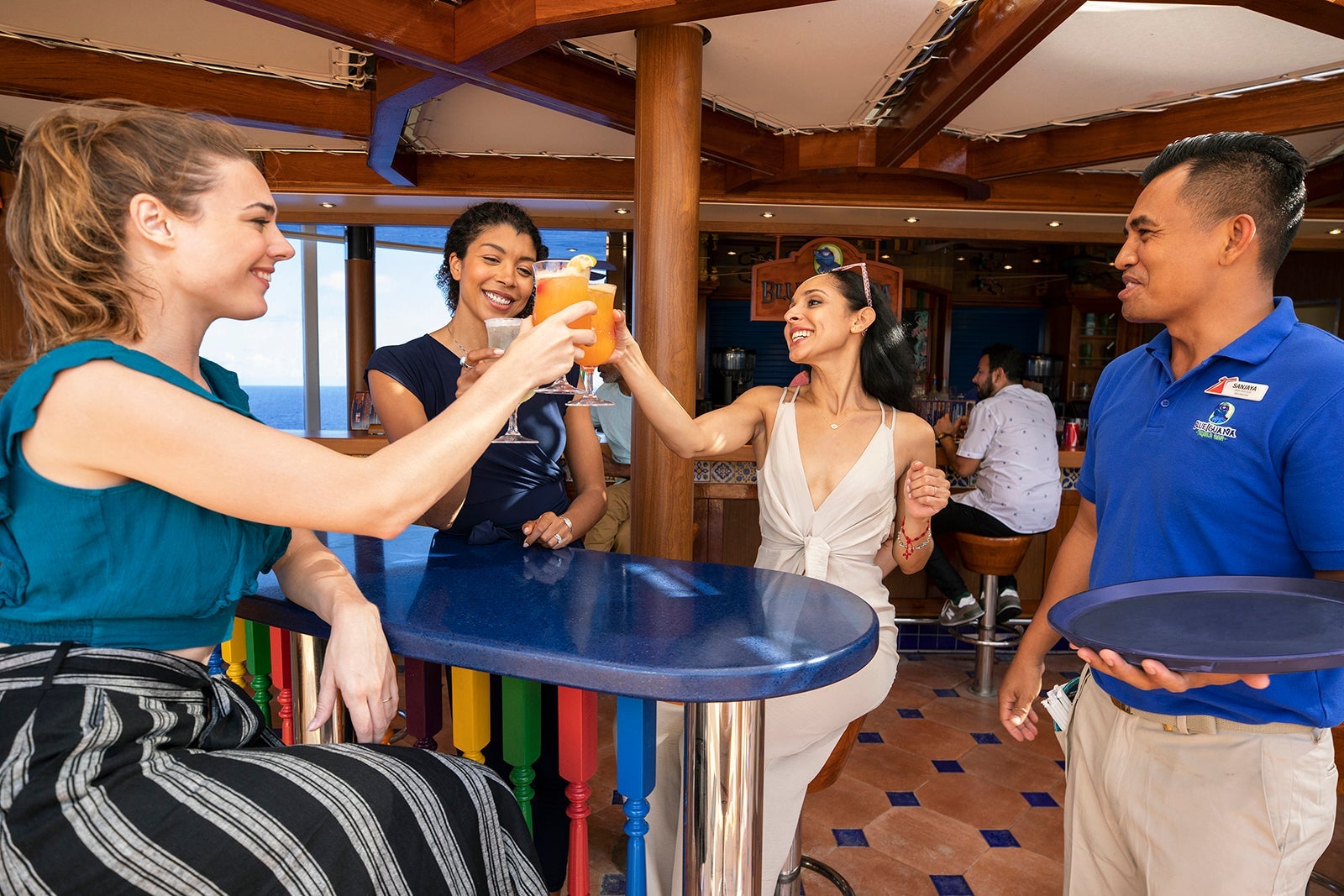
Carnival Cruise Line offers the "Cheers! Beverage Program," which is one of the most recognizable names in the industry. It costs $69.95 per day when booked in advance and $74.95 when purchased on board, including gratuities. The package covers almost all spirits, beers, and wines by the glass up to a $20 value. However, Carnival is unique in enforcing a hard limit of 15 alcoholic drinks per 24-hour period. While 15 drinks is a high threshold for most, it is a point of contention for those who value the "unlimited" label. For non-drinkers, Carnival’s "Zero-Proof" package at $29.95 per day offers a robust alternative involving mocktails, energy drinks, and premium coffees.
Celebrity Cruises leans into a more upscale market with its "Premium Drink Package," which starts at approximately $100 per day. This package is particularly inclusive, covering premium spirits, craft beers, and specialty cocktails up to $19. A key feature of Celebrity is their "All Included" fare option, which bundles a "Classic" drink package and Wi-Fi into the base ticket price, often providing a better value than buying the components separately. Passengers in "The Retreat," Celebrity’s luxury ship-within-a-ship concept, receive the Premium package as a standard perk.
Holland America Line provides the "Elite Beverage Package" at $60.95 per day plus a 20% gratuity. This covers drinks up to $16. For those with more modest tastes, the "Signature" package covers drinks up to $12 for a slightly lower daily fee. Like many of its competitors, Holland America enforces the cabin-sharing rule and a 15-drink daily limit. Their "Quench" package, priced at $17.95, is a popular choice for those who want unlimited non-alcoholic premium beverages.
MSC Cruises utilizes a tiered pricing model based on the length of the cruise. Their "Premium Extra Package" can cost as little as $50 per day if booked in advance for a long voyage, or as much as $95 for a short three-night getaway. MSC is one of the few lines that does not add an additional service charge to the package price, as it is built into the cost. The package covers drinks up to $16 and is valid at their private island, Ocean Cay MSC Marine Reserve.
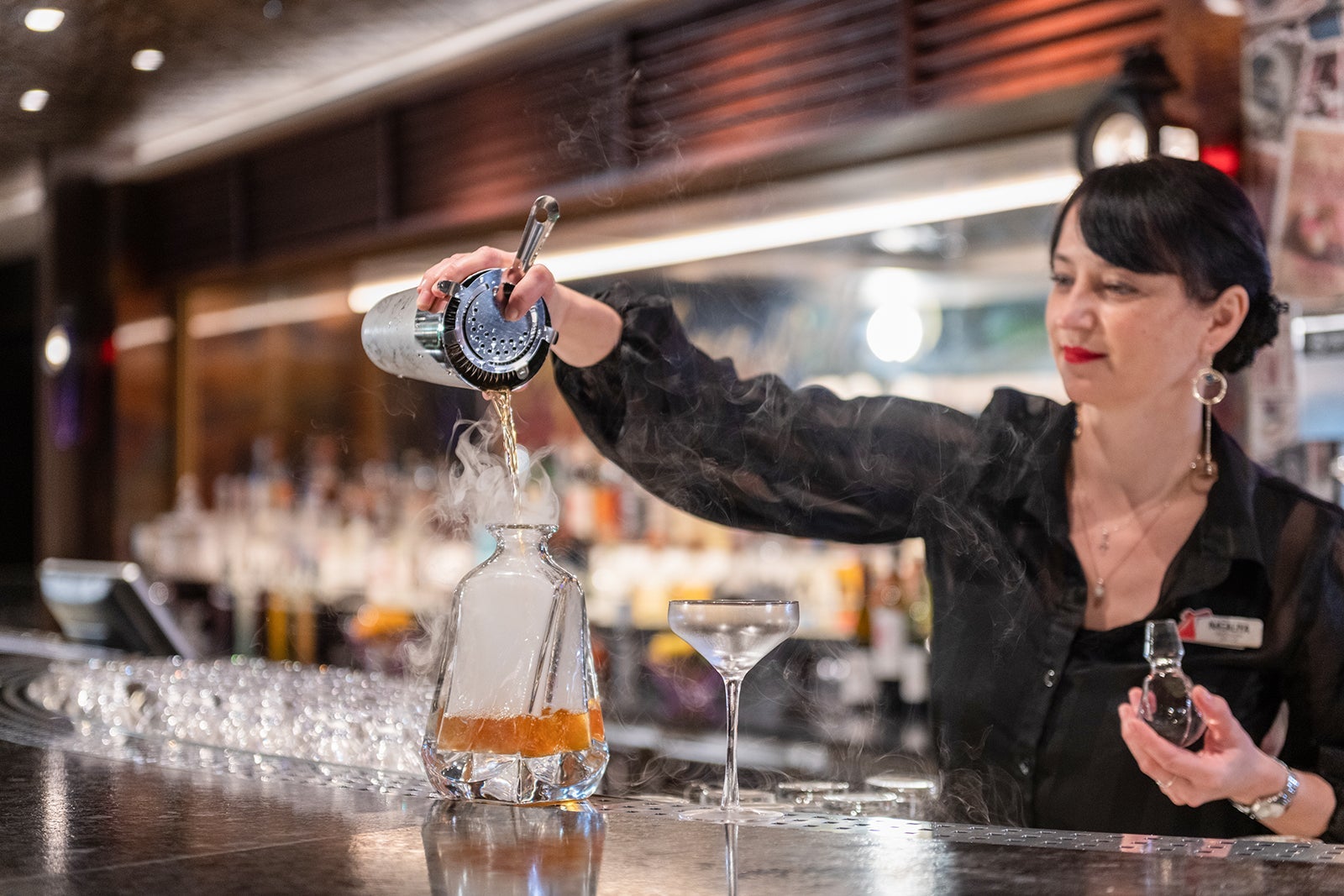
Norwegian Cruise Line (NCL) has revolutionized the market with its "Free at Sea" promotion. While the base "Free at Sea Beverage Package" is often advertised as "free," passengers must still pay the 20% gratuity on the value of the package, which amounts to about $21.80 per day. NCL also offers a "Free at Sea Plus" upgrade for $49.99 per day, which adds unlimited Starbucks, top-shelf spirits, and energy drinks. This is often necessary for travelers who want the highest quality brands not included in the standard promotion.
Princess Cruises offers the "Premier Beverage Package" for $84.99 plus an 18% service charge. It is one of the more generous packages, covering drinks up to $20. Princess has been a leader in the "bundling" trend, offering "Princess Plus" and "Princess Premier" fares. These fares include the drink package, Wi-Fi, and gratuities for a flat daily fee that is significantly lower than the cost of purchasing each item individually. For example, the Princess Premier package currently costs $100 per day and includes the top-tier drink package along with specialty dining.
Royal Caribbean’s "Deluxe Beverage Package" is perhaps the most variable in the industry. Depending on the ship and demand, the price can range from $63 to over $100 per day. It covers all beverages up to a $14 value. A significant benefit of the Royal Caribbean package is its seamless integration with the line’s private destinations, Labadee and Perfect Day at CocoCay, where the package functions exactly as it does on the ship.
In the luxury and boutique space, Viking and Windstar offer different approaches. Viking includes beer and wine with lunch and dinner as part of the base fare. Their "Silver Spirits" package, at $27 per day, upgrades this to include premium wines and cocktails at any time. Windstar Cruises offers the "Captain’s Exclusive" package for $79 to $89 per day, but many guests now opt for their "All-In" pricing, which bundles drinks, Wi-Fi, and gratuities for roughly $99 to $109 per day.
There are notable outliers in the industry. Disney Cruise Line remains one of the few major lines without an alcoholic drink package. Instead, Disney includes all fountain sodas and non-alcoholic beverages in the fare and allows guests to bring a limited amount of their own wine or beer on board. Similarly, Virgin Voyages eschews the traditional package in favor of a "Bar Tab." Guests can prepay a set amount, such as $300, and Virgin often provides a "bonus" credit (e.g., an extra $50) to use toward any drink on the ship. This model appeals to those who want a discount but don’t want the pressure of "drinking their money’s worth" every single day.
Ultimately, the "worth" of a drink package is subjective. Expert travelers suggest tracking consumption for the first 24 hours of a cruise to see if the a la carte costs align with the package price. For those who enjoy the luxury of not checking their folio every time they order a margarita, the package is a tool for stress-free relaxation. For the light drinker, however, the "monster bill" may actually be the package price itself. By understanding the inclusions, limitations, and hidden gratuities, cruisers can make an informed decision that ensures their only hangover is from the sun, not the cost of their vacation.
