
 By admin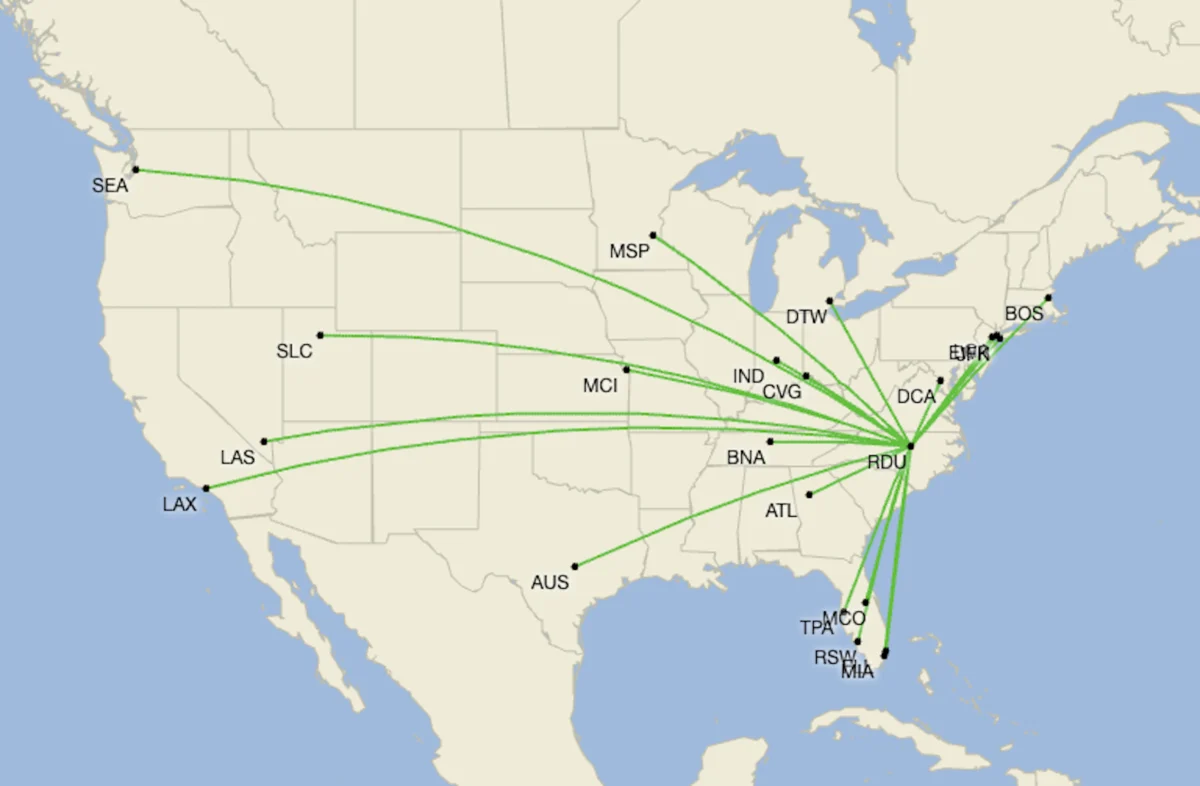
The three discontinued routes—JFK to George Bush Intercontinental Airport (IAH) in Houston, Memphis International Airport (MEM), and St. Louis Lambert International Airport (STL)—were initially placed on what was described as a temporary hiatus in early June. At the time, Delta cited surging jet fuel prices and operational constraints as the primary drivers for the suspension. Passengers and industry analysts expected the routes to return to the schedule by September, but Delta confirmed this week that these flights will not be reinstated. This move effectively consolidates Delta’s service to these three major mid-continental cities through its other New York hub, LaGuardia Airport (LGA).
To understand why Delta is retreating from these specific JFK routes, one must look at the unique operational environment of New York’s aviation landscape. JFK is a slot-controlled airport, meaning the Federal Aviation Administration (FAA) limits the number of takeoffs and landings to manage congestion. For an airline like Delta, every slot is an incredibly valuable asset. In the post-pandemic era, Delta has leaned heavily into its "premium" brand identity, focusing on international connectivity and high-margin business travel. Using a precious JFK slot for a regional or short-haul domestic flight to a city like Memphis—which is already well-served by Delta’s massive hub in Atlanta and its secondary New York hub at LaGuardia—often yields a lower return on investment than using that same slot for a flight to London, Paris, or a high-demand domestic business route like Los Angeles or San Francisco.
Furthermore, the history of these cities within Delta’s network adds a layer of complexity to the decision. Memphis, for instance, was once a fortress hub for Northwest Airlines before its merger with Delta in 2008. Over the last decade, Delta has systematically de-hubbed Memphis, transitioning it into a spoke city. While Memphis remains an important market, its primary utility for Delta is now as a destination for passengers connecting through Atlanta or Detroit, or for local New York travelers flying out of the more centrally located LaGuardia. Similarly, St. Louis and Houston are markets where Delta faces stiff competition from United Airlines and Southwest Airlines. By consolidating its New York presence for these cities at LaGuardia, Delta can offer a more streamlined product for the "local" New York traveler who prefers LaGuardia’s proximity to Manhattan, while freeing up JFK capacity for the "connecting" traveler coming from overseas.
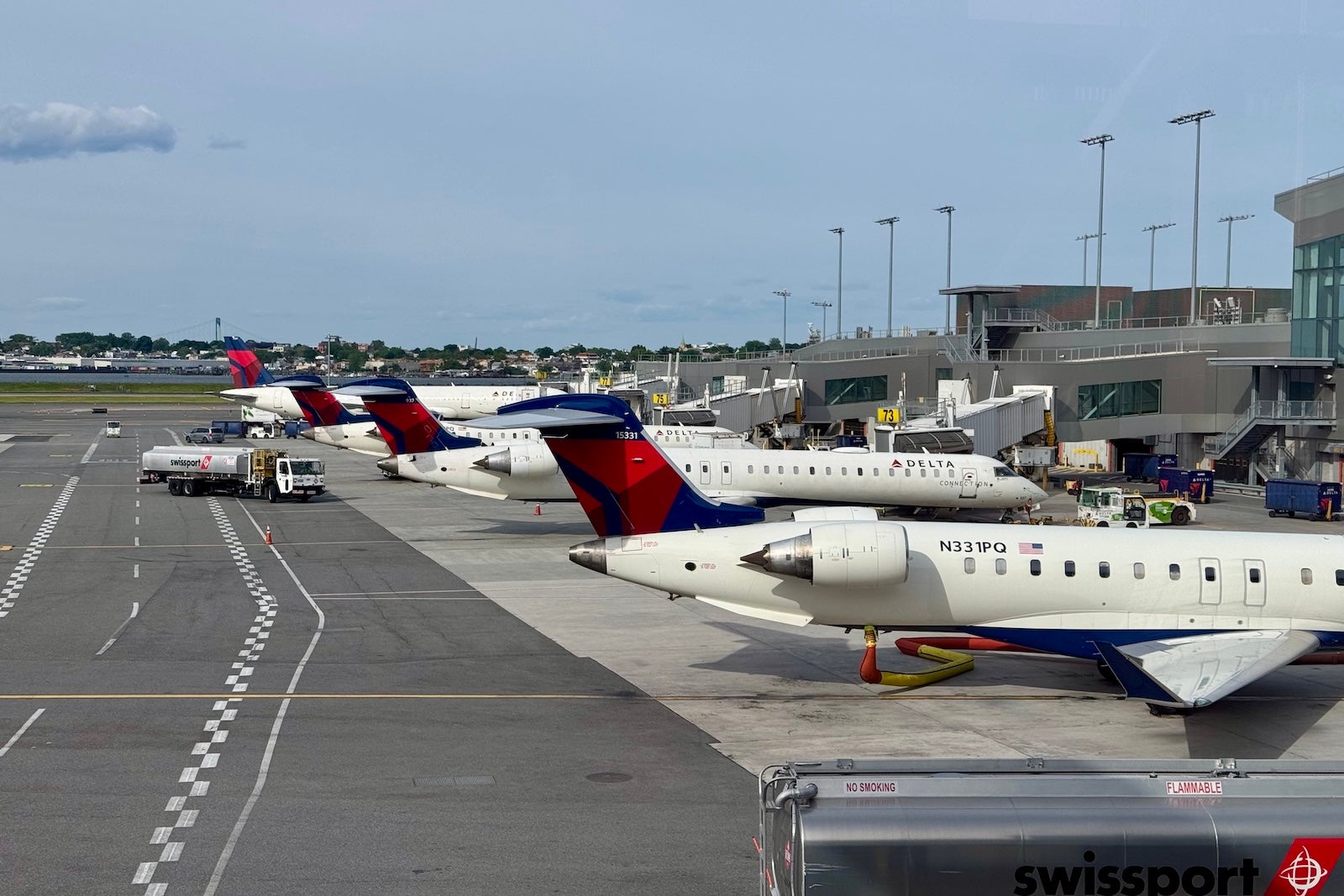
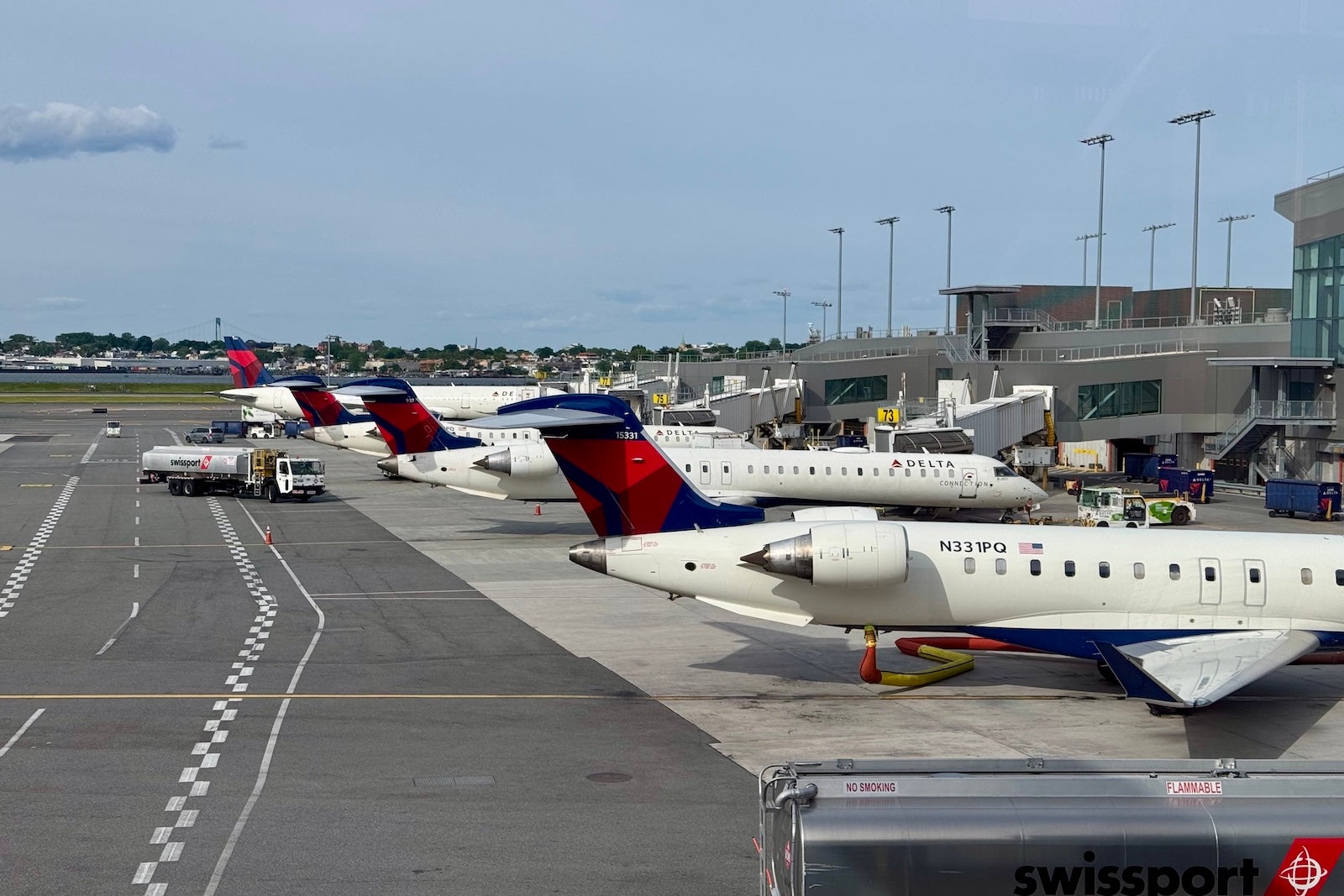
Delta’s spokesperson emphasized that the airline would be proactive in re-accommodating displaced passengers. "We apologize for any inconvenience this may cause and will contact affected customers directly to discuss alternative travel options," the carrier stated. For most travelers, this will mean being rebooked on flights departing from LaGuardia. This transition is made more palatable by the fact that Delta has invested billions of dollars into the redevelopment of Terminal C at LaGuardia, creating a world-class facility that rivals the amenities found at JFK.
While the news from New York suggests a tightening of the belt, the developments in North Carolina tell a story of aggressive expansion. Delta has officially added a new nonstop route from Raleigh-Durham International Airport (RDU) to Southwest Florida International Airport (RSW) in Fort Myers. This new service is scheduled to commence on November 21, strategically timed to capture the lucrative Thanksgiving and winter holiday travel demand. The flight will operate daily using a Bombardier CRJ-900 regional jet, a dual-class aircraft featuring First Class, Delta Comfort+, and Main Cabin seating.
Raleigh-Durham has emerged as one of the crown jewels in Delta’s "focus city" strategy. Unlike a traditional hub, where the majority of passengers are connecting from one flight to another, a focus city is designed to serve the "point-to-point" needs of a specific, high-growth metropolitan area. The Research Triangle region of North Carolina, encompassing Raleigh, Durham, and Chapel Hill, has seen an explosion in population and economic activity, driven by the technology, healthcare, and education sectors. Companies like Apple, Google, and Meta have made significant commitments to the area, bringing with them a demographic of affluent, frequent travelers.
Delta’s expansion at RDU is a direct response to this demographic shift. By adding Fort Myers to its roster of nonstop destinations from Raleigh, Delta is tapping into the strong "snowbird" and leisure demand that exists between the Carolinas and Florida. Fort Myers is a gateway to Sanibel Island, Captiva, and the broader Southwest Florida region, which has seen a surge in domestic tourism. For Delta, RDU is a battlefield where it competes directly with American Airlines and low-cost carriers like JetBlue and Southwest. By offering more nonstop options to popular leisure destinations, Delta aims to secure brand loyalty among the Triangle’s residents, ensuring they choose Delta not just for business trips to New York or London, but for family vacations as well.
The RDU focus city model is mirrored in Austin, Texas (AUS), another market where Delta is aggressively adding routes to compete for the business of "Silicon Hills." In both cities, Delta’s strategy is to offer a "hub-like" experience with a high frequency of flights and premium lounge access (Delta Sky Clubs) without the massive operational overhead of a 500-flight-a-day fortress hub. Interestingly, Delta’s growth at RDU has been so consistent that it has even managed to weather the loss of its direct Paris service. That route, which was a symbol of RDU’s international standing, was recently handed over to Delta’s SkyTeam partner, Air France. This allows Delta to focus its own metal on domestic and short-haul international growth while still offering Triangle residents seamless access to Europe through its alliance partner.
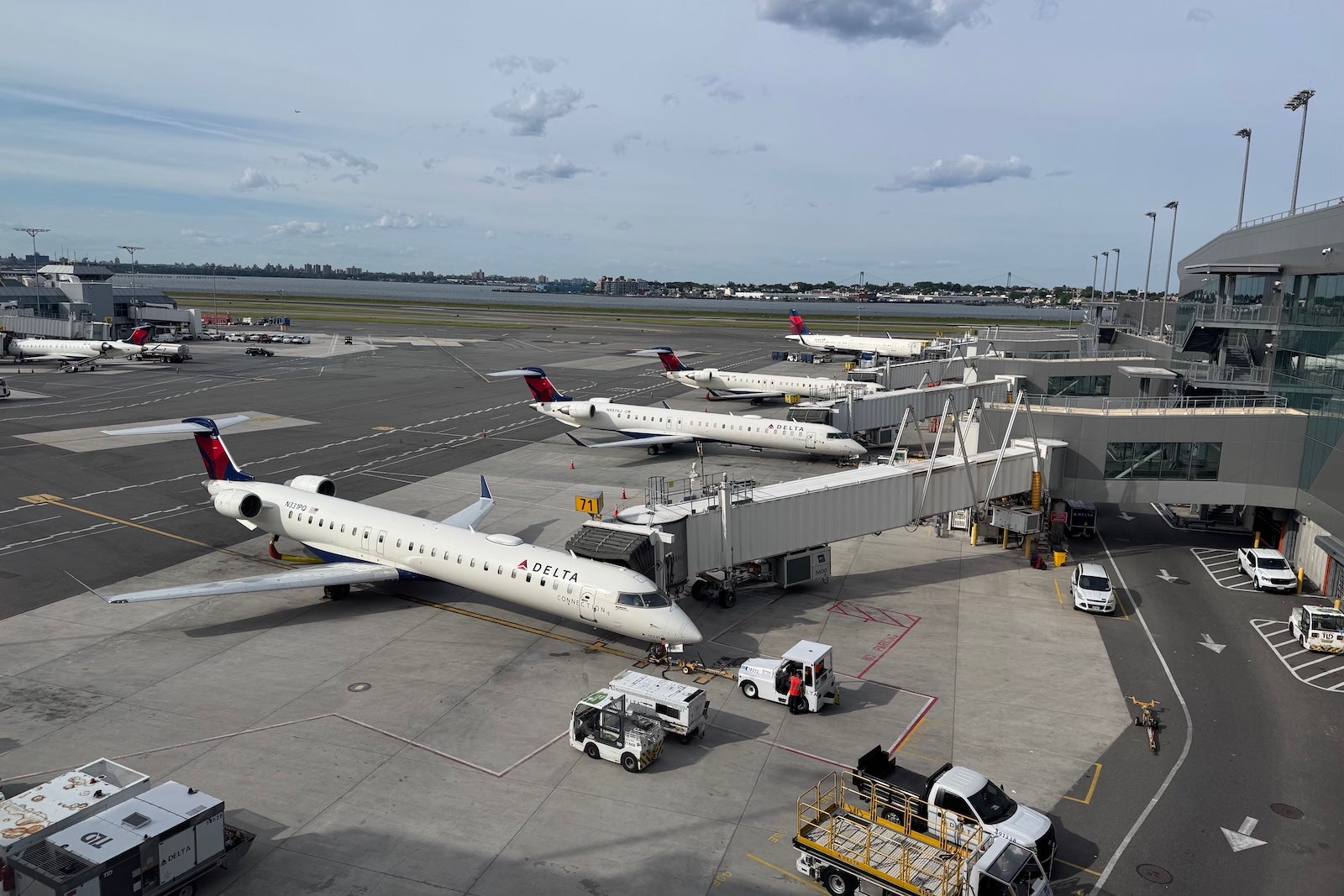
The use of the CRJ-900 on the RDU-RSW route is also telling. This aircraft, operated by Delta’s regional subsidiary Endeavor Air, is the workhorse of the focus city strategy. It allows the airline to test new markets with a smaller capacity—approximately 76 seats—reducing the financial risk compared to flying a 150-seat Boeing 737 or Airbus A320. If the Raleigh to Fort Myers route proves to be a consistent success, Delta may eventually upgauge the service to larger mainline aircraft.
As Delta navigates the remainder of the mid-2020s, these network adjustments highlight a sophisticated balancing act. On one hand, the airline is ruthlessly efficient, cutting underperforming or redundant routes at slot-constrained hubs like JFK to maximize profitability. On the other hand, it is an opportunistic grower, planting seeds in markets like Raleigh-Durham where the long-term economic outlook is bright.
The broader aviation industry is watching these moves closely. The pilot shortage that plagued regional airlines in 2022 and 2023 has begun to stabilize, but the costs of labor and aircraft maintenance remain at historic highs. This economic reality is forcing all major carriers—Delta, United, and American—to be more disciplined with their route maps. Gone are the days of "prestige routes" that lose money but maintain a presence; today’s network planning is driven by data, yield management, and the relentless pursuit of the premium traveler.
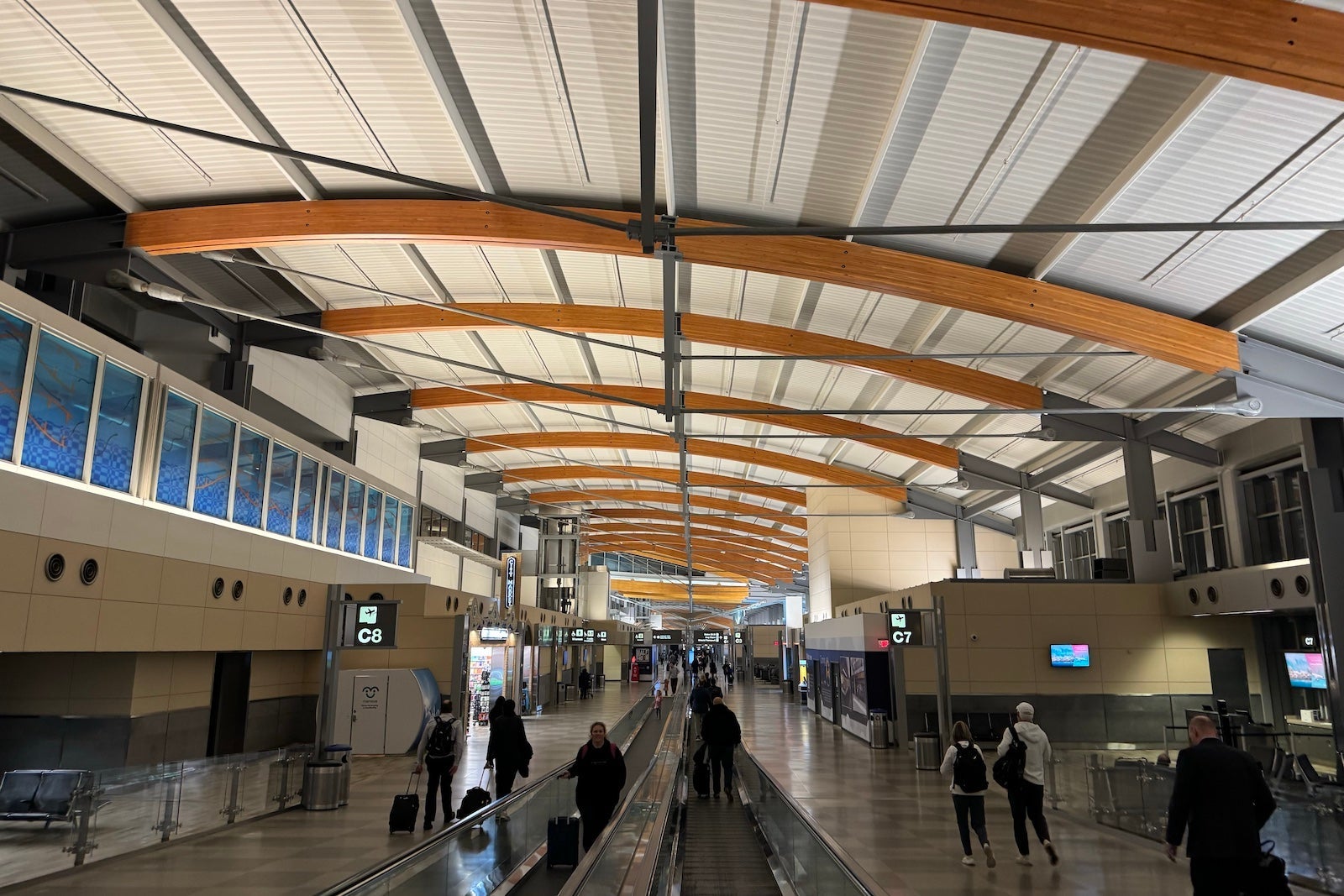
For the residents of Houston, Memphis, and St. Louis, the loss of JFK service is a minor blow to convenience, mitigated by the continued presence of LaGuardia flights. For the residents of the Raleigh-Durham area, the new Fort Myers service is yet another sign that their home airport is becoming a major player on the national stage. As Delta continues to refine its map, the message is clear: the airline will go where the growth is, even if it means saying goodbye to long-standing routes in the "City That Never Sleeps." This pivot toward high-growth secondary markets like RDU and the optimization of primary hubs like JFK and LGA represents the next chapter in Delta’s quest to remain the most profitable and preferred legacy carrier in the United States.
