
 By admin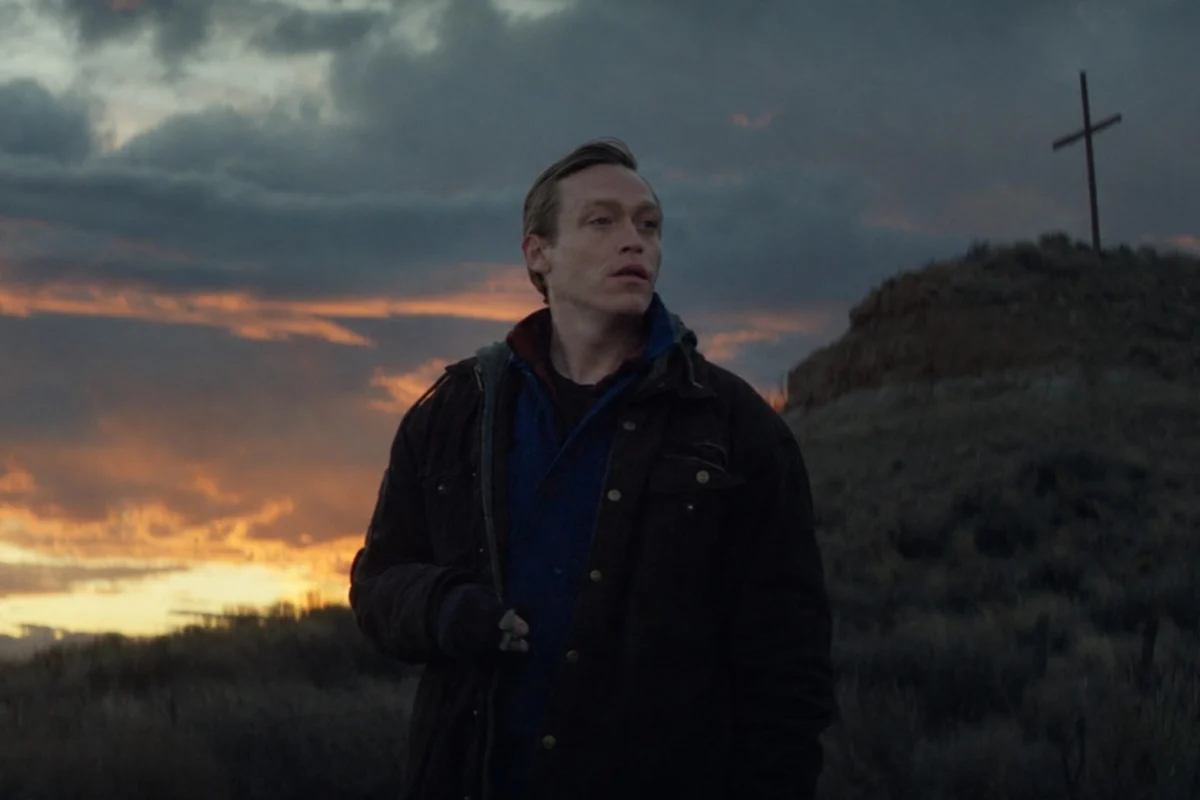
The arduous five-year quest to secure funding for "Down the Arm of God" proved to be a crucible for its lead star and co-writer, Caleb Landry Jones. This challenging journey, fraught with skepticism and outright prejudice, ironically brought the acclaimed actor, known for his roles in "Three Billboards Outside Ebbing, Missouri" and "Get Out," face-to-face with the very societal biases his film seeks to expose. Jones revealed to Variety the significant hurdles encountered, stating, "Some people were worried about any kind of re-enactment of anyone’s past. We were getting a lot of folks that felt what we were trying to do was not respectful, that we were getting into possible problems of white saviorism." These concerns were amplified by the film’s deliberate decision to cast real individuals experiencing homelessness in Texas, a choice that challenged conventional filmmaking practices and likely contributed to the hesitancy of potential investors. Further obstacles included doubts about the project’s commercial viability, with some financiers deeming the cast insufficient. "Other things would be simply that the cast wasn’t big enough," Jones explained. "That my name isn’t big enough. ‘We need two or three other cast members that are stars!’"
The tide began to turn when renowned director Luc Besson, whom Jones was collaborating with on the 2025 horror film "Dracula," witnessed the profound difficulties Jones faced in getting "Down the Arm of God" off the ground. Moved by Jones’s dedication and the film’s pressing narrative, Besson intervened, providing the necessary financial backing through his production company, EuropaCorp, effectively rescuing the project. This crucial support has paved the way for "Down the Arm of God" to make its international debut at the prestigious Locarno Film Festival in Switzerland on August 12th.
Directed by Peter Brunner, who previously helmed Jones in the 2018 drama "To the Night," "Down the Arm of God" centers on Nick, a pastor who arrives in a small, seemingly idyllic Texas town with a fervent desire to enact change. His mission is ignited by the quiet, pervasive reality of homelessness that has become an almost invisible blight on the community’s periphery. However, Nick’s altruistic intentions are met with immediate and intense resistance from the local populace, particularly when he extends an offer for the encampment of homeless individuals to find shelter within their church during the unforgiving winter months. This act of compassion, rather than fostering unity, ignites a firestorm of opposition, pushing Nick to a crisis point where he must confront his own faith and his connection to the divine. Jones himself acknowledged the character’s complexities, noting, "I like the ambiguity and these aspects of the character. This was Peter’s choice from the beginning."
The genesis of "Down the Arm of God" lies in a deeply personal narrative, rooted in true events, which initially focused on the themes of forgiveness and reconciliation between a father and son. The estranged father-son dynamic remains a cornerstone of the story, as Nick’s commitment to social action is profoundly influenced by his own struggle to aid his father, who is grappling with extreme poverty. This intimate framework ultimately evolved into a powerful vehicle for exploring the multifaceted issues of homelessness and community engagement, allowing for an authentic portrayal that avoids imposing a singular narrative. "Without forcing any language down anybody’s throats," Jones emphasized, reflecting the film’s commitment to genuine representation.
The development process, spanning five years, involved extensive research and engagement with numerous nonprofit organizations across Texas, including those in Dallas, Austin, and Amarillo. During these immersive explorations, Jones and Brunner consistently encountered a recurring sentiment from those on the front lines of homelessness advocacy. "We couldn’t make this film with actors, that we’d be doing a disservice to portray homelessness in our country," Jones recounted, highlighting the widespread recognition that an authentic depiction required the voices and lived experiences of those directly affected.
This profound observation was not confined to the professionals; it resonated deeply with the individuals experiencing homelessness themselves, whom Brunner and Jones meticulously interviewed and whose stories formed the bedrock of the screenplay. The collaborative spirit extended beyond mere consultation, with many of these individuals eventually agreeing to participate in the film. Tragically, the long gestation period meant that several of the homeless individuals who had committed to being part of "Down the Arm of God" passed away before production could commence. "The film is, in a big way, dedicated to those people as well," Jones stated with poignant sincerity, underscoring the film’s profound connection to the lives it seeks to honor.
The escalating tension within the film, culminating in overt violence, is a deliberate and unflinching reflection of societal realities. The narrative confronts the stark prejudices present in a conservative, homogeneous Texas community, where protestors are depicted holding "White Lives Matter" signs directed at the people of color within the homeless encampment. Jones and Brunner intentionally integrated these jarring elements to mirror the harsh truths faced by marginalized communities. "Everything is there because it felt like if it wasn’t there, we were negating it," Jones explained, emphasizing the film’s commitment to an unvarnished portrayal of social injustice.
Jones expressed profound admiration for the courage and authenticity of the homeless individuals who made their on-screen debuts, drawing upon their personal histories and emotional landscapes. "The work itself wasn’t easy, but to do the work was very easy," he reflected. "Some of the best actors I’ve ever worked with were on this film because it really was on the line of – it wasn’t really acting sometimes, and sometimes it was rooted in a memory. It’s a real memory that the person is speaking of." He further elaborated on the spectrum of performance, noting, "Sometimes it is fabricated, especially for myself and my character. I am not a pastor, and my father is not homeless… A lot of things. I’m the outlier in the group." The true difficulty, he reiterated, lay not in the artistic execution but in the "logistics and trying to get people to understand the severity of homelessness."
As "Down the Arm of God" prepares for its festival premiere, Jones harbors a fervent hope that the film will serve as a catalyst for global audiences to confront their proximity to economic precarity, particularly in light of the escalating homelessness epidemic. "It’s something that most of us deny ourselves all the time, that we are far removed because we have this job. We have these things in our life that we see as steady," he observed. The lingering impact of the COVID-19 pandemic, he suggested, offered a stark financial awakening for many, exposing the fragility of employment and the devastating consequences of sudden job losses. Yet, he cautioned, "I don’t think we really woke up to the fact that it could be us," a sentiment that encapsulates the film’s underlying message about shared vulnerability and the urgent need for collective empathy and action. The film’s exploration of faith, community, and the harsh realities of poverty is poised to spark crucial conversations about societal responsibility and the often-unseen struggles that lie just beneath the surface of everyday life.
